The Ramón Allones Specially Selected: A Study in Earth and Time
An afternoon with the Ramón Allones Specially Selected inside St James’s, where six decades of Cuban blending tradition meet the damp quiet of an English autumn.
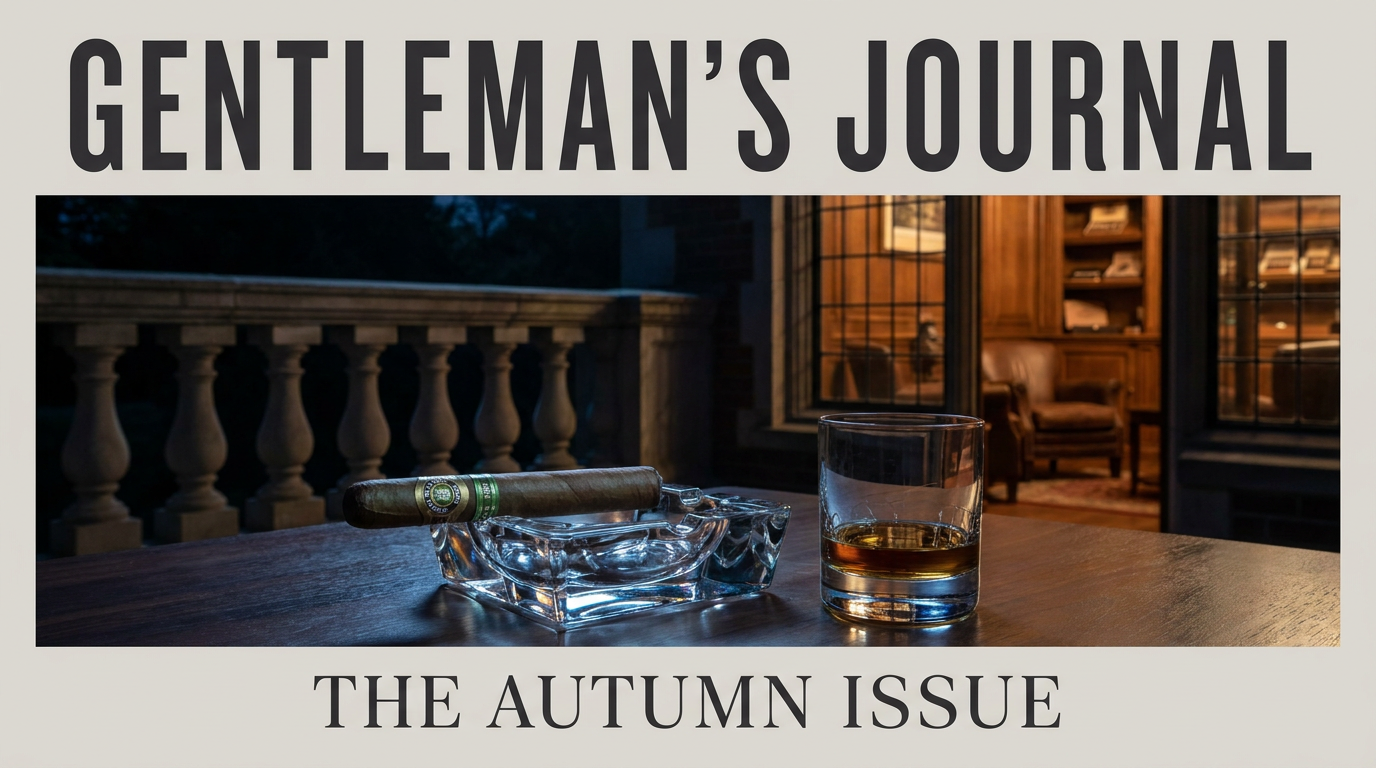
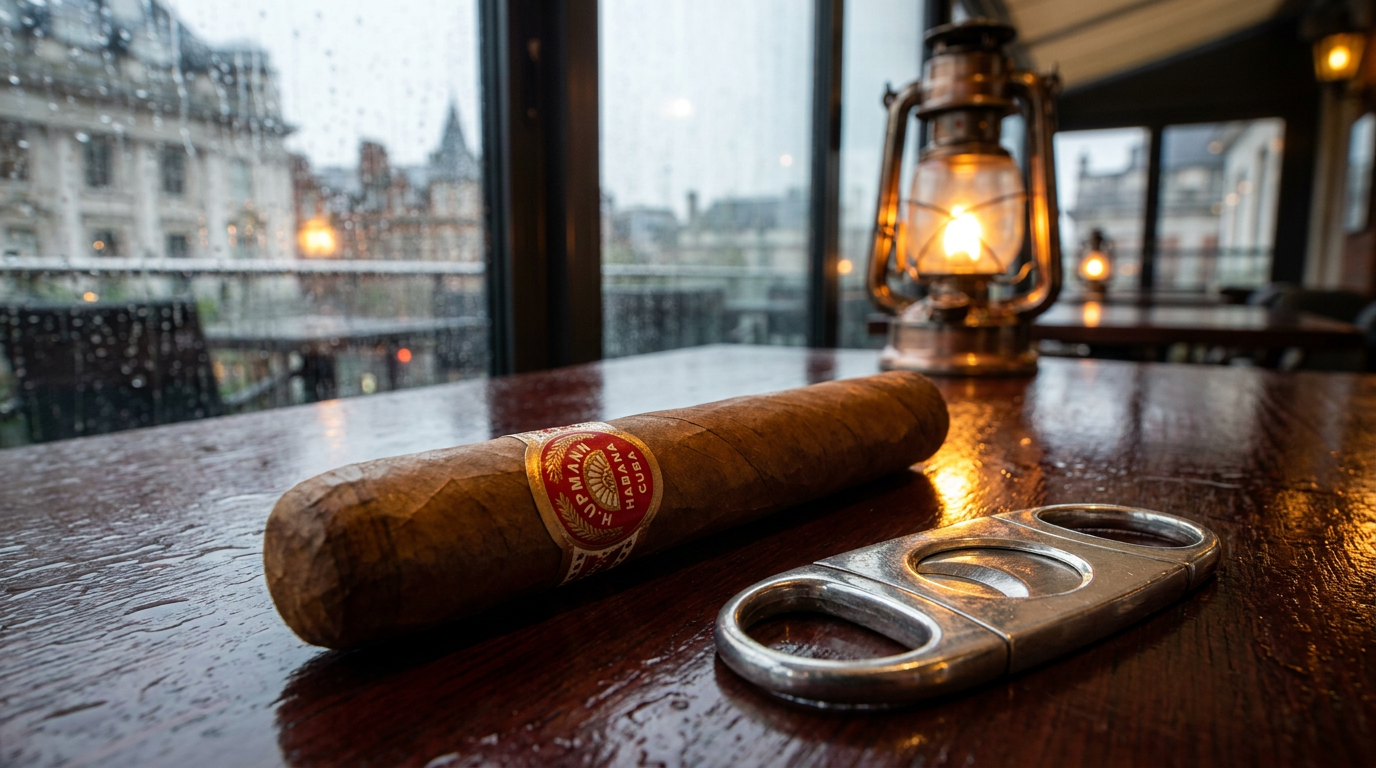
The November rain had reduced St James’s to a lacquered reflection of Portland stone and black umbrellas when I stepped through the door of No. 19. Inside, where the air is scented with Spanish cedar, beeswax, and a century and a half of gentle combustion, the damp street vanished. James J. Fox is one of the few places left in London where the smoking of fine tobacco indoors remains an uninterrupted civil right, protected under the 2007 legislation by virtue of its sampling lounge.
It was mid-afternoon, that grey hour when the city’s pace slackens into twilight. I had come with a singular intent: an appointment with a vitola that demands both quiet and an unhurried mind. The Ramón Allones Specially Selected—known affectionately and with shorthand reverence as the RASS—remains one of the most intellectually honest cigars rolled in Cuba.
At a classic robusto format—four and seven-eighths inches by a 50 ring gauge—it possesses neither the theatrical girth of modern novelties nor the intimidating commitment of a double corona. It is an honest measure of time, precisely sixty minutes if respected. The example drawn from the aging cabinet was clad in a Colorado maduro wrapper: oily, taut, and carrying the faint, rustic mottling that distinguishes Vuelta Abajo leaf from the hyper-manicured wrappers of the Dominican Republic. To the touch, it yielded with that firm, uniform elasticity that signals sound rolling in the gallery.
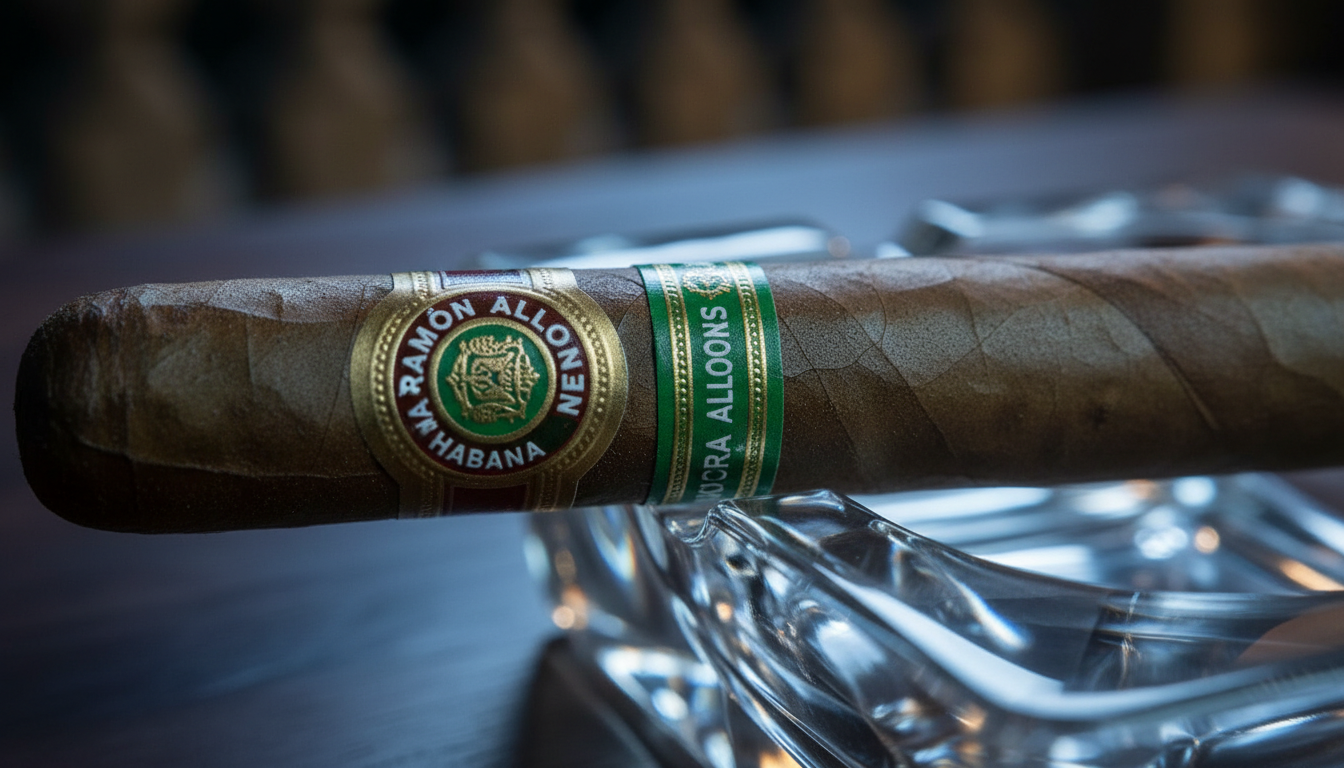
The history of Ramón Allones is not merely one of endurance; it is foundational. Founded in 1837 by the Galician immigrant of the same name, the marque lays claim to having invented the cigar box as we recognise it—the cedar chest adorned with lithographic vistas, embossed gold medals, and individual banding designed to combat counterfeiters. Long before Hunter & Frankau acquired the brand in 1911, and decades before nationalisation shifted its production to the venerable Partagás factory on Calle Industria, Ramón Allones was defined by a specific blending philosophy: rich, full, unapologetically earthy tobacco that softened into profound sweetness with time.
I cut the cap with a clean guillotine clip. The cold draw offered cedar, roasted walnut, and the distinctive vegetal barnyard musk that can belong only to Pinar del Río. The draw was firm yet open, offering just enough resistance to prevent the cherry from overheating.
Lighting a cigar of this density requires patience and restraint. Using a wooden spill, I toasted the foot slowly, watching the ring of wrapper leaf take the flame until an even, glowing disc of embers was established across the entirety of the filler. Only then did I raise it to my lips.
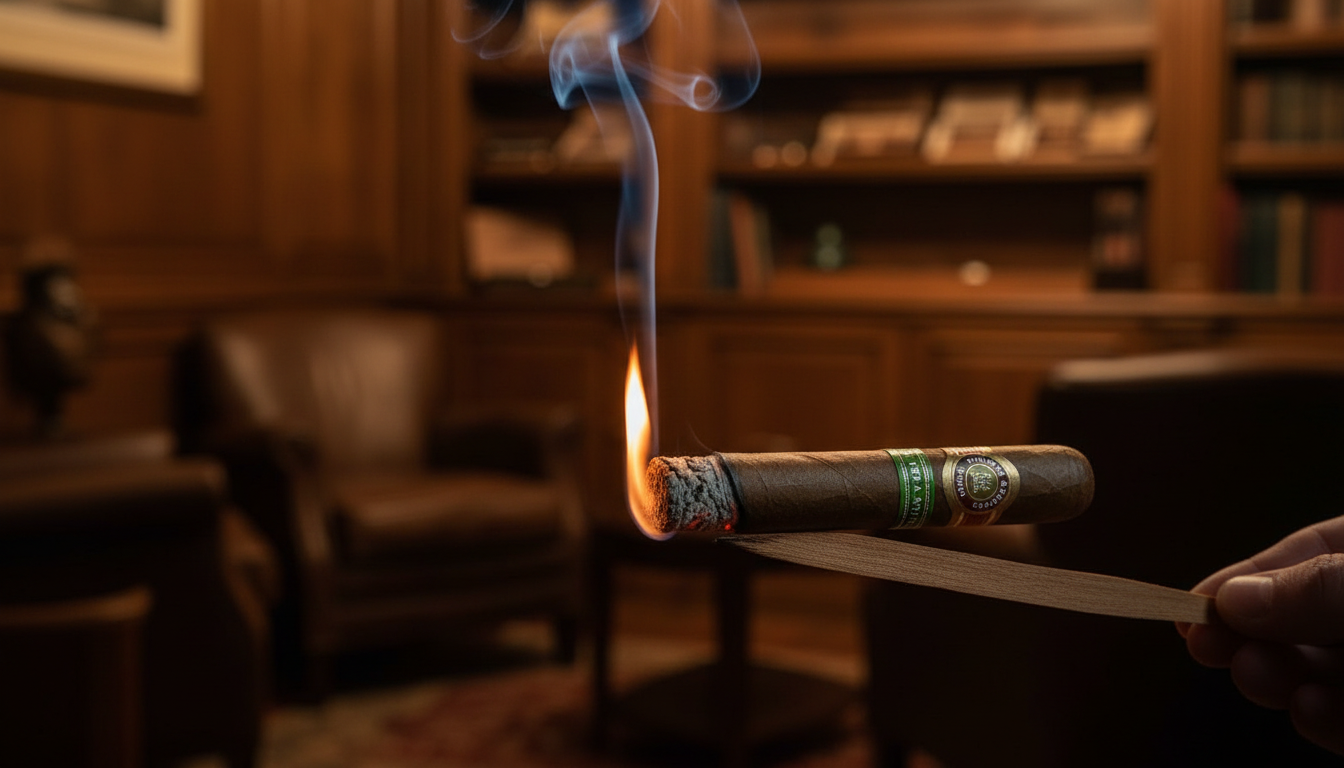
The initial puffs of a Ramón Allones Specially Selected rarely mince words. Where an Hoyo de Monterrey opens with mild cream or a Montecristo with dry cocoa, the RASS enters with a confident flare of black pepper and toasted sourdough. Yet within five minutes, as the oil in the wrapper begins to warm, that brashness recedes, giving way to the cigar’s signature profile: dark, stewed stone fruit, roasted espresso beans, and a foundation of damp forest floor.
To accompany the smoke, the lounge steward brought over a dram of twenty-year-old Armagnac—a spirit whose rustic, prune-laden profile and barrel tannins speak the exact dialect of aged Cuban ligero. A lighter Speyside malt would have been obliterated; a peated Islay would have engaged in pointless combat. The Armagnac simply met the smoke on equal terms, rounding the peppery edges of the blend and drawing out notes of dark molasses and saddle leather.
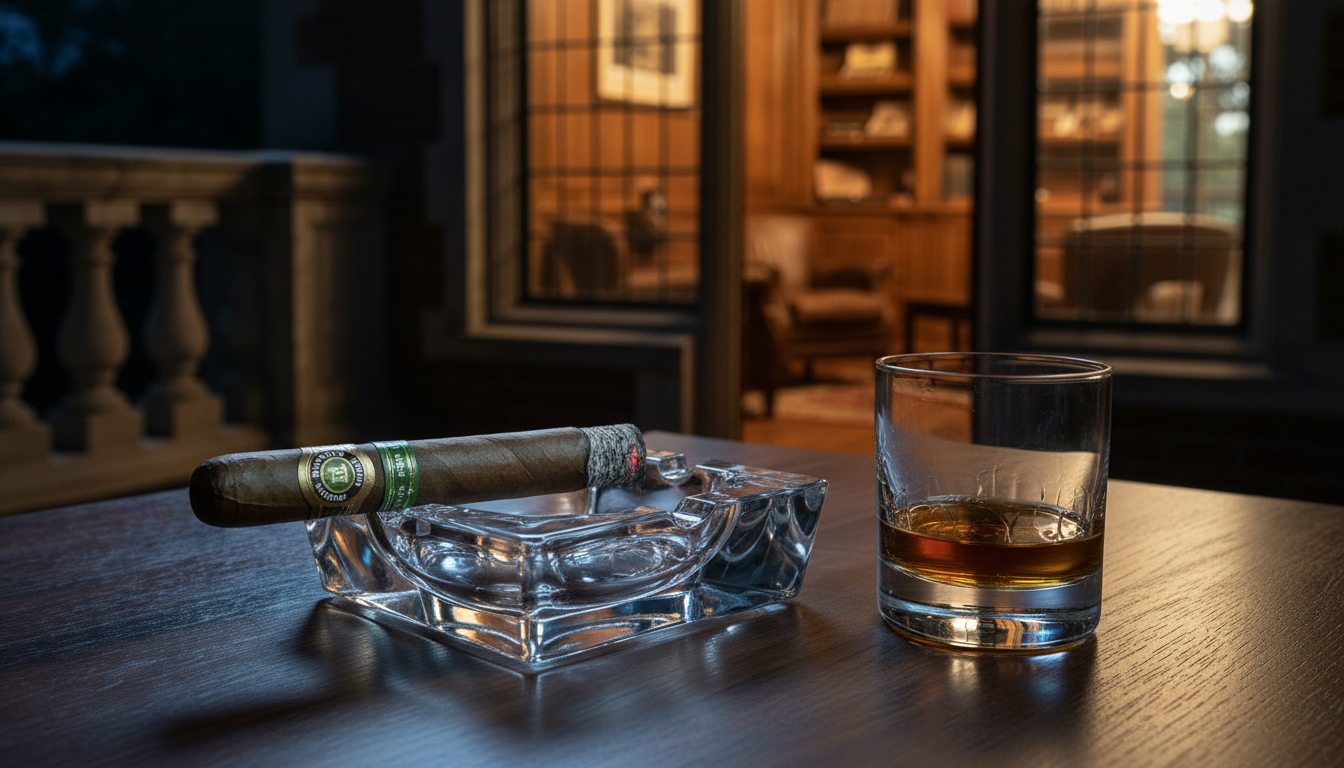
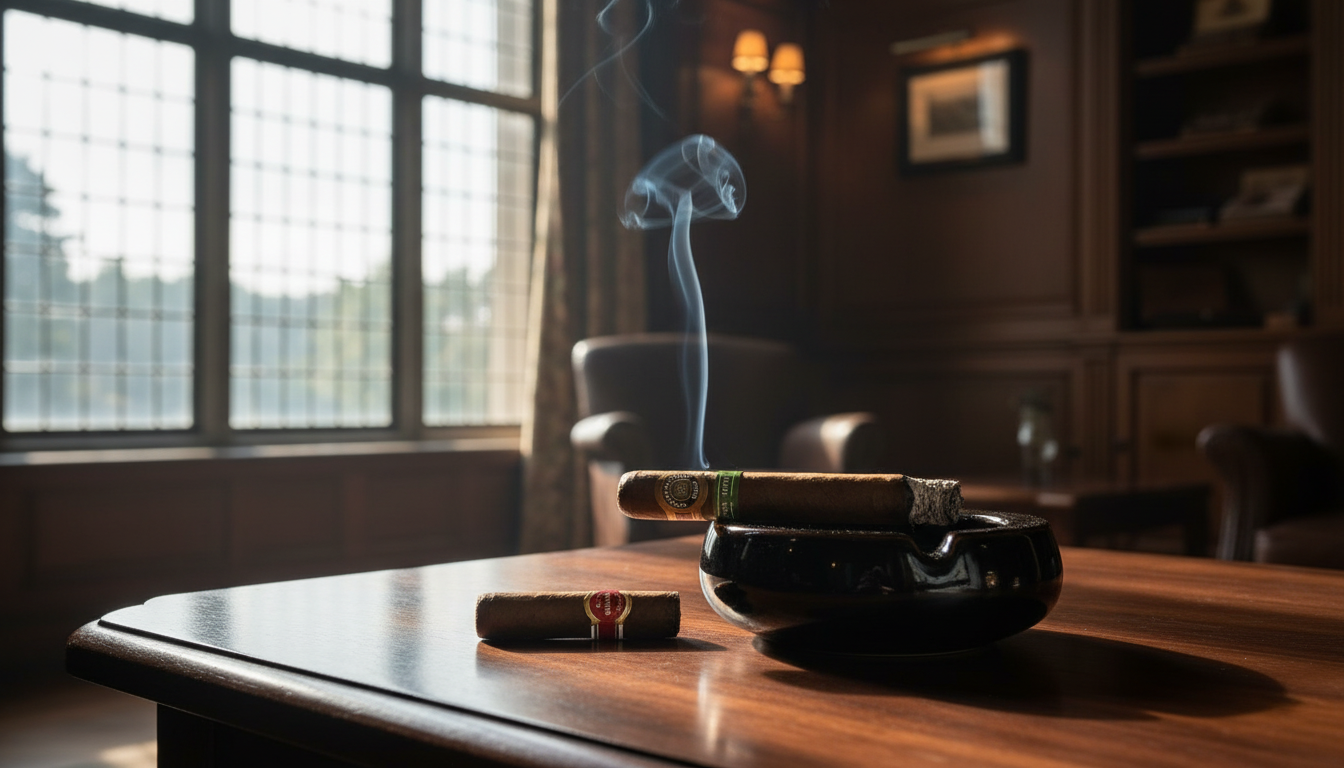
By the halfway mark, the ash was a dense cylinder of mottled salt-and-pepper, holding steadfastly past the inch-and-a-half mark before releasing neatly into the ceramic ashtray. The smoke had thickened to a velvety, chewable texture, coating the palate without astringency. Here lies the genius of the Specially Selected: it delivers the body of a much larger cigar without ever descending into bitterness.
In an era when Habanos S.A. has increasingly steered its premium portfolio toward stratospheric price points and oversized ring gauges designed for display, the RASS remains an anchor of the traditional canon. It is a working gentleman’s masterpiece—complex enough to reward total concentration, yet robust enough to withstand thoughtful conversation over an open fire.
As I laid down the band and let the nub rest in its final moments of smoke, the rain outside had ceased, leaving behind the blue dusk of St James’s. Sixty minutes had passed, measured not by the clock on the mantelpiece, but by the quiet unfolding of century-old leaf.