The Porsche 911 (993) Carrera RS: A Final Flourish
The last of the air-cooled era, the 993 Carrera RS distills the essence of the 911 into its most potent, focused, and analogue form. It is a machine that demands participation, a dialogue between driver, engine, and road.
There is a particular character to the final iteration of a long and storied line. A sense of distillation, of lessons learned and honed to their sharpest point. So it is with the Porsche 911 Carrera RS of the 993 generation. To approach one, key in hand, is to feel the weight of that finality. This is the last of the air-cooled, the ultimate expression of a mechanical lineage stretching back to 1964, and it feels it.
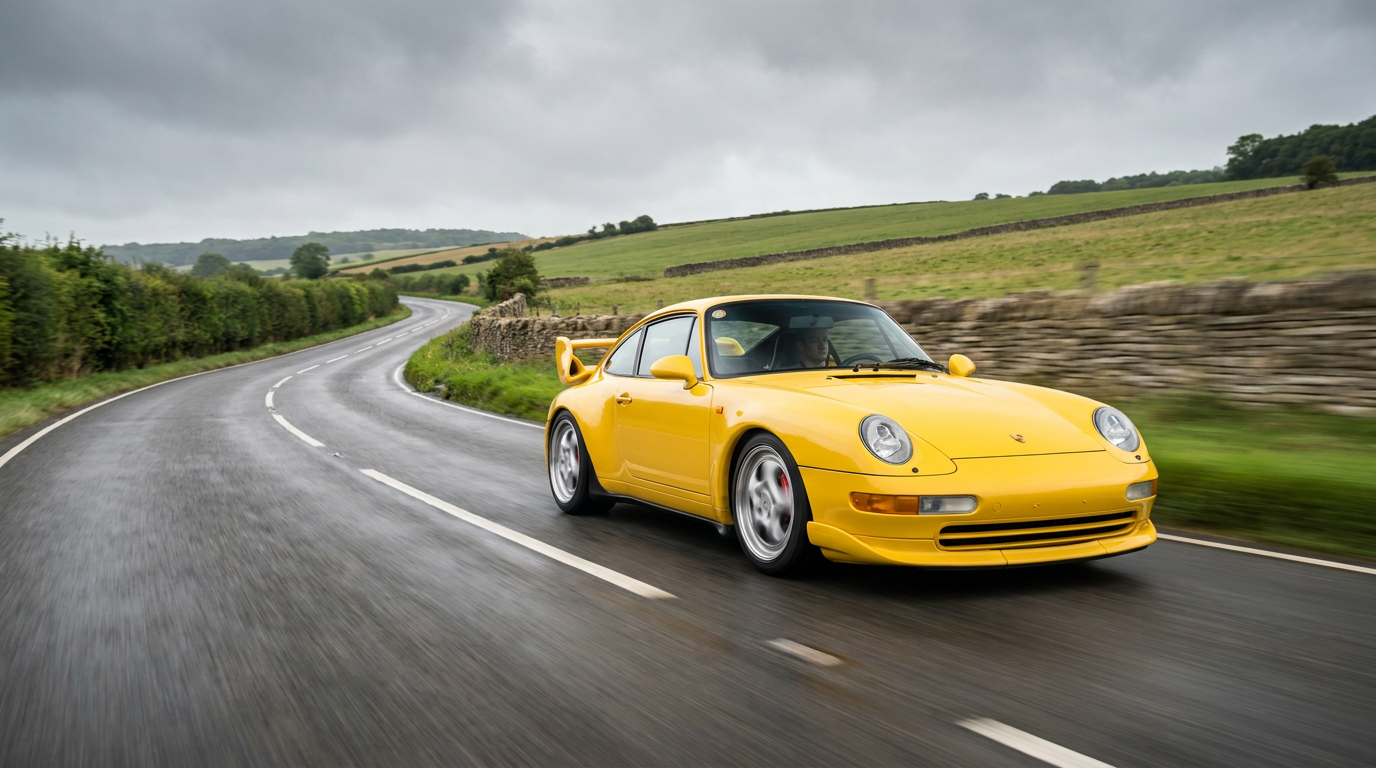
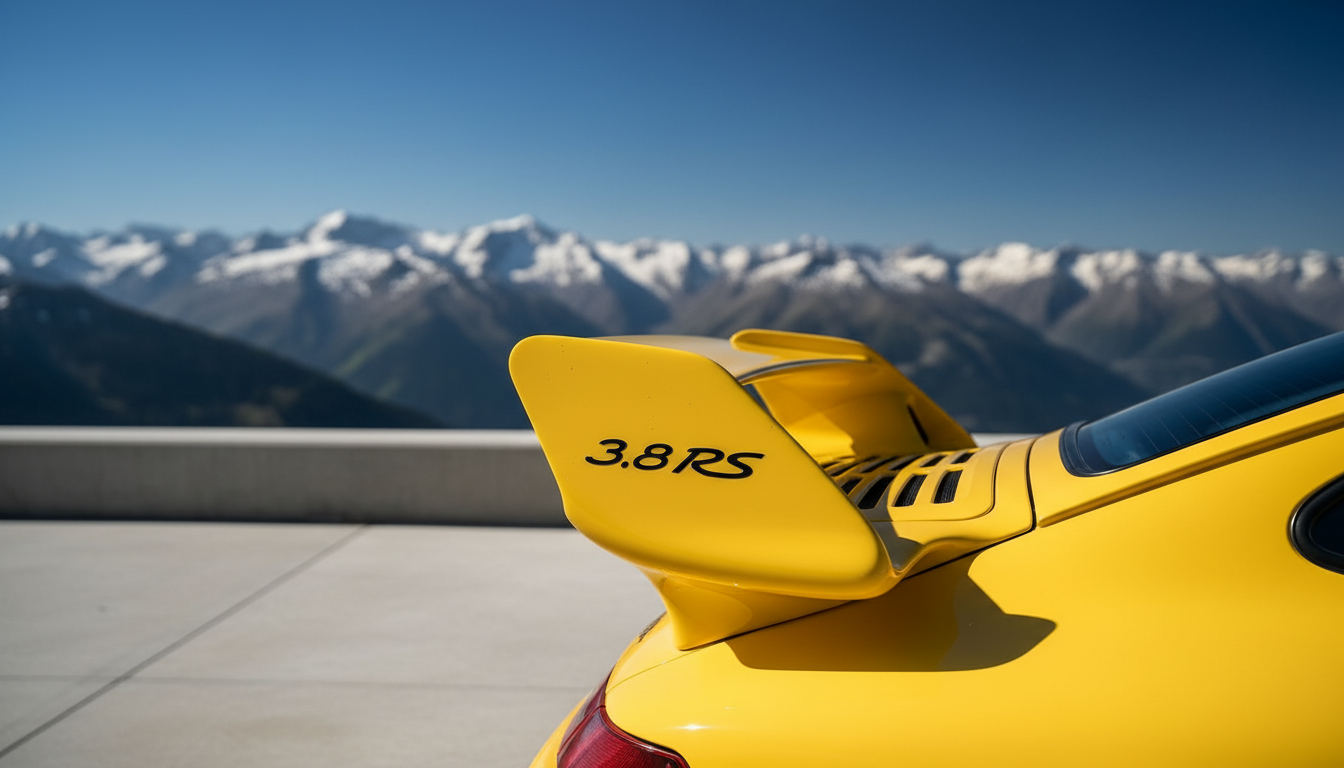
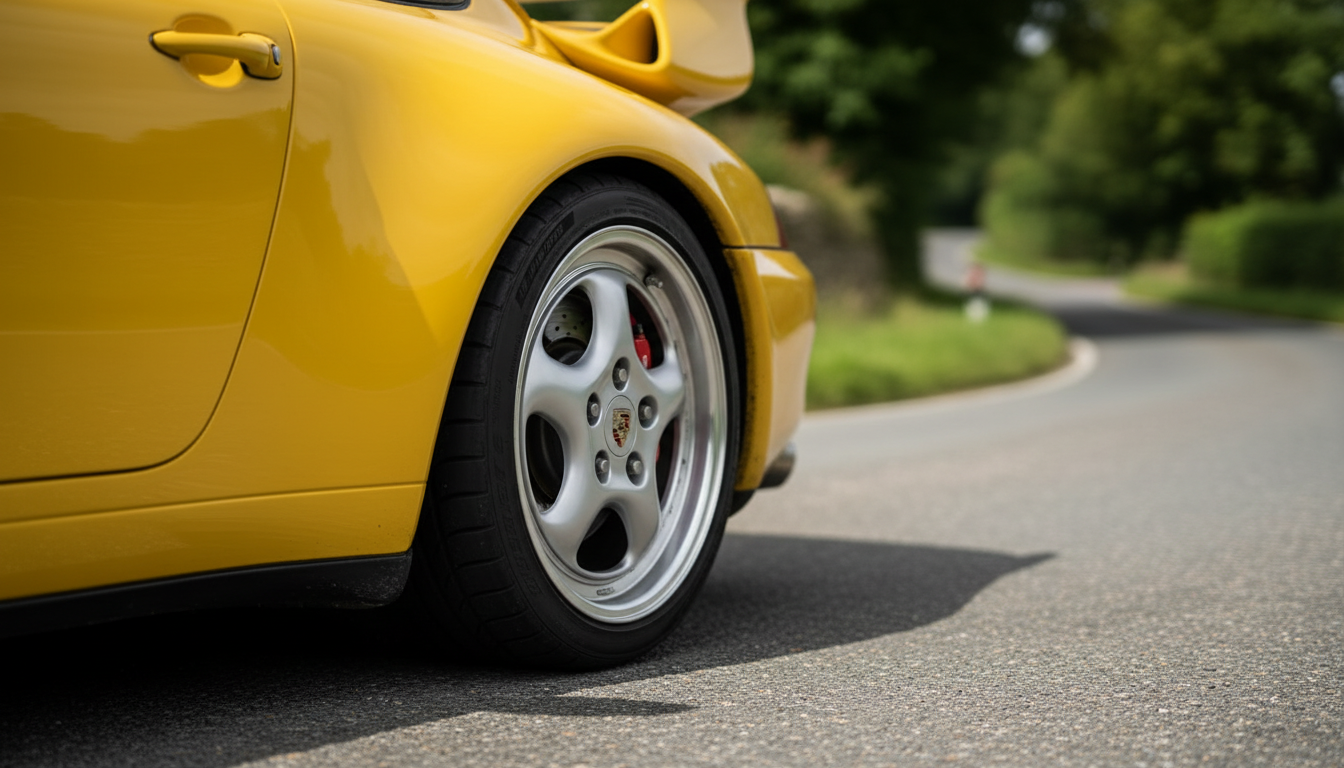
My reunion with the RS took place on a bright, crisp morning late last month, the kind of late-summer day in the English countryside that feels borrowed against the coming autumn. The car, finished in a coat of Speed Yellow so vivid it seemed to vibrate against the green of the hedgerows, was an exercise in purposeful minimalism. It sits lower than a standard Carrera, its chin spoiler jutting forward, its rear wing a declaration of intent. This is not a car of extraneous details. Every vent, every surface, is there for a reason. The three-piece 18-inch Speedline wheels, the thinness of the glass — it all speaks to a singular focus on performance through lightness.
The door opens with a familiar, solid click, but closes with a thin, metallic resonance that betrays the lack of sound-deadening material. The cabin is spartan. The standard seats are replaced with lightweight buckets, also in Speed Yellow. There are no rear seats, of course; in their place, a simple carpeted shelf. The door cards are simple, with fabric pulls instead of handles. One turns the key with the left hand, a tradition born of Le Mans starts, and the 3.8-litre flat-six ignites not with a roar, but with a dense, mechanical clatter that fills the small cockpit. It is a sound that is pure, unfiltered 911, a chorus of tappets, timing chains, and the distinct whir of the cooling fan that has defined this engine for decades.
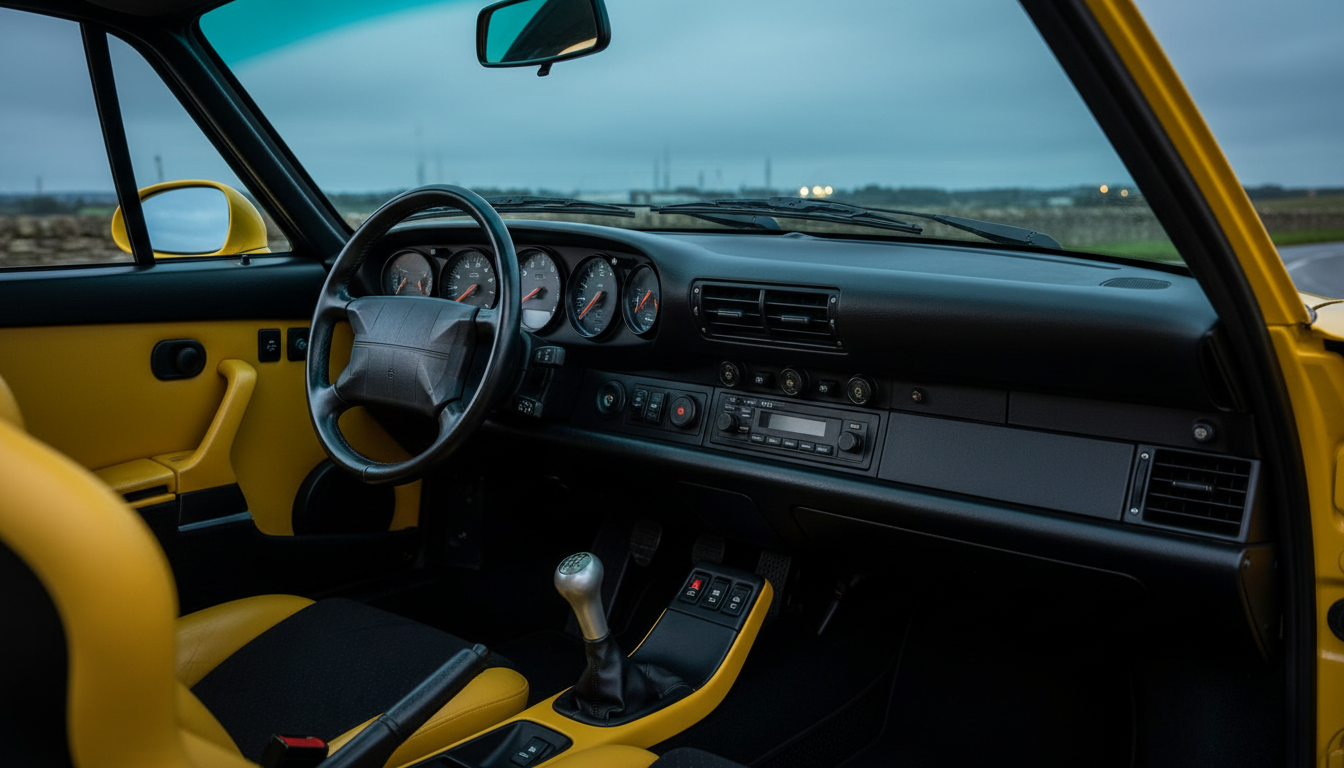
To drive the 993 RS is to recalibrate one’s senses. The clutch is firm, the six-speed manual gearbox precise and mechanical in its action. At low speeds, the car feels taut, almost impatient. The unassisted steering communicates every nuance of the road surface through the thin rim of the wheel, writhing gently in the hands. It is a constant, analogue stream of information. But it is when the road opens up that the car reveals its true nature. Pressing the throttle past 4,000 RPM, the engine note hardens, the clatter coalescing into a ferocious, iconic flat-six howl. The Varioram intake system engages, and the surge of acceleration is immediate, visceral, and utterly consuming. It is not the brutal, shocking force of a modern turbocharged supercar, but a linear, building wave of power that feels directly proportional to the movement of your right foot.
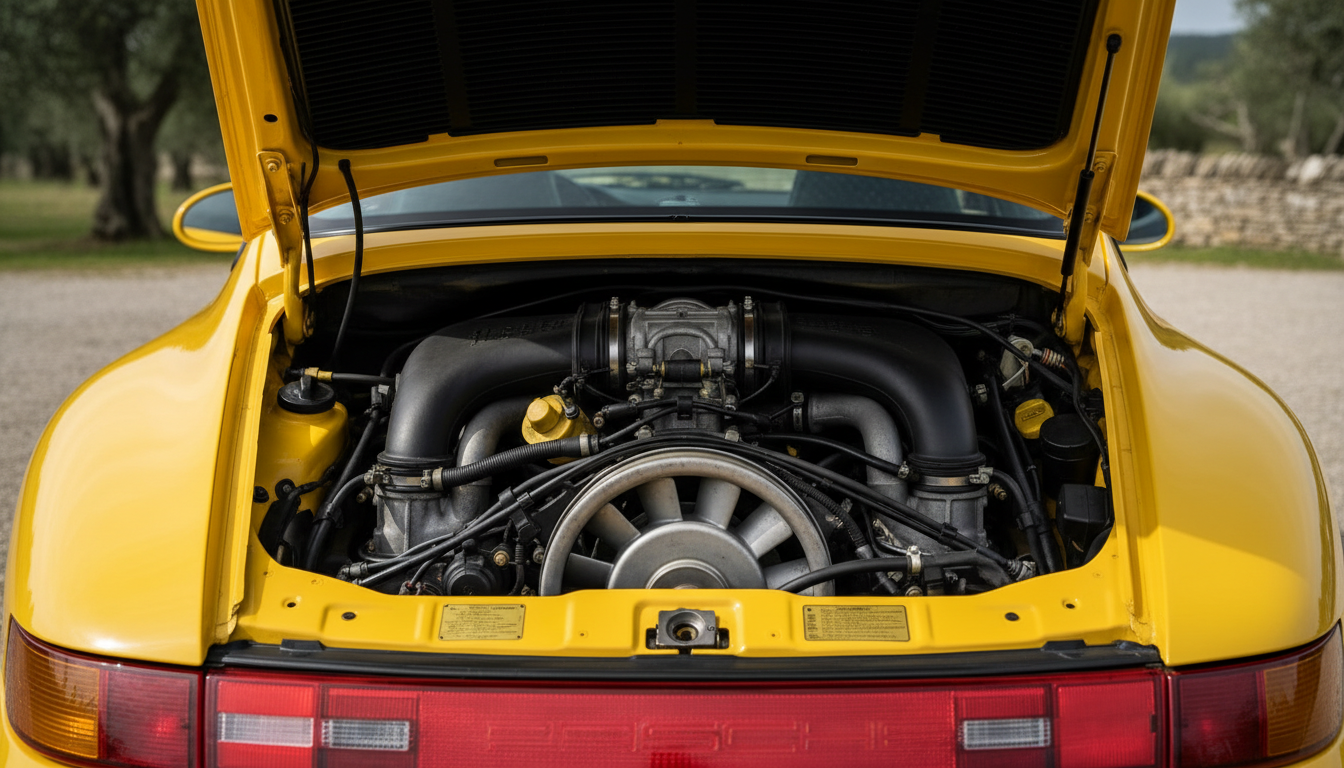
Through the winding B-roads of the Cotswolds, the car’s genius became apparent. The chassis is a masterpiece of balance. Turn-in is immediate, the front end darting towards the apex with an eagerness that belies the rear-engine layout. One can feel the weight transfer, sense the precise moment the rear tyres are loaded, and apply power with a confidence that is the hallmark of a truly great sports car. The brakes, borrowed from the 993 Turbo, are immense, shedding speed with tireless resolve. It is a demanding car, one that requires concentration and rewards commitment. Every gearshift, every turn of the wheel, every application of the throttle is a conscious act. It is a partnership.
As the afternoon light began to fade, casting long shadows across the fields, I pulled over. The engine ticked and cooled behind me, the air filled with the scent of hot metal and brakes. The 993 Carrera RS is more than just a fast car; it is a historical marker. It represents the zenith of a particular kind of engineering philosophy, a final, defiant statement from the air-cooled era before the smoother, quieter, water-cooled 996 arrived to change the character of the 911 forever. It is a machine built for the singular purpose of driving, a tool for connecting with the road in the most direct way possible. In an age of digital interfaces and driver aids, its analogue purity feels more vital, more essential, than ever.