The Gritti Palace: A Doge's Legacy on the Grand Canal
Once the private residence of a Doge, The Gritti Palace endures not merely as a hotel, but as the definitive Venetian salon. It offers a rare, intimate perspective on the life of the Grand Canal, a masterclass in civilized existence.
'''
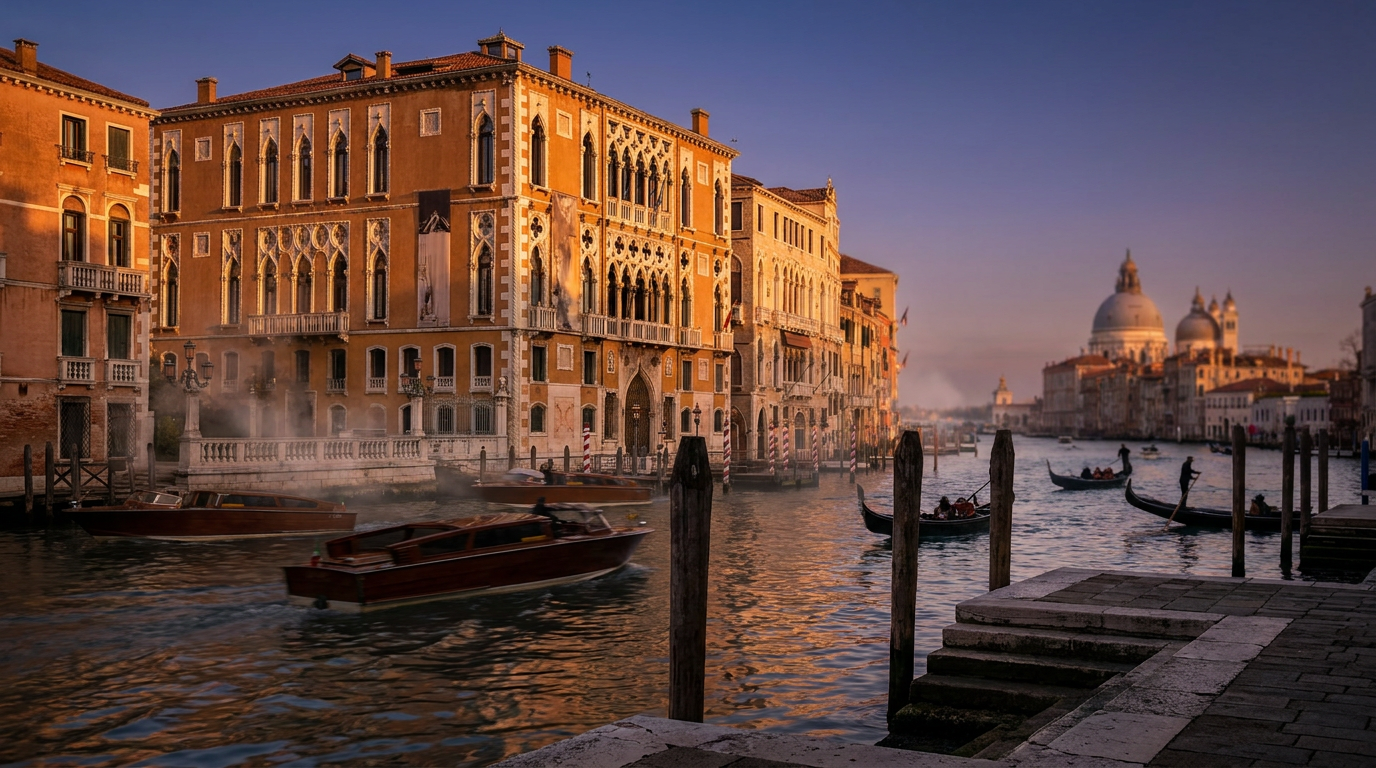
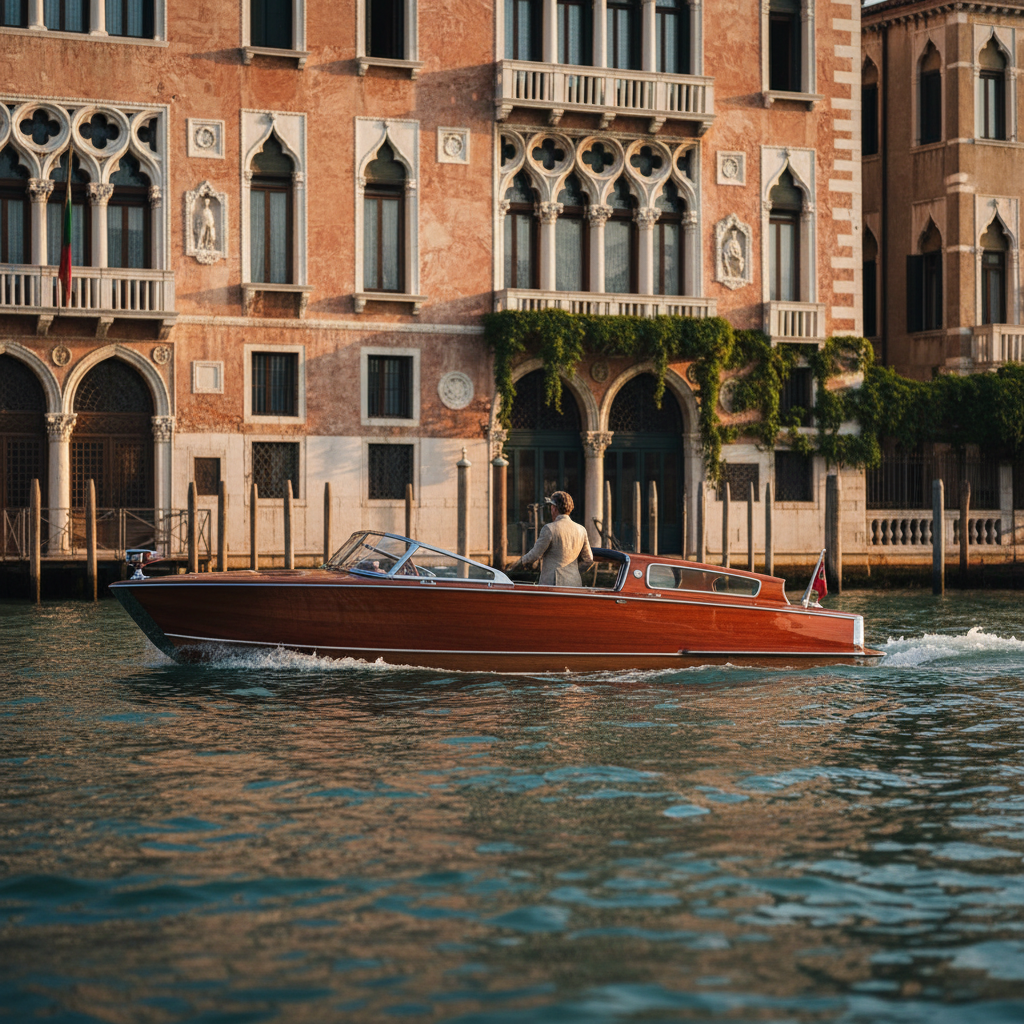
One arrives, as one must, by water. The approach to The Gritti Palace is a final, cinematic flourish at the end of a journey through the world’s most impossible city. As the water taxi slows, its polished mahogany hull nudging the hotel’s private jetty, the Gothic facade comes into focus. It is not the grandest on the canal, nor the most ornate, but it possesses a quiet, assured dignity. This was, after all, a home long before it was a hotel, and it retains the rarefied air of a private residence. To step from the boat onto its marble landing is to feel less like a guest checking in and more like a privileged visitor being welcomed back into the fold.
The building’s story begins in the 15th century as the home of the Pisani family, but its name and spirit belong to Andrea Gritti, the formidable Doge of Venice who made it his residence in 1525. The hotel that opened here centuries later, in 1895, inherited that legacy. It became a sanctuary for the likes of Hemingway, who found solace and inspiration here after the war, and Somerset Maugham, who declared that "there are few things in life more pleasant than to sit on the terrace of the Gritti when the sun about to set bathes in lovely colour the Salute." The palace has absorbed these stories, its walls holding the quiet echoes of conversations and contemplation.
A Residence of Note
There is a palpable sense of history here, but it is not the stuff of museums. It is a lived-in history, a continuity of purpose. The concierge, whose memory for names and preferences is a quiet marvel, orchestrates arrivals and departures with the seamless grace of a theatrical director. The lobby is not a lobby but a grand hall, where the scent of fresh flowers mingles with the faint, pleasing aroma of polished wood and old stone. One is escorted not to a room, but to a personal quarter, and the journey up in the small, wood-panelled lift feels like an ascent into a more private, rarefied world.
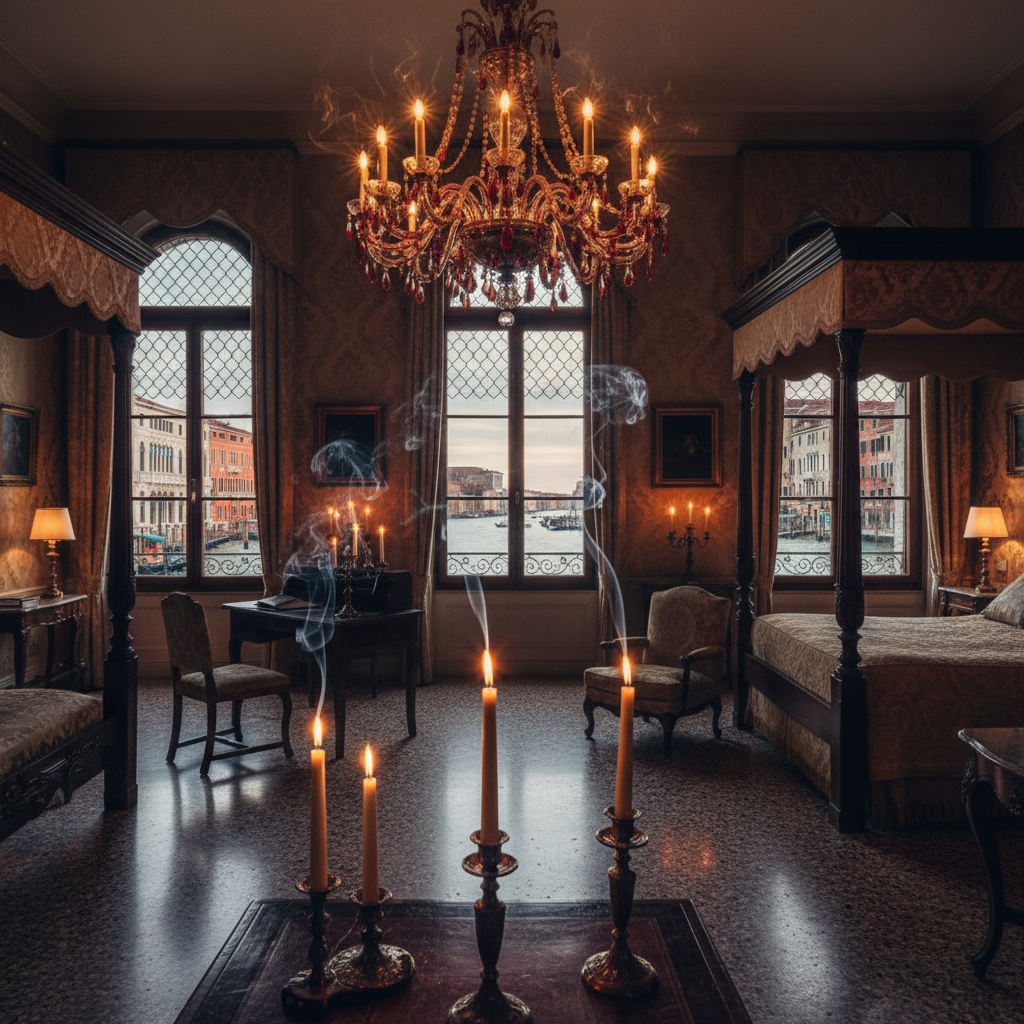
My suite, a corner perch on the piano nobile, looked directly across the water to the dome of Santa Maria della Salute. The view is, without exaggeration, one of the great privileges of travel. The room itself was a study in Venetian classicism—original terrazzo floors, cool underfoot; walls hung with Rubelli silks; and a magnificent Murano glass chandelier that cast a warm, dappled light as evening fell. It was a space that invited stillness. I spent the better part of an hour simply sitting in an armchair by the window, watching the light change on the water and the ceaseless, elegant ballet of gondolas and vaporettos navigating the canal below.
The Epicurean School
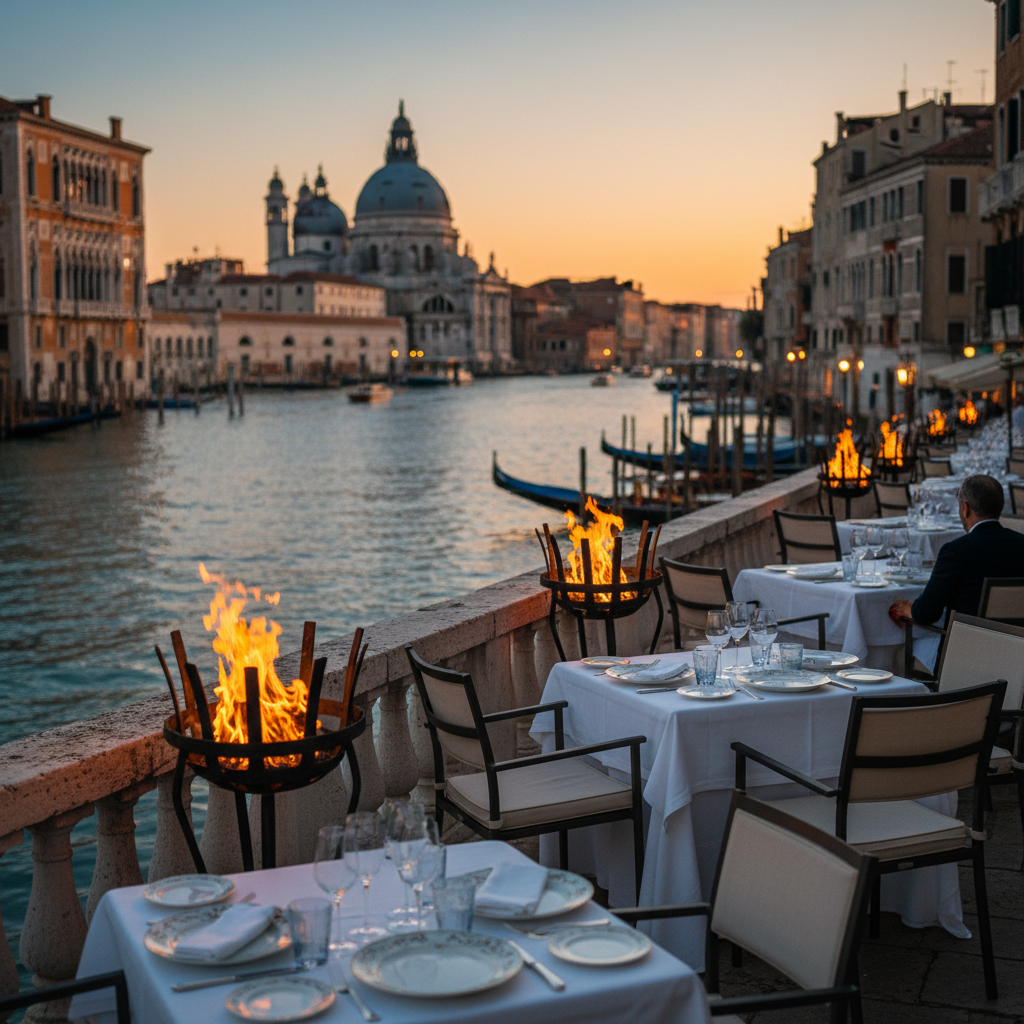
Dining at the Gritti is an extension of this immersive experience. The famed terrace of the Club del Doge restaurant is, as Maugham noted, a front-row seat to the life of the city. I took dinner there as dusk settled, the lights of the palazzi opposite beginning to twinkle on the water. The menu is a confident celebration of Venetian produce—delicate soft-shell crabs from the lagoon, tender artichokes from Sant'Erasmo—prepared with a light, modern touch. Each course was a testament to the region, served on custom Ginori porcelain that echoed the hotel’s aesthetic. The gentle lapping of the canal against the pylons below provided a constant, soothing soundtrack.
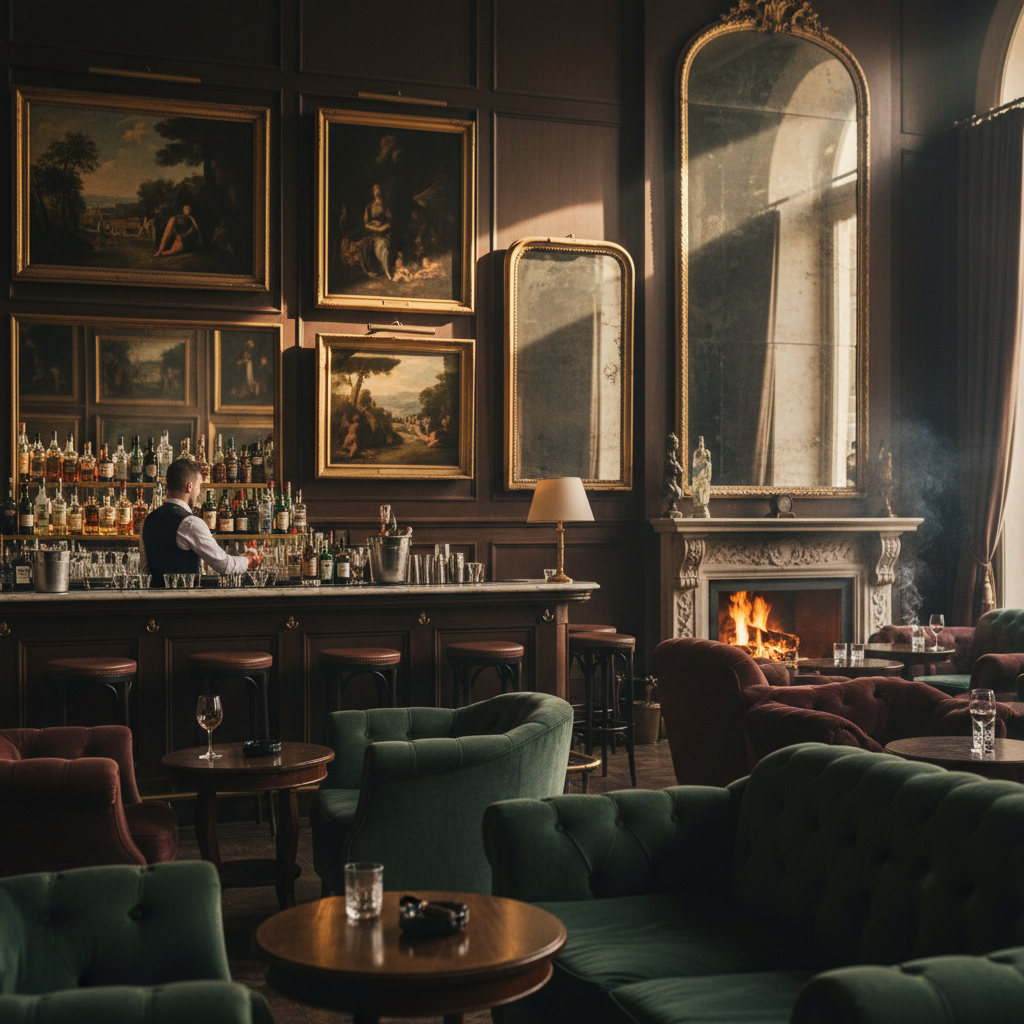
Before dinner, an essential ritual is a visit to the Bar Longhi. It is an intimate, jewel-box of a room, lined with paintings by the 18th-century master Pietro Longhi, from whom it takes its name. The atmosphere is one of a private club. Settling into a velvet armchair with the house Bellini—a perfect concoction of white peach purée and Prosecco, served in a chilled flute—is to participate in a tradition that feels both timeless and utterly civilized. It is a place for quiet conversation, for reading a chapter of a book, for simply observing the warm glow reflected in the room’s antique mirrors.
An Anchor in the Floating City
More than a hotel, the Gritti serves as an anchor. It is a point of stillness in a city that can often feel overwhelming. From its jetty, the hotel’s own Riva speedboat, ‘Il Doge,’ is available for private excursions, offering a perspective on the lagoon and its islands that few visitors ever see. A morning trip out to Murano to visit a private glass furnace, or to Burano to witness its riot of coloured houses, concludes with a return to the calm embrace of the hotel, greeted by name and offered a cool drink. This is the essence of its service: anticipatory, discreet, and deeply personal.
Leaving the Gritti Palace is, in its own way, as memorable as the arrival. The water taxi pulls away from the jetty, and the facade recedes, taking its place once more in the grand panorama of the canal. One looks back at it not as a hotel, but as a place of profound character and quiet grace. It does not shout for attention; it does not need to. For those who appreciate the enduring value of history, craftsmanship, and a deeply felt sense of place, the Gritti remains not just a Venetian landmark, but a benchmark for civilized travel itself.
'''