Arpège: A Parisian Ode to the Garden
Alain Passard’s three-star temple to vegetables on the Rue de Varenne demonstrates that the highest form of culinary art lies not in addition, but in sublime, reverent subtraction.
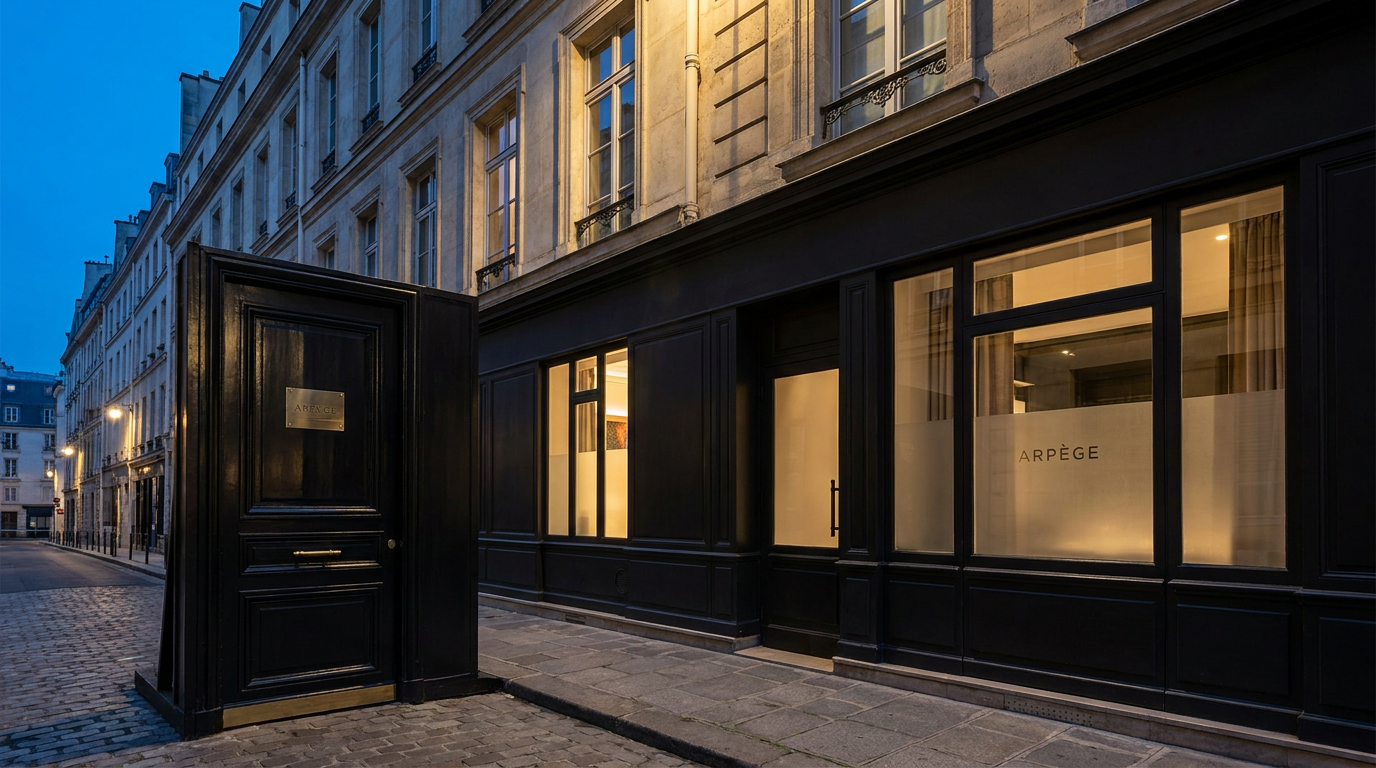
It was on a mild evening in late May that I found myself once again on the Rue de Varenne. The light in Paris at that time of year has a particular softness, and it bathed the quiet 7th arrondissement in a placid glow. The destination, as it has been on a few memorable occasions, was Arpège. Its lacquered black door and polished brass plaque are a study in understatement, offering little hint of the theatre of nature that unfolds within.
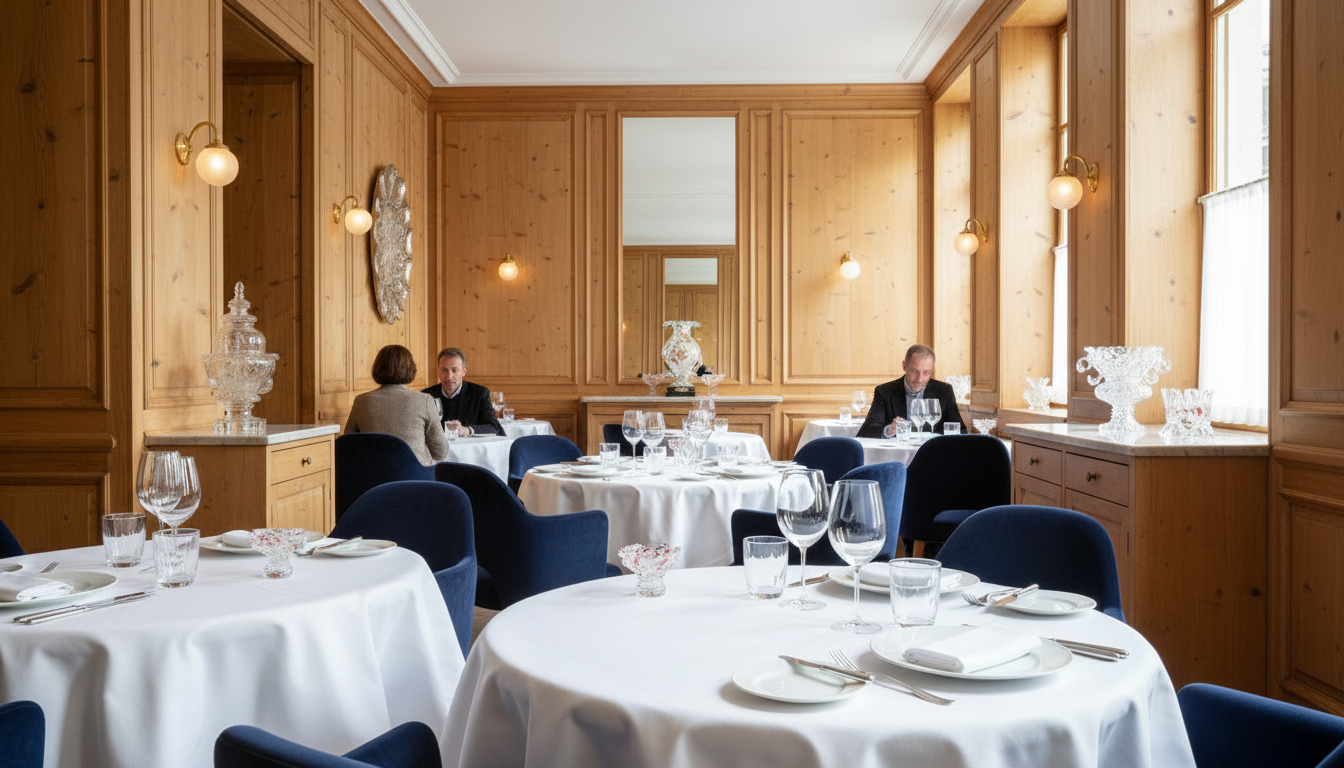
There is a certain weightlessness to the room, a feeling of being suspended in a serene, pearlescent space. The walls are panelled in warm pearwood, the tables dressed in immaculate white linen, and the occasional Lalique glass motif catches the light. It is a room that hums with a quiet, confident energy, the service a silent ballet of anticipation and precision. It feels less like a restaurant and more like the dining room of a discerning private collector—in this case, a collector of flavours.
The Gardener-in-Chief
To understand Arpège is to understand Alain Passard. Having taken the reins from his mentor, Alain Senderens, at what was then L'Archestrate in 1986, he quickly earned three Michelin stars. But the pivotal moment came in 2001, when Passard, a master rôtisseur, announced he was removing red meat from his menu to devote himself almost entirely to vegetables. It was a decision that sent ripples through the gastronomic world. He established his own biodynamic gardens—at Fillé-sur-Sarthe, Le Bois Giroult, and the Baie du Mont Saint-Michel—and in doing so, vertically integrated his art. The menu is not merely inspired by the seasons; it is a direct transcript of the day’s harvest, delivered from the gardens to the kitchen each morning.
A Symphony of the Soil
The meal began, as it often does, with the signature ‘chaud-froid’ egg. An eggshell cradles a warm, lightly-set yolk, topped with a cool dollop of crème fraîche, four spices, and a drizzle of sherry vinegar and maple syrup. The spoon breaks through the distinct temperature layers, delivering a composition that is at once simple and profoundly complex. It is Passard’s overture, a promise of the alchemy to come.
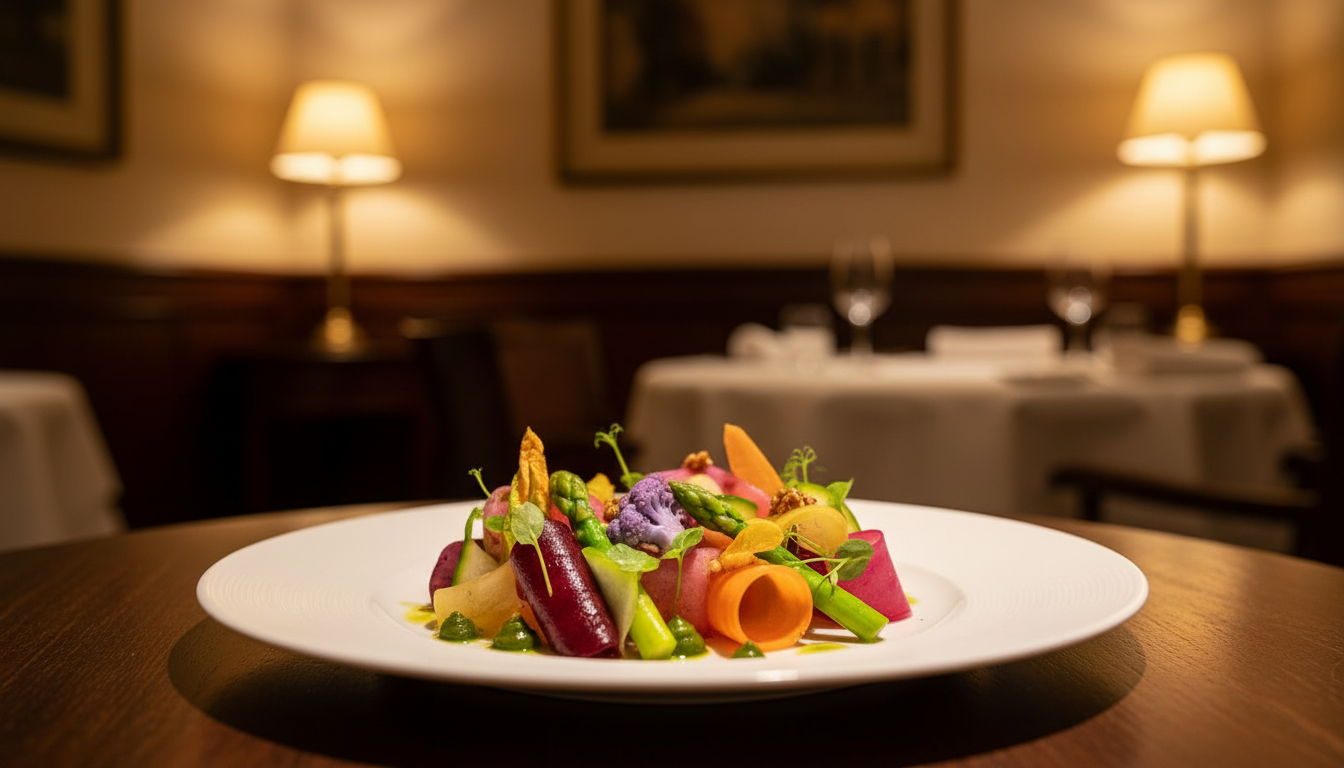
What followed was a procession of dishes that celebrated the earth. A delicate mosaic of multi-coloured vegetable ravioli, each parcel a tiny vessel of distinct flavour—pea, carrot, turnip—in a light consommé. Then came white asparagus from the Sarthe, simply steamed and served with a whisper of a mousseline sauce. There was no trickery, no foam, no conceptual flourish. The artistry was in the ingredient itself, coaxed to its most perfect expression. It is a cuisine of confidence, one that knows the power of a perfectly grown vegetable, harvested at its peak.
The Persistence of Flame
While the garden remains the star, Passard’s original calling as a master of flame has not been entirely abandoned. He has, in recent years, allowed the highest quality poultry and seafood back onto the menu, treating them with the same reverence as a humble carrot. A Breton lobster, presented to the table in its regal blue shell before being returned to the kitchen, was roasted with smoked paprika and served with a purée of yellow wine from the Jura. The sweetness of the flesh, the faint smokiness, the acidic tang of the wine—it was a reminder that Passard’s genius lies not in a dogmatic adherence to one ingredient, but in his intuitive understanding of harmony.
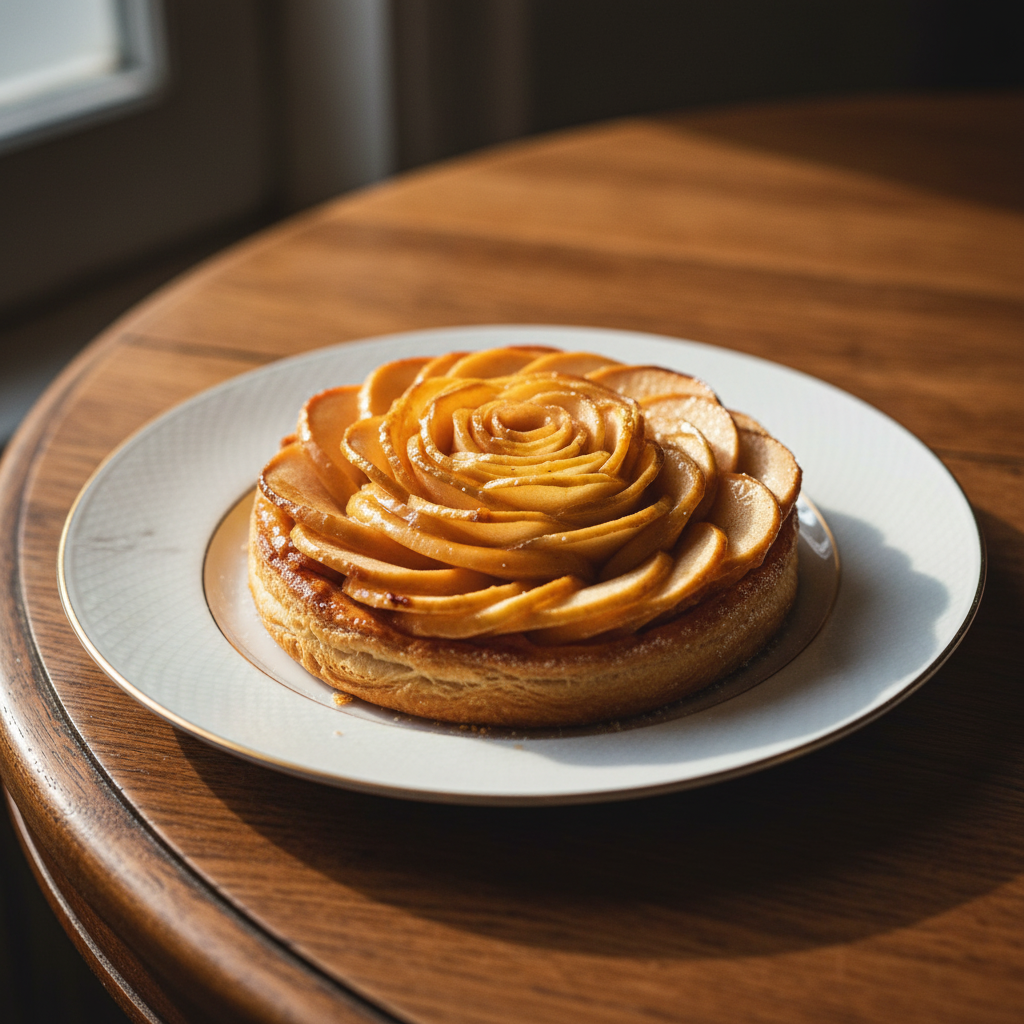
And then, the conclusion: the iconic apple rose tart. Thin ribbons of apple are meticulously arranged to form a perfect bloom, caramelised and impossibly crisp, sitting atop a fine puff pastry. It is as much a work of sculpture as it is a dessert, a final testament to the beauty that can be found in patience and precision. It arrived at the table fragrant with butter and caramelised fruit, a perfect endnote.
Leaving Arpège and stepping back onto the now-darkened Rue de Varenne, the experience settles not as a memory of extravagance, but of clarity. In an age of culinary theatrics, Passard’s work is a quiet, powerful statement. It is a reminder that the most profound luxury is not rarity or expense, but purity. It is the taste of the soil, the sun, and the rain, presented with the respect and artistry of a modern master.