The Aston Martin DB5: A Study in Civilised Force
More than a cinematic footnote, the DB5 remains one of the most accomplished grand tourers ever to emerge from Newport Pagnell. A recent drive through the Cotswolds in the lengthening days of early summer served as a potent reminder of its enduring grace.
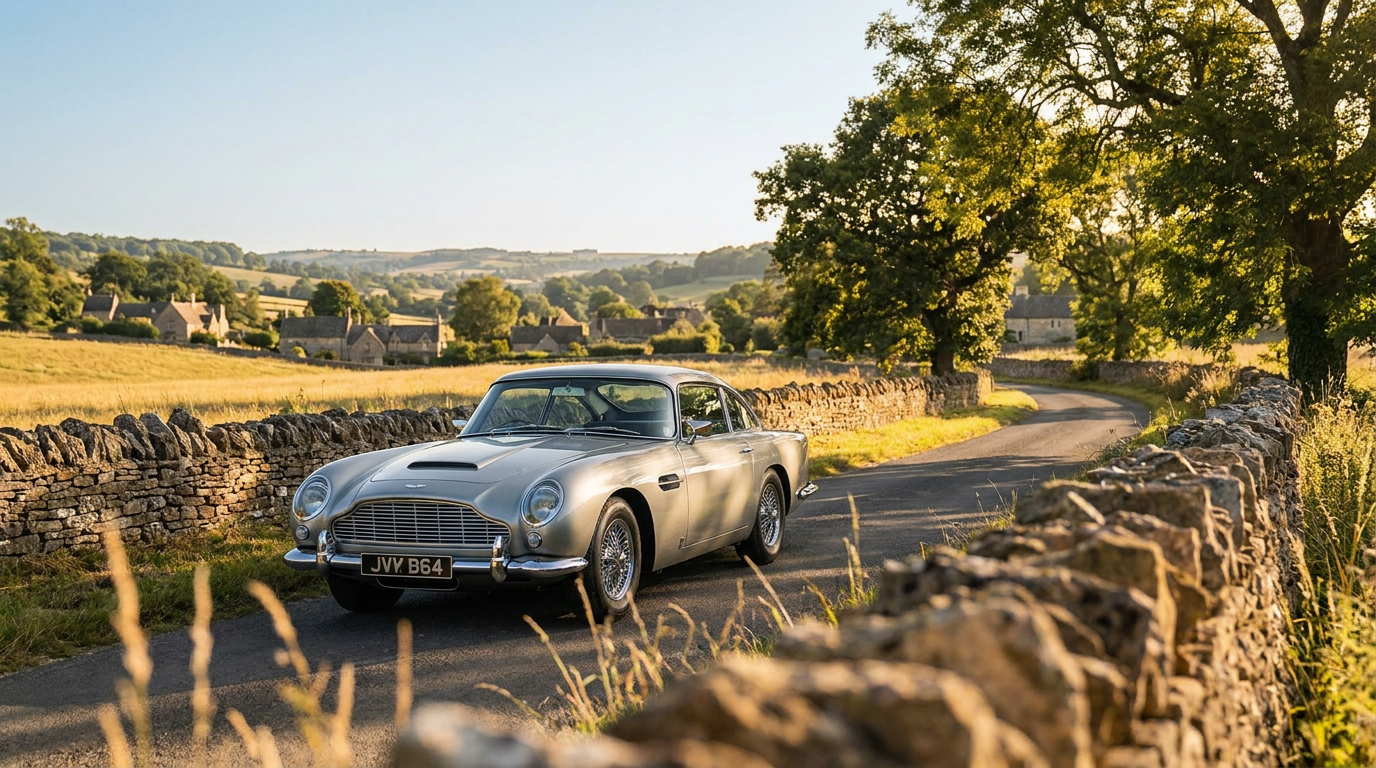
It is a rare object that feels both smaller and more substantial than you expect. The key to the 1964 Aston Martin DB5 that sat cooling in the gravel drive was a simple, unadorned sliver of metal, yet it felt heavy with provenance. The car itself, rendered in the iconic shade of Silver Birch, seemed to shrink under the vast Cotswold sky, its famously elegant lines more compact and purposeful in the metal than in memory. I had arranged the loan of the car for the day, a brief reunion with an old acquaintance, and the early June morning promised clear skies and open roads.
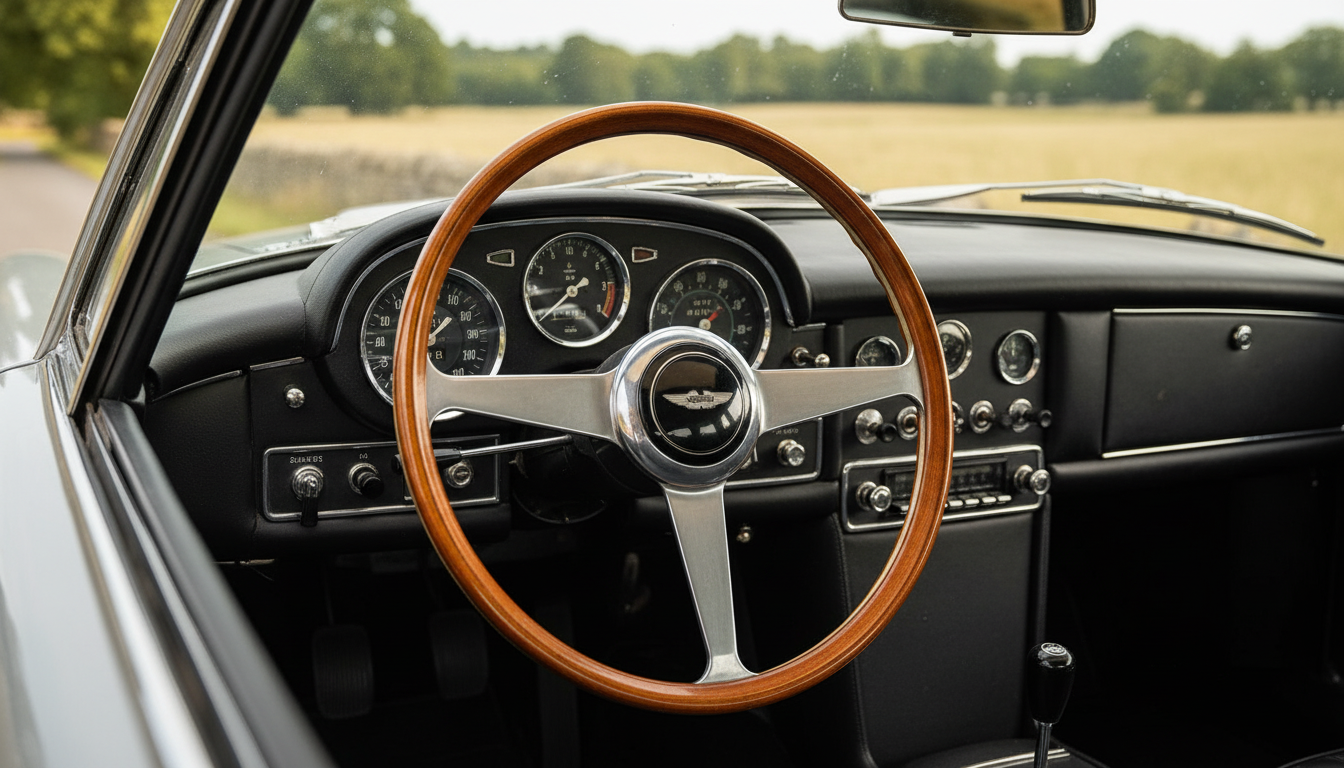
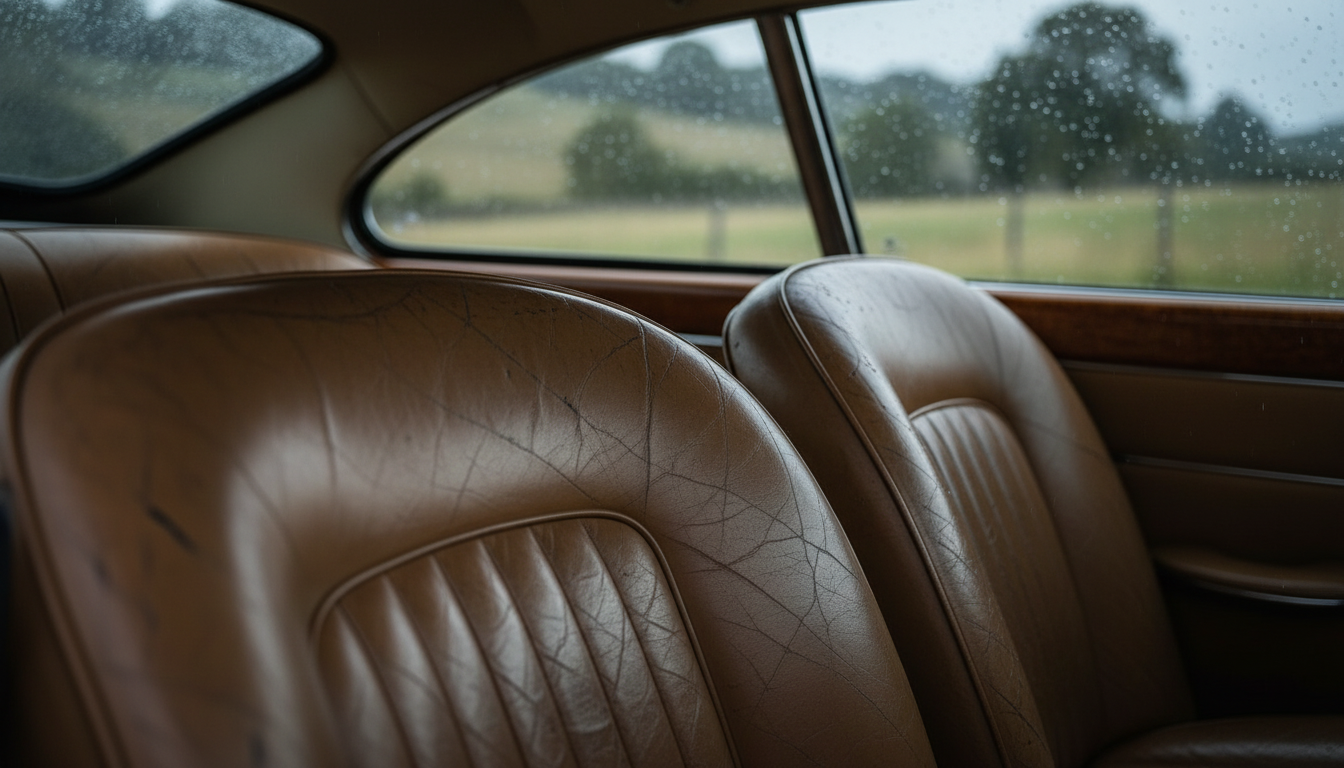
The door opens with a satisfying mechanical click, revealing an interior that is a world unto itself. The scent is the first thing to greet you: a complex perfume of Connolly leather, warm oil, and wool carpeting that no modern car can replicate. One settles not in the seat, but into it. The thin-rimmed wooden steering wheel feels delicate, almost fragile, a conduit to the road rather than an insulator from it. The dashboard is a constellation of Smiths dials, each with its own story to tell, their chrome bezels glinting in the morning light. There is a seriousness to the cockpit, a sense of occasion that transcends mere transportation.
The Touring Legacy
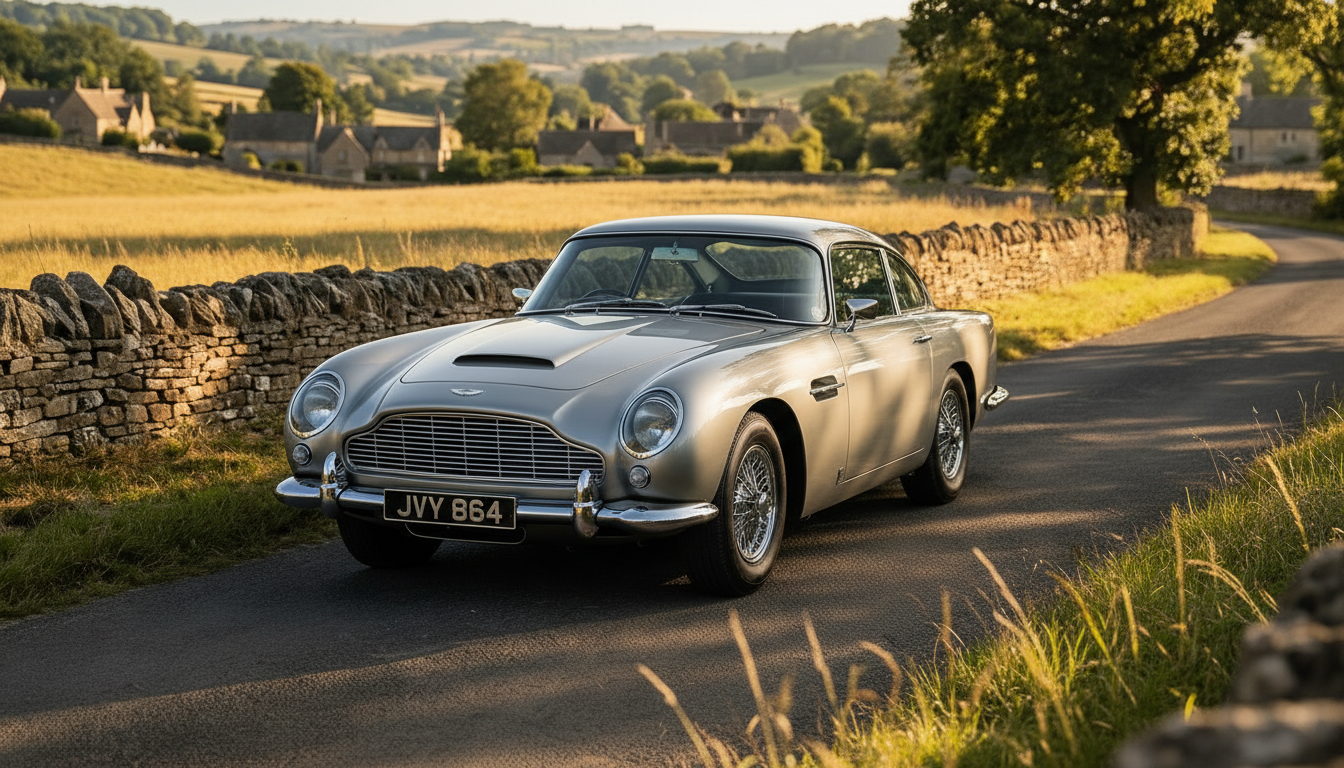
To understand the DB5 is to understand its parentage. It was not a revolution, but a masterful evolution of the DB4 that preceded it. The foundational genius of the car lies in its construction — the Superleggera method patented by Carrozzeria Touring of Milan. This technique, involving a framework of small-diameter steel tubes covered by a lightweight aluminium skin, endowed the car with a rigidity and lightness that its body-on-frame contemporaries could not match. The result is a form of exquisite proportion, a fastback coupé that is at once muscular and graceful. Pulling away from the hotel, the initial heft of the unassisted steering gives way to a surprising delicacy once in motion. On the narrow lanes that snake between dry-stone walls, the car feels remarkably nimble, its dimensions easy to place. It flows with the road, a testament to a design philosophy that valued driver engagement above all else.
A Civilised Heart
The soul of any Aston Martin is its engine, and the DB5’s is a masterpiece of the era. The legendary Tadek Marek-designed straight-six, enlarged from 3.7 to 4.0 litres for this model, is the source of the car’s dual personality. Around town, it is tractable and well-mannered, burbling with a deep, resonant baritone. But find a stretch of open road, as I did on the old Fosse Way, and its character changes entirely. Pressing the accelerator summons a different animal. The gentle burble hardens into a purposeful, metallic roar as the revs climb. The triple SU carburettors gulp air, and the car surges forward with a force that still feels impressive six decades on. It is not the savage, instantaneous punch of a modern supercar, but a swelling, linear wave of torque that feels inexorable. The five-speed ZF gearbox requires a firm, deliberate hand, each shift a satisfying mechanical engagement. This is a car that demands to be driven, not merely operated.
The Weight of Expectation
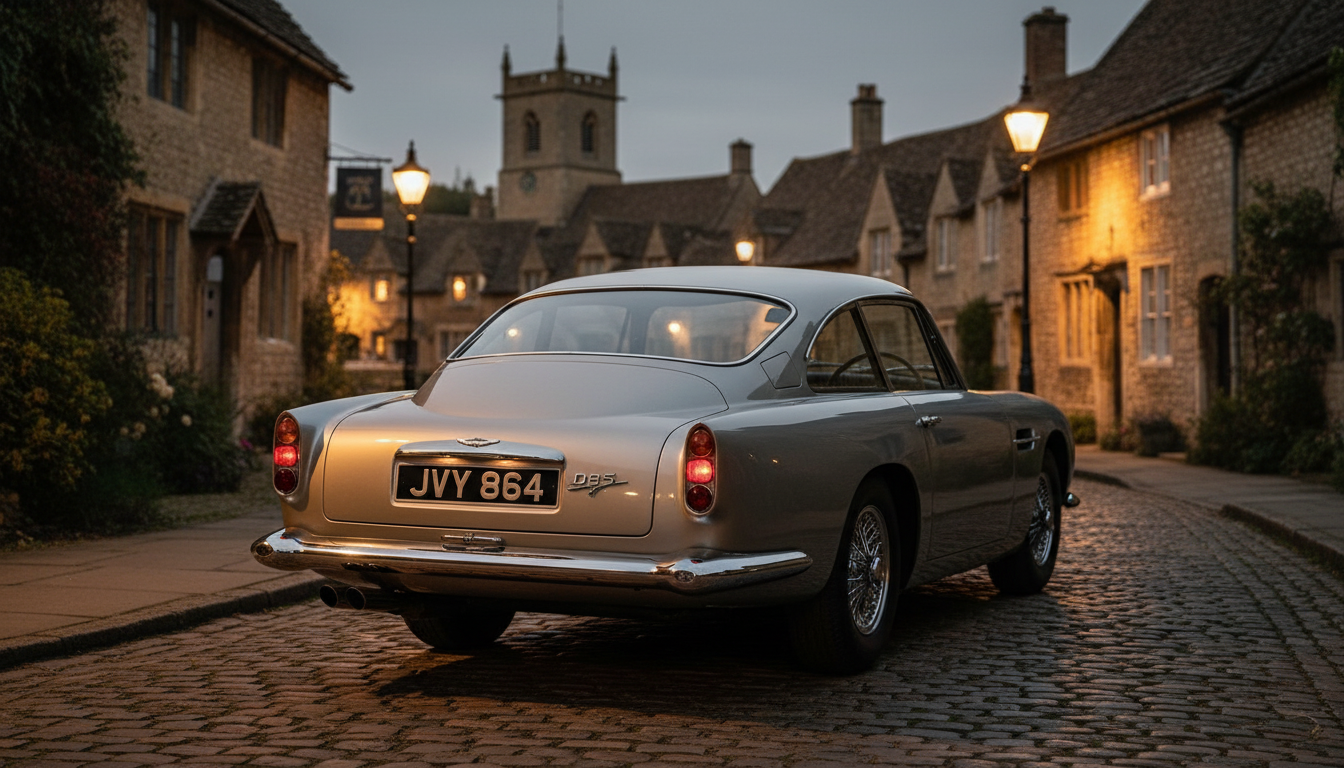
One cannot, of course, discuss the DB5 without acknowledging the long shadow cast by a certain Commander Bond. The association is both a blessing and a curse, cementing its place in the cultural firmament while occasionally obscuring the car’s intrinsic merits. To dismiss it as a piece of cinematic memorabilia is to do it a profound disservice. Long before it was fitted with ejector seats and machine guns, the DB5 was conceived as the definitive gentleman’s express — a machine for crossing continents at speed and in style. As I paused in the village of Bibury, watching the afternoon light play across its Touring-sculpted flanks, it drew quiet, appreciative glances rather than overt fanfare. It possesses a dignity that transcends its on-screen fame, a quality that speaks to the integrity of its design and the spirit of the age that produced it.
An Analogue Experience
Returning the car as dusk began to settle, the sky bruised with the colours of a late English sunset, was a moment of quiet reflection. To drive a DB5 in the year 2026 is to engage in a form of time travel. There are no electronic aids, no layers of digital insulation between driver and machine. Every input is direct, every response unfiltered. It requires concentration, a degree of mechanical sympathy, and a willingness to engage with the process of driving in a way that has become almost entirely optional. The reward for this effort is an experience of profound depth and texture. As I handed back the key, the warmth of the engine block and the ticking of cooling metal were a final, tactile reminder of the living, breathing machine I had just piloted. The DB5 is more than just a beautiful object; it is a rolling definition of character, a masterpiece of civilised force that continues to captivate not for what it represents, but for what it is.