The Davidoff Signature No. 2: A Study in Understated Grace
In an era that often prizes strength above all, this classic Panetela is a welcome reminder of a different virtue. It speaks not in a roar but in a confident, measured tone of pure Dominican elegance.
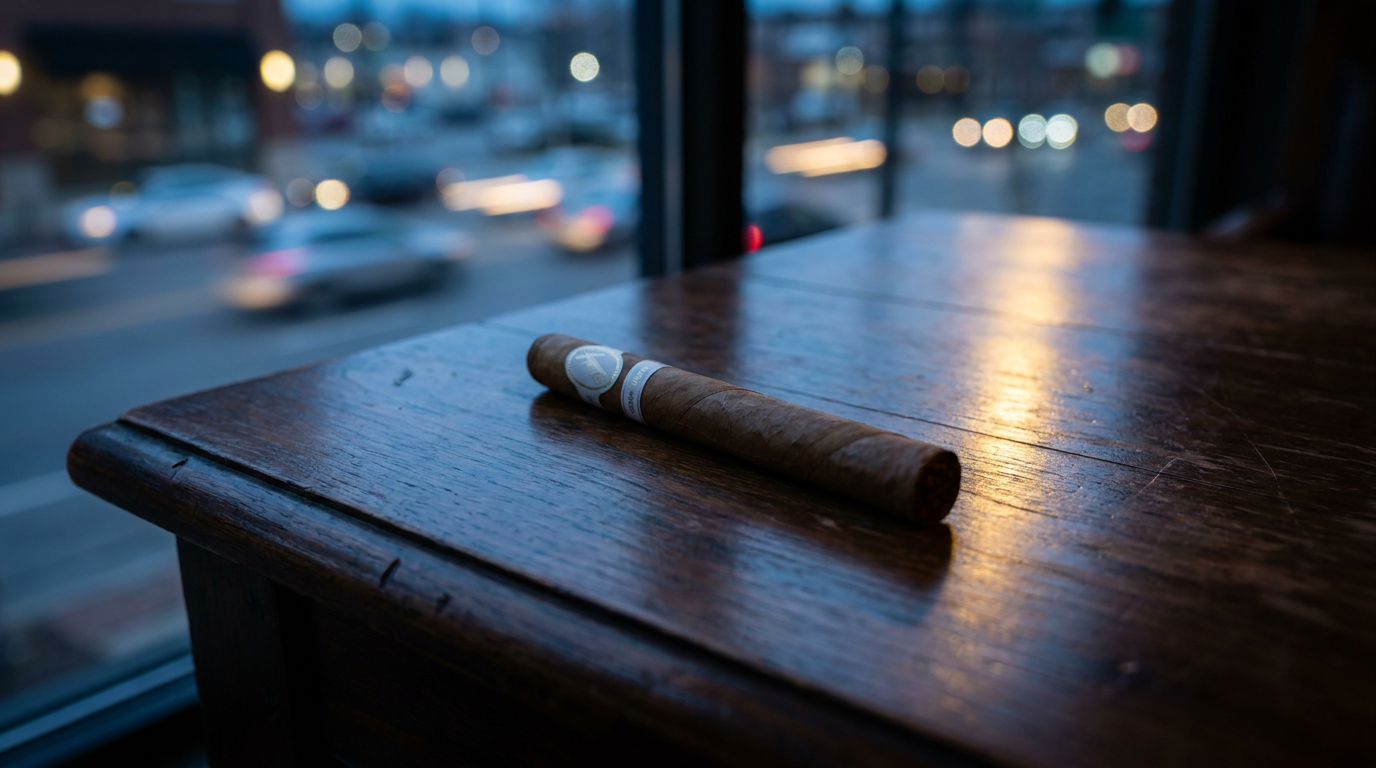
It was a mild London evening earlier this month, the sort that follows a day of unexpected sun. After a robust dinner in Mayfair, the mood called for a digestive, but not for another challenge. The palate, having been amply engaged, required not a confrontation but a conversation. At the humidor of a familiar terrace, my eyes passed over the rows of powerful, dark-wrapped vitolas to settle on an old friend: the slender, almost delicate form of the Davidoff Signature No. 2.
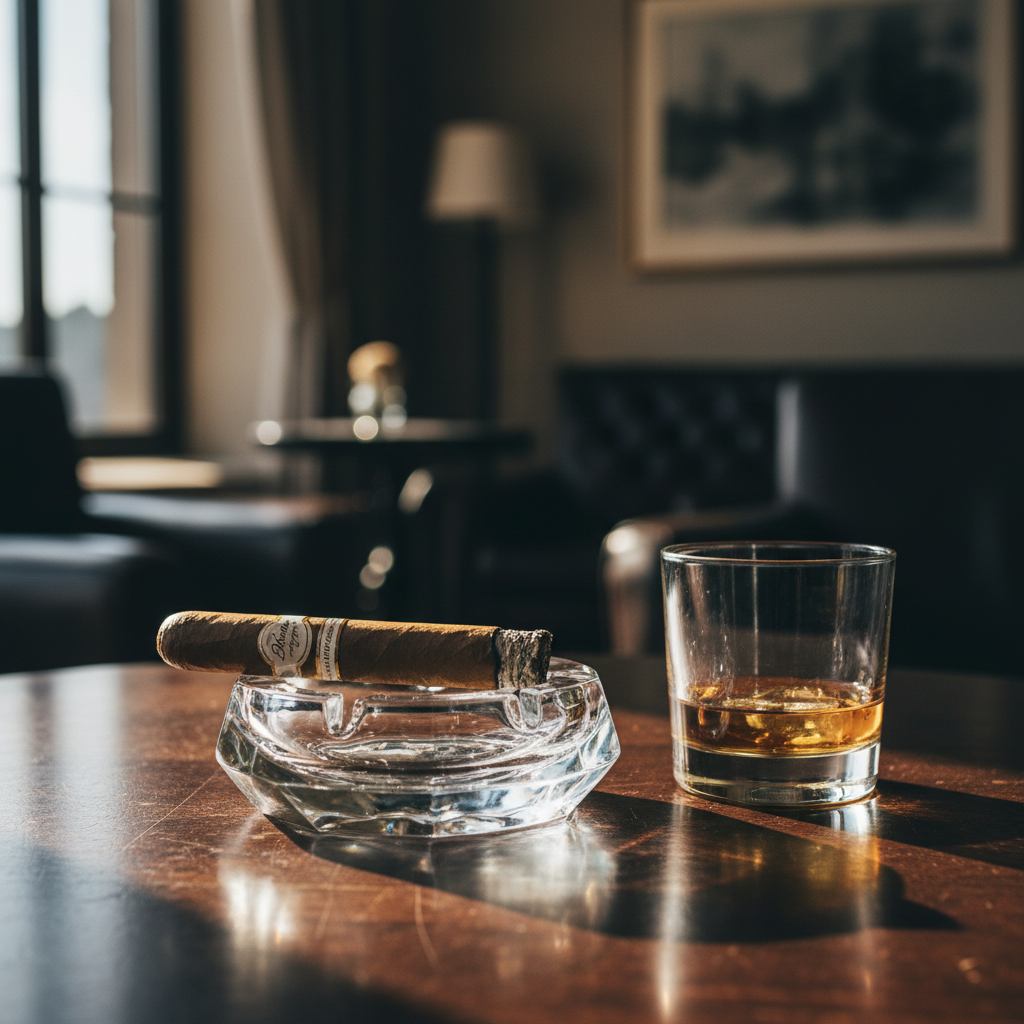
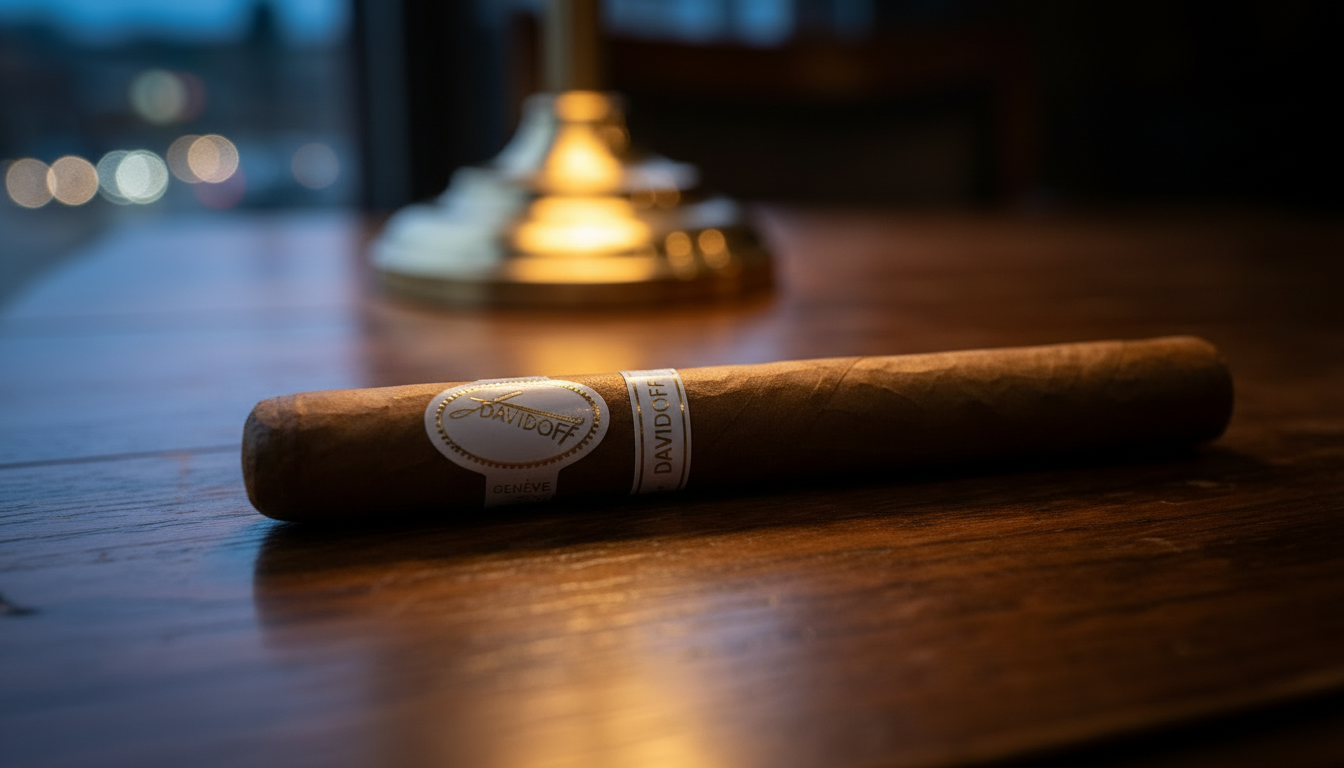
In a world of ever-thicker ring gauges and ever-stronger tobaccos, the Panetela format feels like a dispatch from a more graceful era. Clad in a flawless, café-au-lait Connecticut Shade wrapper grown under the consistent cloud cover of Ecuador, the cigar feels light but balanced in the hand. The simple, elegant white band, bearing the name that Zino Davidoff made famous, is a mark of quiet confidence. There is nothing to prove here. The work, as it were, is already done.
The Ritual of the Light
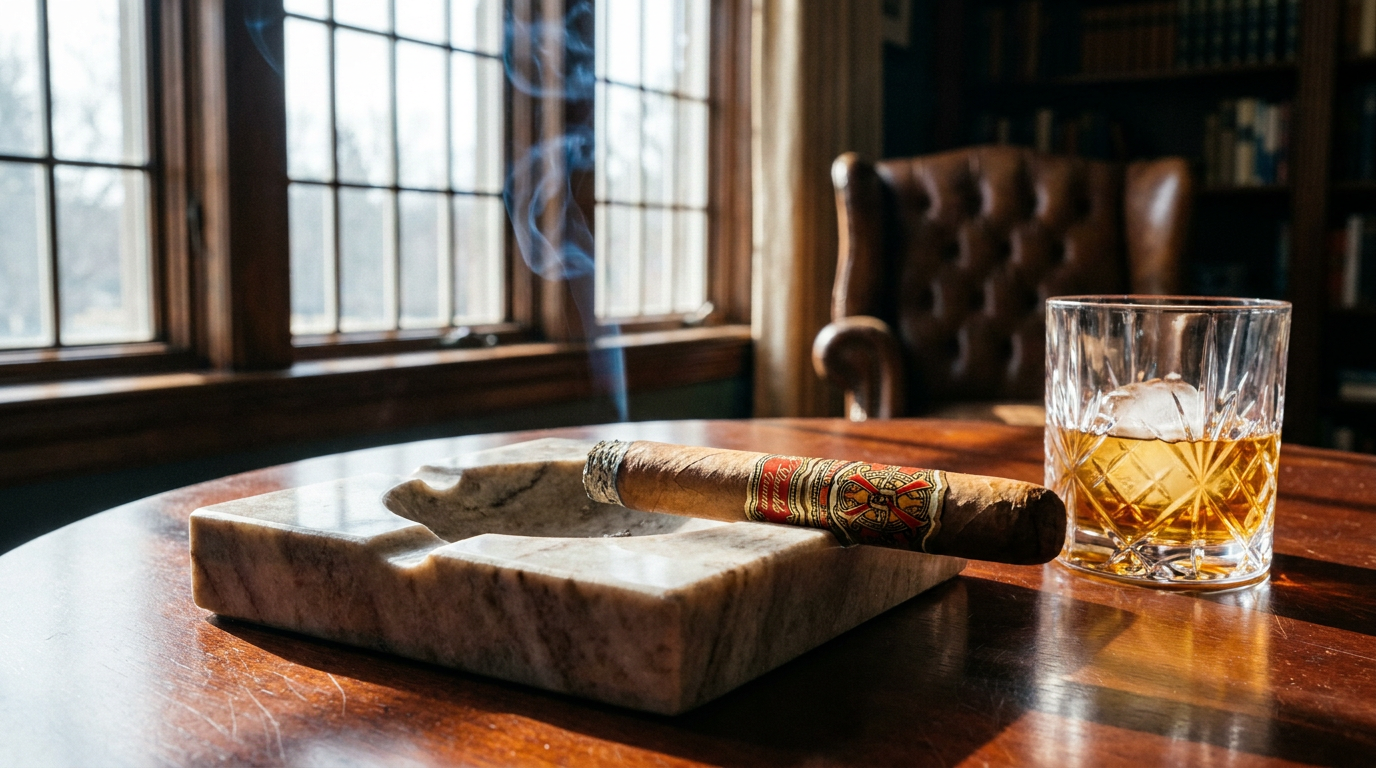
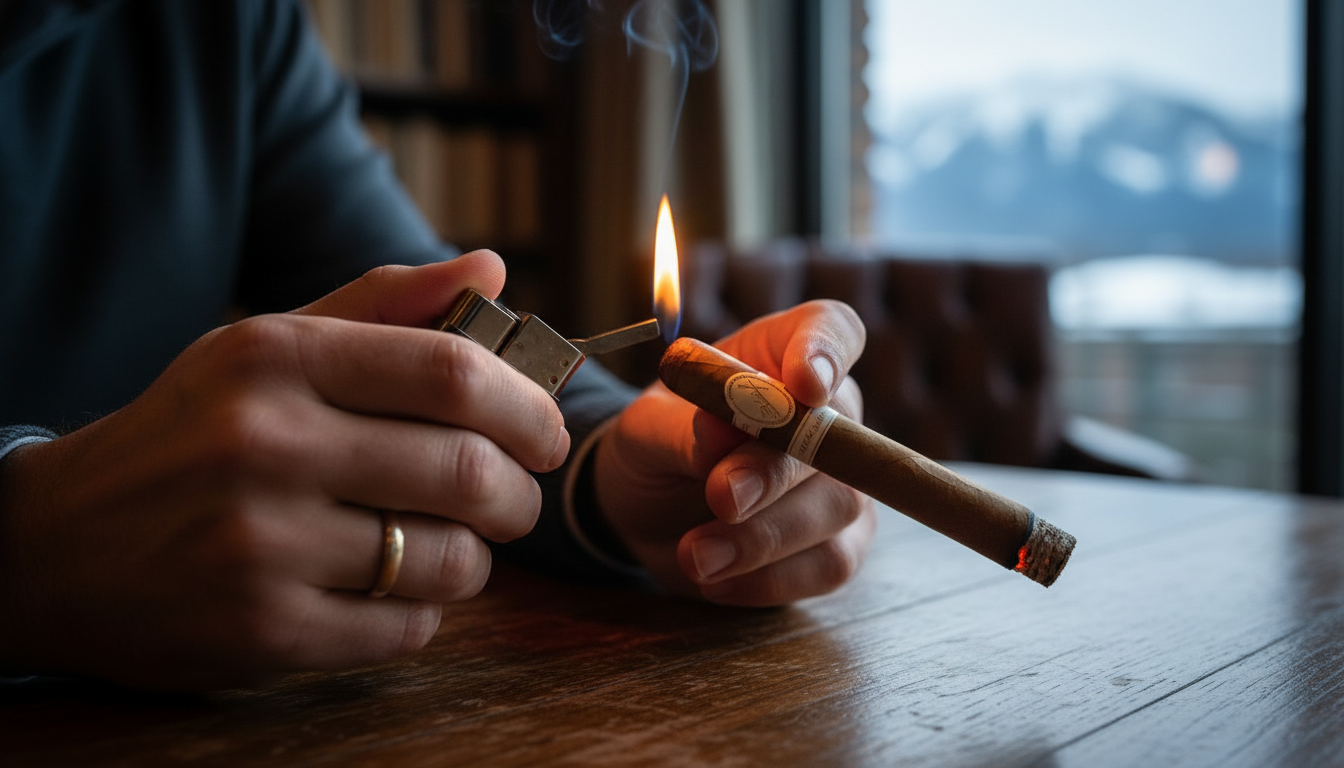
A straight cut is all that is required. The cold draw is clean, offering the faintest hints of hay, cedar, and cream — the calling cards of its Dominican filler and binder tobaccos. Bringing a soft flame to the foot, I took my time, toasting the edges until they glowed evenly before taking the first draw. The initial smoke is exceptionally smooth, almost ethereal. There is no pepper blast, no aggressive spice, but rather a gentle unfolding of toasted almonds, cedar, and a subtle, milky coffee. It is the opposite of an assault on the senses; it is an invitation.
A Dominican Renaissance
One cannot appreciate this cigar without recalling its history. This is the spiritual descendant of the original Davidoff No. 2 born in Cuba in 1968, a favourite of Zino’s. When the relationship with Cubatabaco soured, leading to that legendary moment in 1989 when Zino publicly burned thousands of his own Cuban-made cigars, the brand’s future seemed uncertain. Yet, the move to the Dominican Republic in 1991 was not an end but a renaissance. Under the guidance of Hendrik "Henke" Kelner, the brand was reborn, refining a signature style of complexity and elegance that has, in many ways, surpassed its Cuban origins. The Signature line is the purest expression of that identity.
The Arc of Flavour
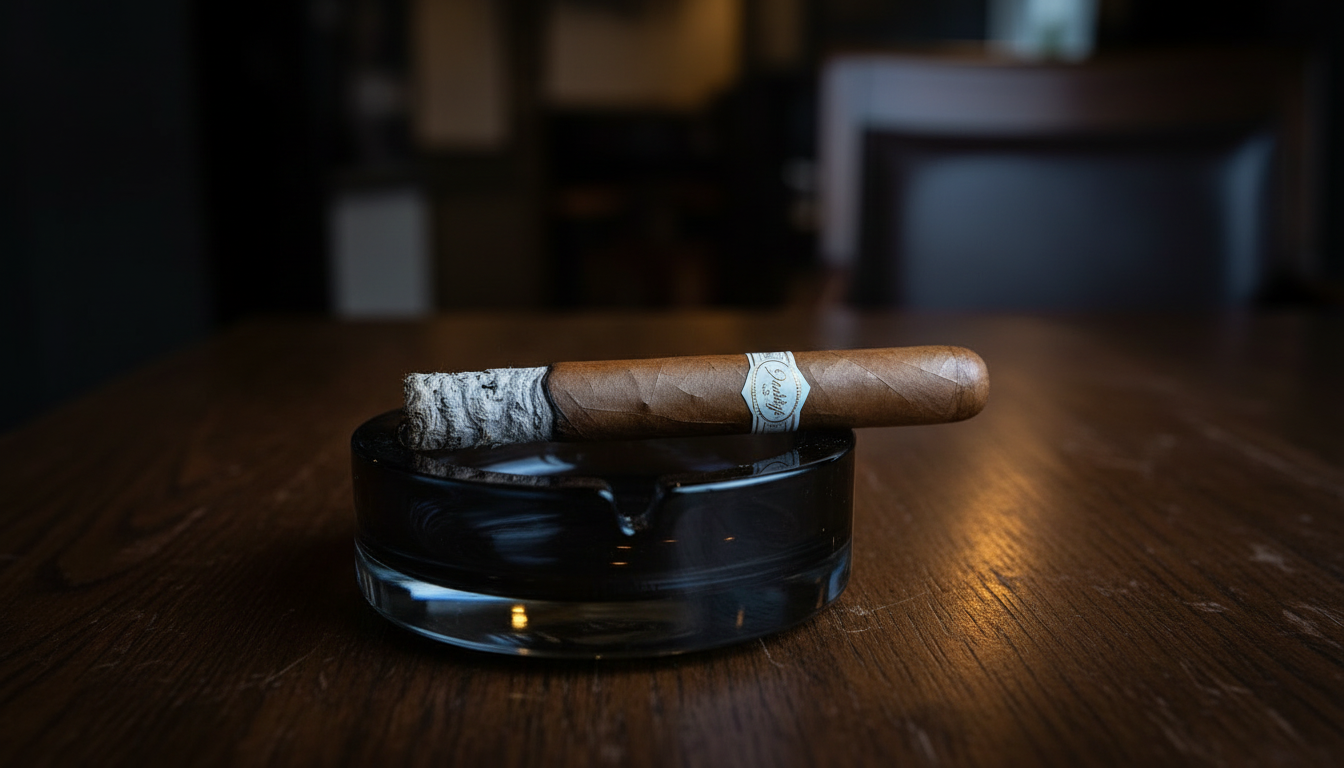
Through the first third, the construction is, as expected, immaculate. The burn is razor-sharp, leaving behind a firm, stacked ash of the purest white. The experience is one of remarkable consistency. As the smoke progresses into its second act, the flavours deepen, but only just. The initial creaminess remains the foundation, but a more pronounced note of white oak emerges, alongside a subtle earthiness that grounds the blend. It never demands attention, but rewards it, revealing layers of complexity to the contemplative smoker. There is a quiet confidence here, a sense of total control in the blending and rolling.
A Civilised Conclusion
Unlike its more formidable cousins from across the Caribbean, the Davidoff No. 2 does not build to a powerful crescendo. The final third sees the introduction of a soft leather note and a whisper of white pepper on the retrohale, but the defining characteristic remains its extraordinary smoothness. It is a cigar that pairs beautifully with a glass of Champagne, a crisp Sancerre, or a light, unpeated Speyside malt — anything that will not bully its delicate flavour profile. It is, in essence, a civilised smoke for a civilised moment. It does not dominate the conversation; it elevates it. As the final inch approached, the smoke remaining cool and flavourful, it served as a potent reminder that in cigars, as in life, true character is often found not in the shout, but in the whisper.