The Arturo Fuente Opus X: A Study in Dominican Power
A testament to the vision of the Fuente family, the Opus X is a cigar that redefined the possibilities of Dominican tobacco, a puro born of a stubborn determination to cultivate wrapper leaf in soil once thought unsuitable. It remains a benchmark of power and complexity.
'''It is a rare thing for a cigar to create its own legend. Most borrow from the provenance of their origins, the long histories of their makers, or the storied fields from which their leaves are plucked. The Arturo Fuente Opus X is an exception. It is a cigar that willed itself into existence against the odds, and in doing so, became a myth in its own right.
The story is now a familiar one in cigar circles. Carlos "Carlito" Fuente Jr., convinced that he could grow wrapper leaf in the Dominican Republic that would rival the finest from Cuba, persevered through years of failed attempts at the family's farm, Chateau de la Fuente, in a valley near Bonao. The soil was rich, but the received wisdom was that it could not produce wrapper of the requisite quality. The success of his shade-grown Corojo-seed leaf in the mid-1990s was a seismic event, giving birth to the first true Dominican puro—a cigar made entirely of tobaccos from a single country. The Opus X was born.
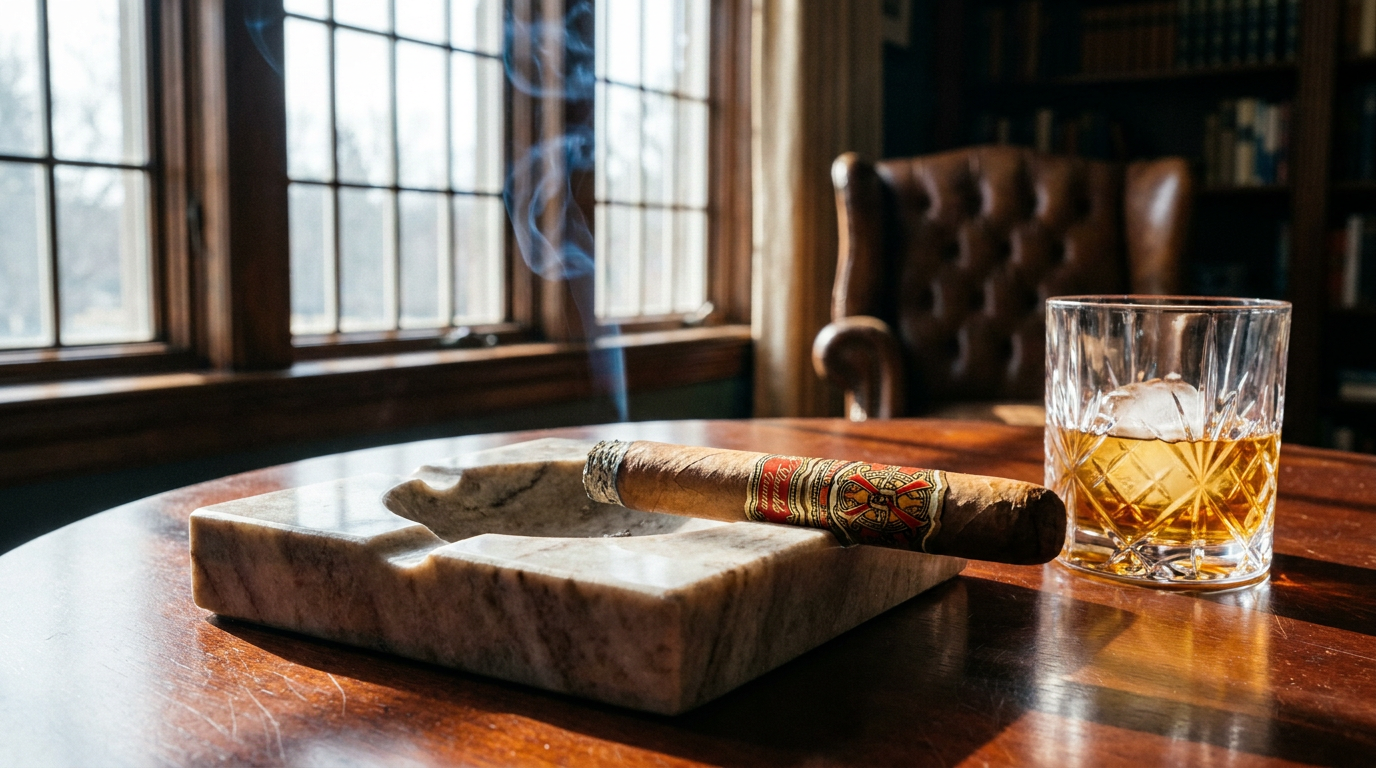
I found myself reacquainting with the formidable Double Corona just last month, on a warm September evening in London. The band—intricate, almost heraldic in its crimson, gold, and black—is a statement of intent. It speaks of dynasty and ambition. The wrapper itself was a flawless, oily rosado leaf, a testament to the improbable success of those early experiments at Chateau de la Fuente. The pre-light draw was all cedar and a faint, promising spice.
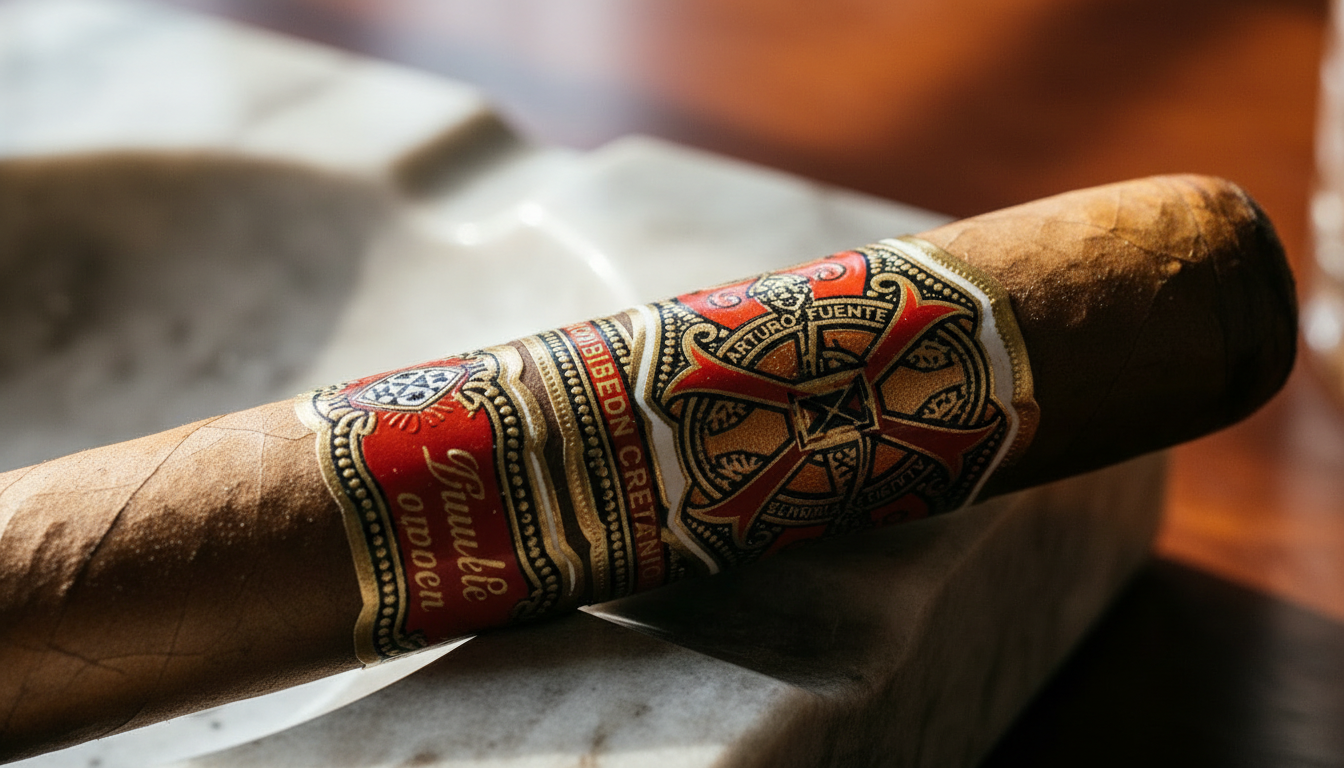
The initial lighting of an Opus X is a moment that commands one's full attention. It is not a cigar for the hurried or the distracted. The first third delivered a formidable blast of pepper and spice, a bold announcement of its presence. Yet, beneath the power, there were deeper currents at play. Notes of leather and a distinct earthy sweetness, characteristic of the Chateau de la Fuente terroir, began to emerge. It is a profile that is at once aggressive and complex, demanding respect but rewarding concentration.
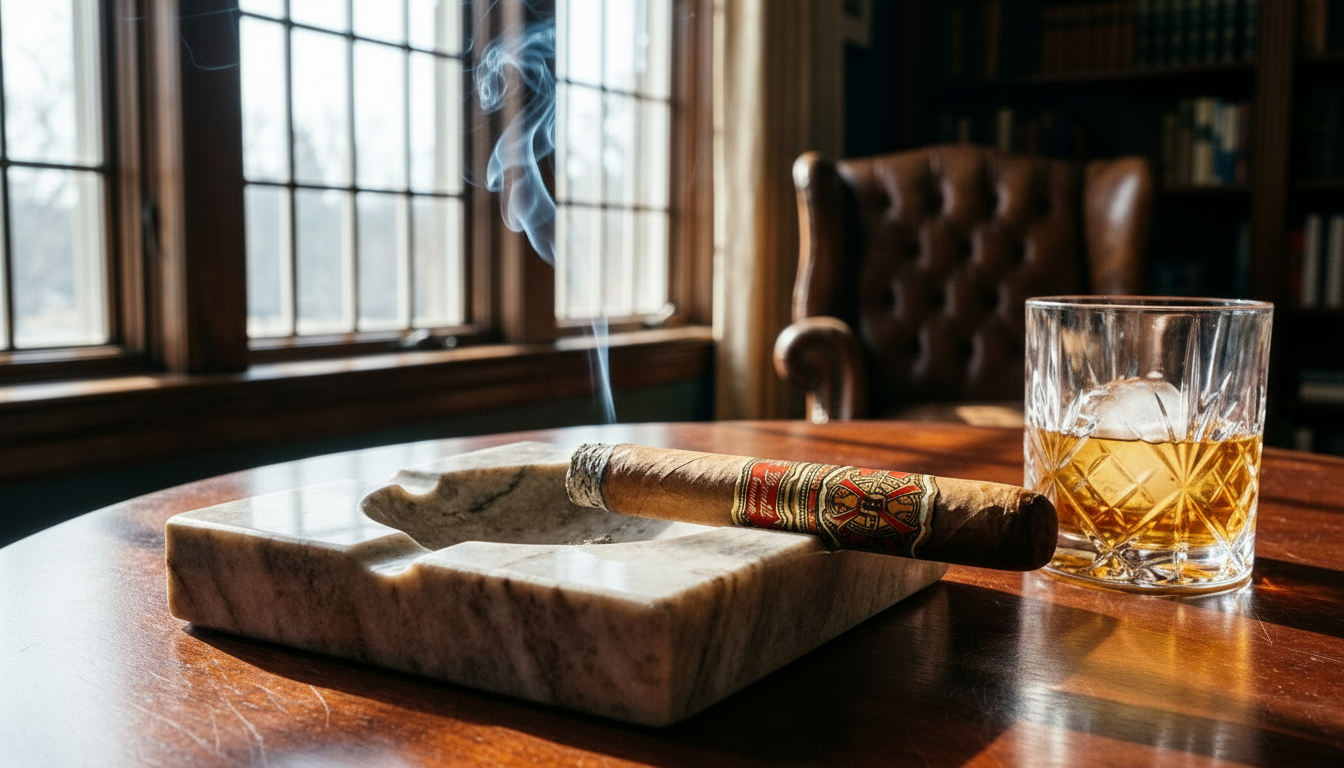
By the midpoint, the initial pepper had mellowed, integrating into a richer, more cohesive whole. A creamy, almost buttery texture developed in the smoke, carrying notes of roasted nuts, dark coffee, and a persistent sweet cedar. It is in this second act that the genius of the blend truly reveals itself. The power is still there, a constant, humming baseline, but it becomes the foundation for a remarkably nuanced and evolving flavour profile. I recall watching the smoke curl into the cooling air, the ash holding firm—a perfect, stacked cylinder of pale grey, evidence of the impeccable construction and slow, even burn.
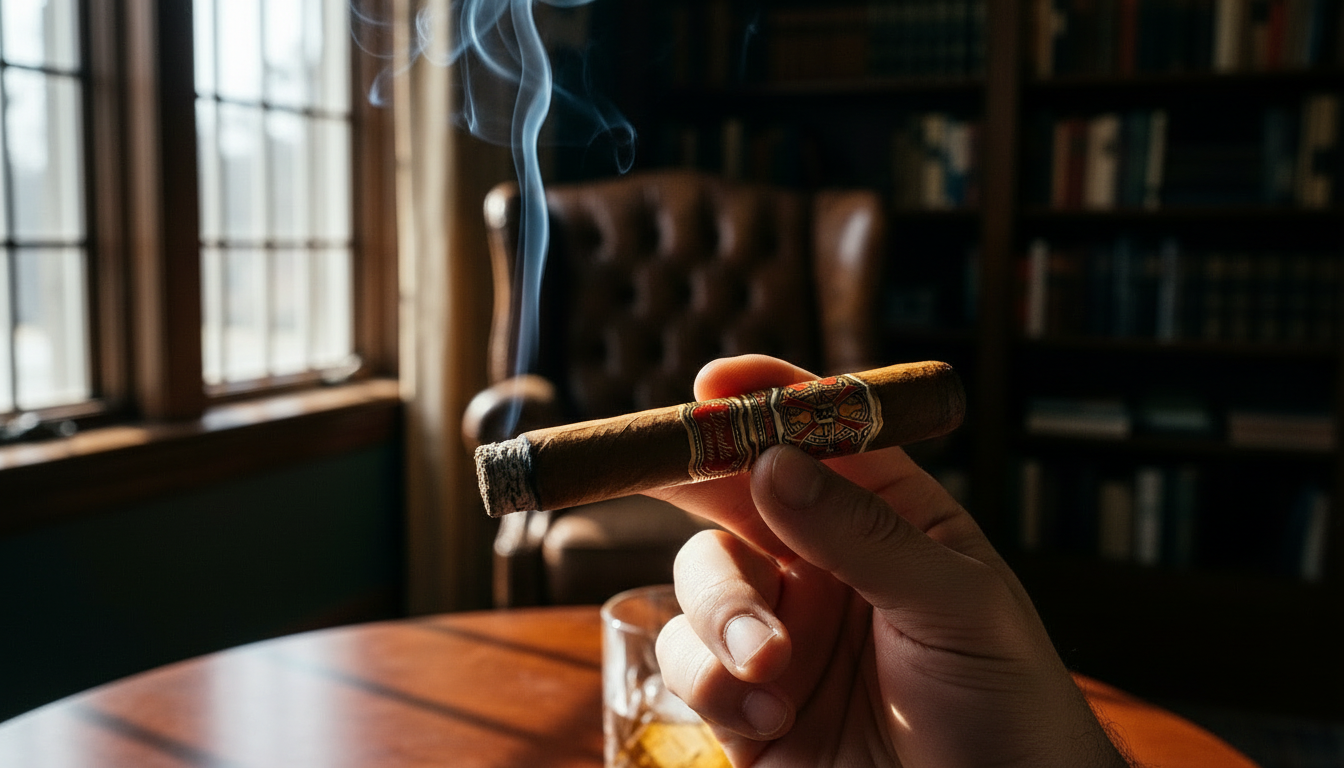
As the cigar progressed into its final third, the strength intensified once more, but it was a richer, more refined power. The sweetness subsided, replaced by a deeper, earthier character. Hints of dark chocolate and a final resurgence of spice made for a commanding finish. It is a cigar that leaves a lasting impression, not just on the palate, but in the memory. The Opus X is more than just a smoke; it is a monument to the belief that with enough passion and persistence, one can cultivate greatness even in the most unlikely of soils. It remains, more than two decades on, a benchmark for what a Dominican cigar can be. A study in power, yes, but also a lesson in conviction.
'''