Steirereck im Stadtpark: A Viennese Definition of Place
In the heart of Vienna, a restaurant of quiet ambition looks not to the past, but to the soil beneath its feet. Heinz Reitbauer’s temple of modern Austrian cuisine is a study in rigorous provenance and serene execution.
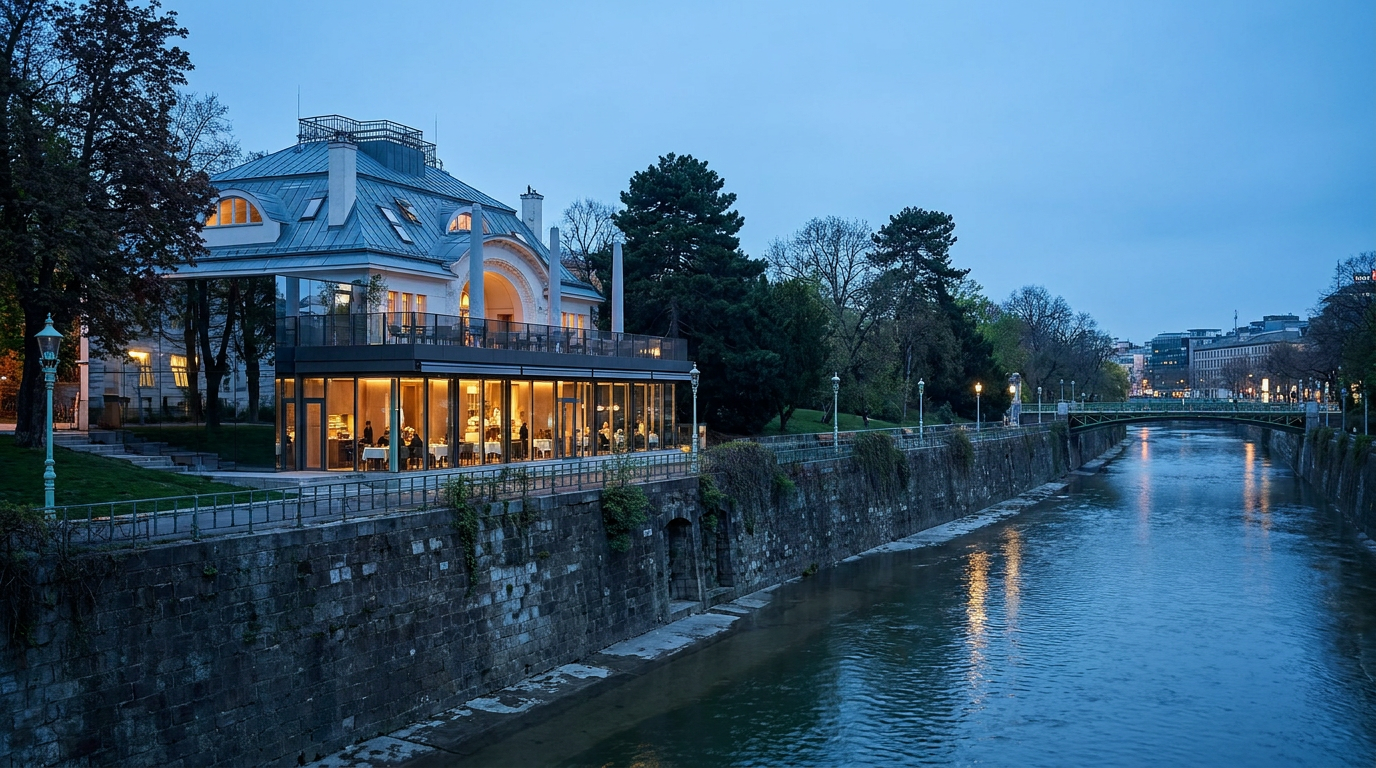
Vienna’s Stadtpark, with its manicured lawns and monuments to the city’s golden age of music, is a place of curated nostalgia. Yet, nestled within its green expanse, a cube of reflective glass asserts a resolutely modern presence. This is Steirereck, a restaurant that has, for the better part of two decades under the guidance of Heinz Reitbauer, redefined the very essence of Austrian cuisine.
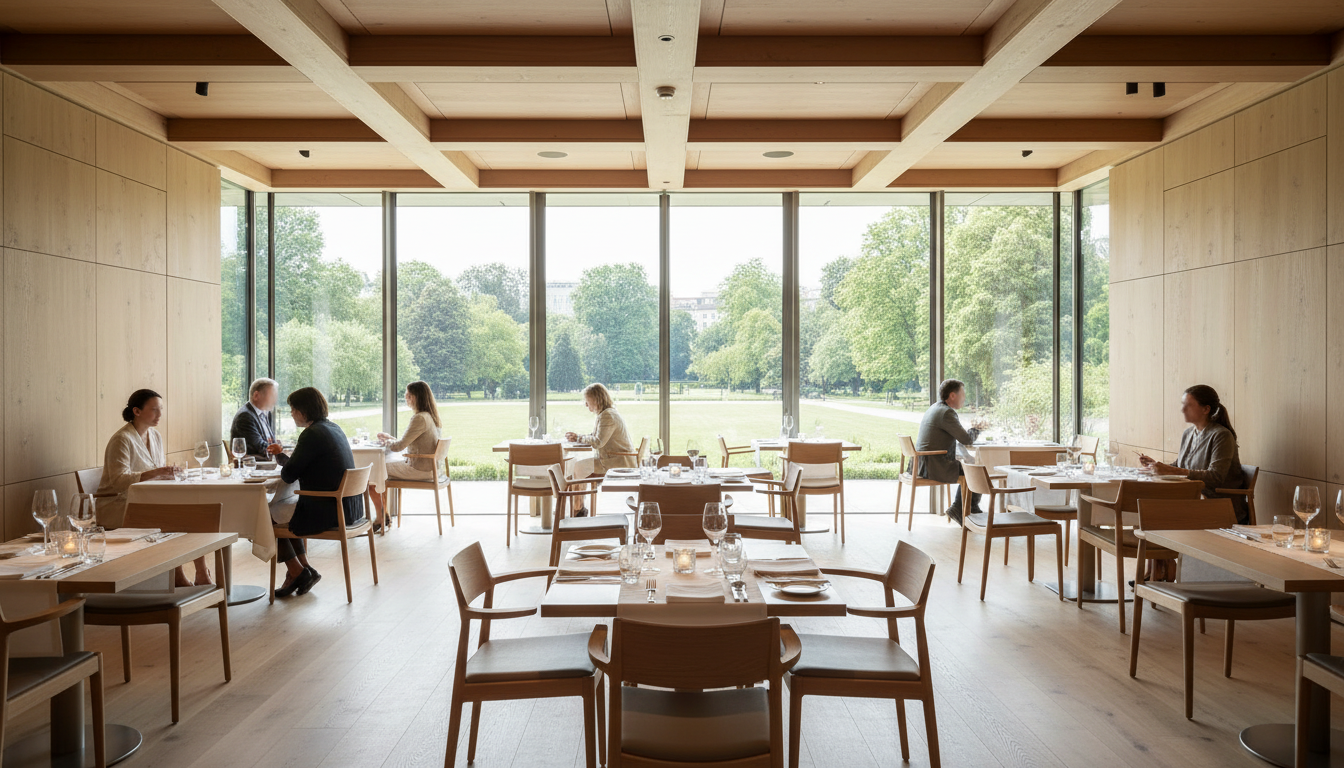
To dine here is to embark on a forensic exploration of Austria itself. The experience is less about reinventing tradition than it is about rediscovering it, about tracing ingredients back to their most specific, often forgotten, origins. My arrival on a warm evening earlier this month was met not with grand pronouncements, but with a quiet sense of purpose that pervades the entire operation. The dining room, a serene space of pale wood and clean lines, directs the eye outwards to the park, blurring the boundary between the cultivated and the culinary.
A Cartography of Taste
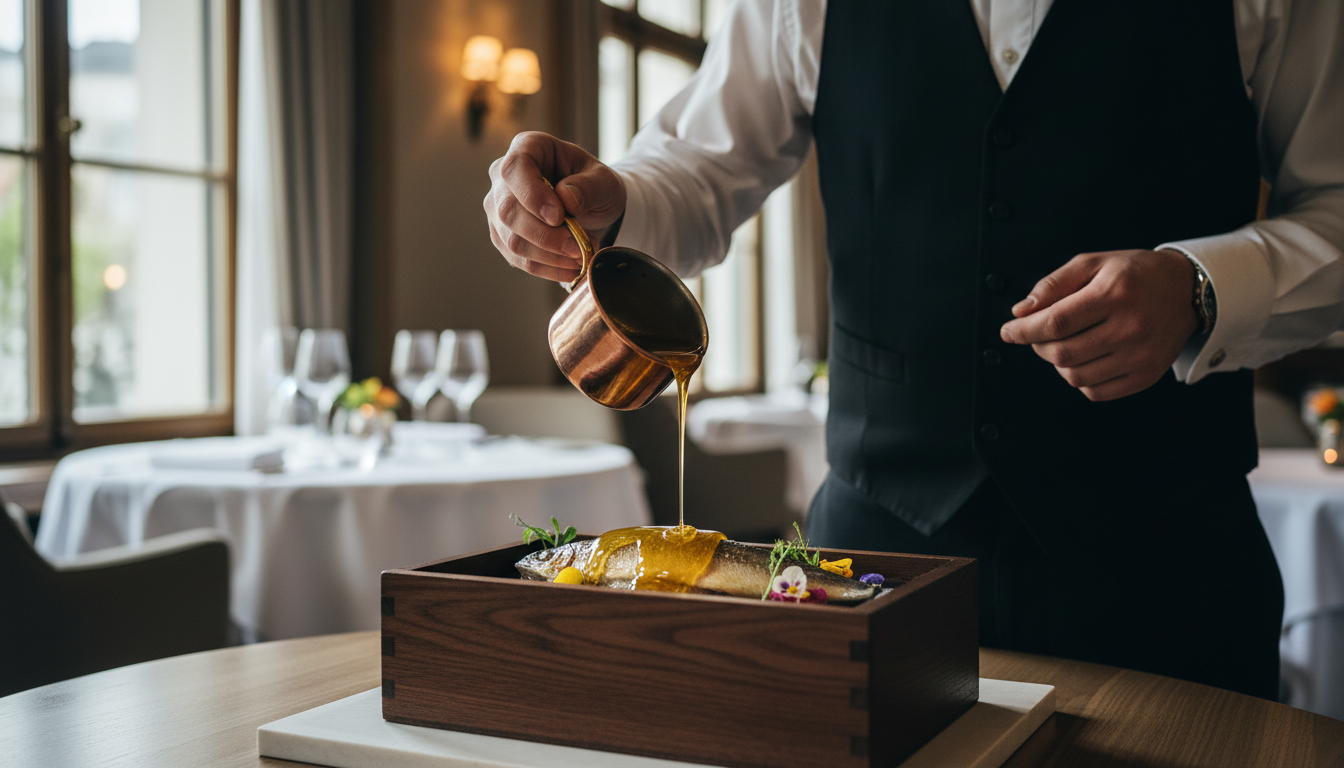
The menu at Steirereck is a document of profound scholarship. Each dish is accompanied by a small card, not merely listing ingredients, but detailing their provenance, their history, their very reason for being. This could feel academic, were the results not so deeply satisfying. A course of char, for instance, is not just fish; it is Puntener Saibling, a specific Alpine variant, cooked tableside in hot beeswax and served with yellow carrot, pollen, and sour cream. The ceremony is brief, the aroma of the melting wax a fleeting, sweet prelude. The flesh, when it emerges, is impossibly tender, the flavour clean and direct. It is a dish that speaks of high mountain lakes and the patient work of the apiarist.
This obsessive focus on sourcing is the Reitbauer signature. The family’s nearby farm, Pogusch, serves as a laboratory and larder, but their network of suppliers extends to the most obscure corners of the country. They champion heirloom vegetables, ancient grains, and forgotten breeds of livestock. The famous bread trolley, a multi-tiered marvel laden with two dozen varieties, is a meal in itself, a testament to Austria’s rich baking heritage, from the dense, dark rye of the Waldviertel to the light, almost brioche-like rolls of the Wachau.
The Cellar and the Soil
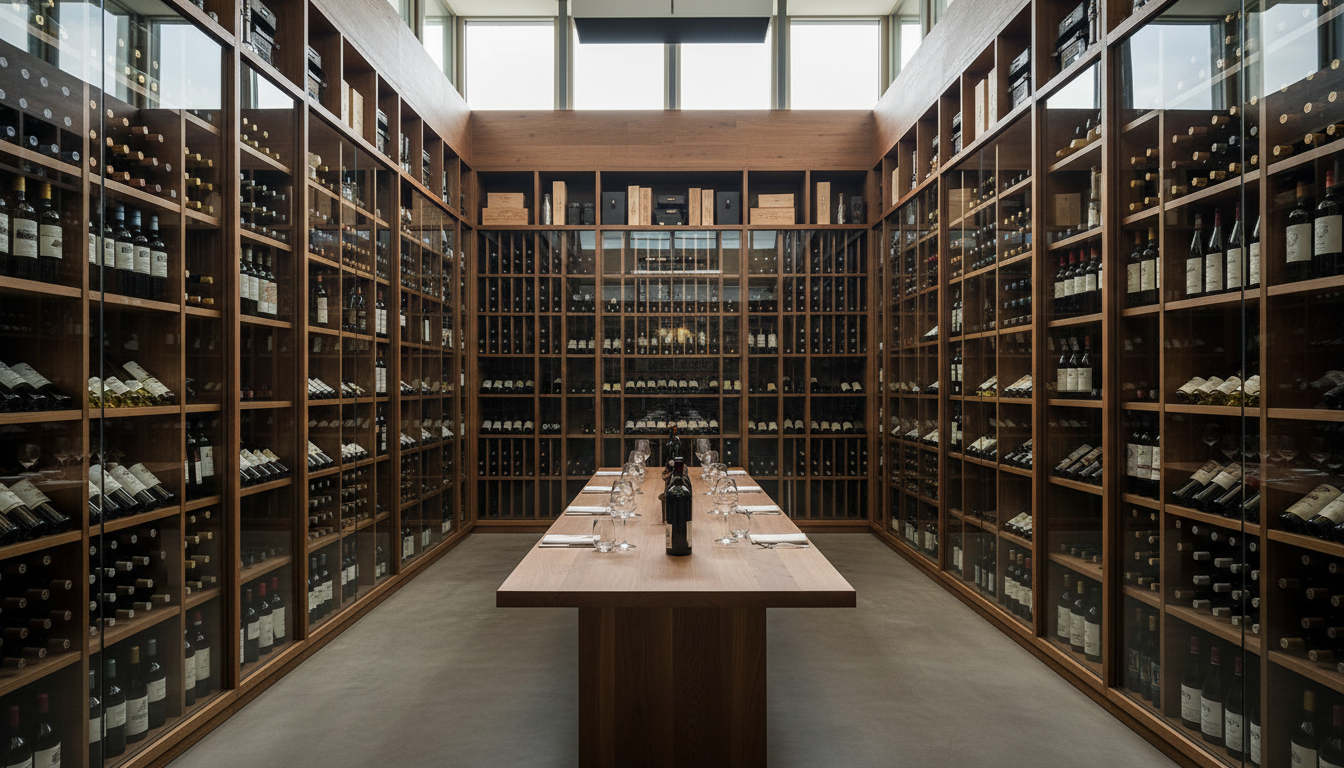
The wine list, naturally, is a deep and authoritative tome of Austrian viticulture, with encyclopaedic verticals of the country’s great producers—Knoll, F.X. Pichler, Tement. The sommeliers guide you through the nuances of Grüner Veltliner and Blaufränkisch with an understated expertise that assumes a shared passion, not a need for instruction. A recommendation of a mature Riesling from the Kamptal to accompany a dish of freshwater crayfish and young leeks felt less like an upsell and more like a thoughtful completion of a sentence.
The service, led by Birgit Reitbauer, moves with a silent, coordinated grace. It is attentive without being intrusive, a ballet of quiet efficiency. There is a palpable sense of pride in the room, a collective belief in the importance of the project. This is not the stiff formality of old-world temples of gastronomy, but a modern, more relaxed form of precision.
A Modernist’s Dialogue with the Past
One of the final courses of my dinner last week was a delicate composition featuring the young shoots of the Cardamine amara, or large bittercress, a wild plant foraged from the banks of a nearby stream. It was paired with lamb sweetbreads and a translucent veil of fermented kohlrabi. The flavour was startling: peppery, bright, and intensely alive. It was a taste of the Viennese soil, presented with the clean, intellectual rigour of a modernist architect.

This is the genius of Steirereck. It engages in a profound dialogue with its environment, not as a static museum piece, but as a living, evolving entity. It is a restaurant that asks you to consider not just the flavours on the plate, but the landscape, the history, and the human effort they represent. Leaving the park that night, the strains of a distant waltz mingling with the cool air, I felt I had not just eaten a meal, but had come to a deeper understanding of Austria itself. It is a quiet, confident, and utterly essential expression of a nation’s culinary soul.