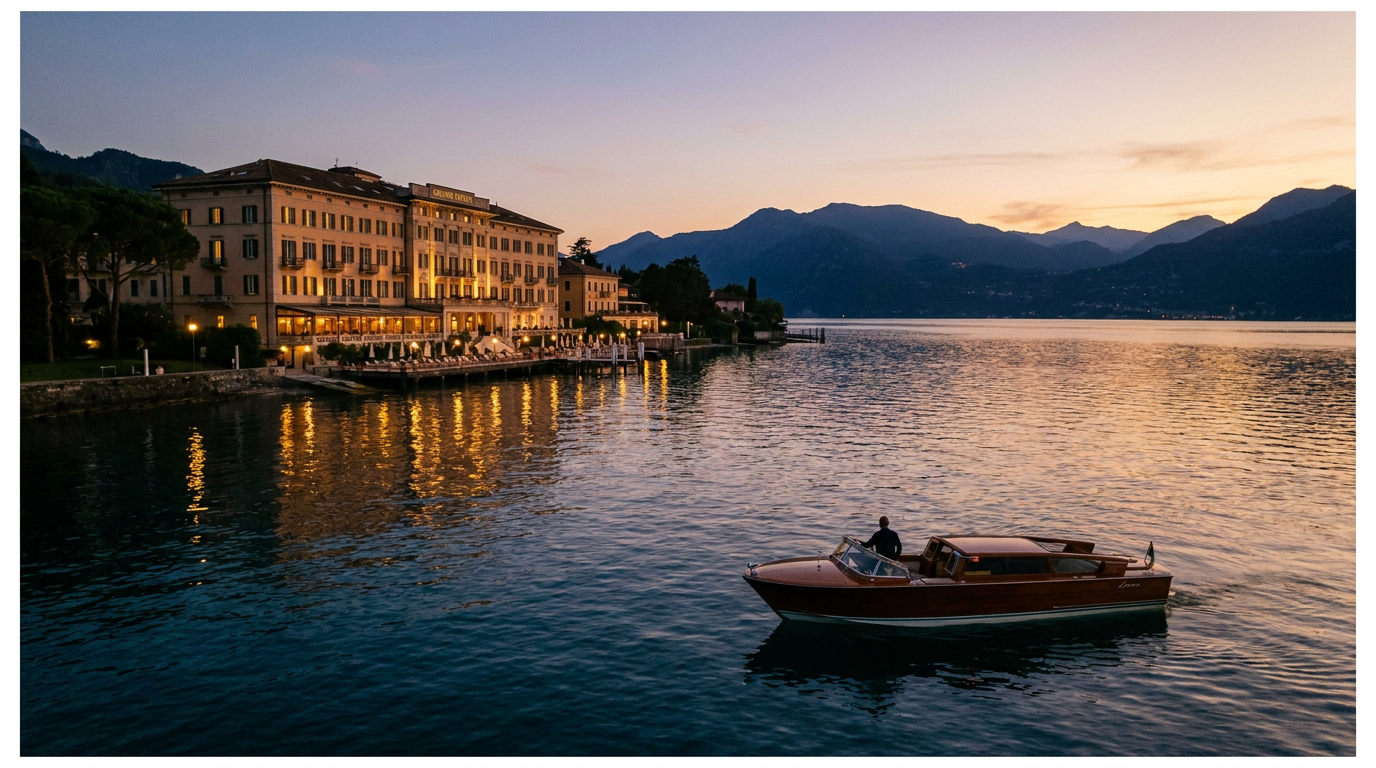
Soul in the Machine: The Enduring Allure of the Classic Grand Tourer
In an age ofodyne automatons, the classic GT reminds us that the journey, not just the arrival, is the thing.
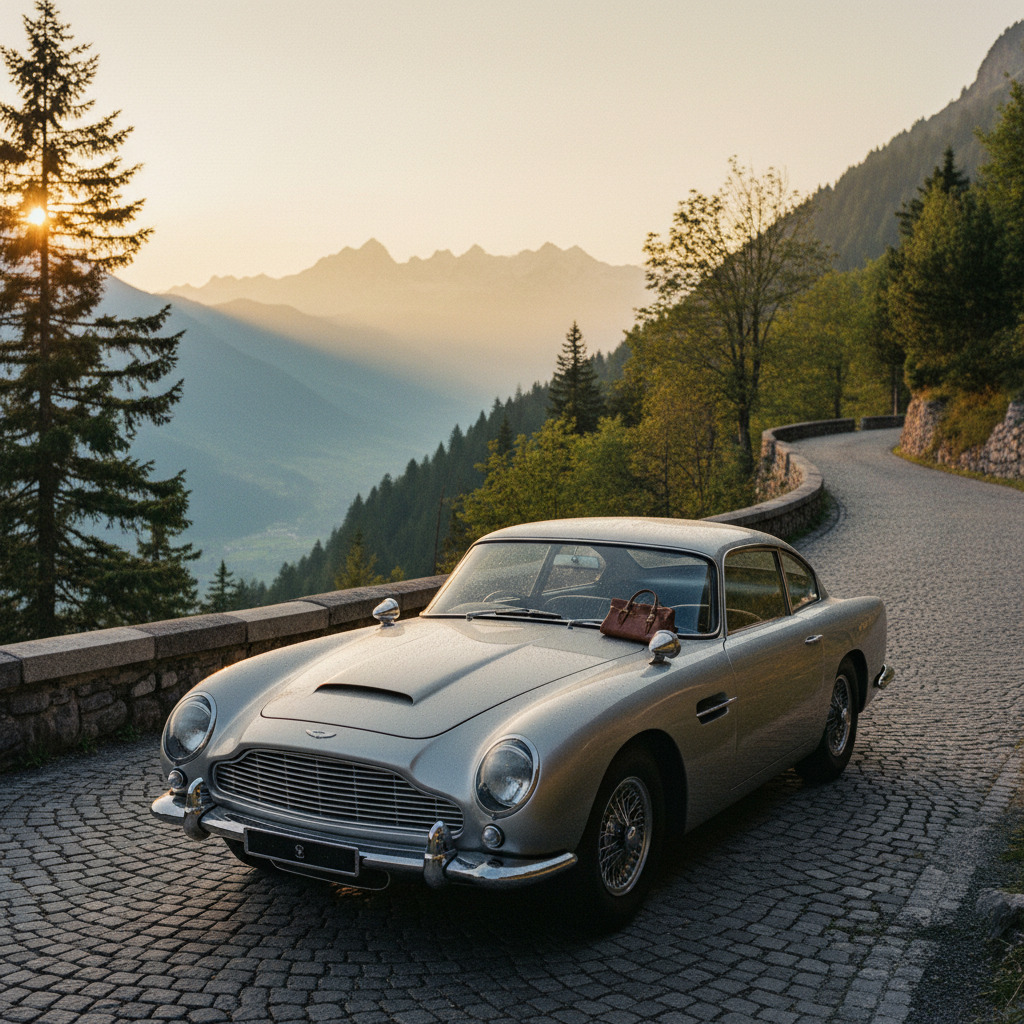
'''There is a certain quality to the light in the early morning, particularly when viewed through the swept-back windscreen of a vintage grand tourer. It is a softer, more forgiving light, one that seems to conspire with the machine itself to create a sense of occasion. One finds oneself not merely driving, but embarked upon a journey. The air, alive with the faint, gentlemanly scent of warm oil and worn leather, is a world away from the sterilised, climate-controlled capsules that pass for performance cars today. This is the essential contract of the classic GT: it does not merely transport you; it engages you. It asks for your attention, your skill, and in return, it offers an experience that transcends the simple act of getting from one point to another. It offers a relationship. In our relentless march toward a digital, autonomous future, we have somehow forgotten the profound satisfaction of this analogue partnership. ## The Sensory Experience Modern automobiles, for all their technical prowess, have become strangely silent partners. Their interiors are showcases of digital real estate, vast touchscreens that have buried essential functions within nested menus. The steering is light, the gear changes instantaneous and imperceptible, the engine note synthesised and piped in through speakers. The experience, while clinically efficient, is profoundly numb. The cockpit of a classic GT, by contrast, is a study in tactile honesty. It is a masterclass in material truth. Here, your fingertips meet cool, chromed toggles, substantial Bakelite switches, and the delicate grain of a Nardi wheel. The gear lever is not a button or a paddle, but a polished metal rod moving through a gated selector, each change a satisfying mechanical clink-clank. The instruments are not pixel-perfect readouts, but elegant, sweeping needles behind curved glass, each with its own story to tell. This is not nostalgia for its own sake; it is an appreciation for a design philosophy that sought to connect the driver to the machine and the road, not isolate him from them. ## The Art of the Journey The term ‘Grand Tourer’ has been lamentably diluted, often misapplied to any two-door car with a powerful engine. Its original promise was not of brutal, circuit-ready speed, but of covering continents with pace, grace, and ineffable style. The classic GT was designed to cross the Alps from Geneva to Turin for a long lunch, to devour the autostrada en route to the coast, and to arrive at the Hotel de Paris in Monaco with its occupants entirely unruffled. Consider the exemplars of the breed: the ethereal Ferrari 250 GT Berlinetta Lusso, the impossibly long bonnet of the Jaguar E-Type, the understated muscularity of an Aston Martin DB5. These were not cars built for chest-thumping lap times. They were built for a certain kind of life, one that valued elegance as highly as it did performance. To pilot one is to adopt a different, more considered rhythm. The journey becomes a curated experience, a series of deliberate inputs and rewarding feedback, punctuated by the glorious sound of a willing engine and the admiring glances of those who recognise an icon when they see one. ## The Soul of the Machine At the heart of the matter is the mechanical connection. Modern performance is an exercise in digital management; the driver is often little more than a manager, authorising the car’s astonishing capabilities. The classic GT demands more. It demands a conversation. To drive one well is to understand its character — to feel the precise moment a clutch engages, to sense the tyres nearing their limit of adhesion, to listen to the engine’s voice as it climbs the rev range. The symphonic howl of a carbureted Italian V12, the guttural baritone of a British straight-six, or the cultured roar of a German flat-six is the machine’s very soul, speaking to you directly, unfiltered by sound-deadening and digital enhancement. It is a demanding, at times temperamental, relationship, but an infinitely rewarding one. The classic grand tourer, then, is more than an indulgence or a mere historical artifact. In a world saturated with ephemeral digital distractions, it stands as a testament to something more permanent: the joy of a physical skill, the beauty of masterful engineering, and the timeless allure of a truly great journey. It is a statement of intent — that the way one travels is just as important as the destination itself. '''