Hôtel du Cap-Eden-Roc: An Autumn Solitude on the Cap
A late-autumn retreat to the southern tip of the Cap d'Antibes, where the Napoleon III villa and its basalt sea pool shed the summer glare for quiet salt and stone.
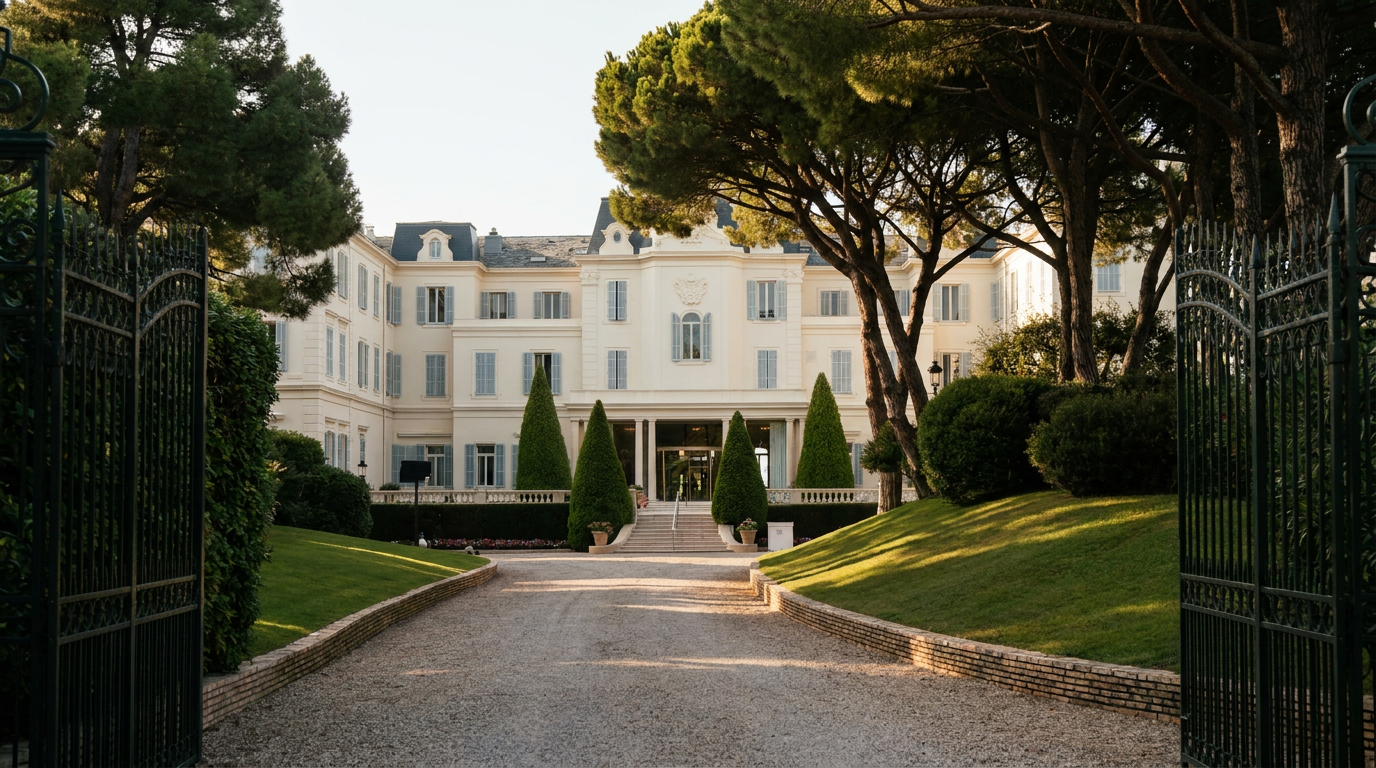
The approach to the Cap d'Antibes along the Boulevard J.F. Kennedy narrows until the maritime pines crowd out the sky, filtering the late-October sun into pale, amber needles on the tarmac. Off-season on the peninsula possesses a sobriety that the high summer actively conspires against. The yachts have retreated toward winter berths in Genoa and La Ciotat; the cicadas have ceased their rasping; and the grand gates of the Hôtel du Cap-Eden-Roc stand open to an avenue of gravel that crunches beneath Michelin rubber with the reassuring weight of undisturbed private wealth.
I arrived in the final week of October, just days before the property shuttered for its customary winter slumber. Founded in 1869 by Hippolyte de Villemessant, the mercurial editor of Le Figaro, as the Villa Soleil—an austere haven for writers exhausted by Paris—the estate was transformed in 1887 by the young hotelier Antoine Sella into an aristocratic winter sanctuary. It was only in the 1920s, largely through the patronage of Gerald and Sara Murphy and the quiet endorsement of F. Scott Fitzgerald, who immortalised it as the Hôtel des Étrangers in Tender Is the Night, that summer became its signature season. Yet it is in the late autumn, when the air carries the scent of damp Aleppo pine, salt crust, and crushed rosemary, that the Napoleon III main house reclaims its nineteenth-century composure.
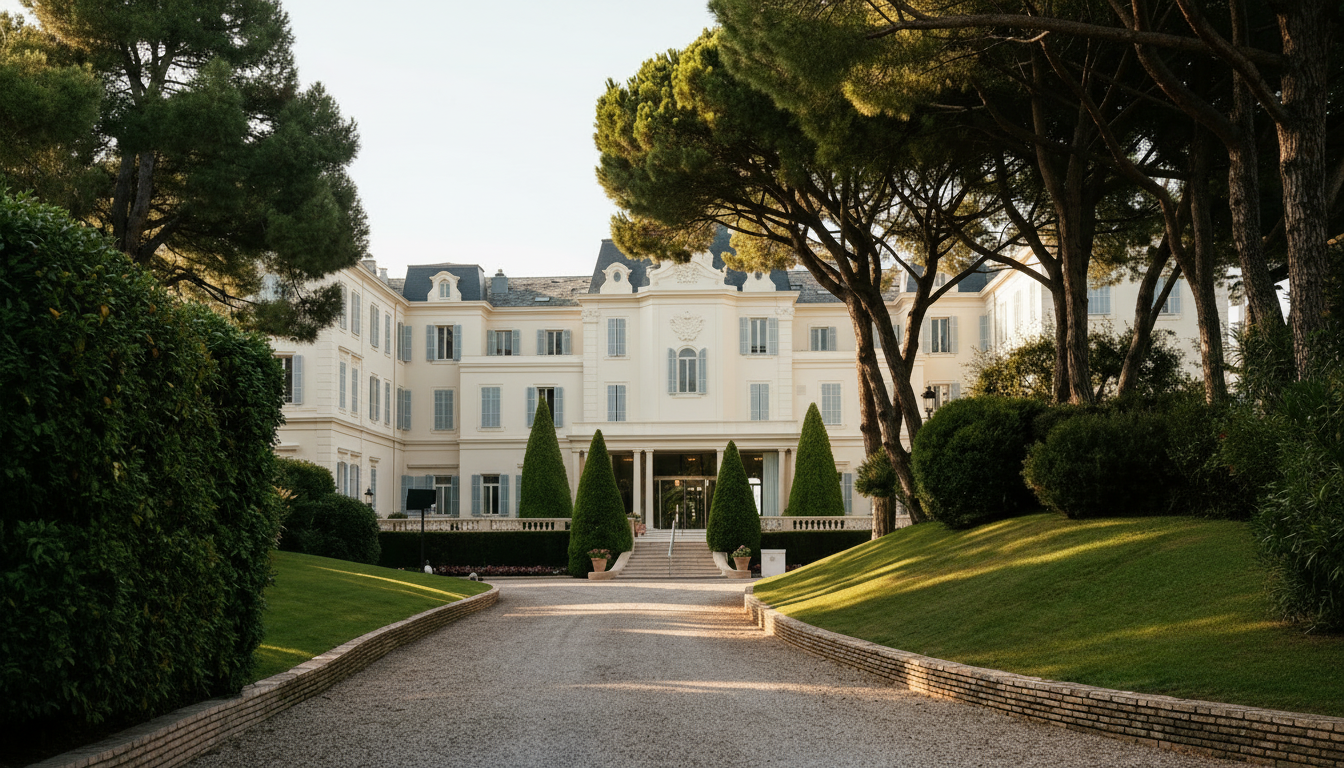
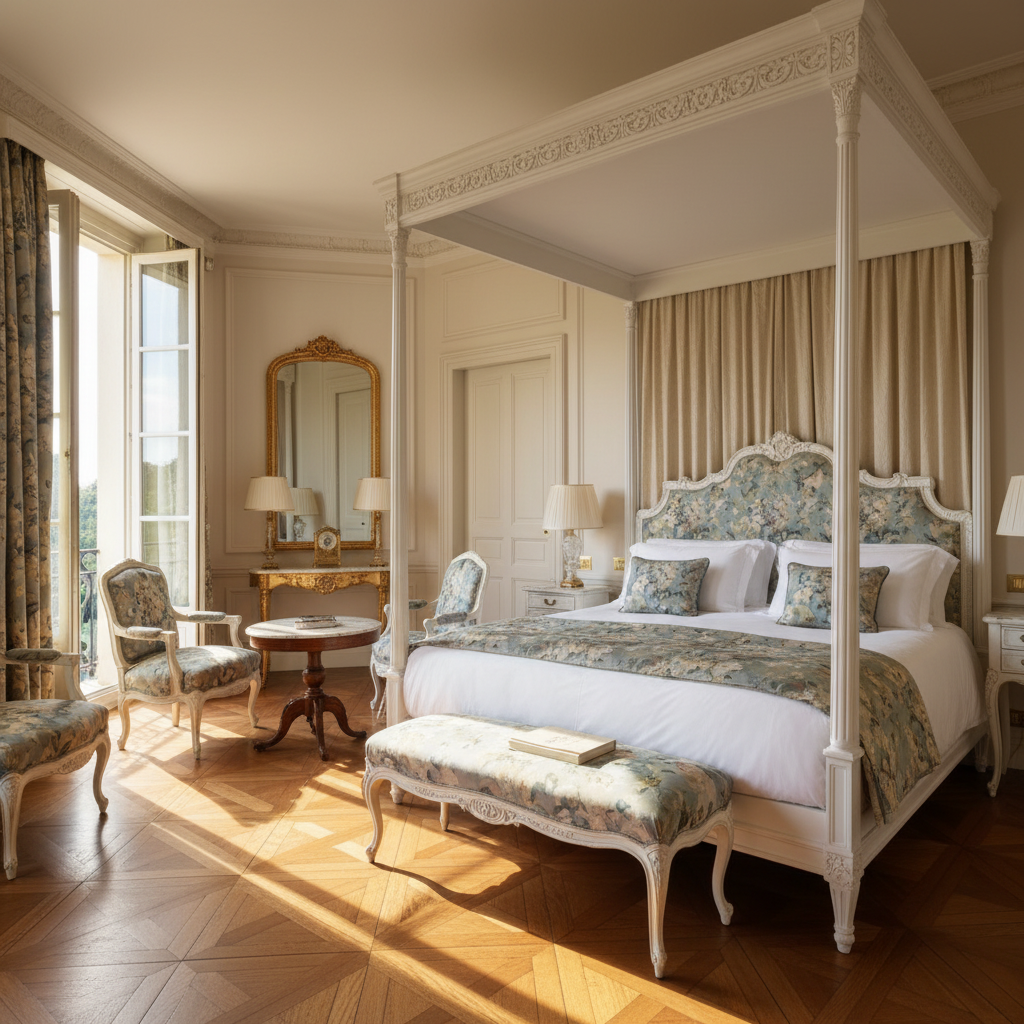
The vestibule retains that particular acoustic stillness achieved only by heavy silk draperies, waxed parquetry, and staff who walk as though on felt. The reception here does not indulge in the contemporary theater of iPads or welcome flutes of indifferent champagne. Instead, a bronze key with an indigo tassel was placed in my palm by a concierge whose tenure dates back to the era of the late Rudolf-August Oetker, who acquired the property in 1969. Up the wide, curving staircase, my room in the central pavilion looked straight down the Grande Allée—that unbroken, cedar-shaded axis that cuts through nine hectares of gardens to meet the sea. Inside, the decorative register remains classical: Louis XVI armchairs recovered in Manuel Canovas florals, pale boiserie, and French casement windows that latch with a solid brass turn. The heating was quietly murmured on; the linen sheets were cool, pressed with crisp hospital corners that resisted the heels.
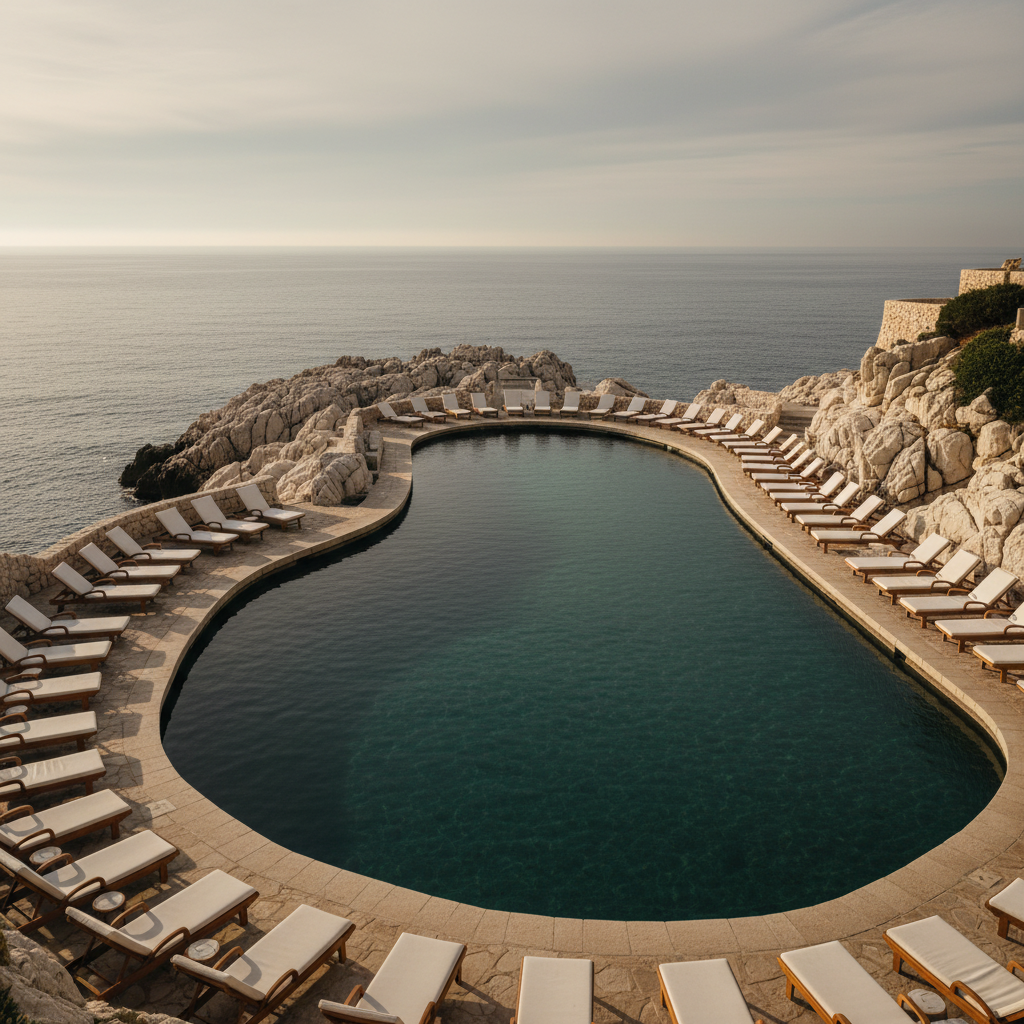
Down at the water's edge, past the clay tennis courts where the wind had begun to scatter pine needles across the baseline, the Eden-Roc pavilion sits anchored into the jagged white limestone of the cape. The saltwater swimming pool, carved out of the basalt cliffs by pickaxe and dynamite in 1914, was nearly empty. At noon, the water registered nineteen degrees Celsius—a bracing, mineral shock that cleared the head of travel fatigue in five strokes. Floating on one's back, framed by the blinding white terrace above and the charcoal rocks below, the expanse of the Baie des Anges stretched toward the snow-capped foothills of the Maritime Alps in total silence. A solitary attendant in navy knitwear stood by with thick terry towelling, warm from the press, waiting with that unhurried vigilance that defines grand-luxe service of the old school.
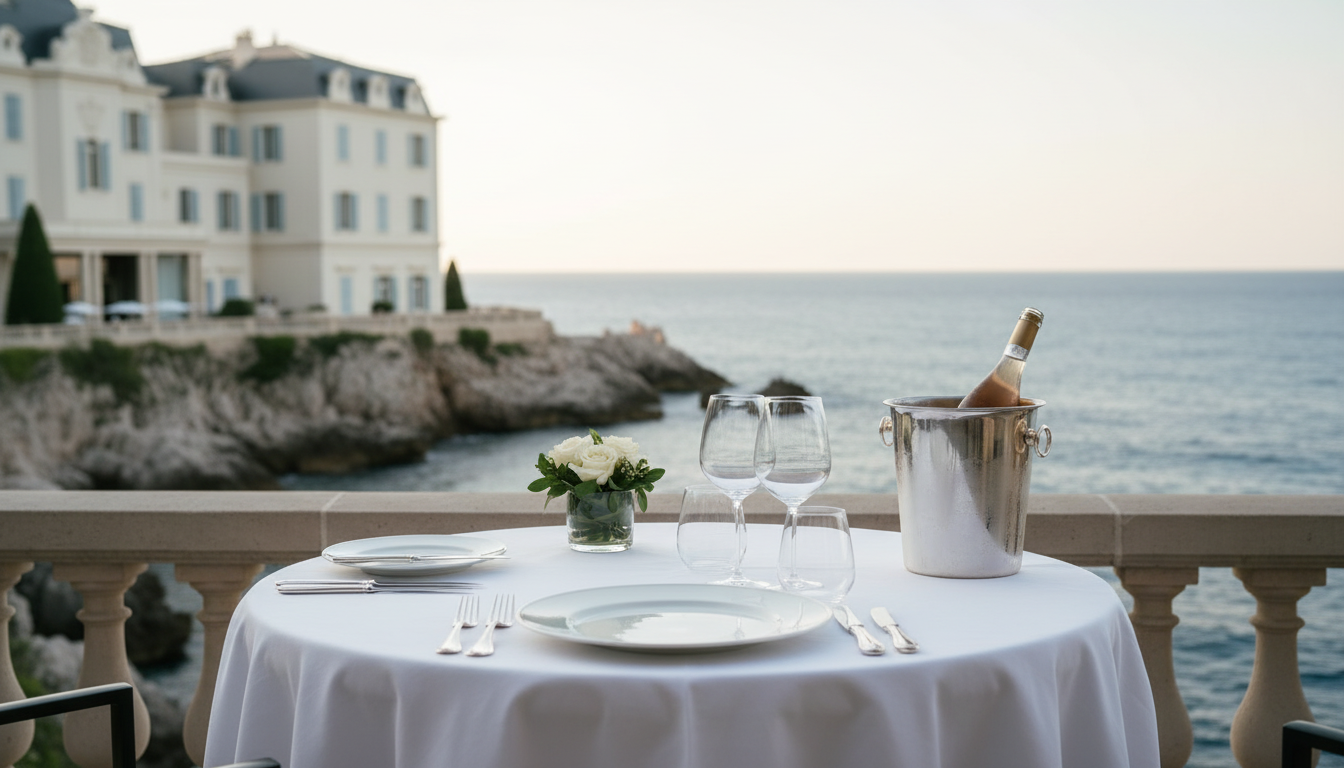
Luncheon at the Grill was a lesson in the virtues of seasonal brevity. With the mistral held at bay by the glass windbreaks, I took a corner table overlooking the Lerins Islands. The kitchen, directed by Sébastien Broda, knows better than to complicate the Mediterranean when the catch is fresh. A small plate of red mullet, seared over vine shoots until the skin blistered, arrived alongside artichokes barigoule and a thread of local olive oil that smelled of cut grass and green almond. A bottle of Clos Saint-Vincent from Bellet—the tiny appellation tucked behind Nice, made from the Braquet grape—offered a pale, stony counterbalance to the fish, carrying just enough mineral grit to cut the fat of the aioli.
By five in the afternoon, the light begins its rapid descent behind the Esterel massif, turning the porphyry rock face from rust to deep violet. The Bar La Boue, carved into the cliff face, had already pulled in its awnings, but a dry gin martini, stirred with a twist of Menton lemon, was brought down to the lower solarium by a waiter who navigated the stone steps without looking down. There was no recorded music, only the rhythmic slap of deep water against the diving boards and the far-off diesel drone of a solitary fishing trawler heading back toward Golfe-Juan.
Hotels of this pedigree often struggle under the weight of their own mythologies; they risk becoming museums of their own golden ages, curated for tourists seeking an Instagram receipt of Fitzgerald’s ghost. Eden-Roc evades this fate because its foundations—the physical stone, the scale of its gardens, the unyielding discretion of its corridors—were engineered before the invention of the leisure class. When the shutters are latched at sunset and the gravel path is swept clean one final time for November, the house feels less like a hotel and more like an anchored sovereign state, waiting out the world until the swallows return.