Grand Hotel Fasano: A Habsburg Echo on Garda
On the western shore of Lake Garda, a former Austrian hunting lodge offers a vision of Mitteleuropean grandeur, refined over a century of attentive service and framed by the dramatic beauty of the Lombard shore.
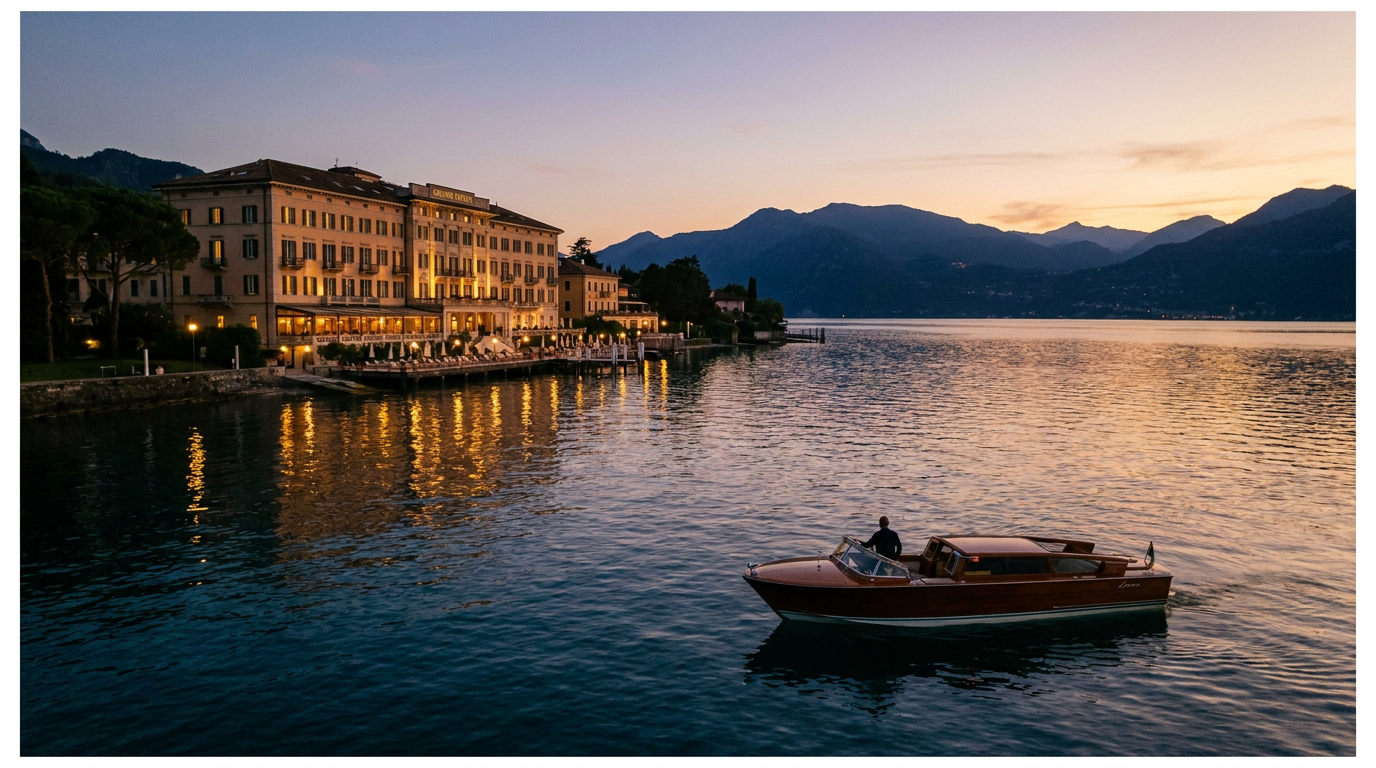
One arrives at Gardone Riviera not by accident. The western shore of Lake Garda demands a more deliberate pilgrimage than the bustling, autostrada-adjacent eastern coast. The roads narrow, the tunnels through the rock become more frequent, and the aspect of the lake itself changes. It feels deeper here, more serious. It is a fitting prelude to the Grand Hotel Fasano, a property that has stood sentinel on the water’s edge since 1888, first as a hunting lodge for the Austrian imperial family and for the last century as a hotel of quiet distinction.
My arrival last month, under a late September sun that still held the memory of summer’s heat, was met with an immediate sense of calm. The pale yellow façade, a study in 19th-century neoclassicism, is handsome without being imposing. It is the setting that commands attention. The hotel sits directly on the lake, its grounds a manicured cascade of palms, magnolias, and cypress that descend to a private jetty. From the balustrade of the main terrace, the view is a painter’s composition: the deep blue of the water, the hazy, monumental form of Monte Baldo rising on the opposite shore, and the gentle lapping of waves against the stone below. It is a scene that has remained fundamentally unchanged for generations.
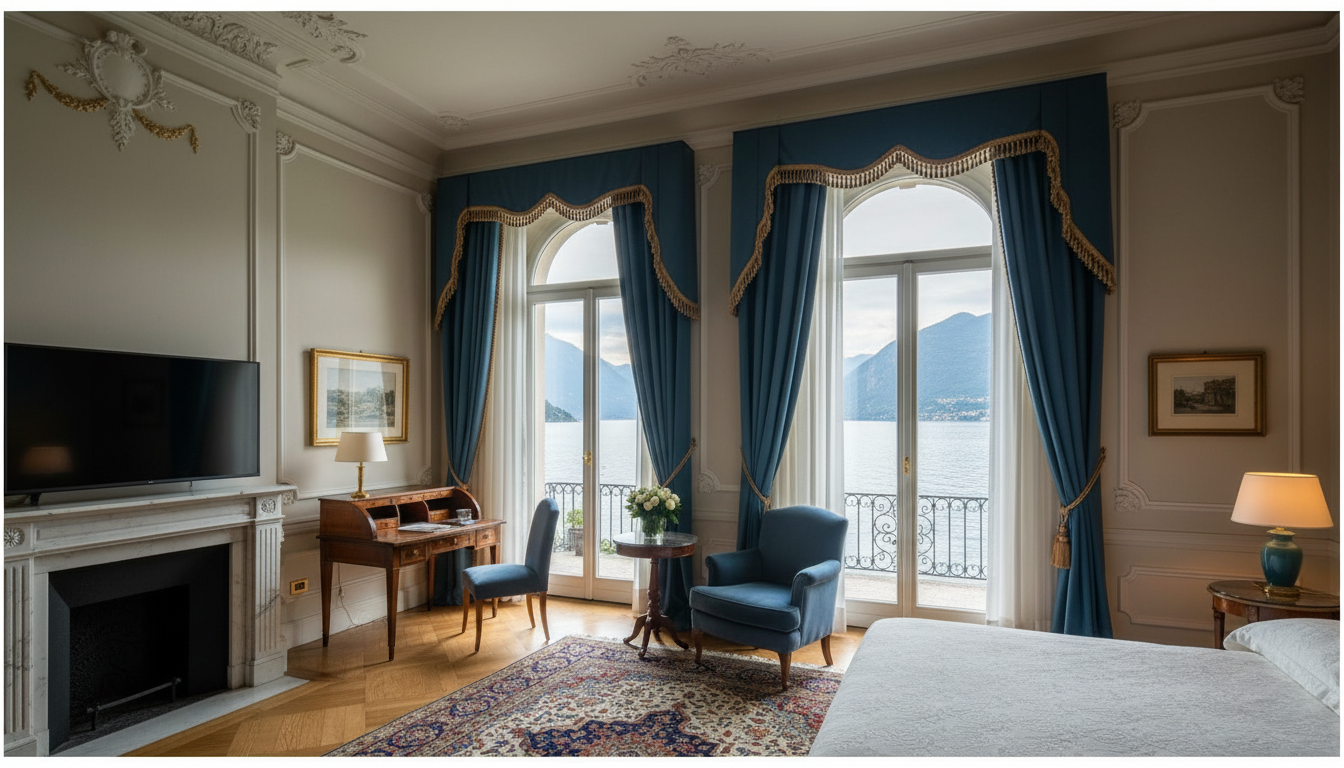
The interiors speak to this heritage. There is a pleasing weight to the place, a sense of history absorbed into the marble floors and antique furnishings. My suite, in the main building, was a lesson in proportion and restraint. High ceilings and tall windows framed the lake, the light shifting across the water throughout the day. The decor was classical, certainly, but not fusty; a recent refurbishment has kept things fresh, with crisp linens and a bathroom of gratifyingly modern comfort. It is a delicate balance to strike, honouring a storied past without becoming a museum piece, and the Fasano manages it with a quiet confidence. The air is one of well-bred tranquility, a world away from the performative luxury of newer establishments.
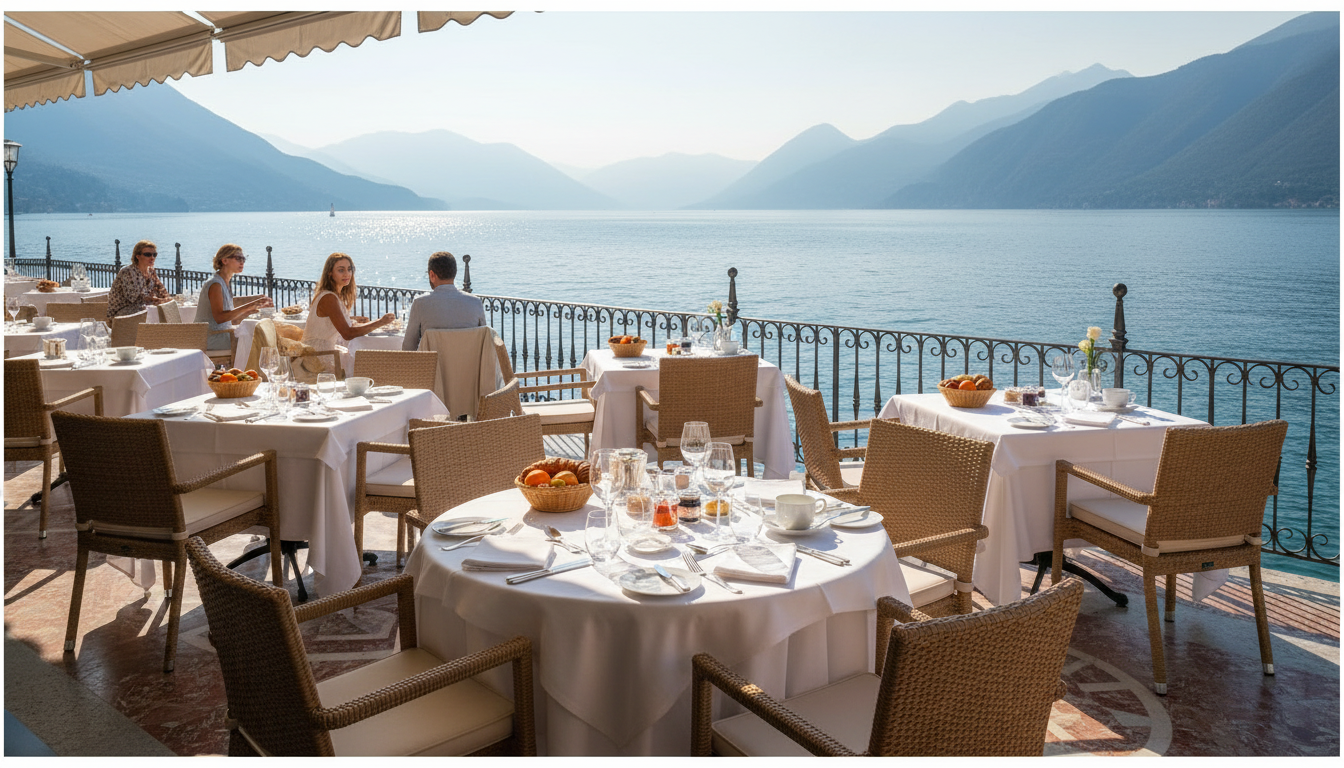
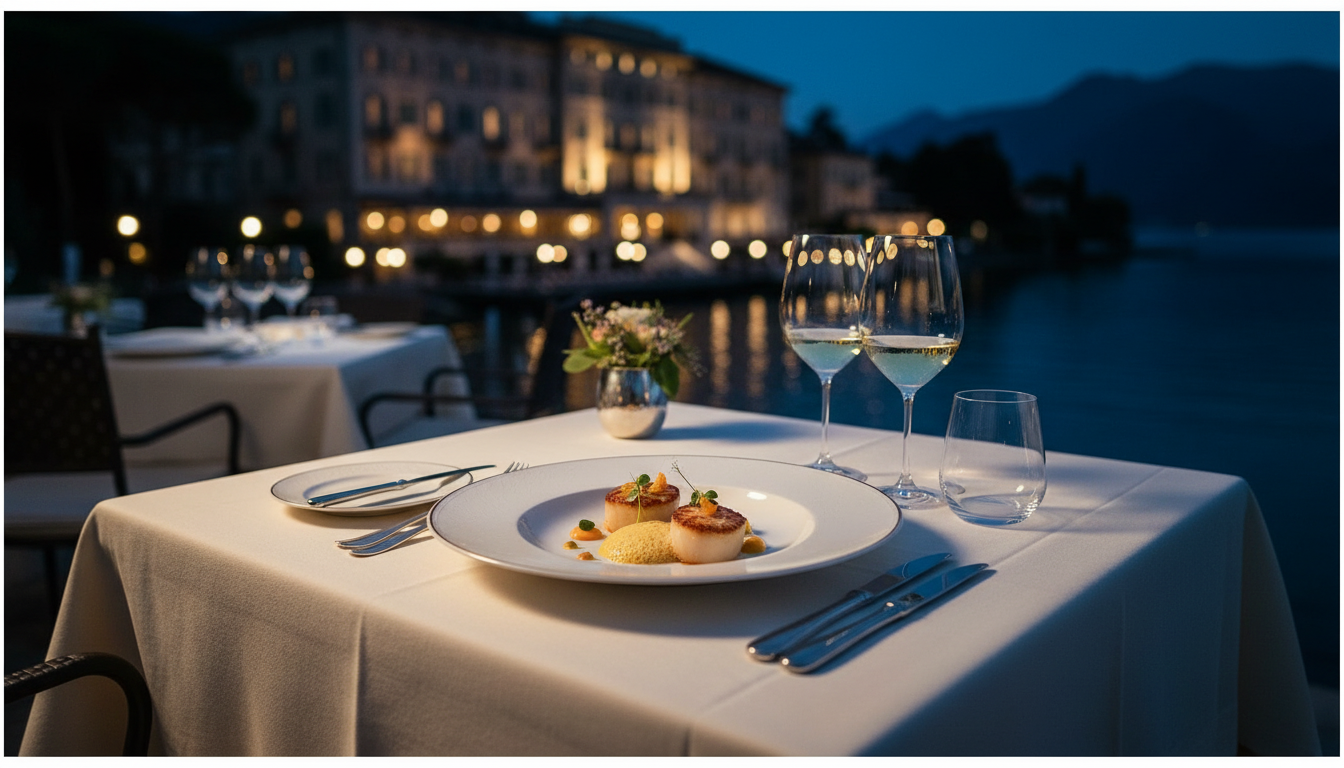
The heart of the hotel, for me, is the lakeside terrace. It is here that one takes breakfast, as small Riva tenders and sailing craft begin to trace their wakes across the water. It is here one returns for an aperitivo as the sun dips behind the hills, turning the lake to silver and rose. The service is formal yet warm, a style of hospitality that feels distinctly Italian yet carries a faint, pleasing echo of its Austrian past. One evening, dining at the hotel’s gastronomic restaurant, Il Fagiano, I found this duality expressed on the plate. A dish of local lake fish, simply prepared, sat alongside a perfectly executed risotto, each a testament to the quality of its ingredients and the precision of the kitchen.
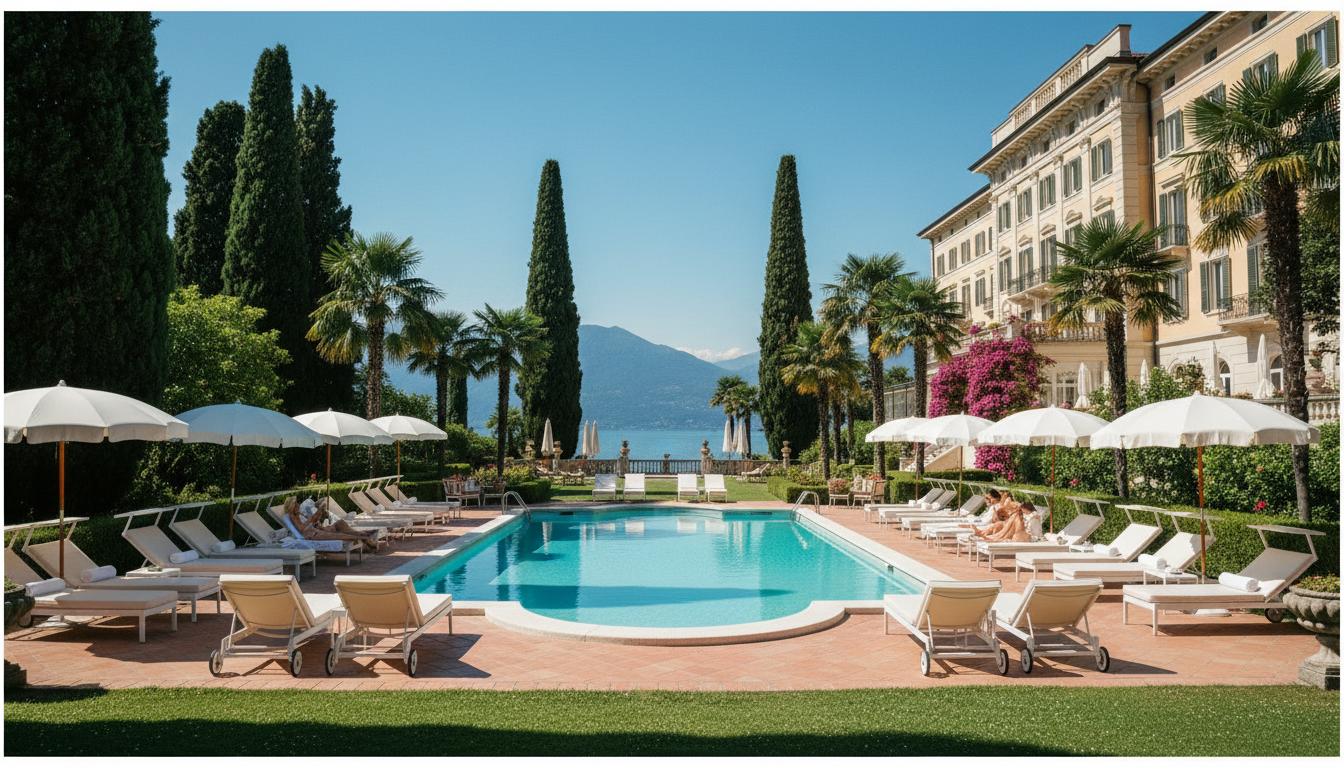
The days fell into a gentle rhythm. A morning swim in the pool, set discreetly within the gardens, followed by an afternoon spent with a book on a chaise longue by the water’s edge. The hotel’s private jetty is not merely decorative; a boat was arranged for a brief excursion, offering a perspective of the shore that can only be appreciated from the water. From the lake, the hotel appears as a grand villa, nestled into the landscape, its connection to the water absolute. Nearby, the eccentricities of Gabriele d'Annunzio’s Vittoriale degli Italiani and the botanical wonders of the Heller Garden offer worthy diversions, but the primary draw is the hotel itself. It is a destination, not a base.
One afternoon, I explored the Villa Principe, a separate residence within the grounds that offers a more secluded experience. With its own garden and direct lake access, it felt like a private home, albeit one with the full service of a grand hotel at its disposal. It is this ability to offer both stately grandeur and intimate privacy that defines the Fasano. It does not shout for attention. Instead, it offers a deeply civilised retreat, a place where the cadence of life is dictated by the sun and the water. Checking out felt less like leaving a hotel and more like departing a great house, with the hope of a swift return.