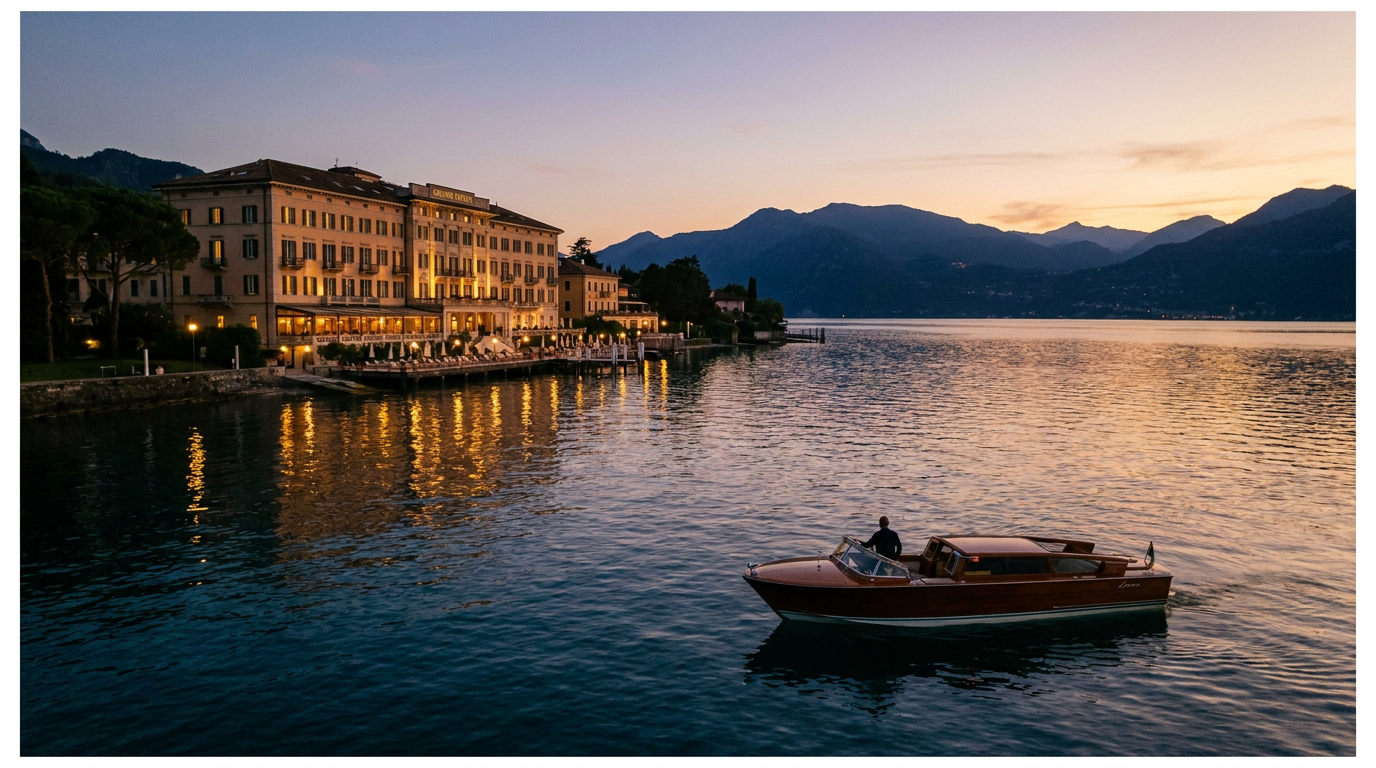
Brenners Park-Hotel & Spa: A Black Forest Institution
In the elegant spa town of Baden-Baden, a certain grand hotel on the Lichtentaler Allee has cultivated a unique equilibrium of restorative calm and quiet consequence for more than 150 years.
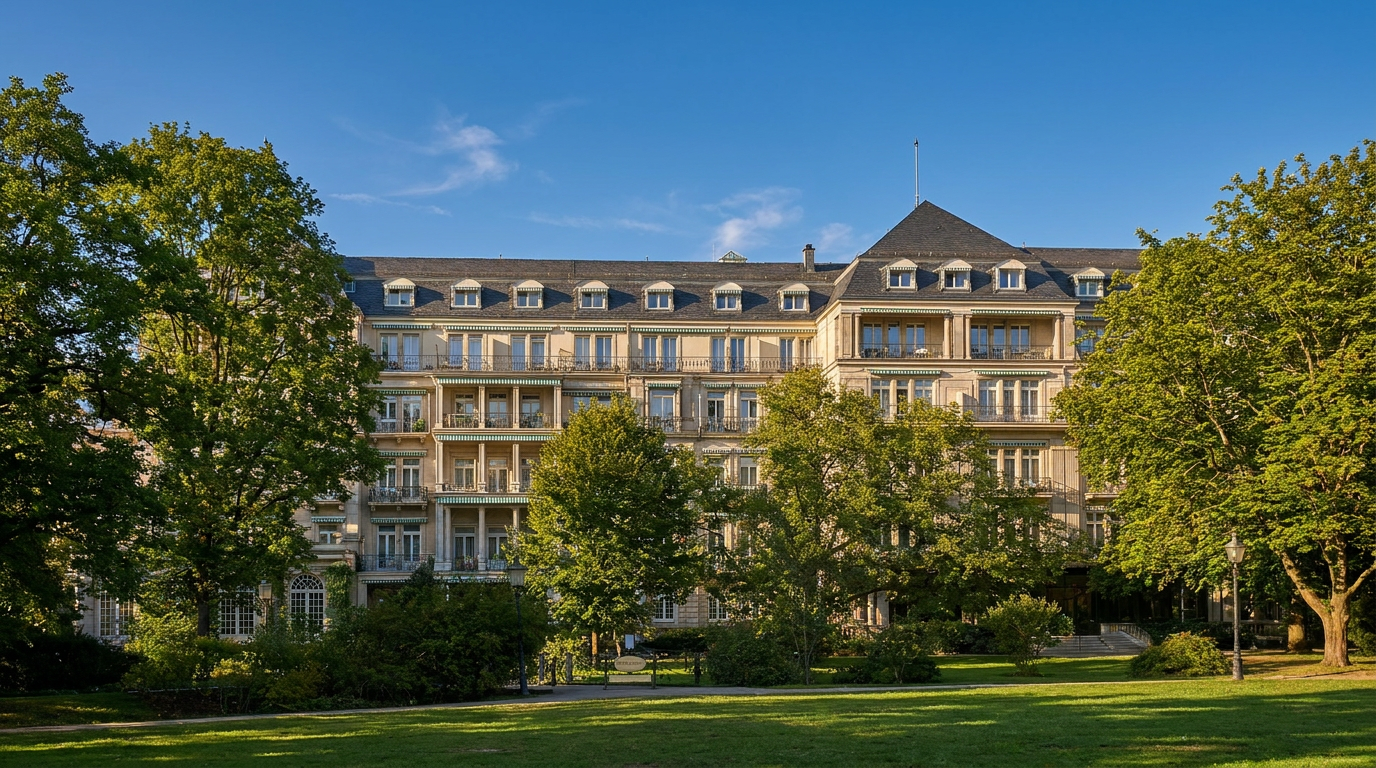
There is a particular quality to the light in Baden-Baden, filtered through the dense canopy of the Black Forest and reflecting off the gentle current of the Oos river. It lends the town an air of serene gentility, a feeling crystallized in the grand façade of Brenners Park-Hotel & Spa. Arriving late on a Tuesday afternoon last month, the building presented not as a hotel, but as a grand residence that happened to accept guests, its white balconies and mansard roof a study in Belle Époque grace.
For a century and a half, Brenners has been a discreet sanctuary for those who prize privacy as the ultimate luxury. From its founding by Anton Alois Brenner in 1872, it has navigated the turbulent currents of European history, hosting statesmen, industrialists, and artists, all drawn to this pocket of restorative calm. The hotel’s position on the Lichtentaler Allee—a historic promenade of gardens and magnificent trees—is no accident. It is an extension of the establishment’s core philosophy: a seamless integration with the therapeutic landscape of this storied spa town.
A Room with a View
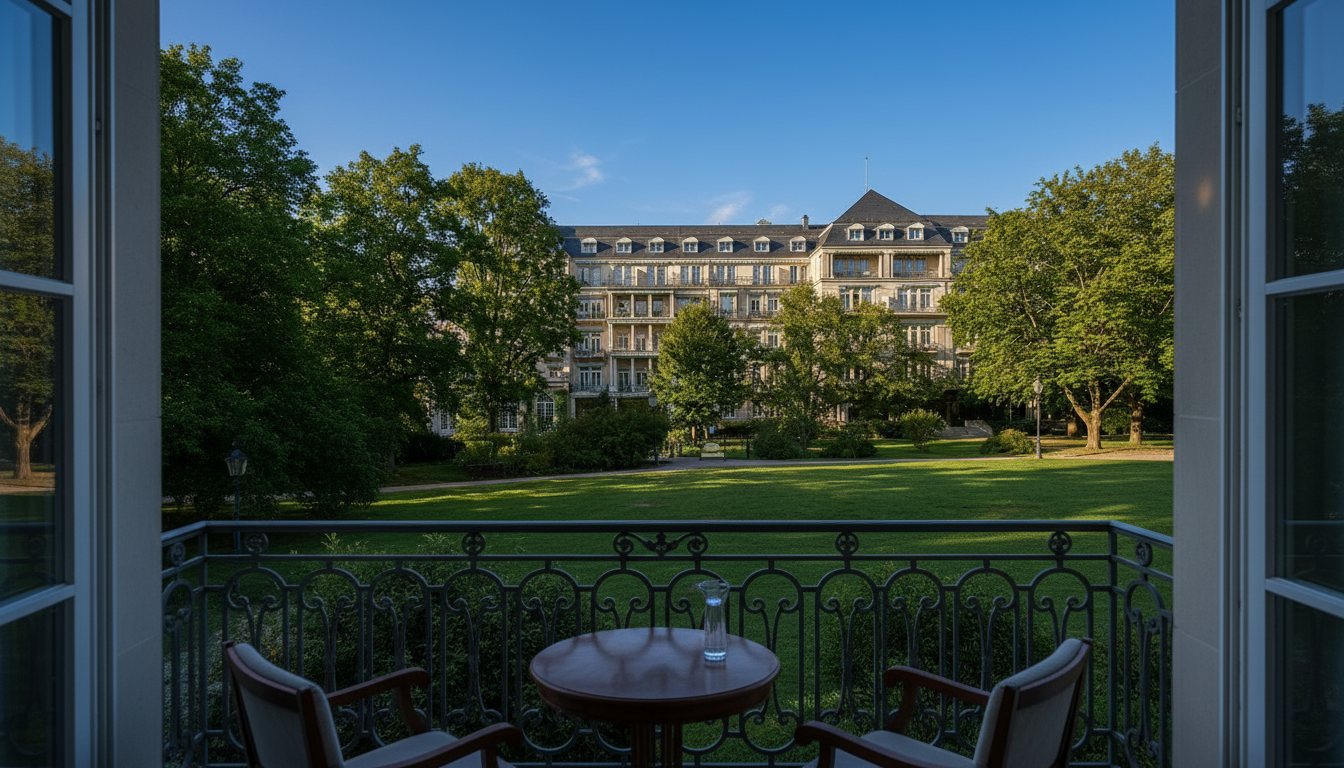
My suite, overlooking the park, was a lesson in classical restraint. The proportions were generous, the ceilings high, the palette a soothing composition of creams, golds, and soft blues. It was the details that spoke loudest: the reassuring weight of the door, the crispness of the linens, the thoughtful placement of a writing desk by the window. The air was still and cool. From the balcony, the only sounds were the rustle of leaves and the distant laughter of children playing in the park. It is a place designed not for fleeting spectacle, but for the deeper, more satisfying luxury of quiet contemplation. One does not simply stay at Brenners; one resides.
The Art of Restoration
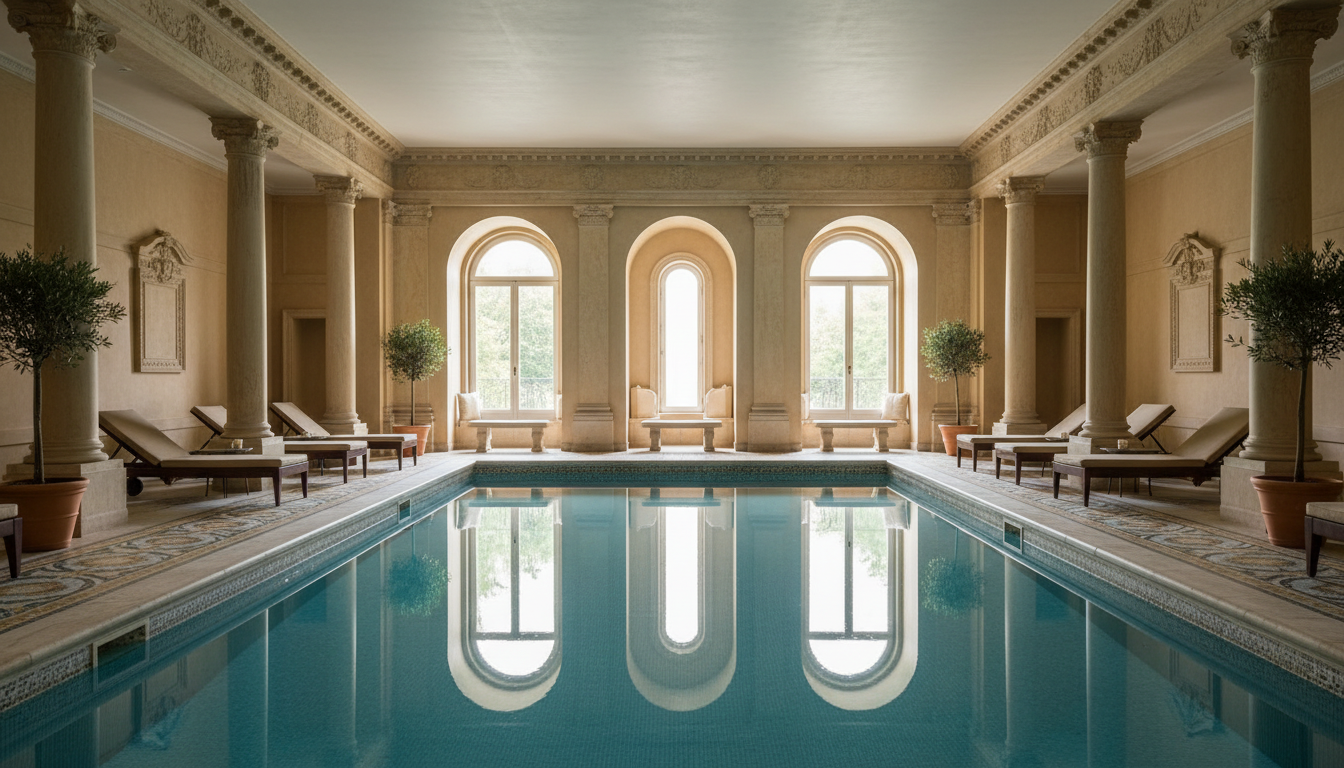
The soul of Brenners, and indeed of Baden-Baden itself, is water. The town was founded on its thermal springs, and the hotel’s Villa Stéphanie spa is a modern temple to their restorative power. The facility, housed in an adjacent villa, is a world away from the transient trends of contemporary wellness. The approach is serious, medical, and deeply personalized. The centrepiece is the magnificent indoor pool, housed in a Roman-style atrium, its calm surface reflecting the green of the private park outside. A few lengths in the quiet of the early morning, before the day truly began, felt less like exercise and more like a private ritual.
Beyond the water, the spa’s expertise is profound. Consultations are not brief formalities but in-depth dialogues. The focus extends from physiotherapy and nutrition to aesthetic medicine, all delivered with a characteristic German precision. It is a place built for tangible results, a holistic recalibration of body and mind that feels both scientifically advanced and deeply traditional.
A Taste of the Region
Dining at Brenners is a reflection of its dual character: rooted in its region, yet cosmopolitan in its outlook. Dinner at Fritz & Felix, the hotel’s contemporary restaurant, was a vibrant affair. The atmosphere is convivial, a stark but welcome contrast to the hushed serenity of the main hotel. The menu, built around a charcoal grill, is an inventive exploration of local produce. A dish of Black Forest trout, kissed with smoke from the grill and served with crisp, seasonal vegetables, was a perfect encapsulation of the place—elemental, refined, and deeply satisfying.
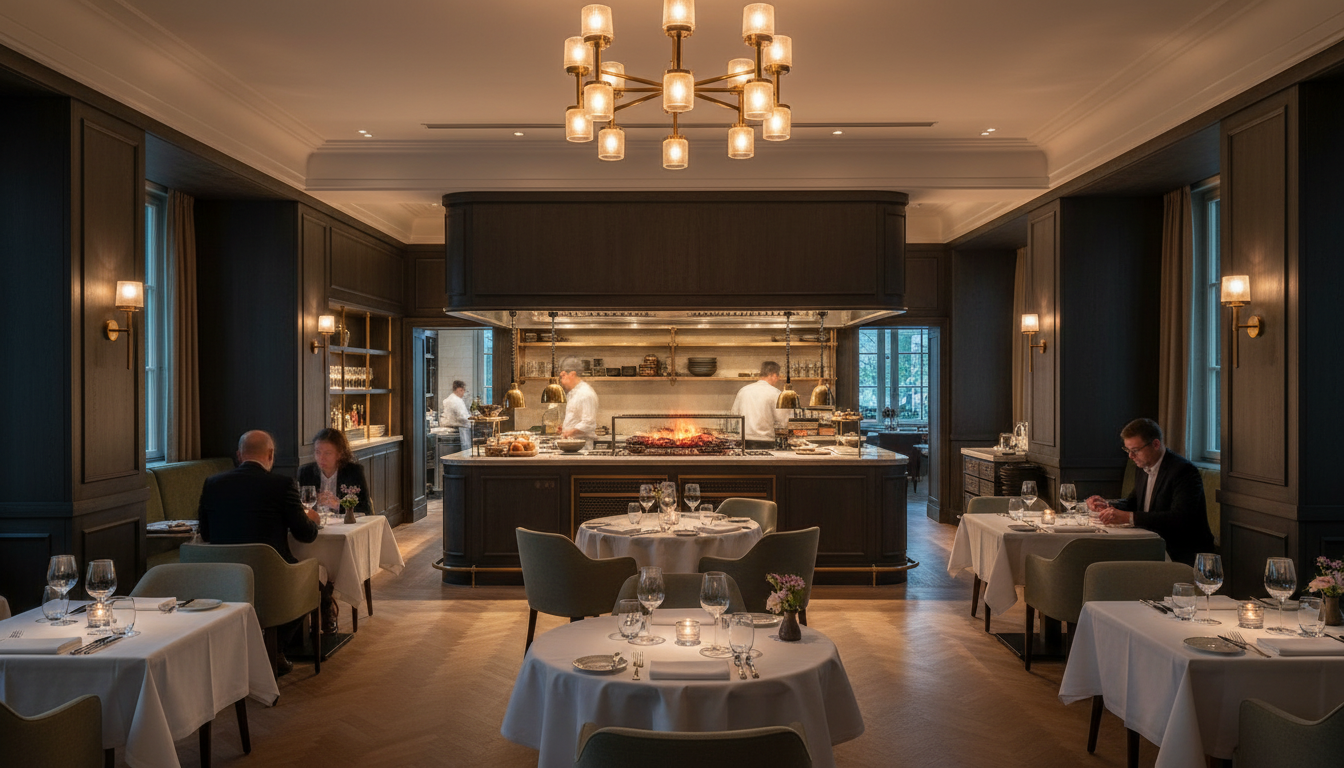
Later in the week, a simpler pleasure: a light lunch on the terrace of the Wintergarten, watching the world drift by on the Allee. The service, as ever, was impeccable—attentive yet unobtrusive, a ballet of quiet efficiency that is the hallmark of true European hospitality. It is a skill honed over generations, an institutional memory of how to provide comfort without ever being conspicuous.
A Legacy on the Allee
To walk the length of the Lichtentaler Allee is to understand the enduring appeal of Baden-Baden. The path leads past the modern art of the Museum Frieder Burda and the classical grandeur of the Trinkhalle, a reminder that this town has always been a crossroads of culture. Brenners is the anchor of this world. It is more than a hotel; it is an institution, a custodian of a certain way of life. Checking out on a bright Friday morning, the feeling was not one of leaving a hotel, but of departing from a great and gracious house, its tranquility a gift to carry back into the world.