Asador Etxebarri: A Basque Testament to Smoke and Fire
In the quiet hills of Axpe, a singular vision of Basque grilling has redefined the relationship between flame and food. It is a place of elemental truths, where the purest flavours are coaxed into being by a master of embers.
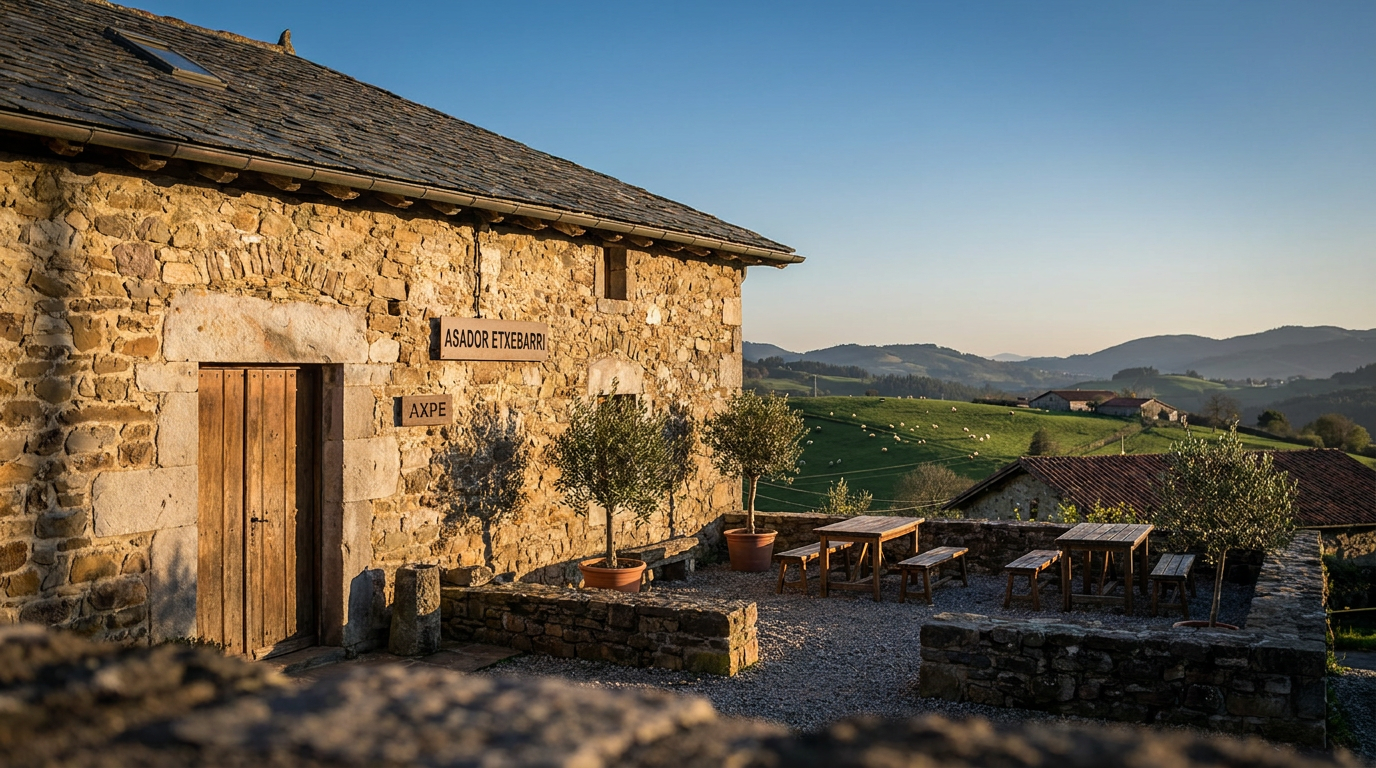
There is a certain pilgrimage involved in reaching Asador Etxebarri. The journey from Bilbao unwinds into the Atxondo valley, a landscape of steep, verdant hills and quiet Basque villages that seem to hold their breath against the intrusion of the modern world. Arriving in the small parish of Axpe, one finds not a grand temple of gastronomy, but a solid, unassuming stone building that has stood for generations. It houses a bar on the ground floor, where locals still gather for a drink, and the celebrated dining room upstairs. It is a picture of pastoral calm, a deliberate counterpoint to the intensity of the cooking that has made it a global destination.
My visit, on a warm afternoon earlier this month, began on the small terrace. The air itself felt different here—cleaner, laced with the faint, sweet perfume of burning wood. Chef Victor Arguinzoniz is a man who has dedicated his life to the singular art of grilling, a la brasa. He is not merely cooking over fire; he is in dialogue with it. He famously designed his own adjustable-height grills, allowing for meticulous control over heat. He selects specific woods—holm oak for fish, grapevine for beef—for the particular character of their smoke. This is not barbecue; it is a form of culinary alchemy, where smoke is not a blunt instrument but a delicate, almost ethereal seasoning.
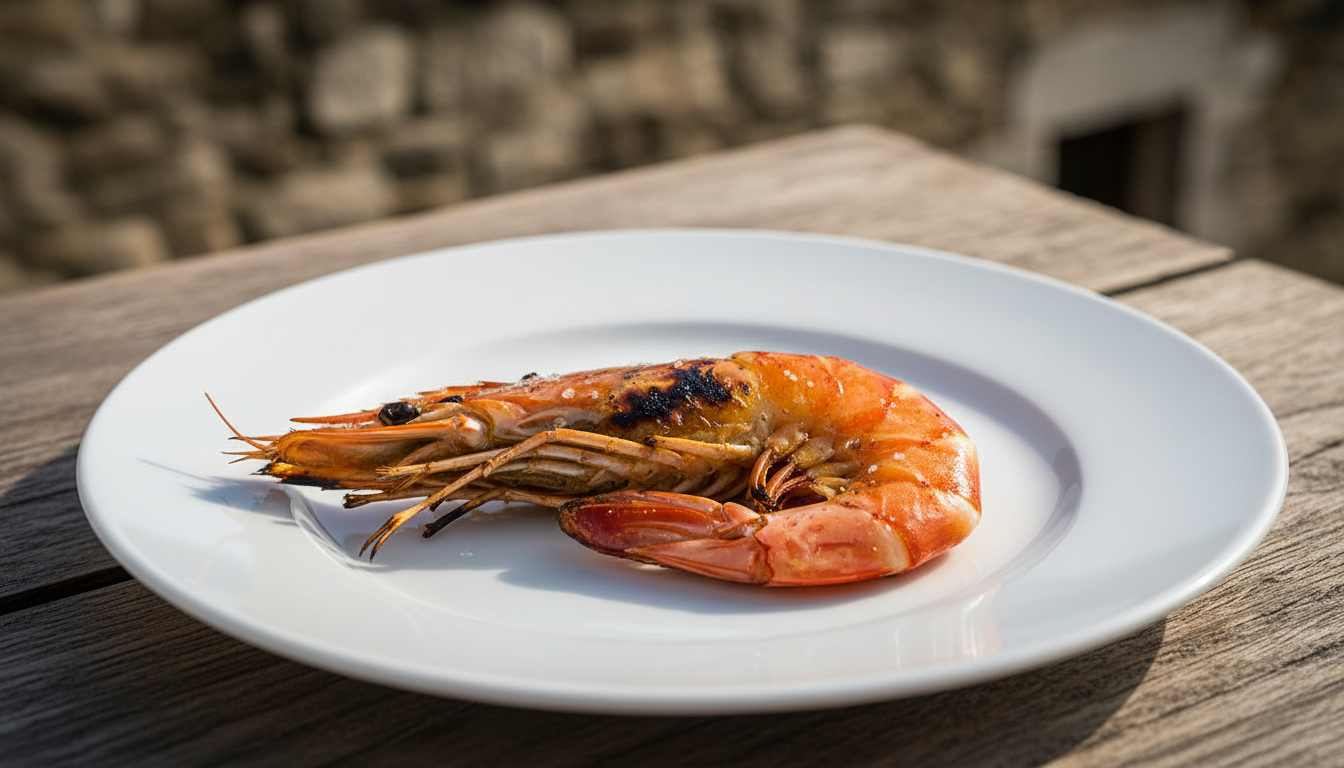
The procession of courses began with a disarmingly simple dish of house-made chorizo, sliced thin and bearing a gentle warmth and a whisper of smoke that was more aromatic than pungent. It was followed by a single, perfect Palamós prawn. Placed on the grill for mere seconds, it arrived glistening, its flesh translucent and sweet, tasting profoundly of the sea. There is a radical simplicity at play here. The goal is not to transform the ingredient, but to reveal its most essential self. Arguinzoniz acts as a conduit, using the fire to unlock flavours that are already there, latent and pure. Each dish is a lesson in restraint, a testament to the quality of the product, sourced with obsessive care from the surrounding land and sea.
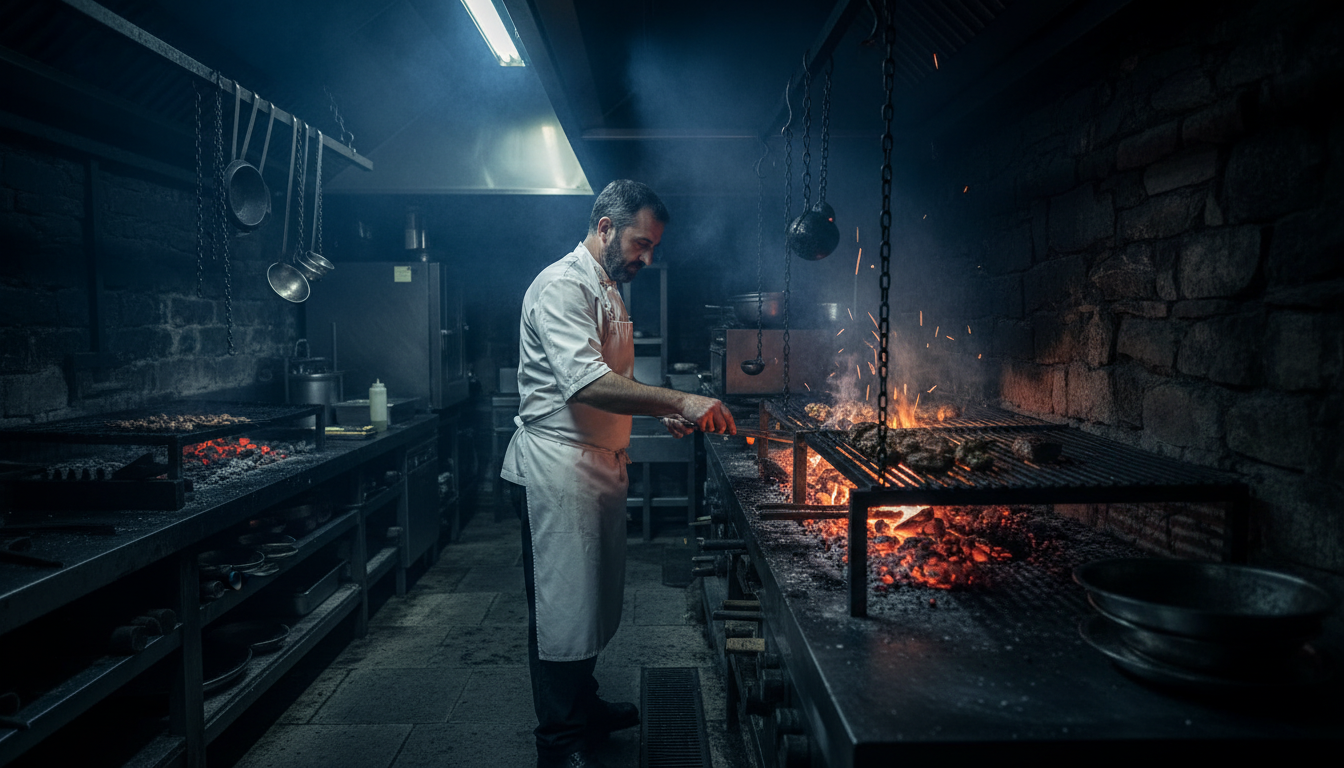
The Sanctum of Embers
The kitchen, which I was afforded a brief glimpse of, is a study in focused intensity. It is a surprisingly quiet space, dominated by the array of custom-built grills and the steady, rhythmic work of the team. There are no loud commands, only the soft hiss of food meeting hot metal and the rustle of embers being tended. Arguinzoniz himself is a figure of quiet authority, his attention fixed entirely on the fire. He works with a craftsman’s concentration, his movements economical and precise. He built this world himself, from the tools to the techniques, driven by a desire to grill ingredients that others thought impossible—delicate kokotxas (hake throats), tiny elvers, even caviar. It is a testament to a singular, unwavering vision.
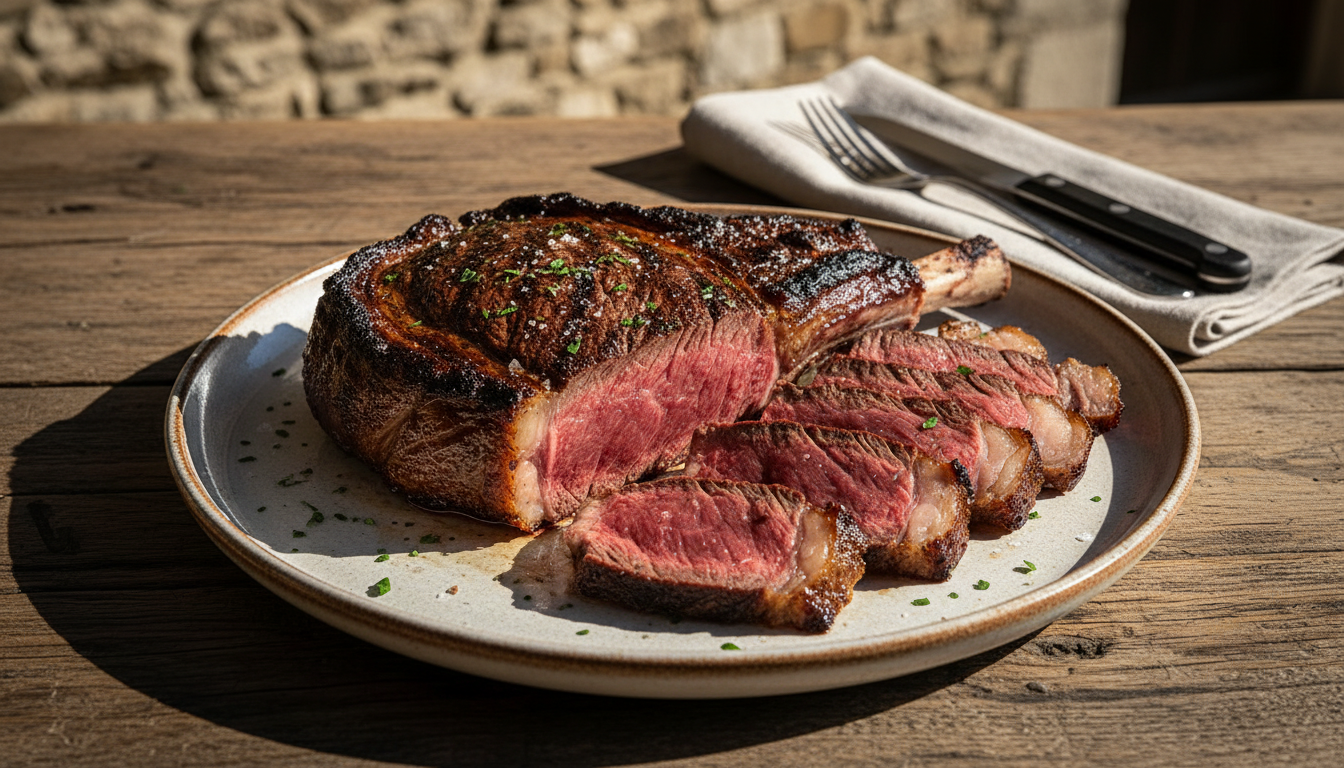
A Study in Texture and Temperature
A dish of green peas, impossibly sweet and tender, arrived in their own broth, kissed by the grill just enough to warm them through. Then came the salted and cured anchovy on a piece of toasted bread, a perfect counterpoint of salinity and crunch. The crescendo of the savoury courses was a thick-cut chop of Galician beef, aged for weeks. The exterior was a deeply caramelised crust, the interior a perfect ruby red. The flavour was immense, complex, and deeply beefy, the smoke from the grapevine embers weaving through the richness of the fat. It was not just a steak; it was the distillation of a landscape, a breed, and a technique—a story told in flavour and texture.
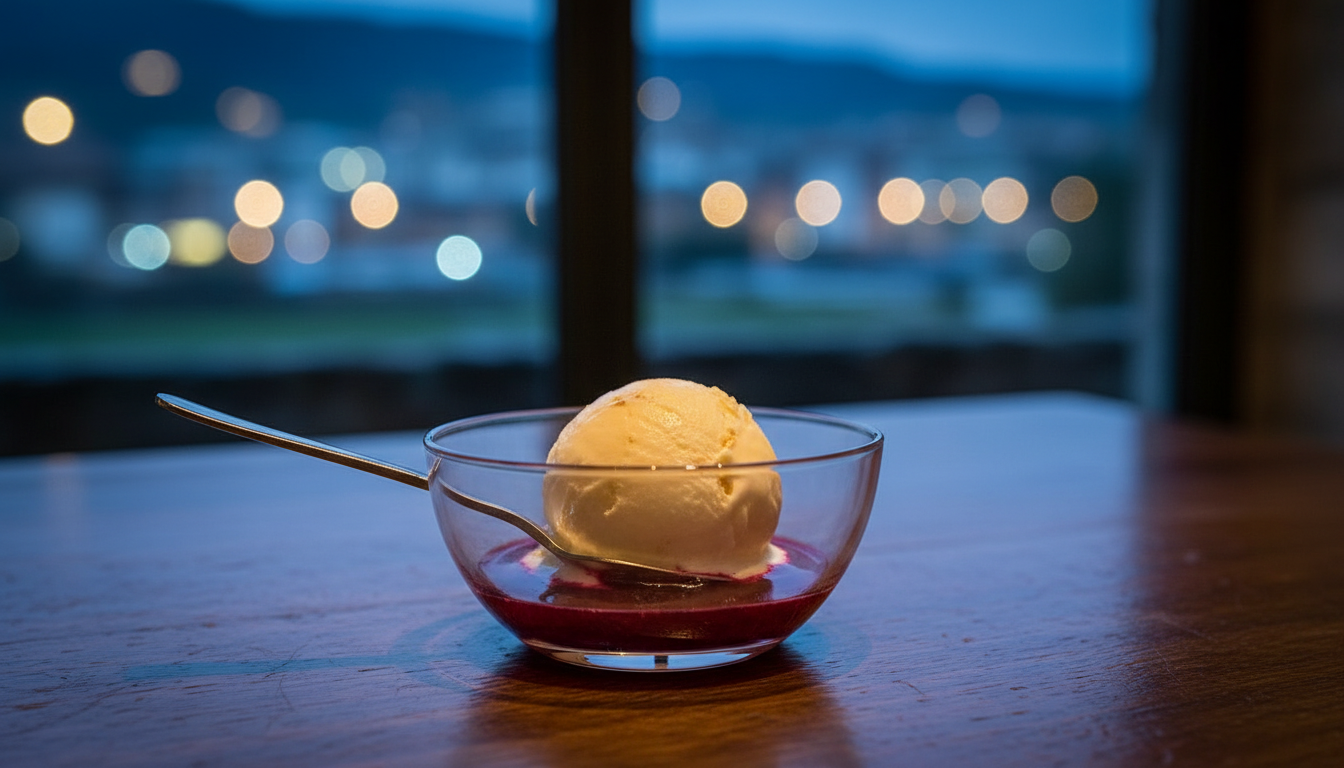
Dessert continued the theme in a way that might seem surprising: smoked milk ice cream. Served over a crimson beetroot juice, the flavour was subtle, haunting. The smoke was not a gimmick; it added a savoury depth, a ghostly note that balanced the sweetness of the milk and the earthiness of the beet. It was a final, quiet statement of purpose. At Etxebarri, fire is not merely a source of heat; it is the foundational element, a versatile and expressive ingredient in its own right, capable of touching everything from the most robust chop of beef to the most delicate scoop of ice cream. Leaving as the afternoon sun began to dip behind the hills, the scent of woodsmoke lingering in the air, one feels a sense of having encountered something elemental and true. It is a quiet, profound, and utterly singular experience.