A Tale of Two Valleys
The character of a great cigar is not merely a matter of brand or band, but of the earth from which it springs. A gentleman’s inquiry into the hallowed soils of Cuba’s Vuelta Abajo and the Dominican Republic’s Cibao Valley.
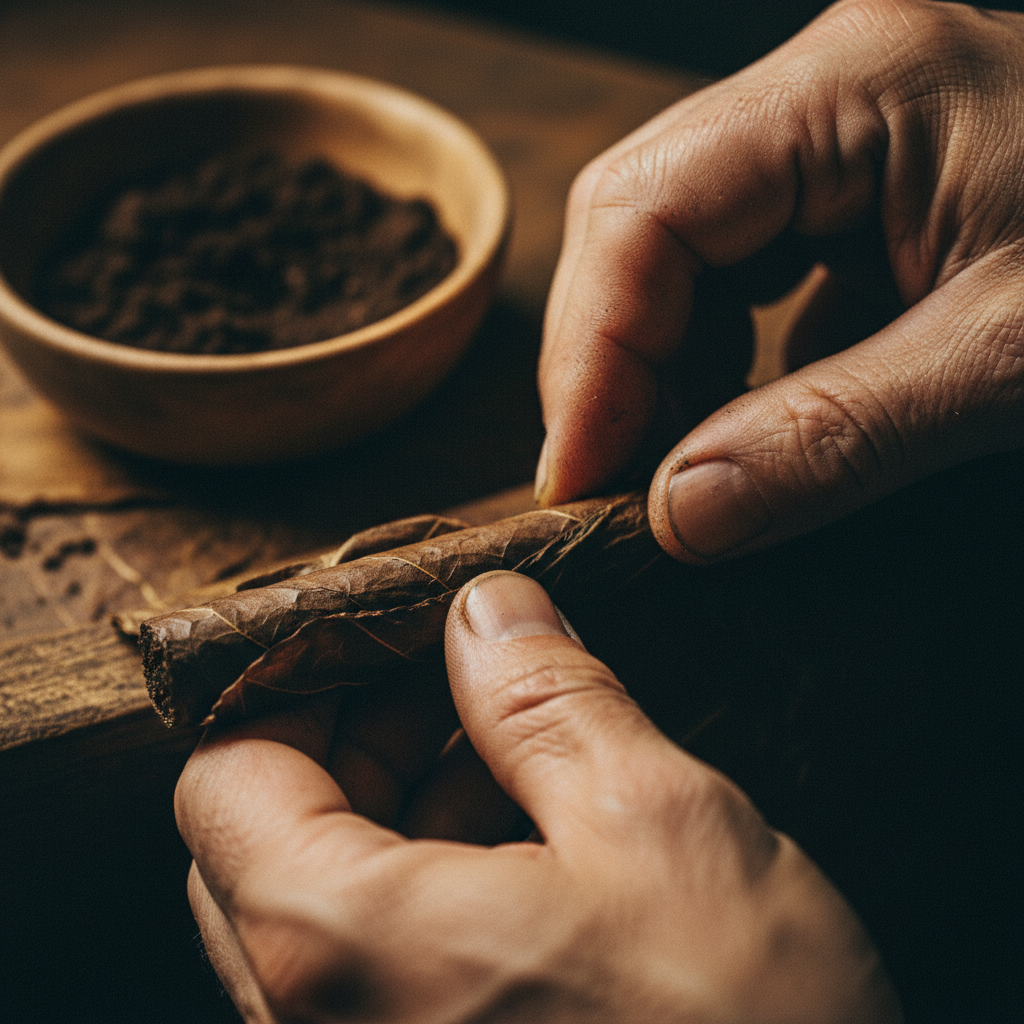
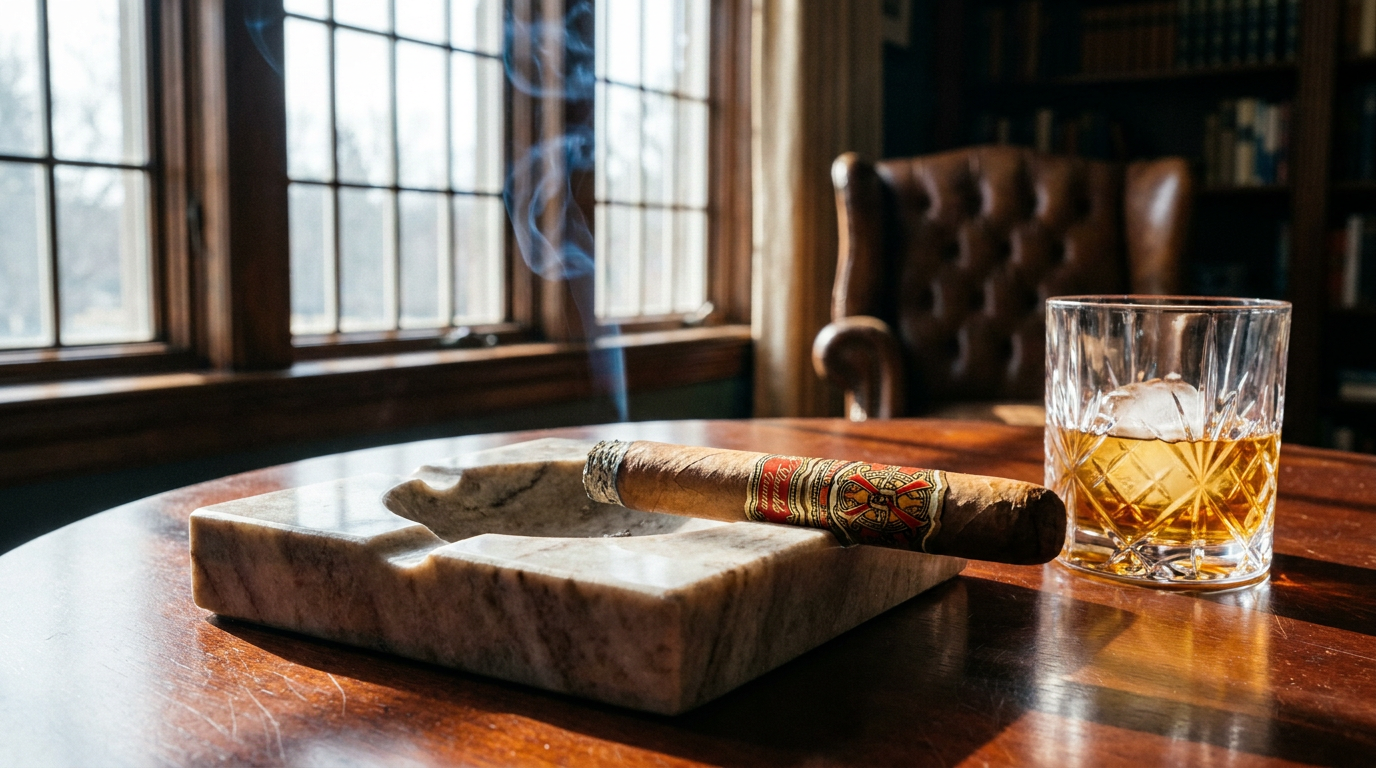
One finds oneself, on a quiet evening, in a familiar chair. Before you, on the polished cedar tray, lie two cigars. Both are handsome, flawlessly constructed, promising an hour of contemplative pleasure. One is Cuban, the other Dominican. The eternal question, posed silently or aloud amongst friends, is not “which is better,” but “what is the difference?” For the man who knows, the answer lies not in the flag, but in the soil. It is a tale of two valleys.
The ritual of the cigar is, in its highest form, a meditation on geography. To truly understand the rich, spicy heart of a Partagás Lusitania or the creamy elegance of a Davidoff Aniversario, one must mentally travel to the fields—the vegas—where they were born. The story of a cigar begins in the earth, and the two most sacred plots on the planet are the Vuelta Abajo in Cuba’s Pinar del Río province and the Cibao Valley in the Dominican Republic.
The Red Earth of the Vuelta Abajo
To speak of Cuban tobacco is to speak of the Vuelta Abajo. This relatively small patch of land, sheltered by the Sierra de los Órganos mountains, is to cigars what Champagne is to sparkling wine: the benchmark, the original, the archetype. Its uniqueness is a matter of geology and climate, a happy accident of iron-rich, red-clay soil and the perfect levels of humidity and rainfall.
The tobacco grown here is not merely a crop; it is the national patrimony. The soil imparts a character that is unmistakable: a potent, complex blend of spice, leather, and coffee, with an earthy depth that is its signature. There is a certain inimitable zest, a ‘twang’ on the palate that connoisseurs can identify in a blind tasting. This is the flavour of the red earth. It is a bold, unapologetic profile, one that has been cultivated and refined for centuries, yielding the legendary wrappers, binders, and fillers that form the heart of a true Habano. The experience is intense, a direct communion with a specific, revered place.
The Cultivated Soils of the Cibao
Across the Windward Passage, in the Dominican Republic, lies the Cibao Valley. Flanked by the Cordillera Septentrional to the north and the Cordillera Central to the south, this is the engine room of the non-Cuban cigar world. The history of this valley is inextricably linked with Cuba; following the revolution, many of Cuba’s most knowledgeable tobacco men fled here, bringing their precious seeds and, more importantly, their generational expertise.
But the Cibao is not a mere imitation of Cuba. Its soil is different—less overtly powerful, perhaps, but possessed of a remarkable versatility. It is a rich and loamy soil that, in the hands of a master blender, can produce a stunning spectrum of flavours. Where the Cuban profile is a declarative statement, the Dominican is a nuanced conversation. Tobaccos grown here are noted for their balance and a certain patrician restraint. There is often a smoothness, a creamy or nutty character that provides a sophisticated counterpoint to the Cuban spice. The art in the Cibao is one of blending, of taking these exceptional tobaccos and combining them with wrappers from Connecticut, Ecuador, or Cameroon to create a harmonious and complex whole. It is the victory of craft over terroir, a testament to what discerning hands can coax from the earth.
To know this is to enhance the ritual. As the smoke curls and the ash lengthens, you are not merely enjoying a luxury good. You are tasting the red clay of Pinar del Río or the well-tended loam of Santiago. You are engaging in a dialogue with the sun, the rain, and the soil of a very particular place. And in that moment, the quiet pleasure of a good cigar becomes something more: a true connection to the world.