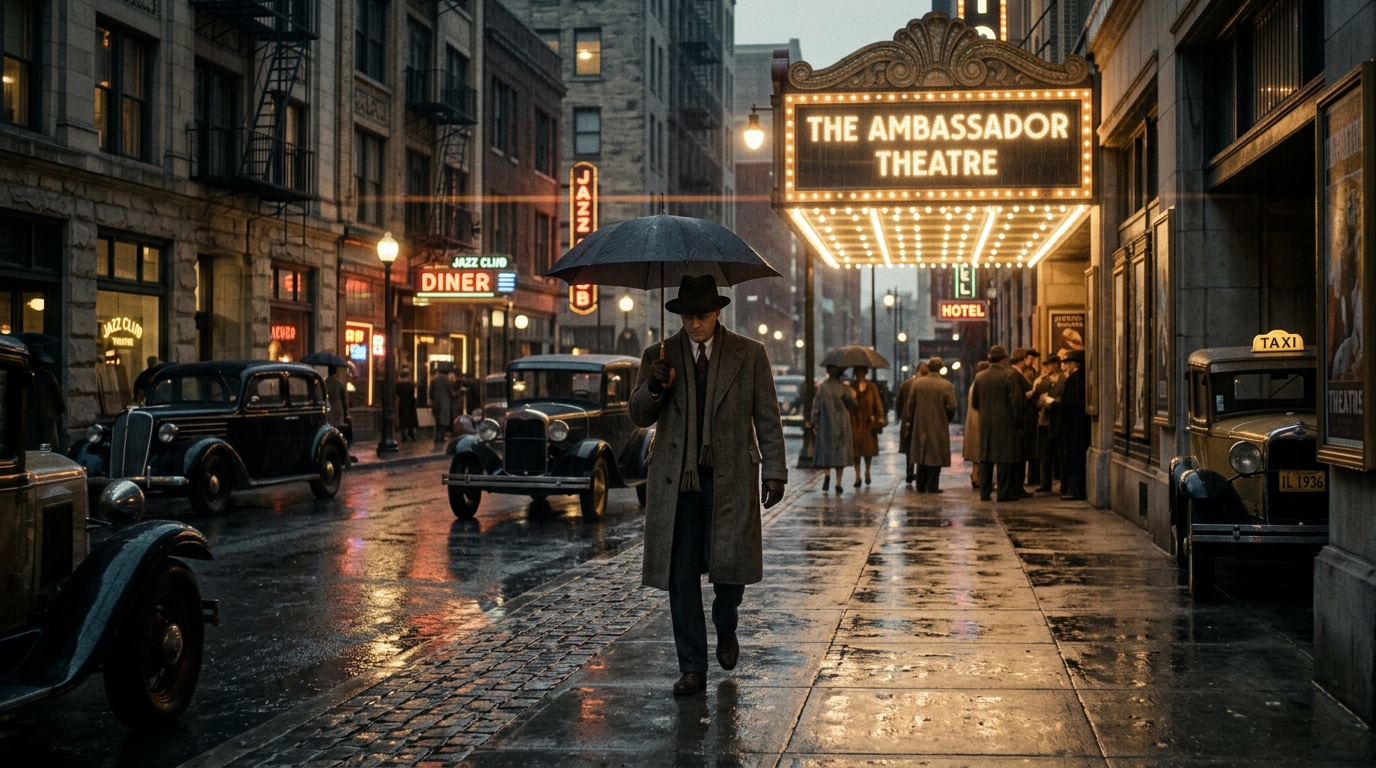
Original interpretation — not a still from the production
A masterclass in elaborate deception, cloaked in vintage American style.
The Continental Verdict
Essential
George Roy Hill's 1973 triumph, "The Sting," remains a peerless exercise in cinematic con artistry. Reuniting the dream pairing of Paul Newman and Robert Redford from "Butch Cassidy and the Sundance Kid," the film transports audiences to 1930s Chicago, a world of fedoras, speakeasies, and meticulously orchestrated swindles. Following the murder of a small-time grifter, Johnny Hooker (Redford) seeks out the legendary Henry Gondorff (Newman), a seasoned con man living in self-imposed exile, to avenge his friend. Their target: the ruthless Irish-American mob boss, Doyle Lonnegan (Robert Shaw).
The genius of "The Sting" lies in its intricate plot, which unfolds with the precision of a Swiss timepiece, all while maintaining an air of playful theatricality. The film’s narrative structure, complete with intertitles announcing chapters of the con, adds to its charm, guiding the viewer through a labyrinth of false fronts, double-crosses, and the ultimate, exhilarating reveal. Beyond the plot, it is the chemistry between Newman and Redford that truly elevates the picture, their effortless camaraderie and knowing glances underpinning every elaborate ruse. The supporting cast, particularly Robert Shaw's chilling portrayal of Lonnegan, further enriches a narrative that, for all its light-heartedness, never shies from the genuine peril faced by its protagonists.
Why Watch It
The Gentleman Factor
The art of the long game; the satisfaction of outwitting a formidable opponent; the value of impeccable presentation and unshakeable confidence, even when operating outside the law.
Look Out For
- Period authenticity
- Art Deco aesthetics
- Gritty urban charm
The Locations
Chicago, Illinois; Los Angeles, California.
More from the travel pages →The Cars
Period-appropriate saloons and sedans, reflecting the 1930s era, such as a 1930 Packard Eight and various Ford and Chevrolet models.
More from motoring →The Wardrobe
Edith Head’s costume design is a masterclass in period menswear: exquisitely tailored three-piece suits, fedoras, trench coats, crisp shirts with French cuffs, and silk ties. The attention to detail in every ensemble speaks to both the characters’ aspirations and their station, from Hooker’s initial dishevelled charm to Gondorff’s impeccably tailored suits.
More on style →The Soundtrack
Marvin Hamlisch's arrangements of Scott Joplin's ragtime compositions, most notably "The Entertainer," which became synonymous with the film.
Into the music room →Watch Next
Where to Watch
Available for streaming and rental on major digital platforms.
For the Collection
Also in The Criminal Gentleman
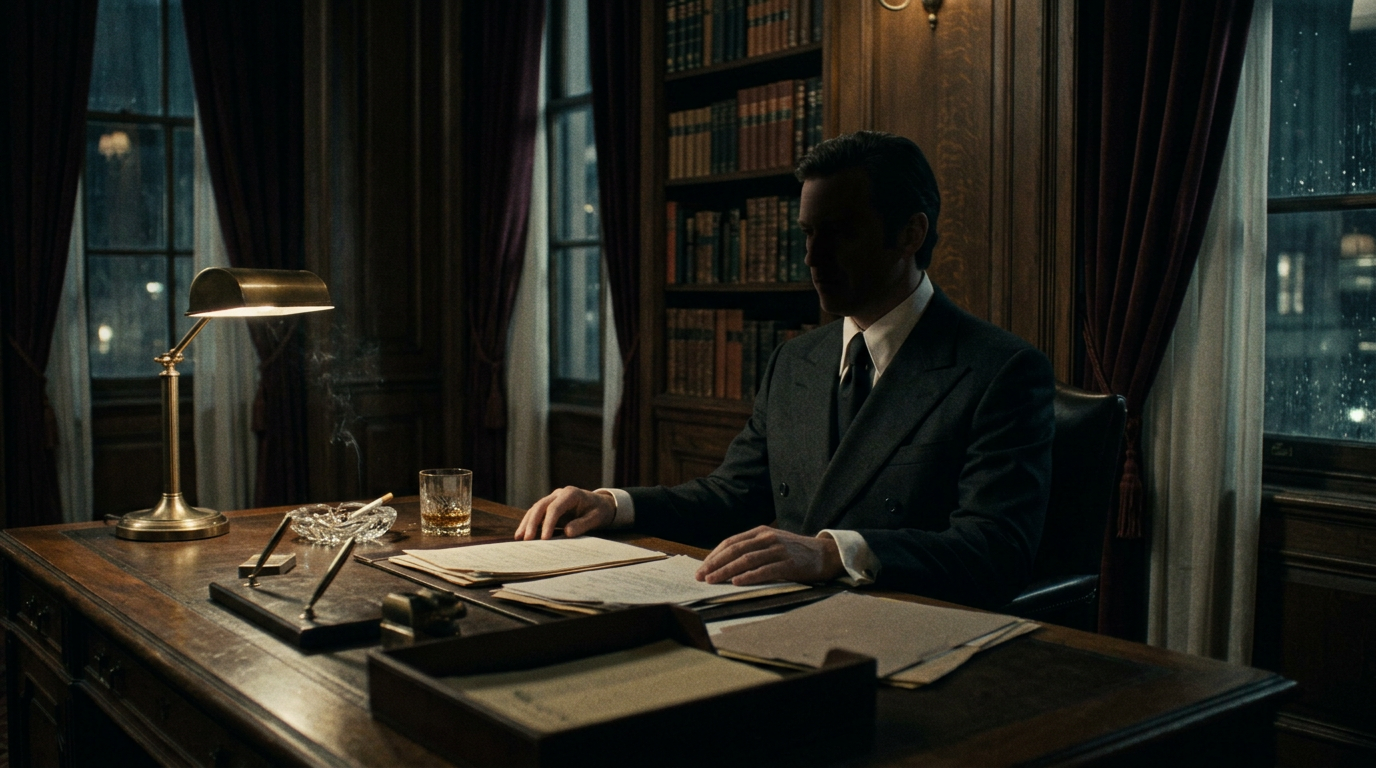
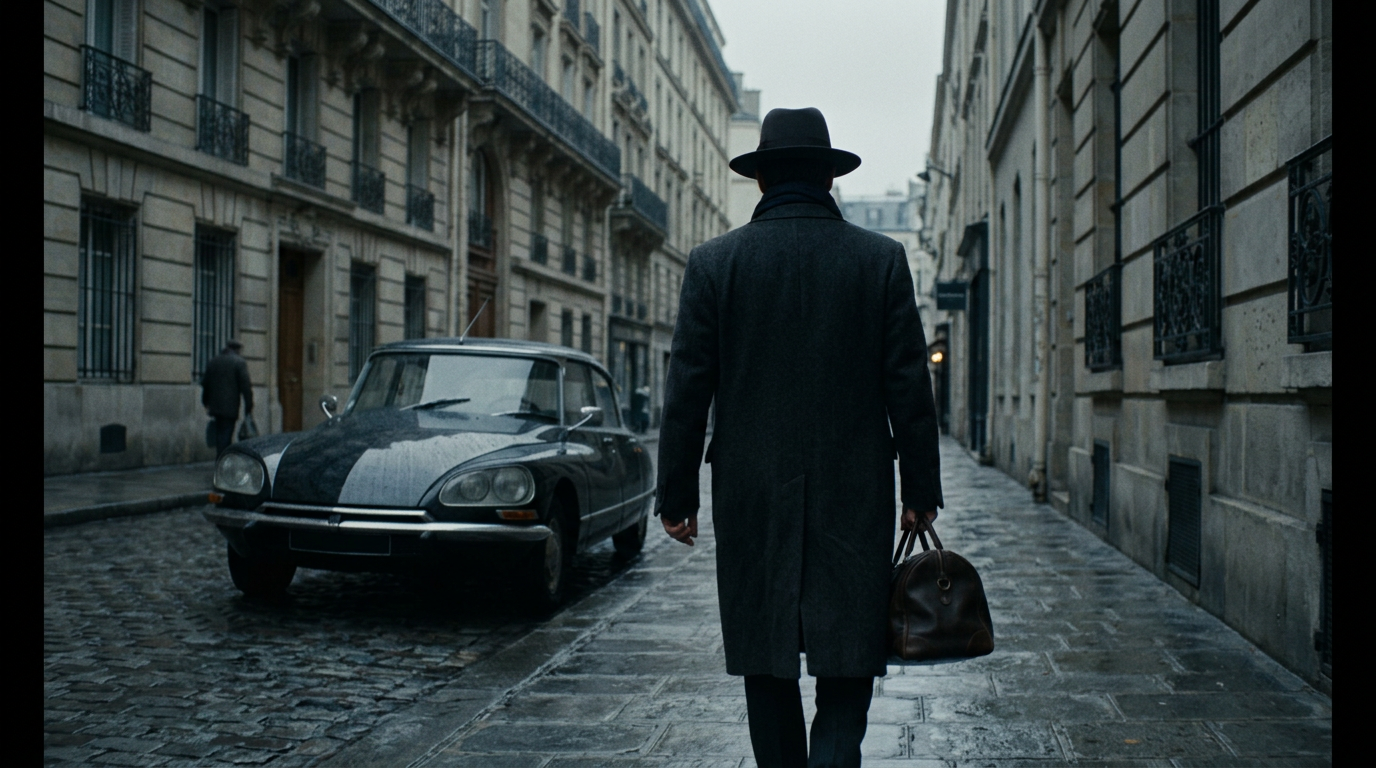
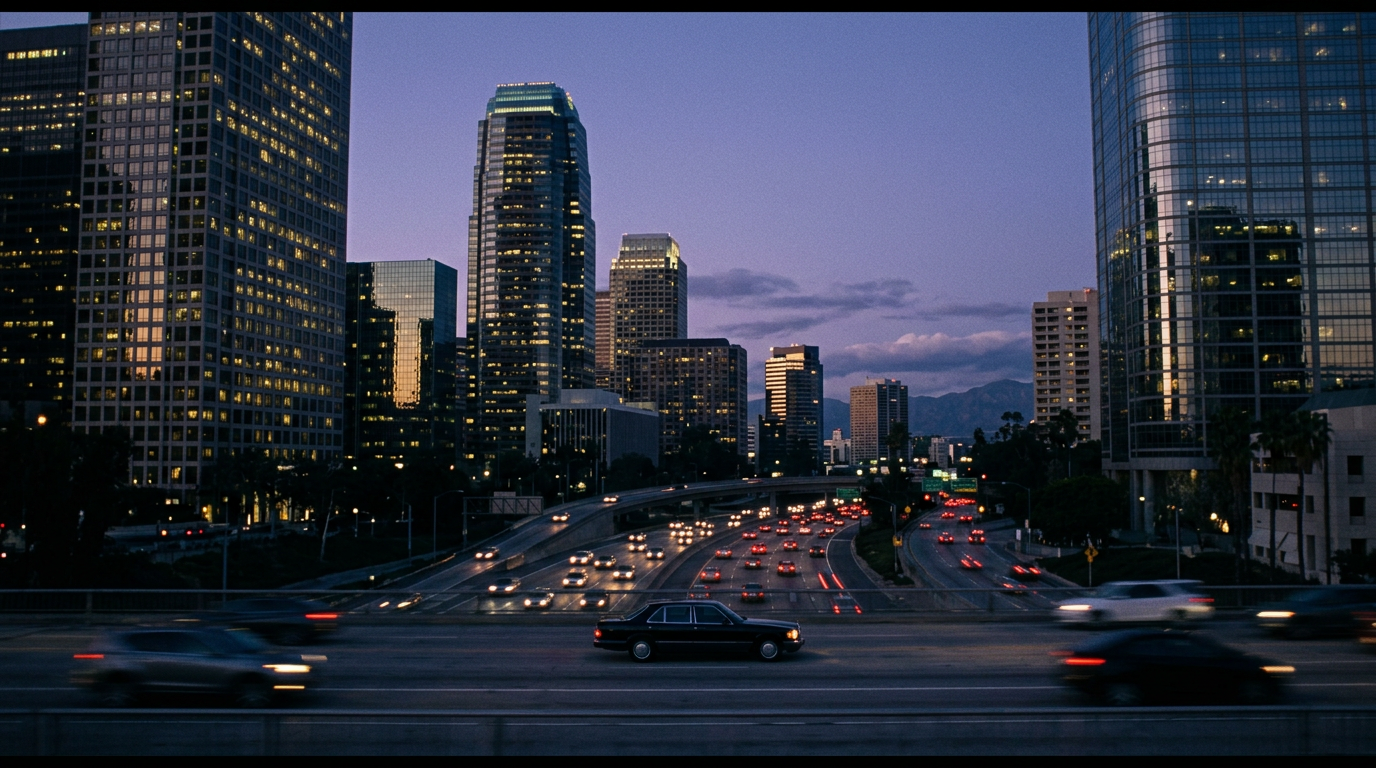
As an Amazon Associate I earn from qualifying purchases. Links cost you nothing and never influence what we recommend. Recommendations are honest and never paid for. Imagery is an original interpretation, not a still from the production.