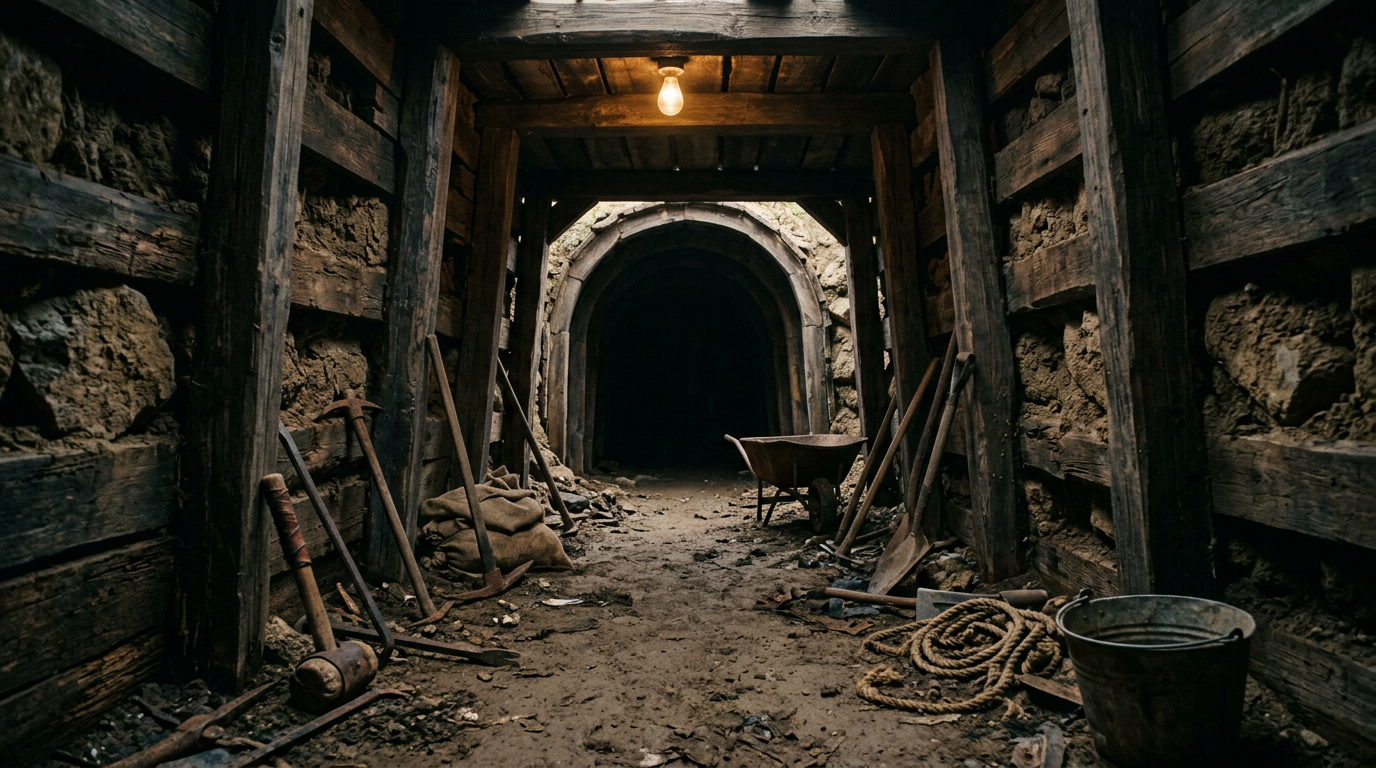
Original interpretation — not a still from the production
Stalag Luft III: A testament to the indomitable human spirit, where meticulous planning and sheer grit transcend the confines of wartime internment.
The Continental Verdict
Essential
John Sturges's monumental 1963 production, "The Great Escape", is more than a mere war film; it is a meticulous study in engineering, espionage, and the relentless pursuit of liberty. Based on Paul Brickhill's non-fiction account, the film chronicles the audacious escape of Allied airmen from the seemingly impenetrable Stalag Luft III, a German prisoner-of-war camp. Sturges orchestrates a vast ensemble cast with precision, allowing individual character arcs to contribute to the collective, desperate endeavour. The narrative eschews overt sentimentality, focusing instead on the practicalities of tunneling, forgery, and diversion, highlighting the extraordinary ingenuity that flourished under duress. The tension, often understated, builds with a methodical pace, culminating in a sequence of events that remain both exhilarating and profoundly melancholic.
The film endures not only for its narrative power but for its portrayal of a certain kind of steadfast resolve. It presents men of various nationalities, united by a common objective, demonstrating leadership, camaraderie, and an unyielding commitment to duty, even in the most adverse circumstances. While the scale of the escape itself is breathtaking, it is the quiet moments of collaboration and the subtle interplay of personalities that truly define its enduring appeal. The ultimate cost of their freedom serves as a stark reminder of the sacrifices made, cementing "The Great Escape" as a seminal work in the war genre, transcending simple adventure to offer a poignant reflection on courage and the price of defiance.
Why Watch It
The Gentleman Factor
The gentleman takes from this film a profound appreciation for strategic thinking, collective endeavour, and audacious courage in the face of overwhelming odds. It is a masterclass in resolve and resourcefulness, demonstrating how intellect and resilience can triumph even in the most confined circumstances.
Look Out For
- The quiet dignity of improvisation
- Ingenuity under duress
- The stoicism of the captive
The Locations
Bavaria, Germany (principally Geiselgasteig Studios near Munich, with exterior filming in Bavaria for authenticity). The camp was meticulously recreated.
More from the travel pages →The Cars
German military vehicles, motorcycles (notably Steve McQueen's Triumph TR6 Trophy, famously modified to resemble a German BMW R75 for the iconic chase sequence).
More from motoring →The Wardrobe
Authentic RAF and USAAF uniforms (albeit worn and modified for prison camp life), German guard uniforms, and hastily-assembled civilian disguises. The attention to detail in the worn textures of the prisoners' attire speaks volumes.
More on style →The Soundtrack
Elmer Bernstein's iconic, spirited score, which deftly balances moments of jaunty determination with a pervasive sense of peril and the poignant realities of wartime.
Into the music room →Watch Next
Where to Watch
Available on most major digital platforms for rental or purchase.
For the Collection
Also in War & History
As an Amazon Associate I earn from qualifying purchases. Links cost you nothing and never influence what we recommend. Recommendations are honest and never paid for. Imagery is an original interpretation, not a still from the production.