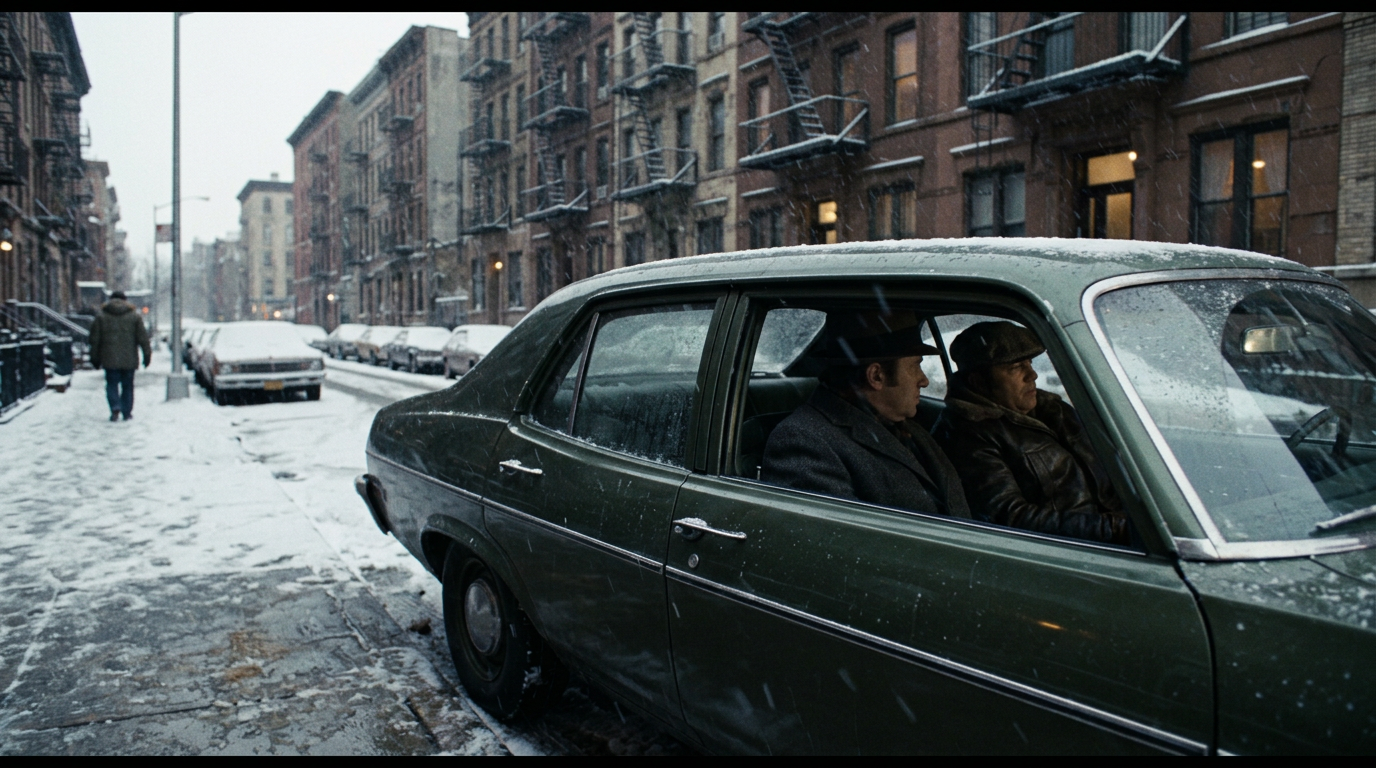
Original interpretation — not a still from the production
New York at its filthiest, and pursuit at its purest.
The Continental Verdict
Essential
William Friedkin’s 1971 masterpiece, *The French Connection*, remains a visceral, relentless study in urban degradation and the singular obsession of a lawman. Gene Hackman’s portrayal of Detective Jimmy 'Popeye' Doyle, an uncouth, morally ambiguous narcotics officer, is not merely acting; it is an immersion into a psyche hardened by the city's grime and the endless, often futile, pursuit of its criminal element. The film’s documentary-like aesthetic, forged in the unforgiving streets of a grimy 1970s New York, lends an unparalleled authenticity to the narrative, plunging the viewer into a world devoid of glamour, where every victory feels temporary and tainted.
At its heart, *The French Connection* is a procedural elevated to high art, a masterclass in tension building culminating in one of cinema’s most iconic chase sequences. Friedkin eschews conventional heroics, instead presenting a bleak panorama of addiction, corruption, and the grinding, thankless labour of police work. The film’s power lies in its unvarnished realism and its unflinching gaze at the compromises made in the name of justice. It’s a testament to the fact that compelling drama does not require sympathetic protagonists, only compelling, deeply human ones caught in an uncompromising reality.
Why Watch It
The Gentleman Factor
An appreciation for the unvarnished realities of a city’s underworld and the dedication, however flawed, required to confront it. It is a lesson in commitment, albeit of a rather brutal variety, and the toll it exacts.
Look Out For
- The squalid, snow-dusted streets of early 1970s New York City
- Gritty, naturalistic cinematography that captures the harsh urban environment
- The stark contrast between the dilapidated American setting and the refined European criminal milieu
The Locations
New York City, particularly Brooklyn (Bensonhurst, Bay Ridge, Coney Island) and Manhattan (Upper East Side, Times Square, Washington Heights); Marseille, France.
More from the travel pages →The Cars
1971 Pontiac LeMans (Doyle’s pursuit vehicle); various American and European cars of the era.
More from motoring →The Wardrobe
Functional, worn attire reflecting the bleak realities of urban police work: thick coats, fedoras, unremarkable suits. Contrasted with the sophisticated, tailored European fashion of Alain Charnier.
More on style →The Soundtrack
Sparse, percussive, and atmospheric jazz score by Don Ellis, reinforcing the film's gritty, tense mood.
Into the music room →Watch Next
Where to Watch
Available on major streaming platforms for rental or purchase; Blu-ray/DVD.
For the Collection
Also in The Criminal Gentleman
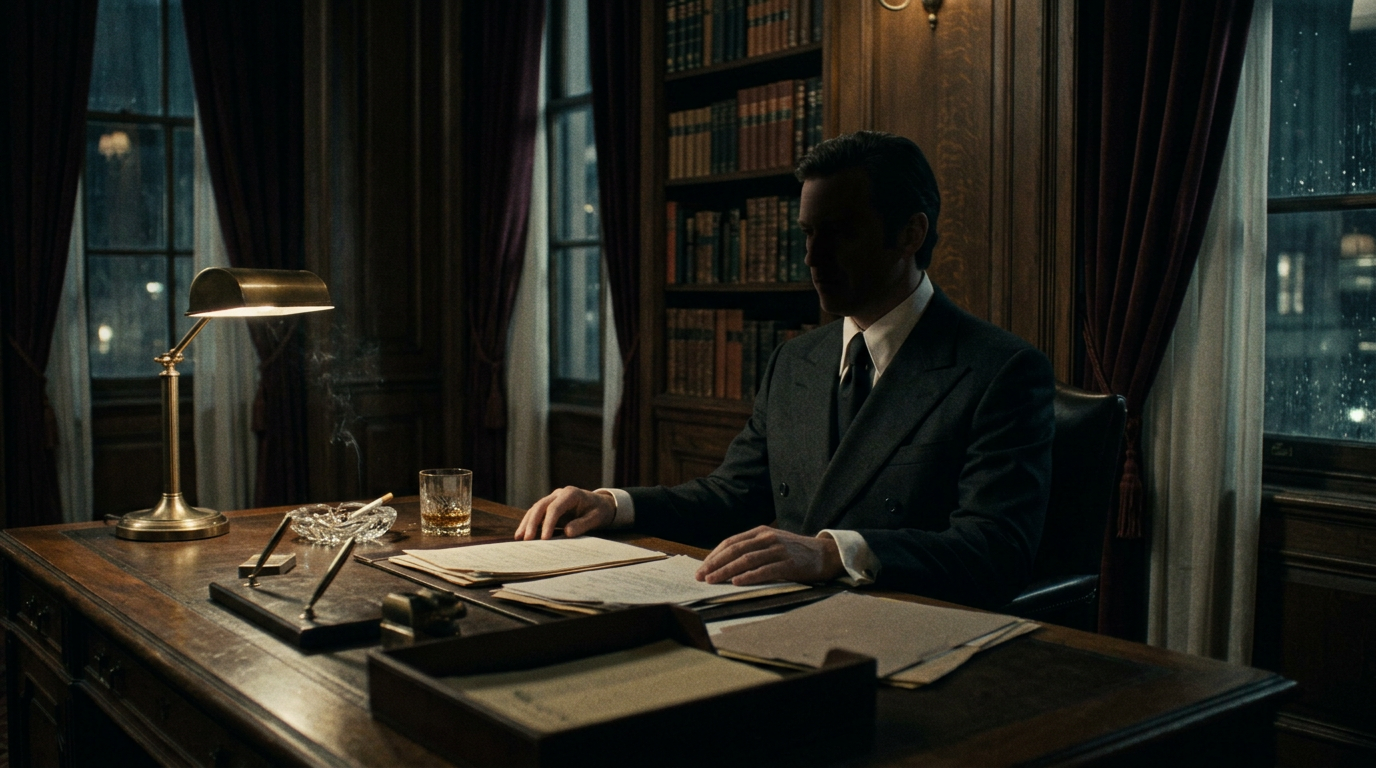
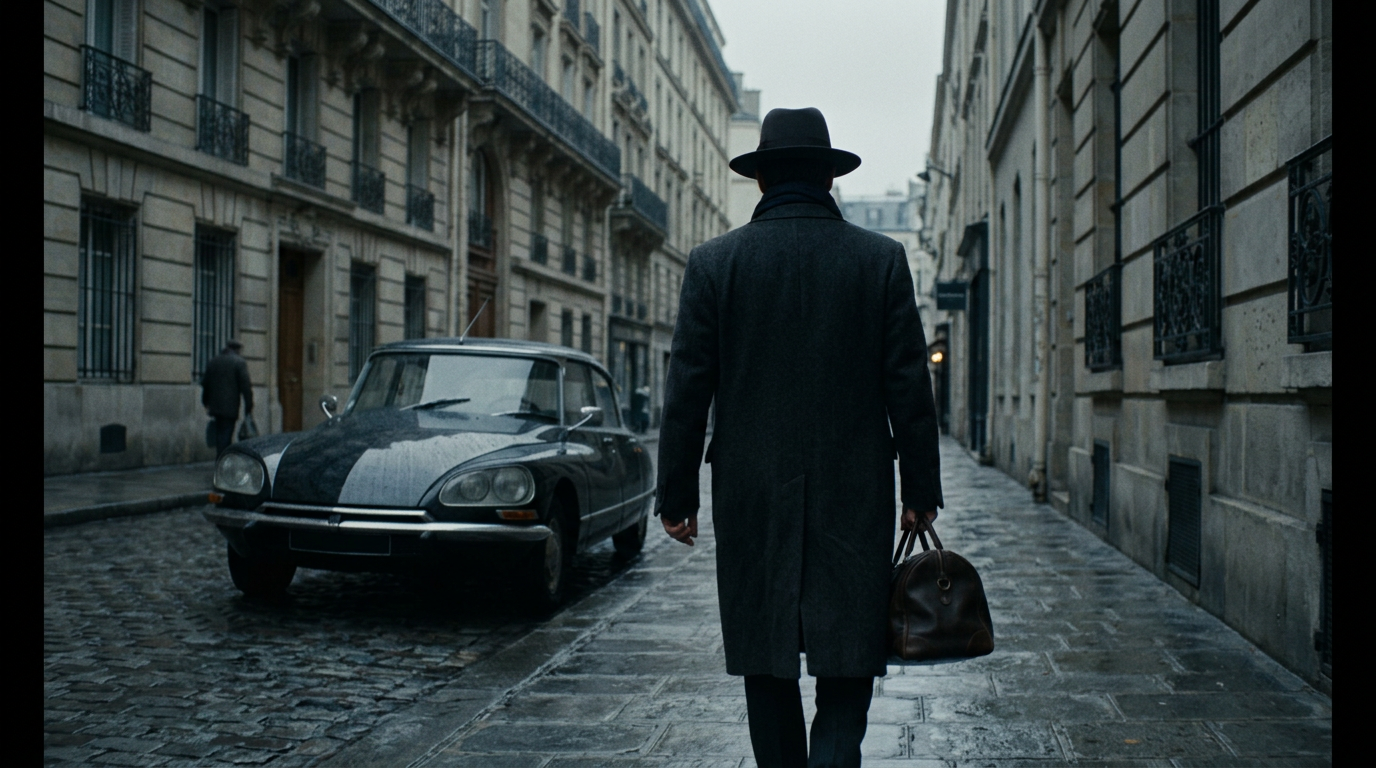
As an Amazon Associate I earn from qualifying purchases. Links cost you nothing and never influence what we recommend. Recommendations are honest and never paid for. Imagery is an original interpretation, not a still from the production.