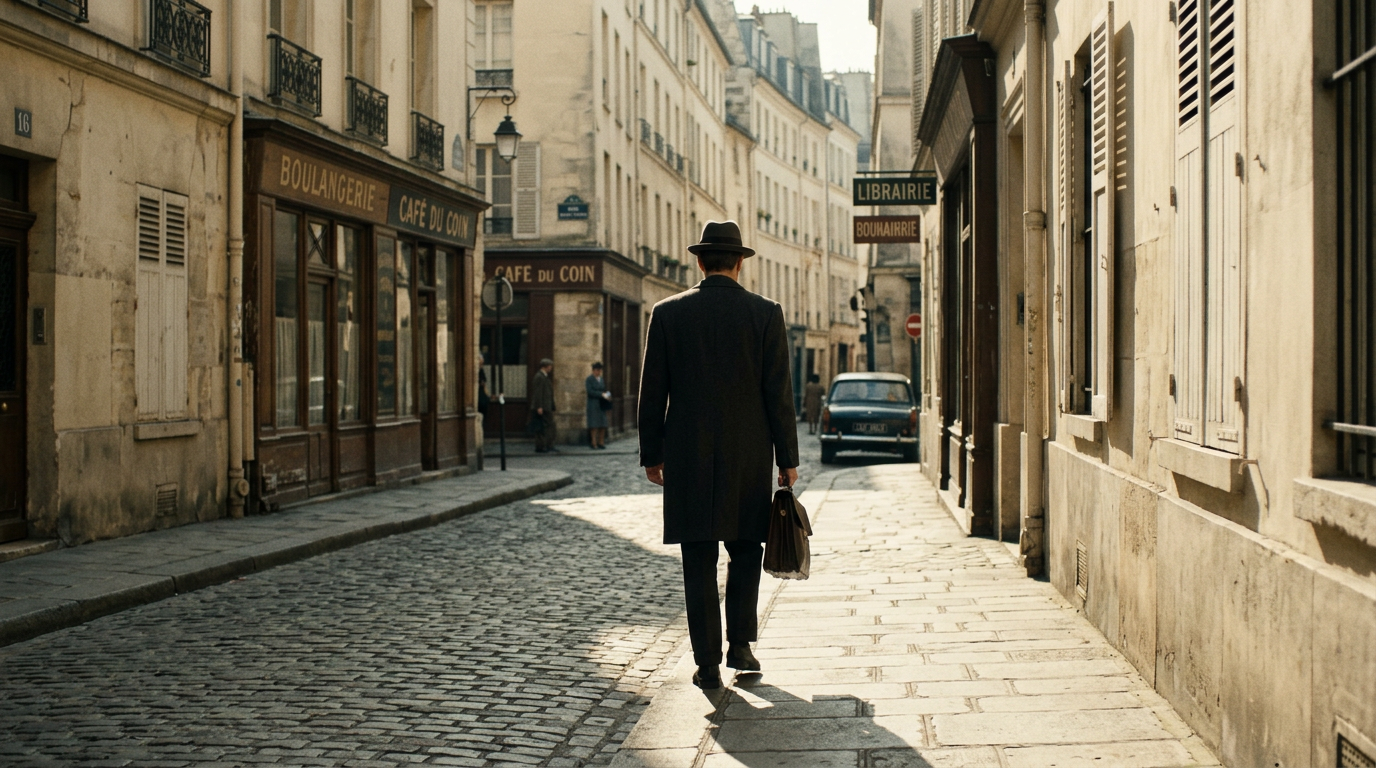
Original interpretation — not a still from the production
Fred Zinnemann's meticulous procedural of an assassination attempt remains a masterclass in tension and understated elegance.
The Continental Verdict
Essential
Fred Zinnemann's 1973 adaptation of Frederick Forsyth's seminal novel, 'The Day of the Jackal', stands as a monumental achievement in the thriller genre. Far from a mere action spectacle, the film is a taut, unyielding procedural, charting with dispassionate precision the meticulous preparations of a professional assassin, known only as the Jackal, hired to eliminate General Charles de Gaulle. Edward Fox delivers a performance of chilling restraint, his Jackal a study in methodical detachment, utterly devoid of the usual cinematic flourishes of villainy. The narrative unfolds with a clockwork inevitability, juxtaposing the assassin's cold efficiency against the relentless, albeit often bureaucratic, efforts of Deputy Commissioner Claude Lebel, played with quiet intensity by Michel Lonsdale, to unmask him. Zinnemann, a director renowned for his rigorous commitment to realism, eschews sensationalism, allowing the inherent tension of the unfolding plot to captivate.
The film’s brilliance lies in its unwavering commitment to realism, presenting the intricate dance between hunter and hunted with almost documentary-like precision. From the forging of false documents to the procurement of a custom-made rifle, every step of the Jackal's plan is rendered with exacting detail, building a suffocating sense of suspense even for those familiar with the outcome. The sprawling pan-European canvas, from the bustling streets of Paris to the sun-drenched Italian countryside, is captured with an eye for authenticity rather than postcard glamour. 'The Day of the Jackal' is not merely a thrilling pursuit; it is an examination of professionalism, patience, and the often-mundane mechanics behind extraordinary events. Its influence on subsequent espionage and crime cinema is indelible, a testament to its enduring power and Zinnemann’s masterful direction.
Why Watch It
The Gentleman Factor
The value of thorough preparation, the virtue of discretion, and the understated power of quiet resolve. One learns that true efficacy rarely announces itself with fanfare.
Look Out For
- 1970s continental tailored casual wear
- Sharp, albeit unostentatious, period suits
- Military uniforms of the French Gendarmerie
The Locations
Paris, France; London, UK; Genoa, Italy; Aude, France; Savoy, France.
More from the travel pages →The Cars
Renault 4, Citroën DS, Peugeot 404, Fiat 124 Sport Coupé, Mercedes-Benz W114.
More from motoring →The Wardrobe
Tanja Zinnemann
More on style →The Soundtrack
Georges Delerue (notably, the score is sparse and used sparingly, heightening the tension)
Into the music room →Watch Next
Where to Watch
Available on major streaming platforms for rental or purchase.
For the Collection
Also in Espionage
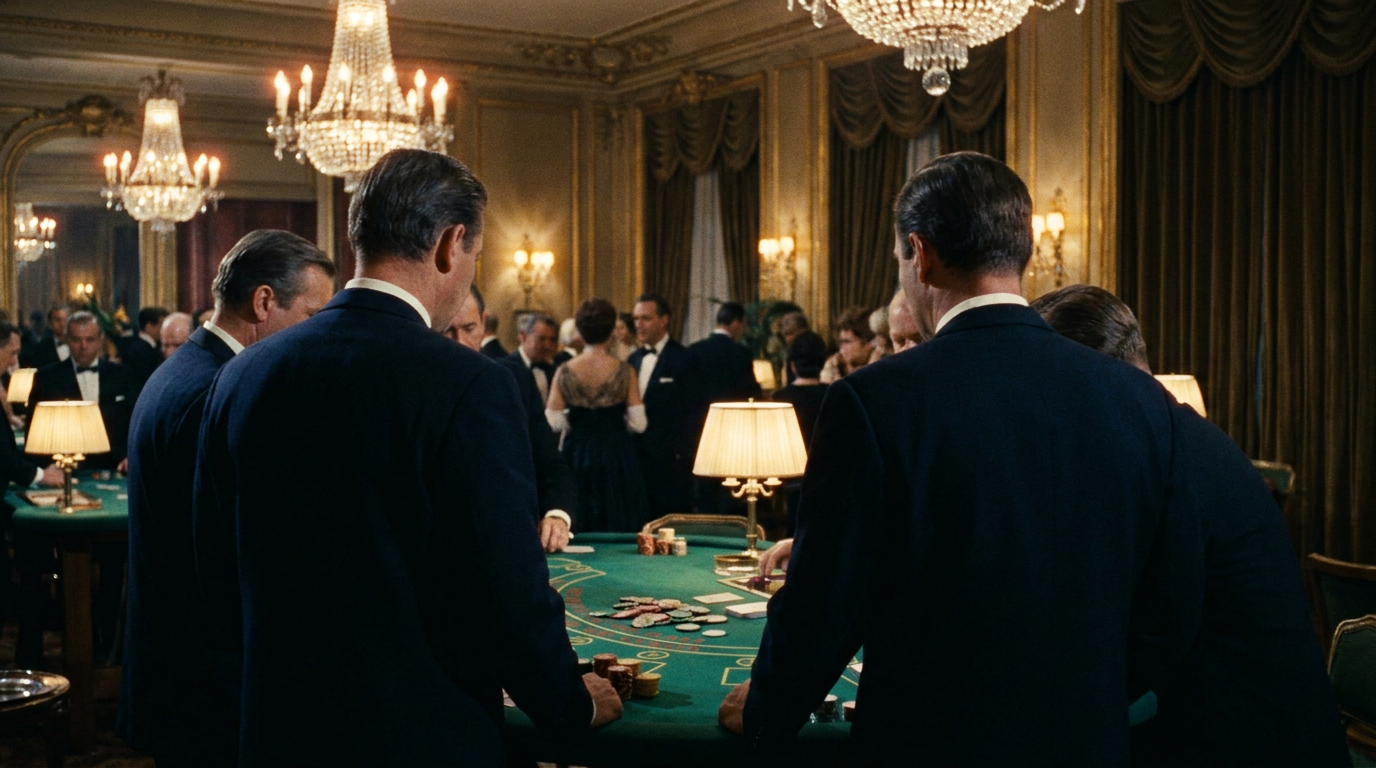
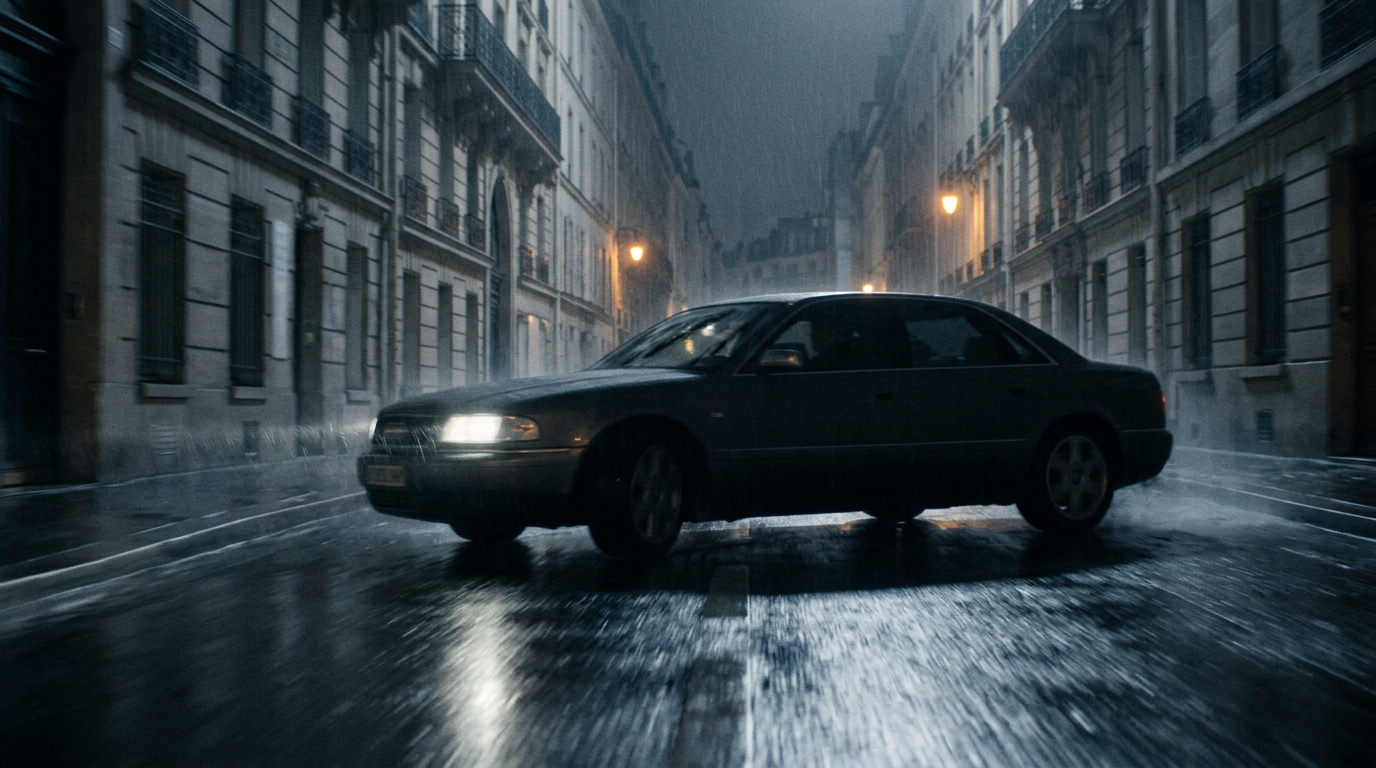
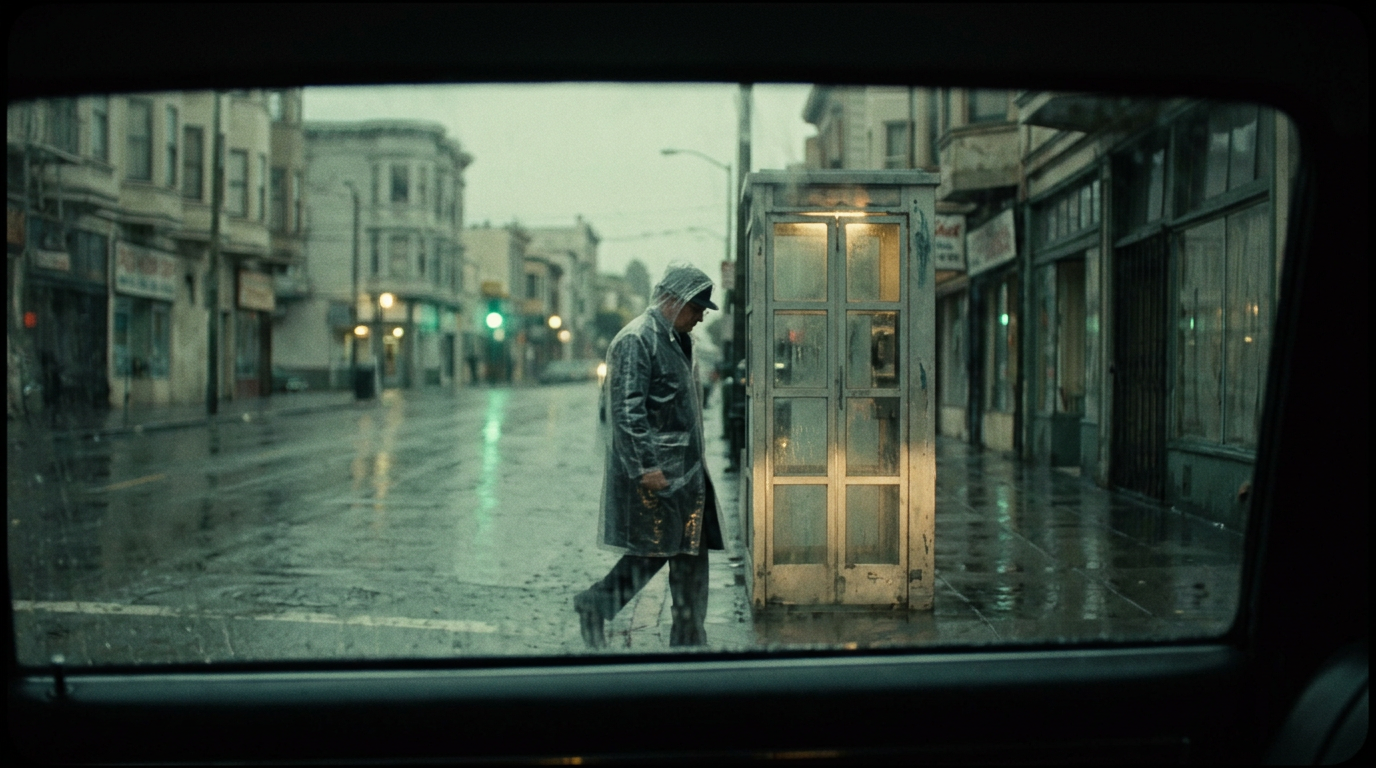
As an Amazon Associate I earn from qualifying purchases. Links cost you nothing and never influence what we recommend. Recommendations are honest and never paid for. Imagery is an original interpretation, not a still from the production.