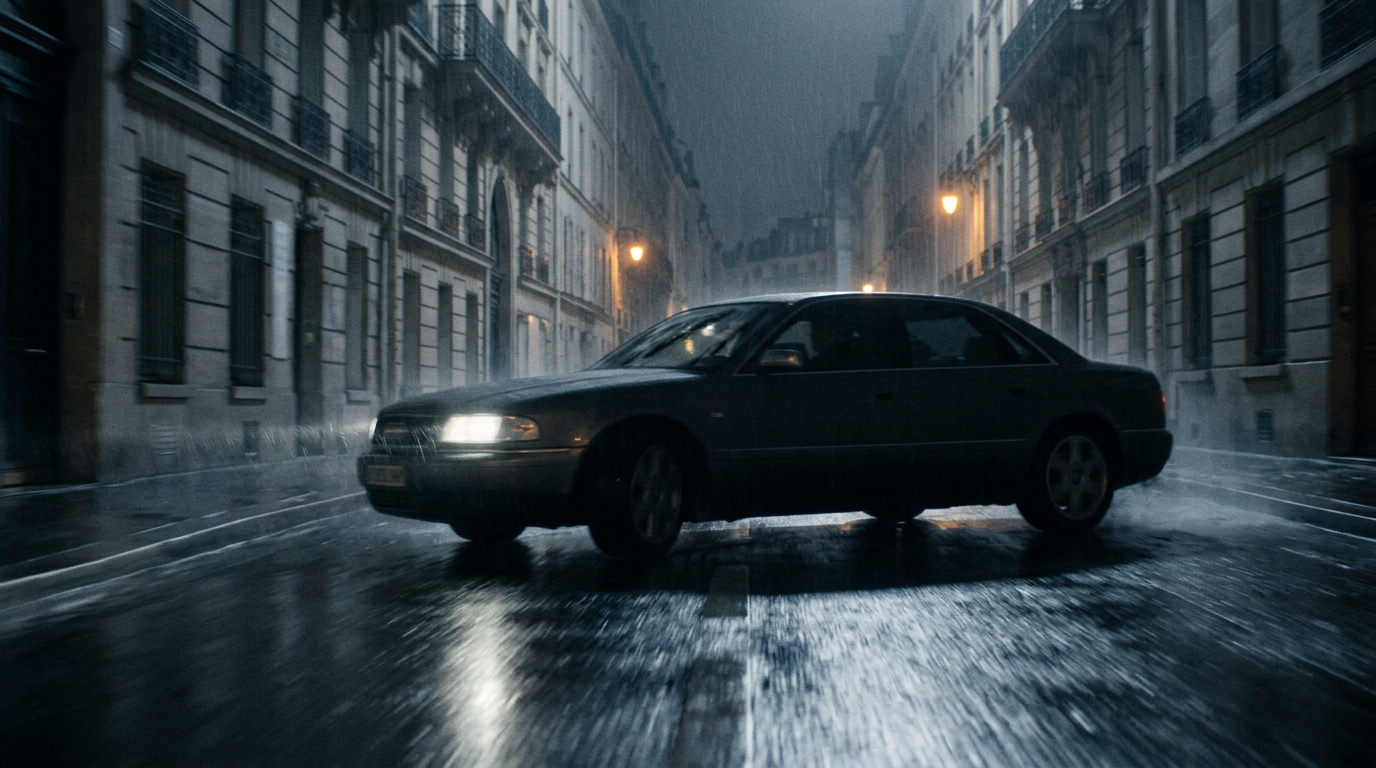
Original interpretation — not a still from the production
De Niro, Jean Reno, and a team of international operatives navigate post-Cold War Europe in pursuit of a mysterious attaché case, all underscored by thrilling, practical automotive pursuits.
The Continental Verdict
Essential
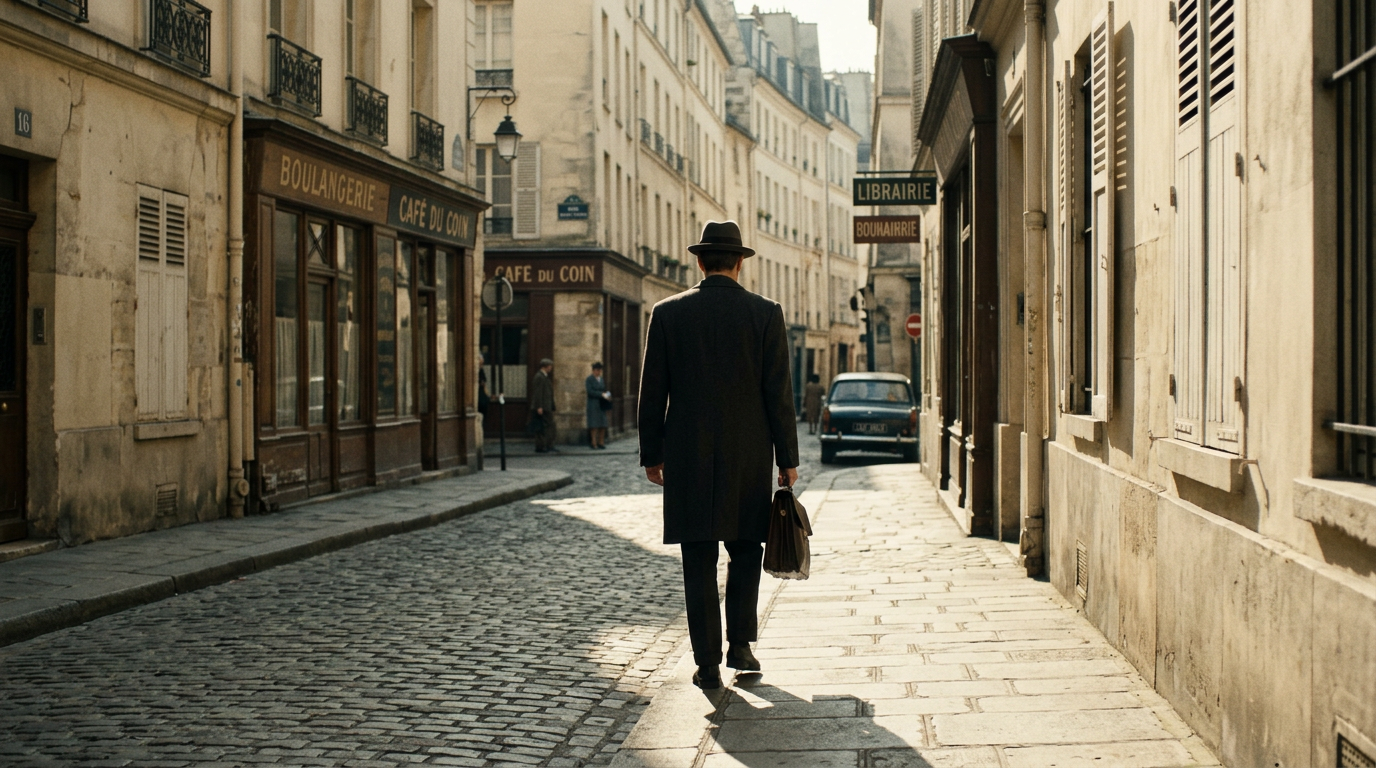
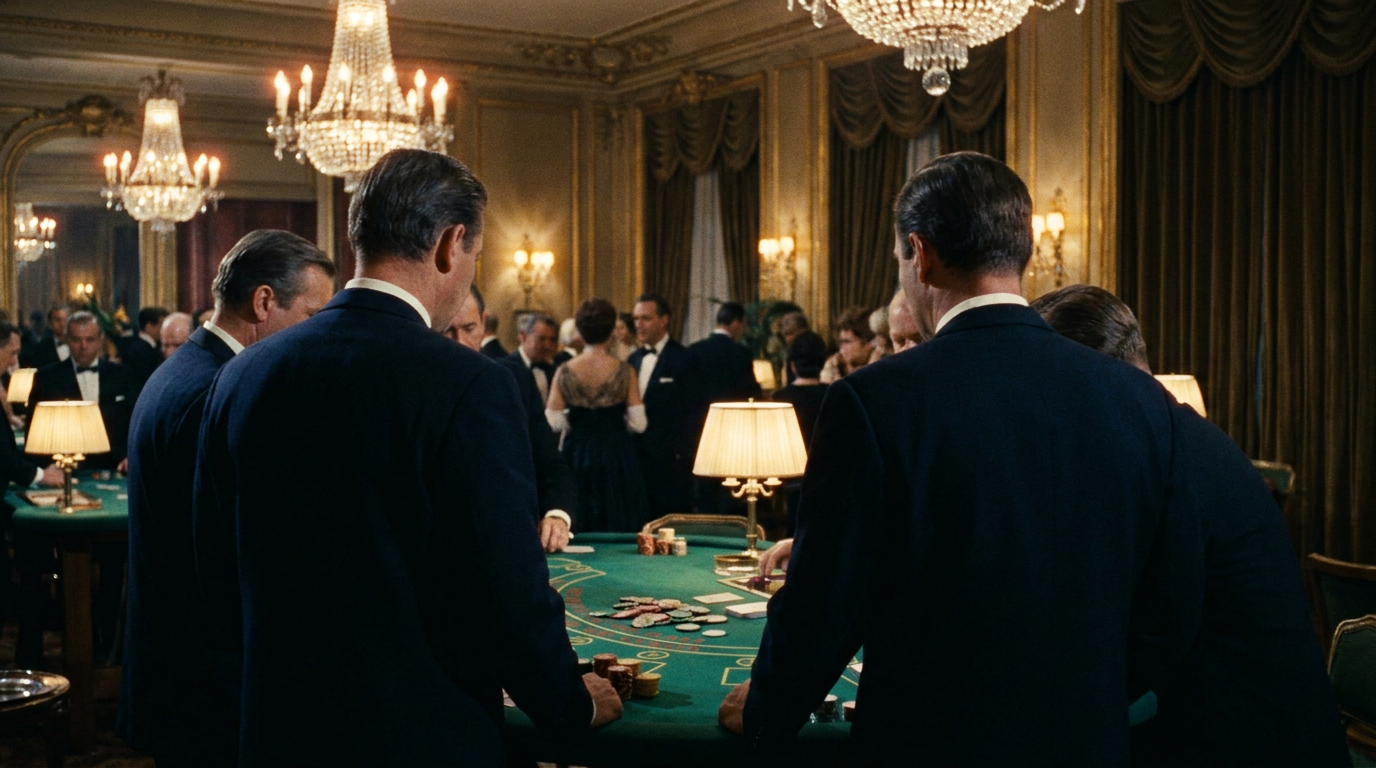
John Frankenheimer’s 1998 thriller, "Ronin," stands as a masterclass in analogue action filmmaking, a craft too often forsaken in the digital age. Deirdre (Natascha McElhone), an Irish Republican operative, assembles a motley crew of ex-special forces and intelligence agents, ostensibly to recover a highly coveted attaché case. The narrative, lean and unsentimental, unfurls across a suitably atmospheric post-Cold War Europe, from the cobblestones of Paris to the sun-drenched alleys of Nice. The film revels in its procedural elements, observing these professionals at their work: surveillance, tradecraft, and the cold, often brutal, realities of their lives. It is a world of shifting loyalties and obscured motives, where trust is a liability and every transaction carries an inherent risk. Frankenheimer, a veteran director with a keen eye for tension, orchestrates a symphony of suspense, allowing the story to breathe and the characters to reveal themselves through their actions, rather than exhaustive exposition.
Yet, for many, the enduring appeal of "Ronin" lies firmly in its automotive sequences. These are not computer-generated spectacles, but meticulously choreographed, real-world chases, executed with a visceral intensity rarely matched since. The streets of Paris and Nice become the stage for breathtaking pursuits, showcasing the precise handling of various European marques at impossible speeds. It is a testament to the dedication of the filmmakers, particularly the legendary stunt coordinator Jean-Claude Lagniez, that these scenes retain their raw power decades on. Beyond the adrenaline, the film offers a quiet contemplation on the nature of identity and purpose when one's original master is gone. These men, these modern ronin, find themselves adrift, defined only by their skills and the next mission, a profound undercurrent beneath the high-octane surface. Its influence on subsequent thrillers is undeniable, yet few have replicated its authenticity or its understated cool.
Why Watch It
The Gentleman Factor
The meticulous attention to detail in planning and execution; the quiet confidence of a man who knows his trade; the appreciation for robust machinery and the art of driving.
Look Out For
- The cool austerity of Parisian cafes
- The sun-drenched, winding roads of the South of France
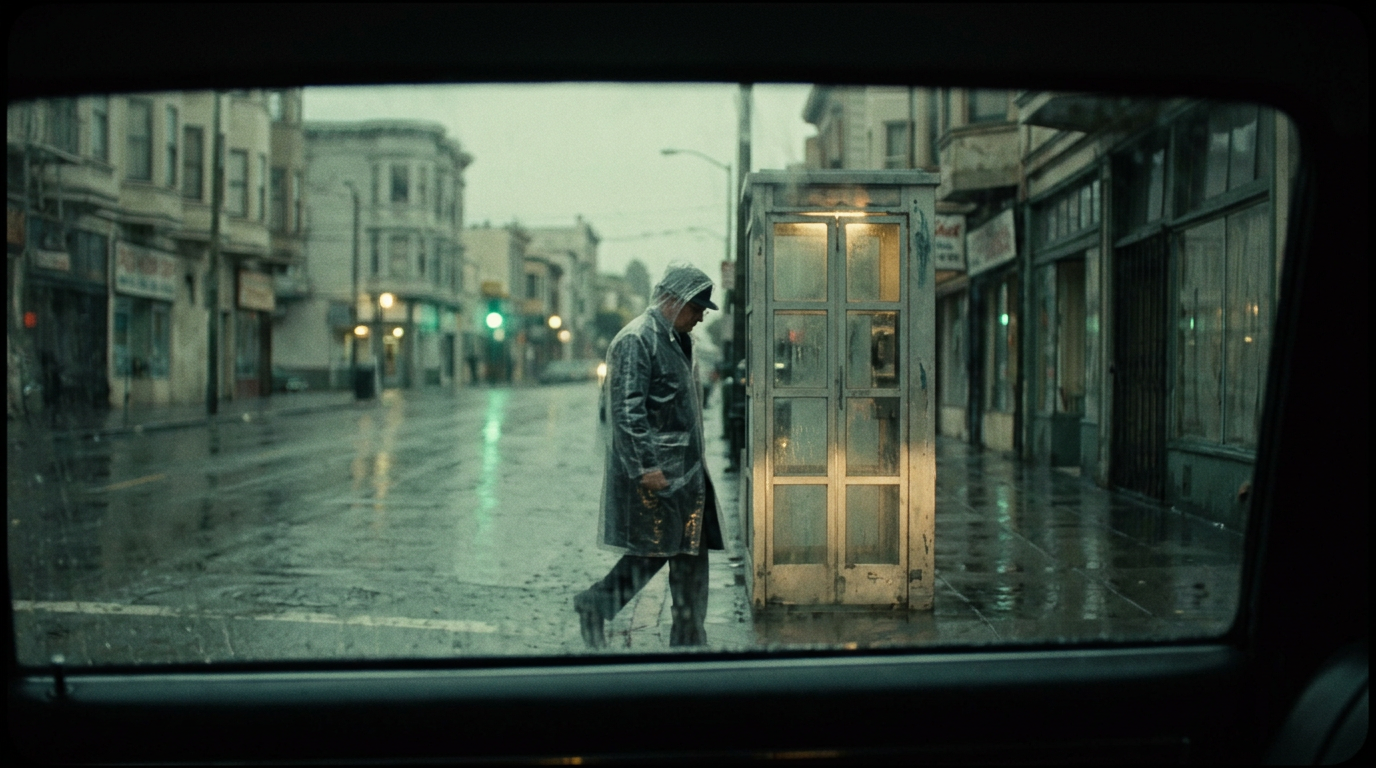
- The dimly lit, clandestine meeting points of European capitals
The Locations
Paris, France; Nice, France; Arles, France; La Turbie, France; Cannes, France.
More from the travel pages →The Cars
Audi S8 (D2), BMW 535i (E34), Mercedes-Benz 450 SEL 6.9, Peugeot 406, Citroën XM, Audi S4, BMW M5 (E34).
More from motoring →The Wardrobe
The costumes, overseen by May Routh, reflect a sophisticated yet practical European sensibility: impeccably cut sport coats, muted tones, and utilitarian outerwear suitable for urban surveillance or high-speed pursuits. Nothing ostentatious, everything functional.
More on style →The Soundtrack
Elia Cmíral's score is suitably understated, providing a low thrum of tension rather than bombastic heroics. It complements the film's gritty realism, never overshadowing the action but enhancing its suspenseful atmosphere.
Into the music room →Watch Next
Where to Watch
Available for streaming on various platforms; physical media via Blu-ray or DVD.
For the Collection
Also in Espionage
As an Amazon Associate I earn from qualifying purchases. Links cost you nothing and never influence what we recommend. Recommendations are honest and never paid for. Imagery is an original interpretation, not a still from the production.