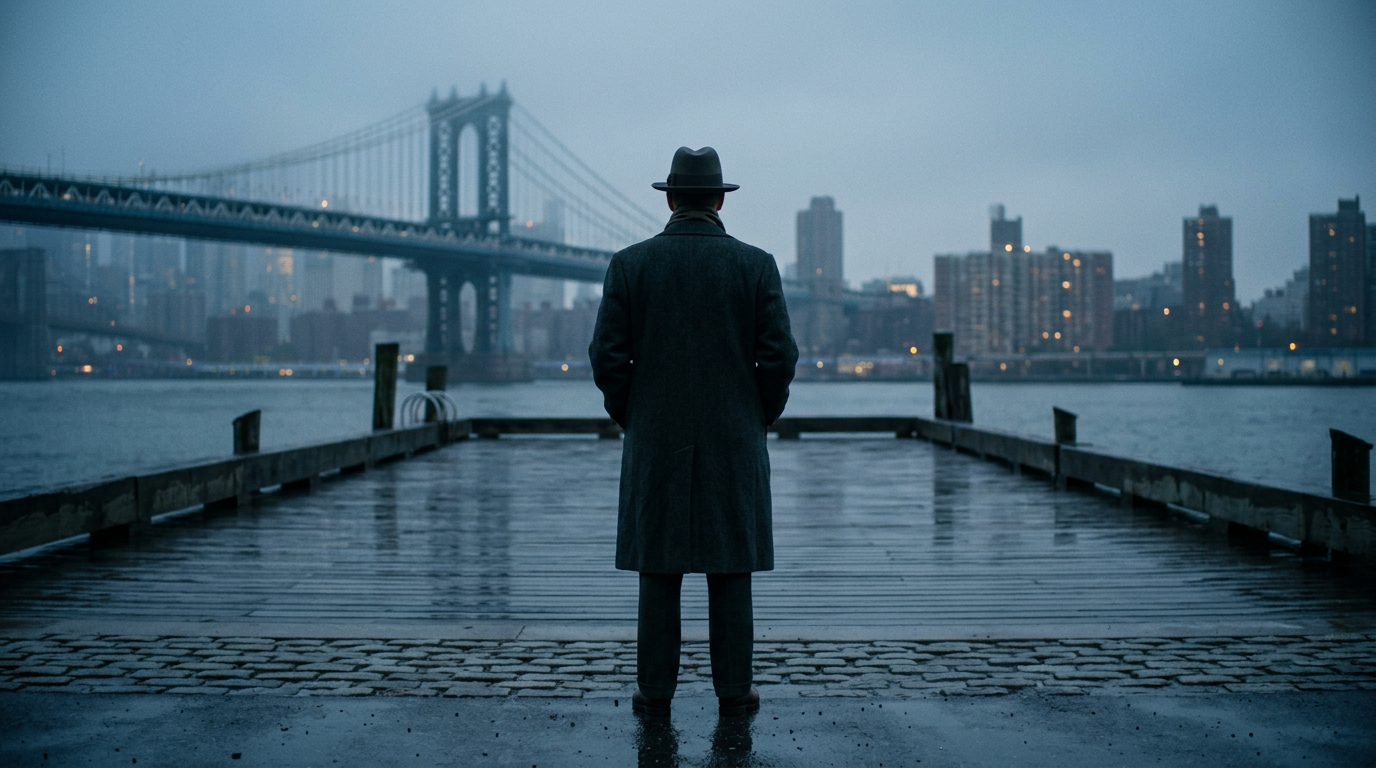
Original interpretation — not a still from the production
Leone's sprawling American elegy, a meditation on time, memory, and the dissolution of fraternal bonds amidst the rise and fall of Prohibition-era Jewish gangsters.
The Continental Verdict
Essential
Sergio Leone's final masterpiece, 'Once Upon a Time in America', is less a gangster film than a melancholic operatic poem, a vast cinematic fresco spanning four decades of American life. The narrative, non-linear and deeply subjective, plunges the viewer into the mists of Noodle's opium-addled memories, revealing a world of brutal violence, tender affections, and profound betrayals. Leone's signature style – the extreme close-ups, the lingering wide shots, the meticulous pacing – imbues every frame with a sense of epic tragedy, rendering the rise and fall of David 'Noodles' Aaronson and Maximilian 'Max' Bercovicz as a grand, heartbreaking fable about lost innocence and the weight of the past.
The extended cut, now widely available, restores much of the film's intended grandeur and narrative coherence, allowing its complex emotional tapestry to unfold with the necessary breadth. The themes of unfulfilled longing, the distorting lens of memory, and the corrosive effects of ambition are explored with a depth rarely seen in the genre. It is a work that demands patience and rewards contemplation, leaving an indelible impression long after the final, ambiguous smile. This is not merely a crime drama; it is a profound rumination on the American dream, or rather, its shadow.
Why Watch It
The Gentleman Factor
The quiet dignity in Noodle's haunted gaze, the intricate ballet of power and vulnerability between men, and the tragic realisation that some futures are irrevocably defined by past choices. It is a lesson in the enduring burden of loyalty and regret.
Look Out For
- The sepia tones of memory, shifting to the vibrant, yet often brutal, realities of New York from the 1920s to the 1960s.
- The grandeur of Grand Central Station's waiting room.
- The dimly lit interiors of speakeasies and opulent restaurants.
The Locations
New York City, Rome (for some interiors), Montreal, and Venice.
More from the travel pages →The Cars
Period-appropriate sedans, limousines, and early automobiles from the 1920s through the 1960s, reflecting the evolving landscape of American motoring.
More from motoring →The Wardrobe
Carlo Felice Cillario and Gabriella Pescucci's meticulous period costuming, from newsboy caps and tailored suits of the Prohibition era to the more refined, albeit still sharp, attire of the later decades. Watch for the understated elegance of Deborah's dresses.
More on style →The Soundtrack
Ennio Morricone's haunting, iconic score, featuring the unforgettable pan flute motif, which perfectly encapsulates the film's pervasive sense of melancholy and nostalgia. It is inseparable from the film's emotional core.
Into the music room →Watch Next
Where to Watch
Available for streaming on various platforms; physical media (Blu-ray) is recommended for the extended cut.
For the Collection
Also in The Criminal Gentleman
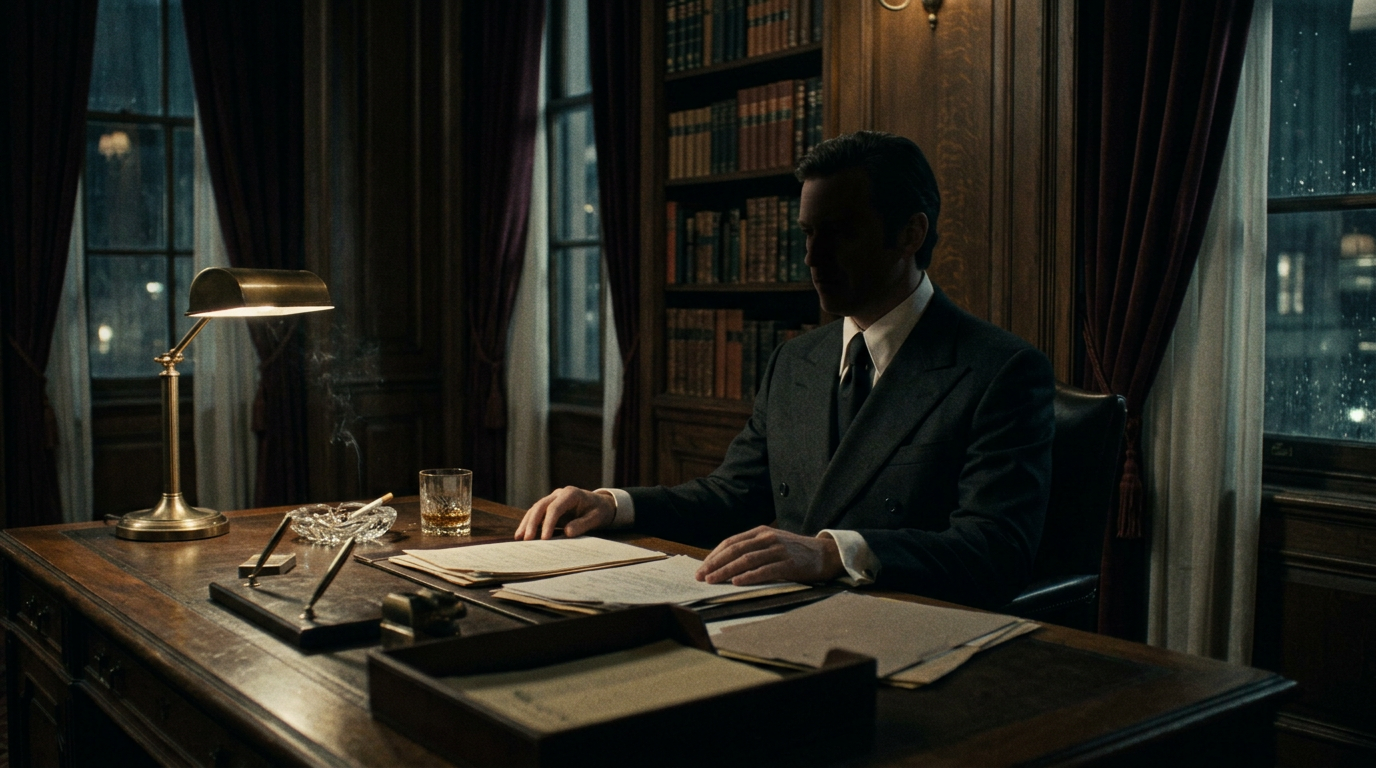
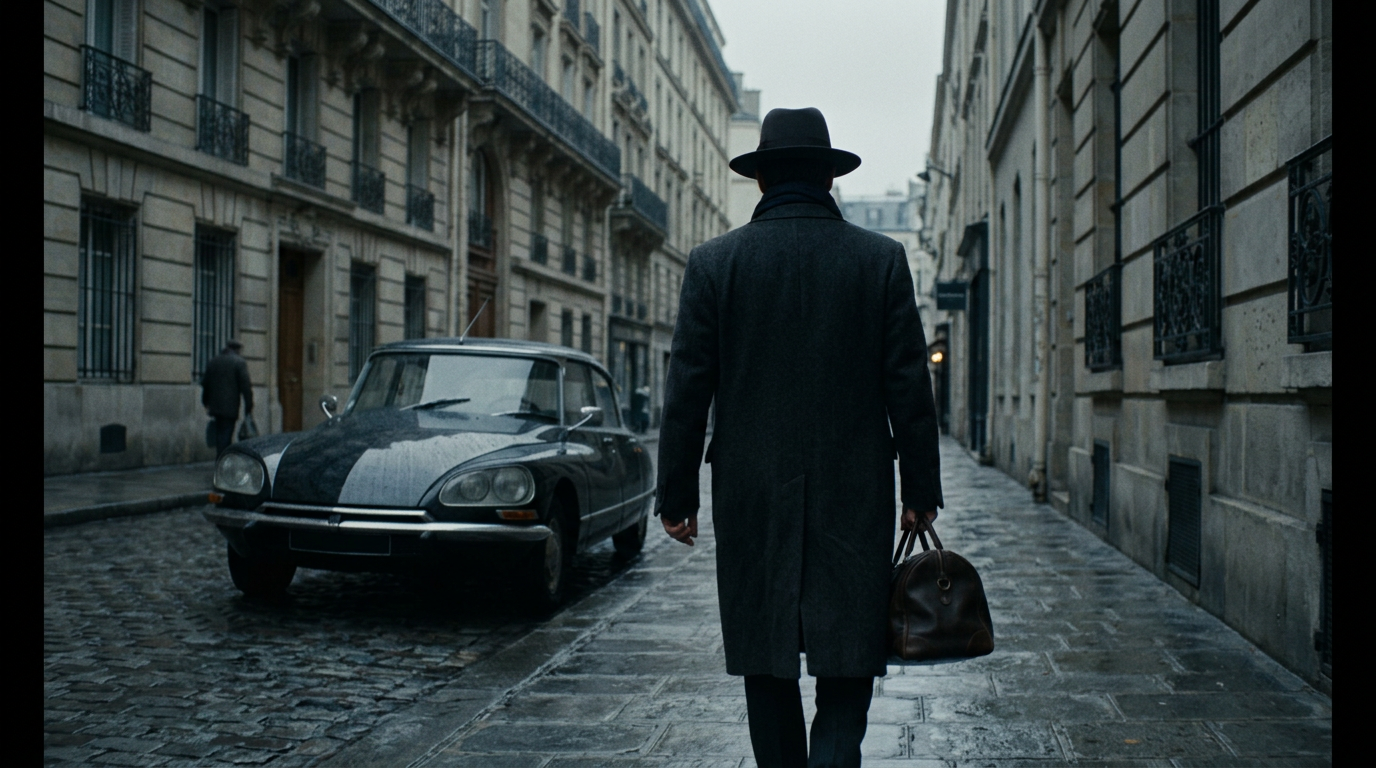
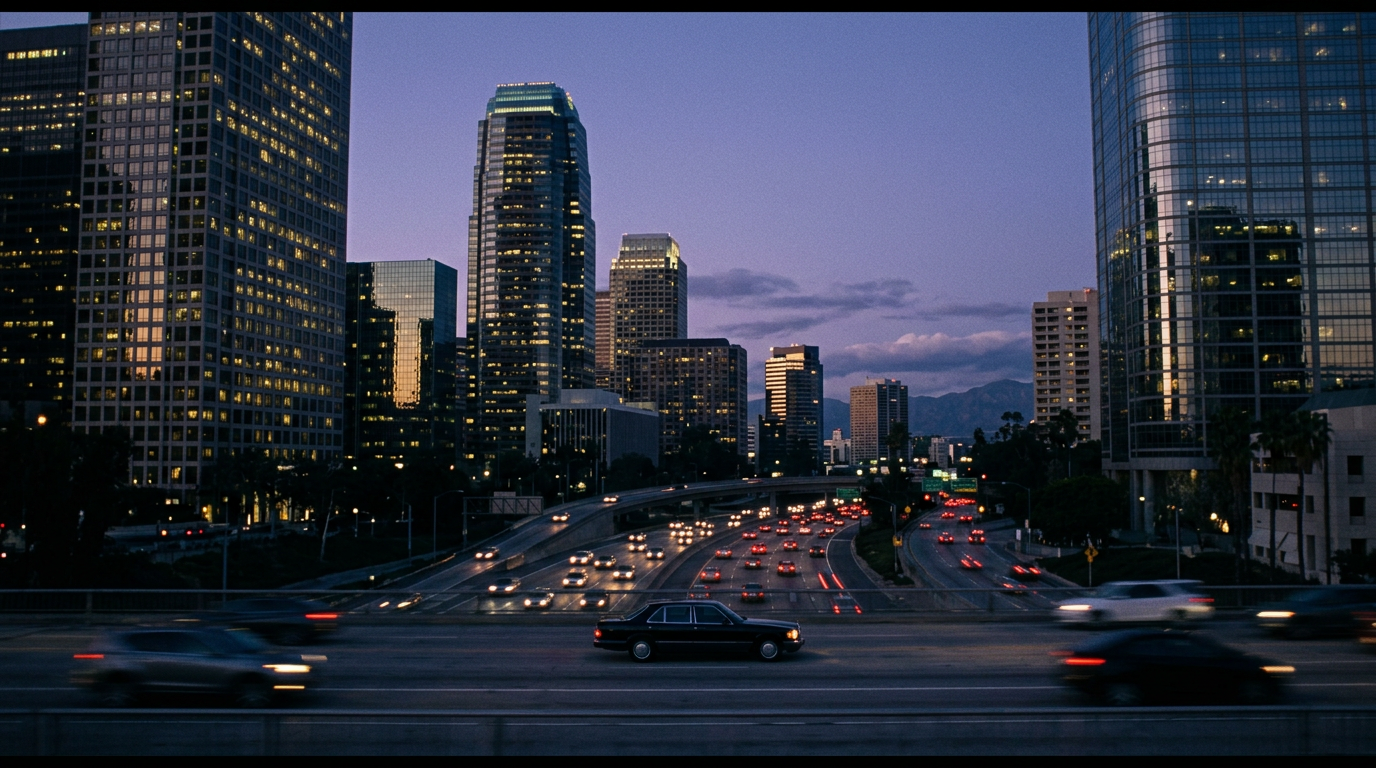
As an Amazon Associate I earn from qualifying purchases. Links cost you nothing and never influence what we recommend. Recommendations are honest and never paid for. Imagery is an original interpretation, not a still from the production.