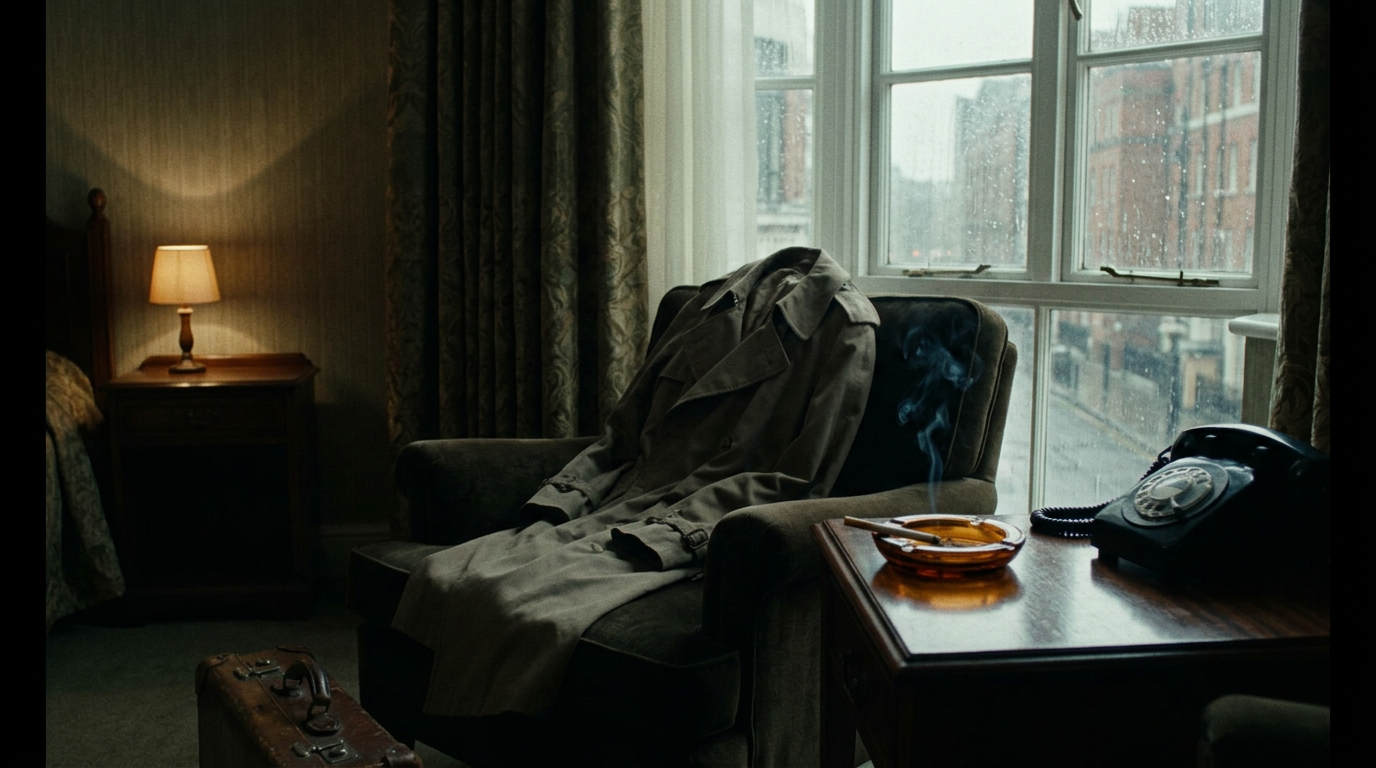
Original interpretation — not a still from the production
An examination of the moral calculus of retribution, set against the disquieting glamour of 1970s Europe.
The Continental Verdict
Highly Recommended
Steven Spielberg's 2005 picture, 'Munich', delves into the harrowing aftermath of the 1972 Olympic Games massacre, charting the covert operation sanctioned by the Israeli government to assassinate those believed to be responsible. Avner Kaufman, played with a compelling quietude by Eric Bana, leads a small team of operatives through the continent's clandestine networks, moving from Parisian safe houses to London flats, their mission fraught with escalating moral ambiguity. The film avoids simplistic heroics, instead presenting a nuanced, often unsettling, portrayal of men grappling with the profound cost of their actions, where each targeted individual brings them no closer to peace, only deeper into a labyrinth of violence and existential doubt.
The aesthetic of the early 1970s is rendered with a meticulous eye for detail, capturing the somber elegance of a continent still navigating the shadow of conflict, yet attempting to embrace a new modernity. Janusz Kamiński's cinematography employs a desaturated palette, lending a stark, almost documentary-like authenticity to the proceedings, particularly in the tense, methodical sequences of intelligence gathering and execution. The narrative is less concerned with the mechanics of espionage than with its psychological toll, posing enduring questions about justice, vengeance, and the cycle of violence. It is a work that lingers, prompting reflection on the ethical quagmire inherent in such undertakings, making it a compelling, if discomfiting, watch.
Why Watch It
The Gentleman Factor
The film presents a profound exploration of duty and its moral consequences, the psychological burden of violence, and the enduring human search for resolution amidst political upheaval. It is a study in character under extreme duress, offering a sobering perspective on the nature of conflict.
Look Out For
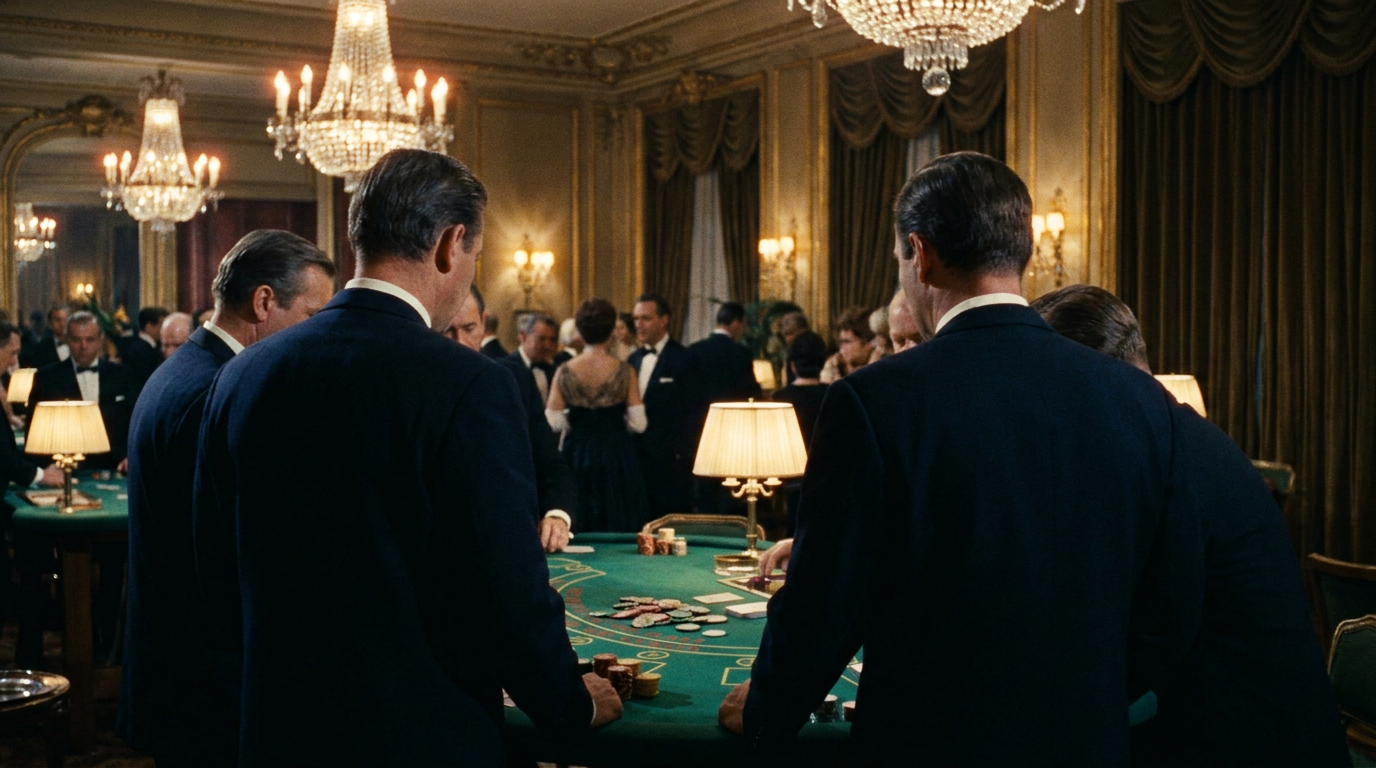
- Dark suits, muted tones, and the understated, almost weary, elegance of 1970s European intelligence operatives. The film's visual language is restrained, reflecting the gravity of its subject.
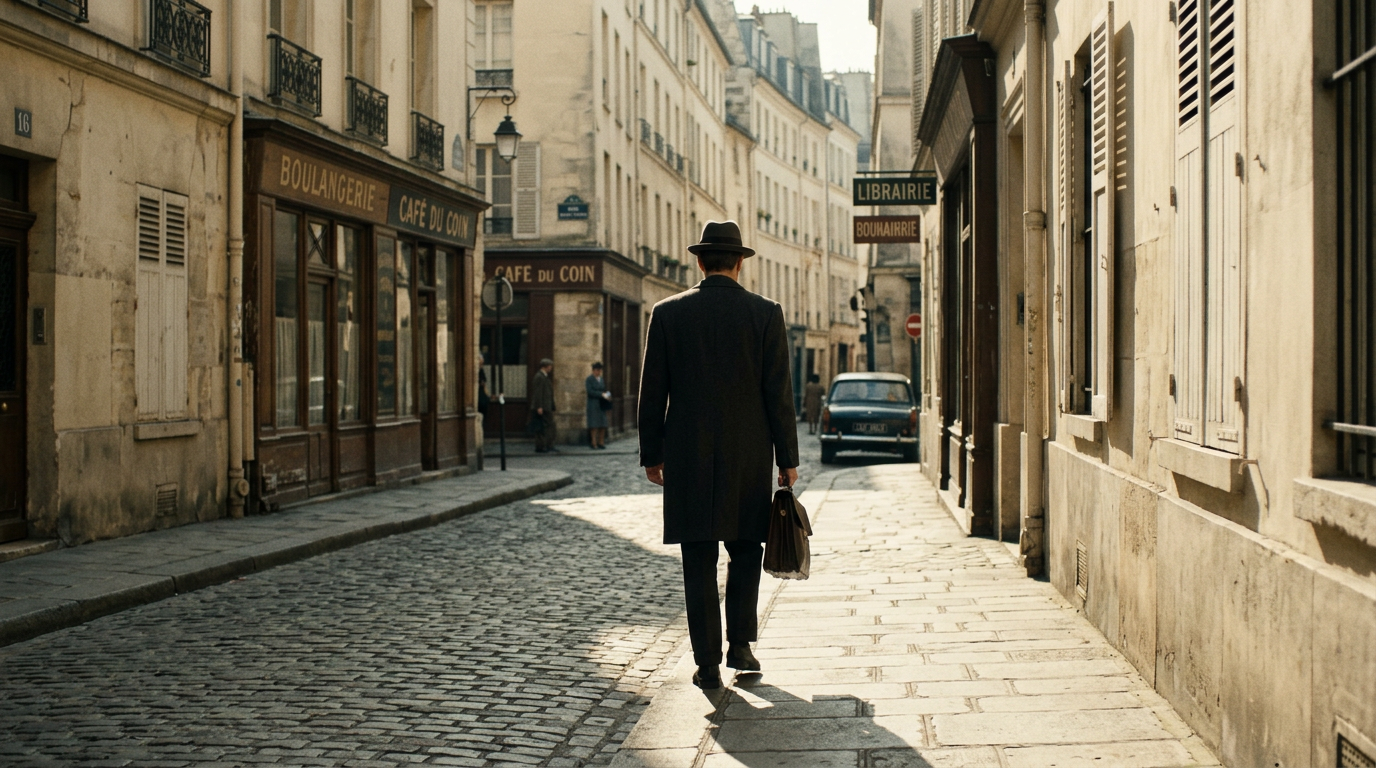
- Early 1970s European urban landscapes, often under grey skies or artificial light, conveying a sense of unease and surveillance.
- The interiors are functional yet occasionally opulent — nondescript hotel rooms, bustling Parisian cafes, sterile intelligence briefings.
The Locations
Paris, London, Rome, Athens, Frankfurt, Geneva, Tel Aviv – a pan-European journey of clandestine operations.
More from the travel pages →The Cars
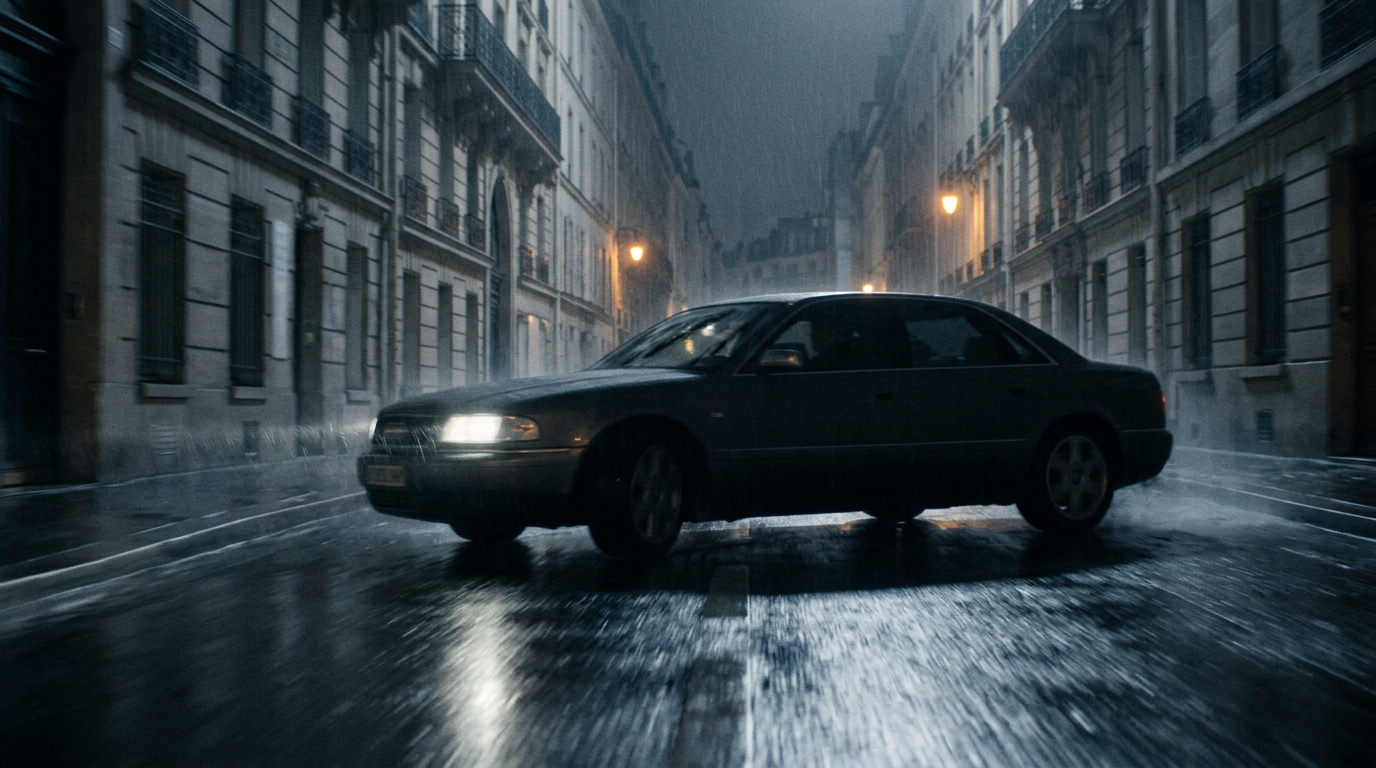
Period-appropriate European sedans and taxi cabs of the early 1970s, blending seamlessly into the urban backdrops.
More from motoring →The Wardrobe
Joanna Johnston’s costume design expertly captures the sartorial mood of the early 1970s: practical yet stylish overcoats, slim-cut suits in muted earth tones, and the occasional flair of a patterned tie or a wide collar, all contributing to the film’s grounded realism and period authenticity.
More on style →The Soundtrack
John Williams’ score is atypically restrained, weaving a haunting, melancholic thread throughout the narrative, eschewing overt grandeur for a more intimate, reflective quality.
Into the music room →Watch Next
Where to Watch
Available for streaming and rental on various digital platforms. Physical media available.
For the Collection
Also in Espionage
As an Amazon Associate I earn from qualifying purchases. Links cost you nothing and never influence what we recommend. Recommendations are honest and never paid for. Imagery is an original interpretation, not a still from the production.