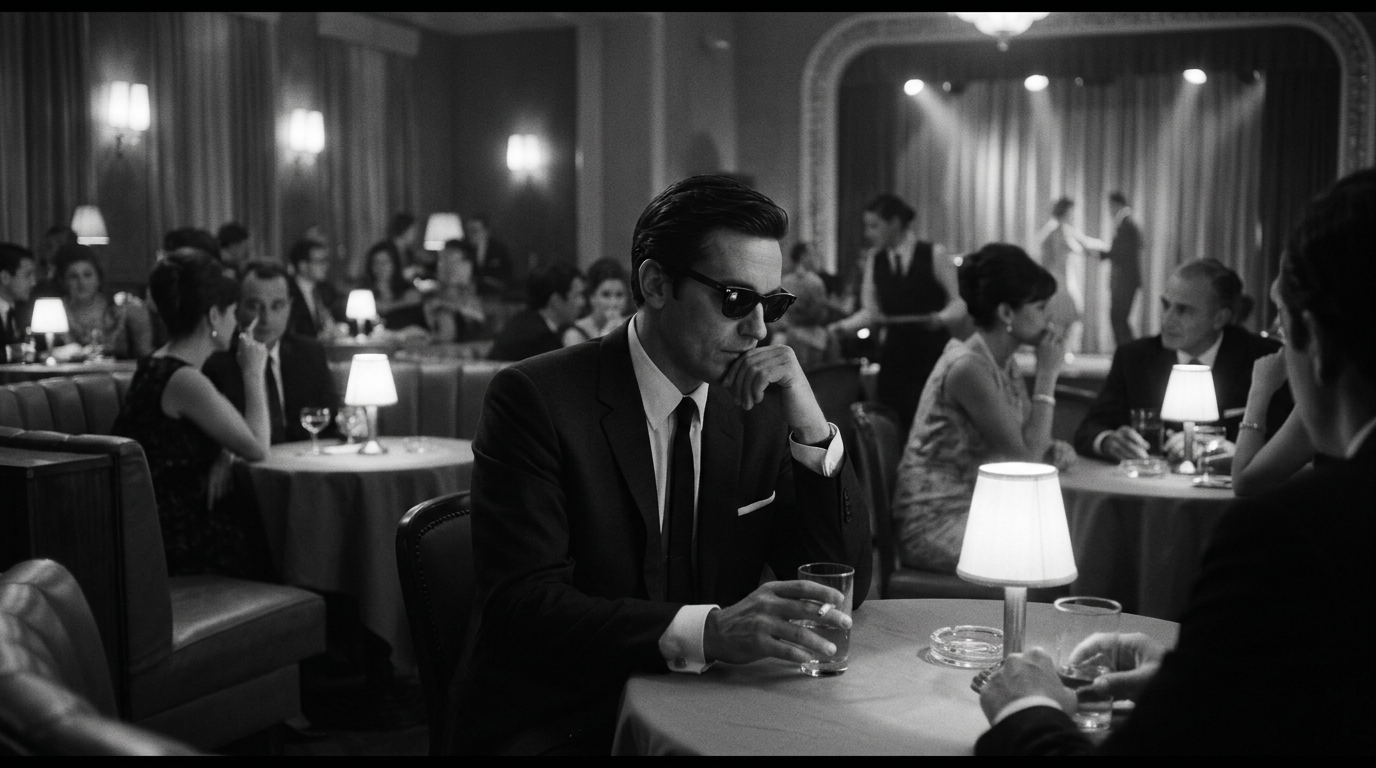
Original interpretation — not a still from the production
Fellini's epic vision of Rome's high society, where glamour and existential ennui dance beneath the city's eternal gaze.
The Continental Verdict
Essential
Federico Fellini's "La Dolce Vita" remains a cinematic touchstone, a sprawling, episodic chronicle of Roman society at the cusp of the 1960s. Marcello Rubini, portrayed with a compelling blend of charm and exhaustion by Marcello Mastroianni, navigates a labyrinth of opulent parties, philosophical debates, and fleeting romances. From the unforgettable descent of Christ by helicopter over the Eternal City to the nocturnal reverie in the Trevi Fountain with Anita Ekberg, Fellini masterfully captures the intoxicating allure and underlying emptiness of a certain echelon of post-war Italian life. It is less a narrative in the conventional sense and more a mosaic, reflecting the director's fascination with spectacle and the human condition.
Yet, beneath the glittering surface, "La Dolce Vita" probes deeper questions of meaning and modernity. Mastroianni's perpetually seeking journalist, trapped between his literary aspirations and the siren call of celebrity gossip, embodies a profound sense of disillusionment. The film's black and white cinematography by Otello Martelli lends a timeless elegance, contrasting starkly with the moral ambiguity on display. Nino Rota's iconic score provides a melancholic counterpoint to the hedonistic pursuits. This is not merely a portrait of an era; it is a profound meditation on the search for purpose amidst material excess, a film that, despite its specific setting, resonates with universal themes of beauty, despair, and the relentless march of time.
Why Watch It
The Gentleman Factor
The film offers a masterclass in the art of urbane disaffection. It reminds one that even amidst the most dazzling displays of wealth and beauty, an inner compass is essential. Furthermore, Mastroianni's sartorial elegance provides ample inspiration for the discerning dresser.
Look Out For
- Mid-century Roman high society
- Black and white cinematography
- Glamorous nightlife
The Locations
Rome, particularly the Via Veneto, Trevi Fountain, Baths of Caracalla, and various palazzi and nightclubs.
More from the travel pages →The Cars
Triumph TR3, Lancia Flaminia, Fiat 1100, Alfa Romeo 2000 Sprint.
More from motoring →The Wardrobe
Costumes by Piero Gherardi. Marcello Mastroianni's impeccably tailored dark suits, slim ties, and sunglasses. Anita Ekberg's iconic strapless gown in the Trevi Fountain scene. Sophisticated cocktail dresses and furs.
More on style →The Soundtrack
Composed by Nino Rota, featuring jazz-inflected themes and melancholic melodies.
Into the music room →Watch Next
Where to Watch
Available for streaming on various platforms; physical media via Criterion Collection.
For the Collection
Also in Continental Cinema
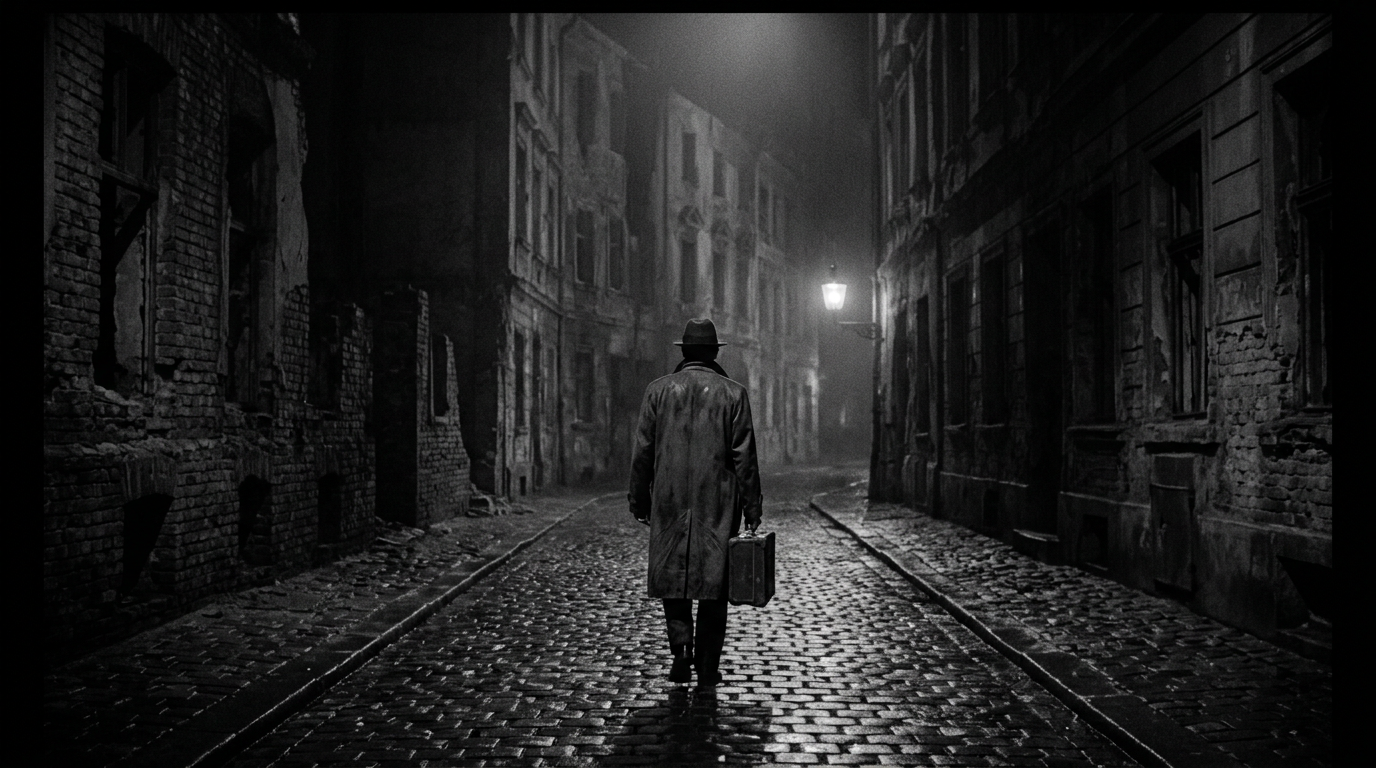
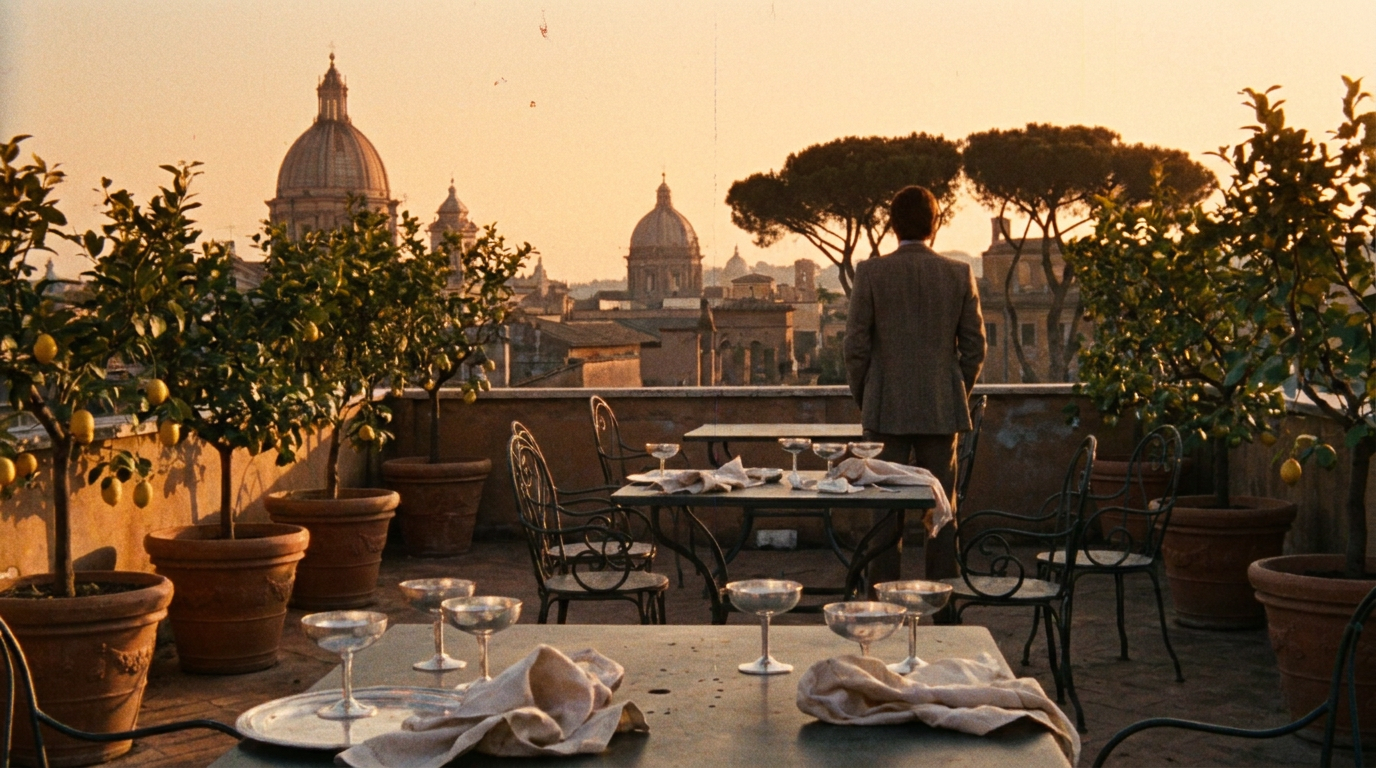
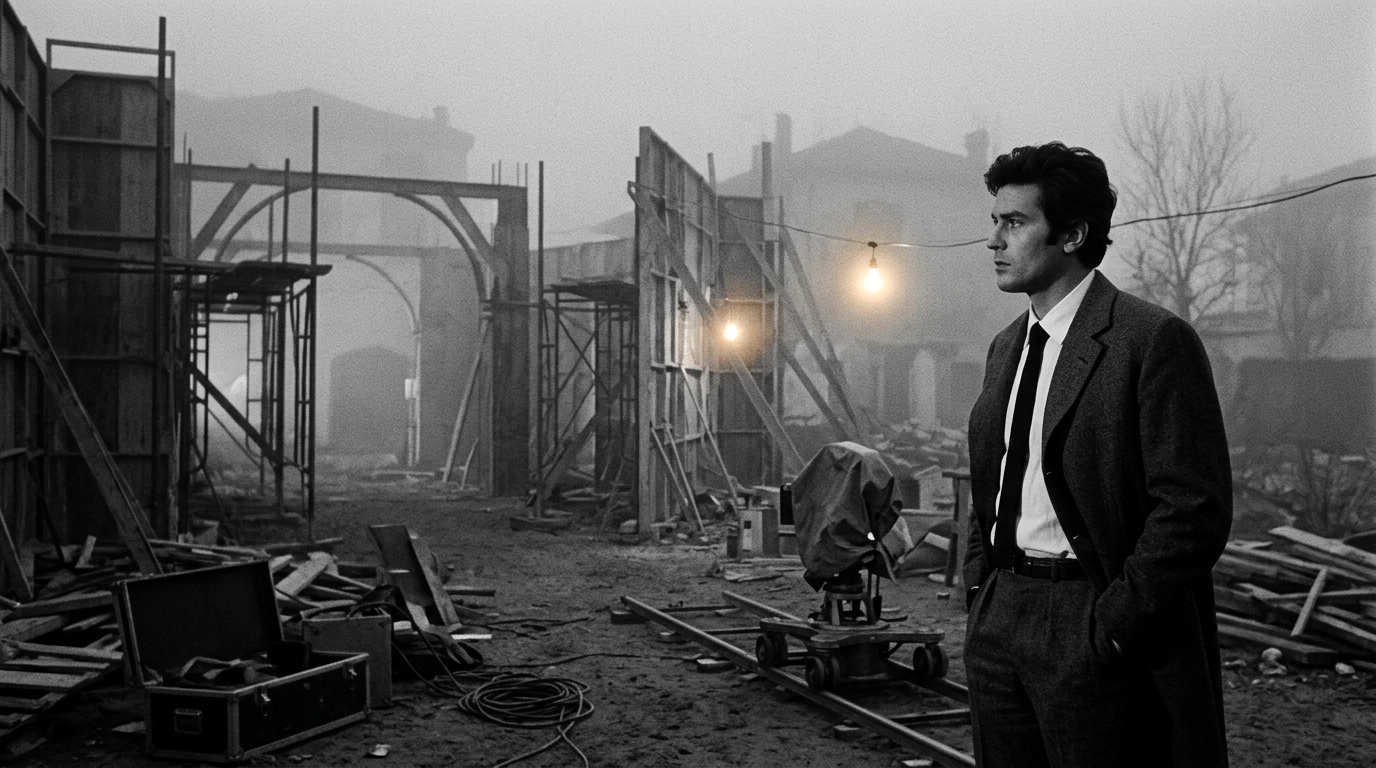
As an Amazon Associate I earn from qualifying purchases. Links cost you nothing and never influence what we recommend. Recommendations are honest and never paid for. Imagery is an original interpretation, not a still from the production.