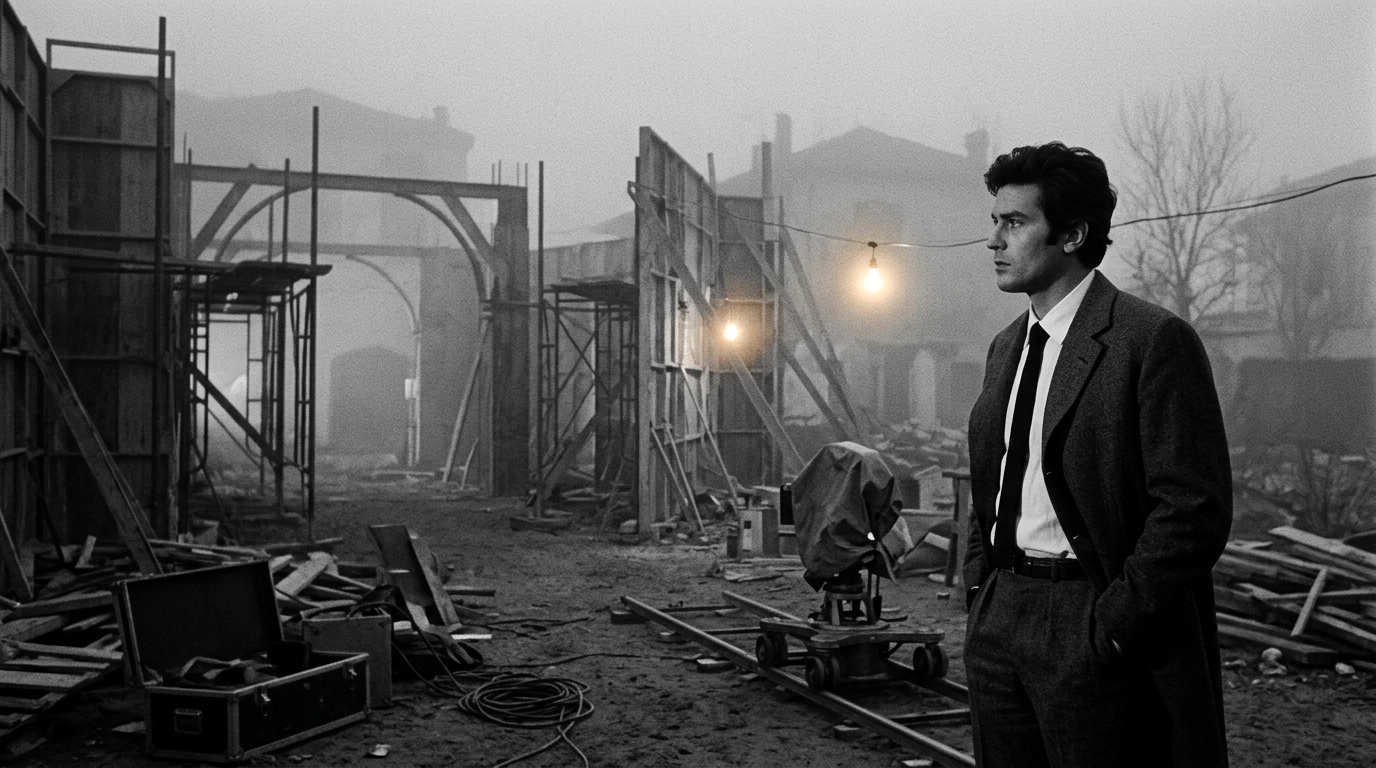
Original interpretation — not a still from the production
Fellini’s cinematic labyrinth, a meta-narrative of an artist in crisis, remains an unmatched exploration of creativity, memory, and the elusive nature of inspiration.
The Continental Verdict
Essential
Federico Fellini’s 1963 masterpiece, '8½', plunges the viewer into the existential quagmire of Guido Anselmi, a celebrated director suffering from a profound creative block. Trapped in a luxurious spa town, surrounded by demanding producers, a strained marriage, and a coterie of hangers-on, Guido attempts to juggle a sprawling, semi-autobiographical science fiction film he has no idea how to make, while simultaneously navigating his complex inner world of memories, fantasies, and anxieties. Marcello Mastroianni delivers a performance of elegant weariness, embodying the director’s struggle with a quiet intensity that belies the internal chaos. The film’s fluid narrative, famously blurring the lines between reality, dream, and hallucination, is a testament to Fellini's audacious vision, captured with breathtaking black-and-white cinematography by Gianni Di Venanzo.
'8½' is not merely a film about filmmaking; it is an interrogation of the artistic process itself, a deeply personal yet universally resonant reflection on identity, ambition, and the search for meaning. Its influence on cinema is immeasurable, from its innovative structure to its iconic imagery. Guido’s journey through his own psyche, populated by a parade of characters both real and imagined – his wife, his mistress, his muse, his parents, even a cardinal – unfolds with a melancholic beauty. The film is a triumph of style and substance, a profoundly intelligent and deeply felt work that asks big questions without offering simple answers, cementing its status as a cornerstone of European cinematic artistry.
Why Watch It
The Gentleman Factor
The gentleman who appreciates the elegant struggle of the creative mind, the fine art of self-reflection, and the exquisite melancholia of an existential crisis will find much to ponder. It is a masterclass in navigating an internal world with exterior grace.
Look Out For
- Neorealist elegance meets dreamlike surrealism.
- Immaculate black-and-white cinematography.
- Fashion of the early 1960s Italian elite.
The Locations
Cinecittà Studios, Rome; a spa town setting, likely based on Chianciano Terme or Fiuggi.
More from the travel pages →The Cars
Lancia Flaminia, Fiat 1100, Alfa Romeo.
More from motoring →The Wardrobe
Piero Gherardi’s costume design is a subtle yet significant character in itself, crafting Mastroianni's signature dark suits and fedoras, as well as the ethereal and elegant gowns for the female leads, perfectly capturing the sophistication of 1960s Italian fashion without ostentation.
More on style →The Soundtrack
Nino Rota’s score, a blend of circus-like whimsy and poignant introspection, perfectly complements Fellini’s visual tapestry, providing an unforgettable auditory landscape.
Into the music room →Watch Next
Where to Watch
Available on Criterion Collection Blu-ray and DVD, streaming on Max and Criterion Channel.
For the Collection
Also in Continental Cinema
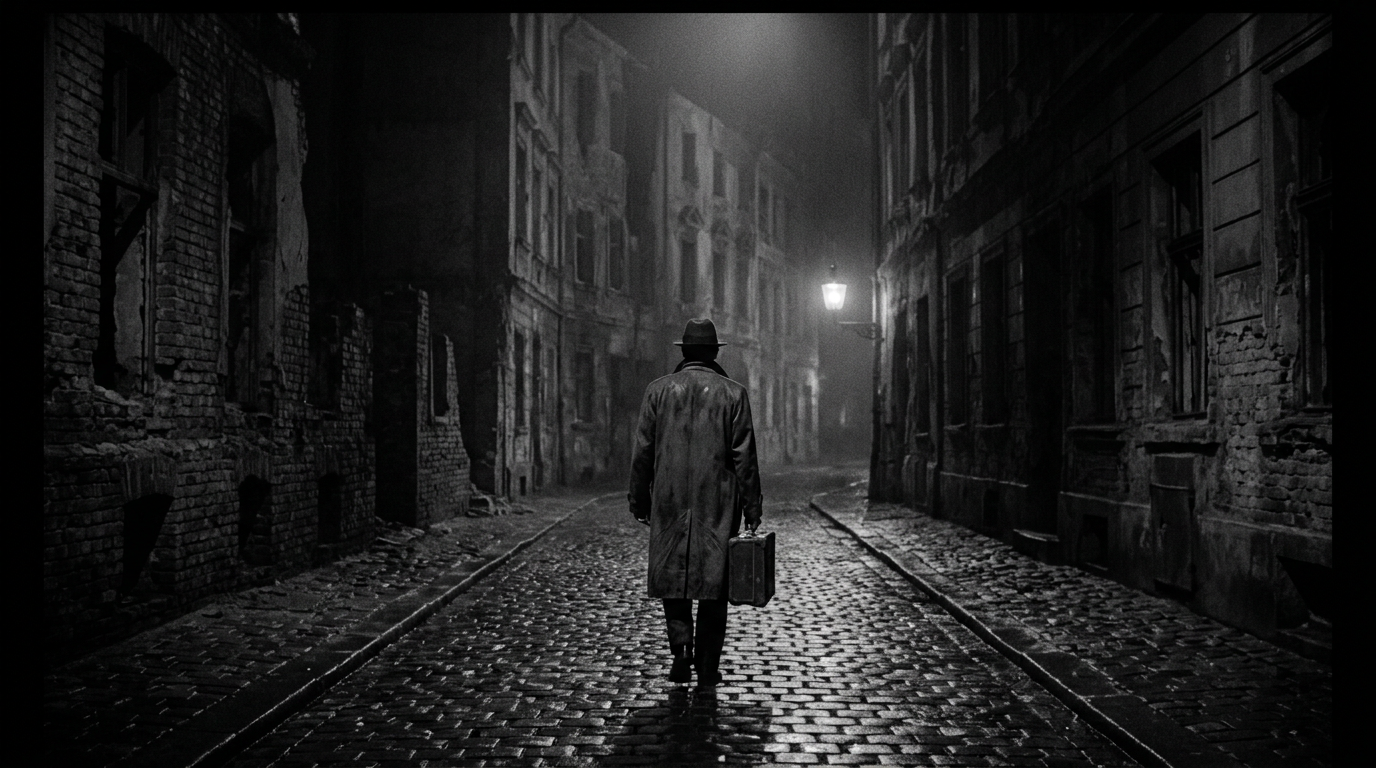
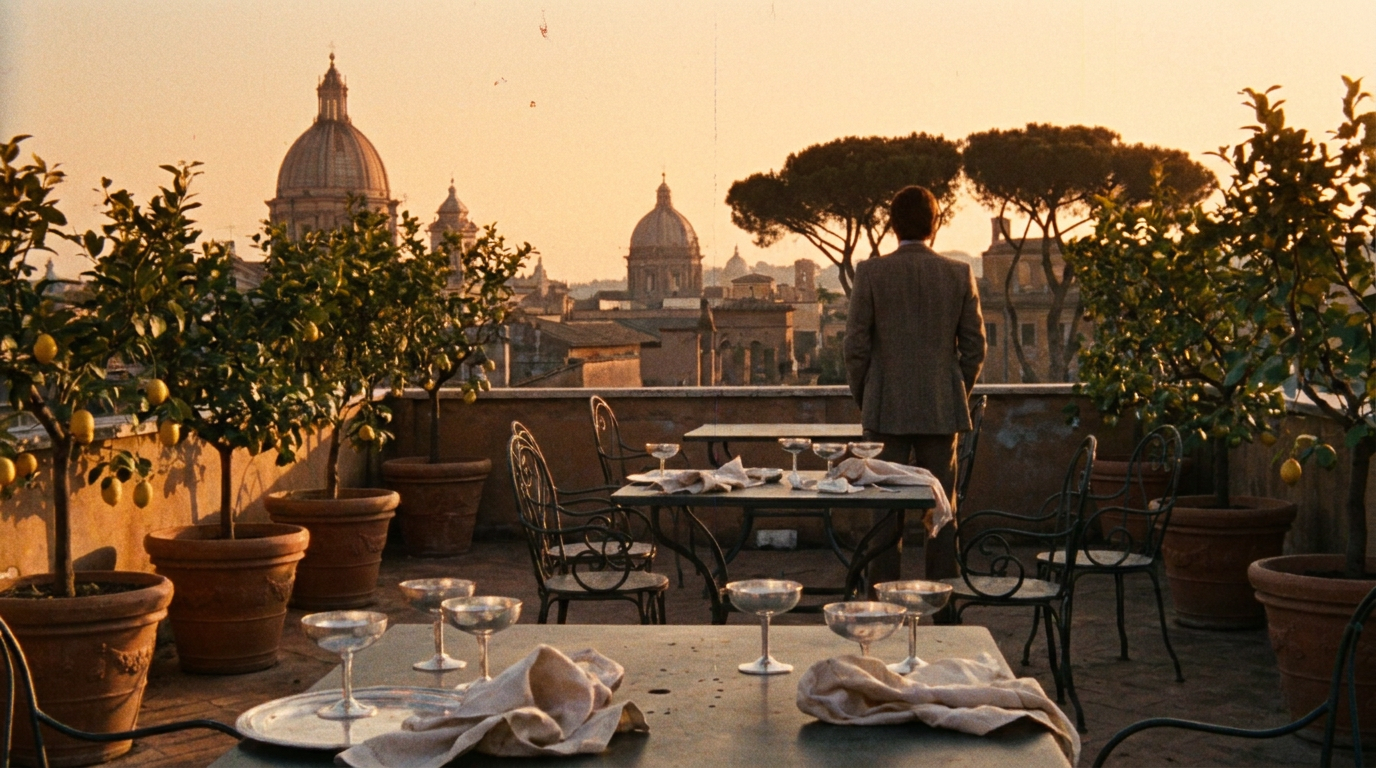
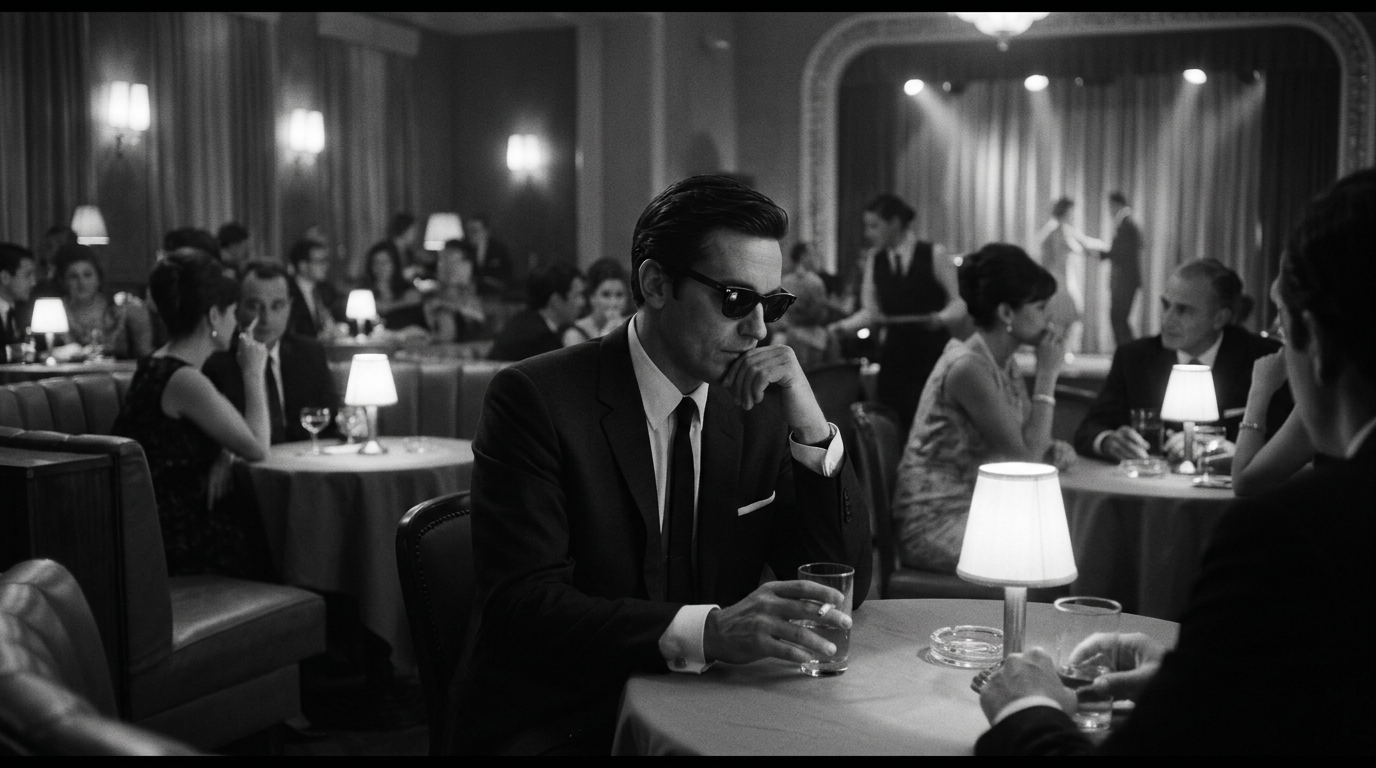
As an Amazon Associate I earn from qualifying purchases. Links cost you nothing and never influence what we recommend. Recommendations are honest and never paid for. Imagery is an original interpretation, not a still from the production.