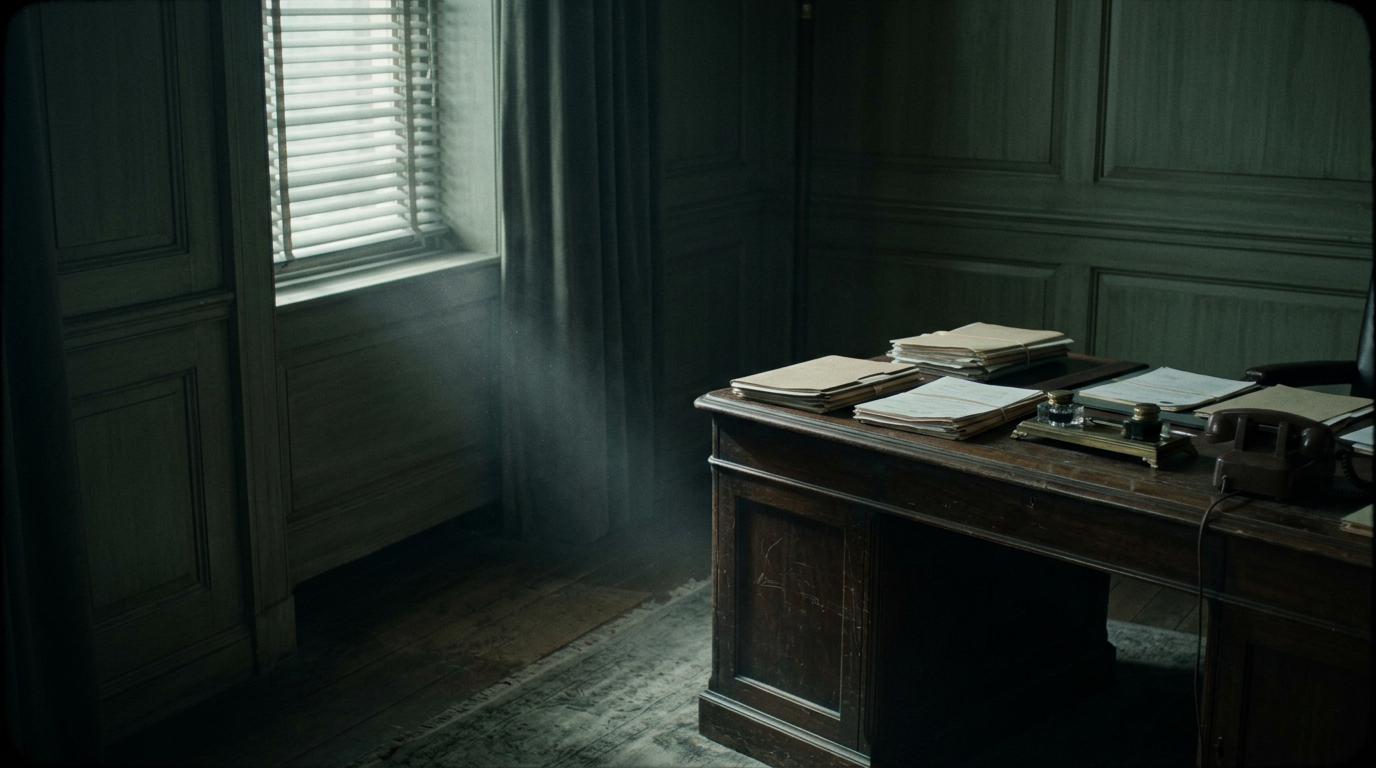
Original interpretation — not a still from the production
A chilling examination of power and impunity in 1970s Italy, as a police inspector orchestrates his own murder to prove his untouchability.
The Continental Verdict
Essential
Elio Petri’s “Investigation of a Citizen Above Suspicion” is less a police procedural and more a psychological study of absolute power, its seductive nature, and the corruption it inevitably engenders. Gian Maria Volonté delivers a performance of mesmeric intensity as the unnamed, high-ranking Homicide Inspector. Recently promoted, he commits a brutal murder and then meticulously plants clues implicating himself, daring the system he embodies to hold him accountable. The film’s satirical edge is as sharp as a stiletto, dissecting the hypocrisies of institutional authority with surgical precision.
Petri masterfully crafts an atmosphere of paranoid surveillance and moral decay, reflecting the political turmoil and social unrest prevalent in Italy at the time. The visual language is stark, often claustrophobic, contrasting the Inspector’s internal chaos with the sterile, ordered environments of his office and the police apparatus. Ennio Morricone’s unsettling, almost playful, score provides a constant, nagging counterpoint to the unfolding drama, elevating the film from a mere crime story to a profound philosophical inquiry into justice, power, and individual conscience. It remains a bracing and relevant watch, particularly for its unflinching portrayal of how easily a system can be subverted by its own pillars.
Why Watch It
The Gentleman Factor
A trenchant lesson in the insidious nature of unchecked power and institutional self-preservation. It is a reminder that true authority lies not in immunity, but in accountability.
Look Out For
- Italian political cinema of the late 1960s and early 1970s
- Satirical thrillers
- Films about corrupt institutions
The Locations
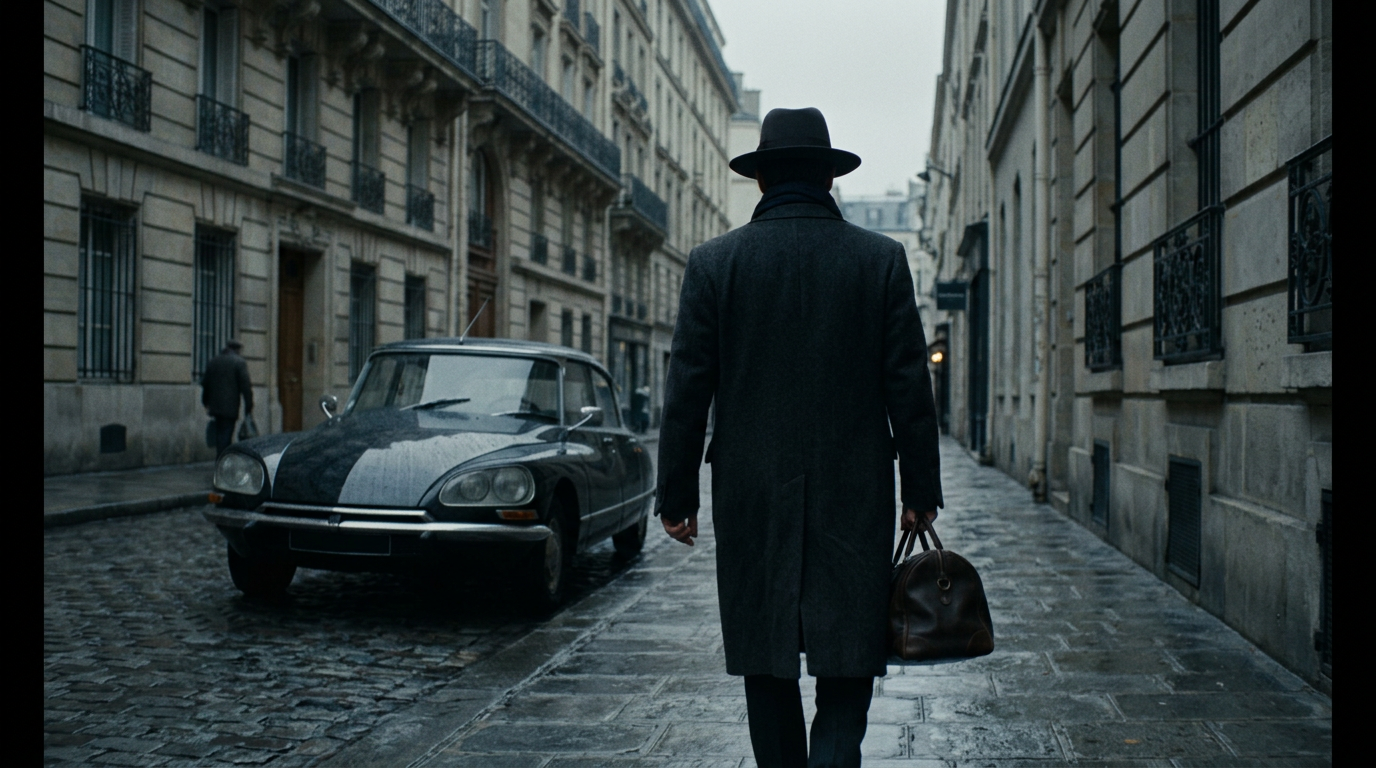
Rome, Italy – specifically the opulent apartments of the bourgeois, stark police headquarters, and the bustling, yet often decaying, urban backdrop.
More from the travel pages →The Cars
Period Italian sedans, including the Fiat 124 Saloon, feature prominently as police and civilian vehicles.
More from motoring →The Wardrobe
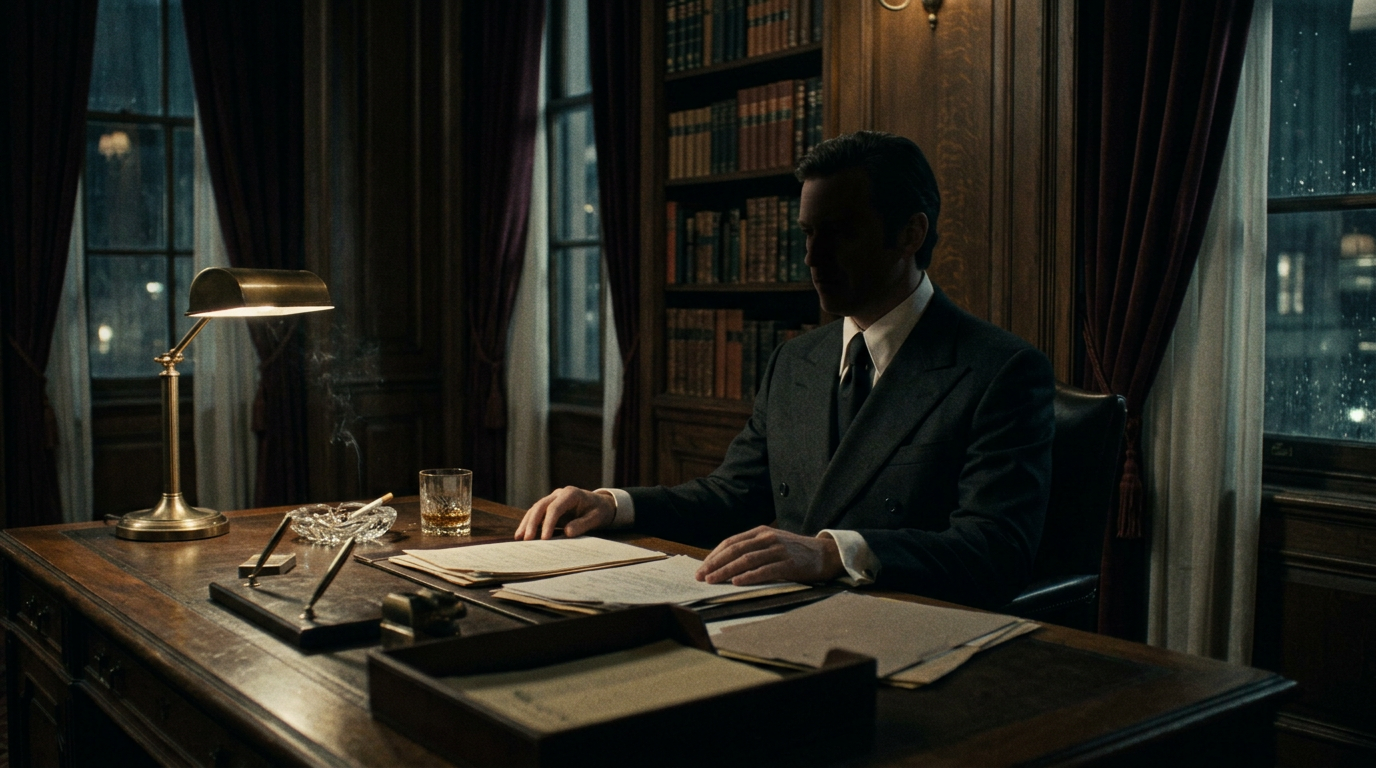
The Inspector maintains a precise, albeit somewhat dated, wardrobe of dark suits, stiff collars, and understated ties, reflecting his rigid adherence to perceived order. Florinda Bolkan’s character, Augusta Terzi, wears more flamboyant, fashionable attire of the era, indicative of her liberated spirit.
More on style →The Soundtrack
Ennio Morricone's iconic, whistle-led main theme is instantly recognisable and deeply unsettling, perfectly capturing the film's dark, satirical tone. It is a masterclass in scoring.
Into the music room →Watch Next
Where to Watch
Available on Criterion Collection Blu-ray and select streaming platforms.
For the Collection
Also in The Criminal Gentleman

As an Amazon Associate I earn from qualifying purchases. Links cost you nothing and never influence what we recommend. Recommendations are honest and never paid for. Imagery is an original interpretation, not a still from the production.