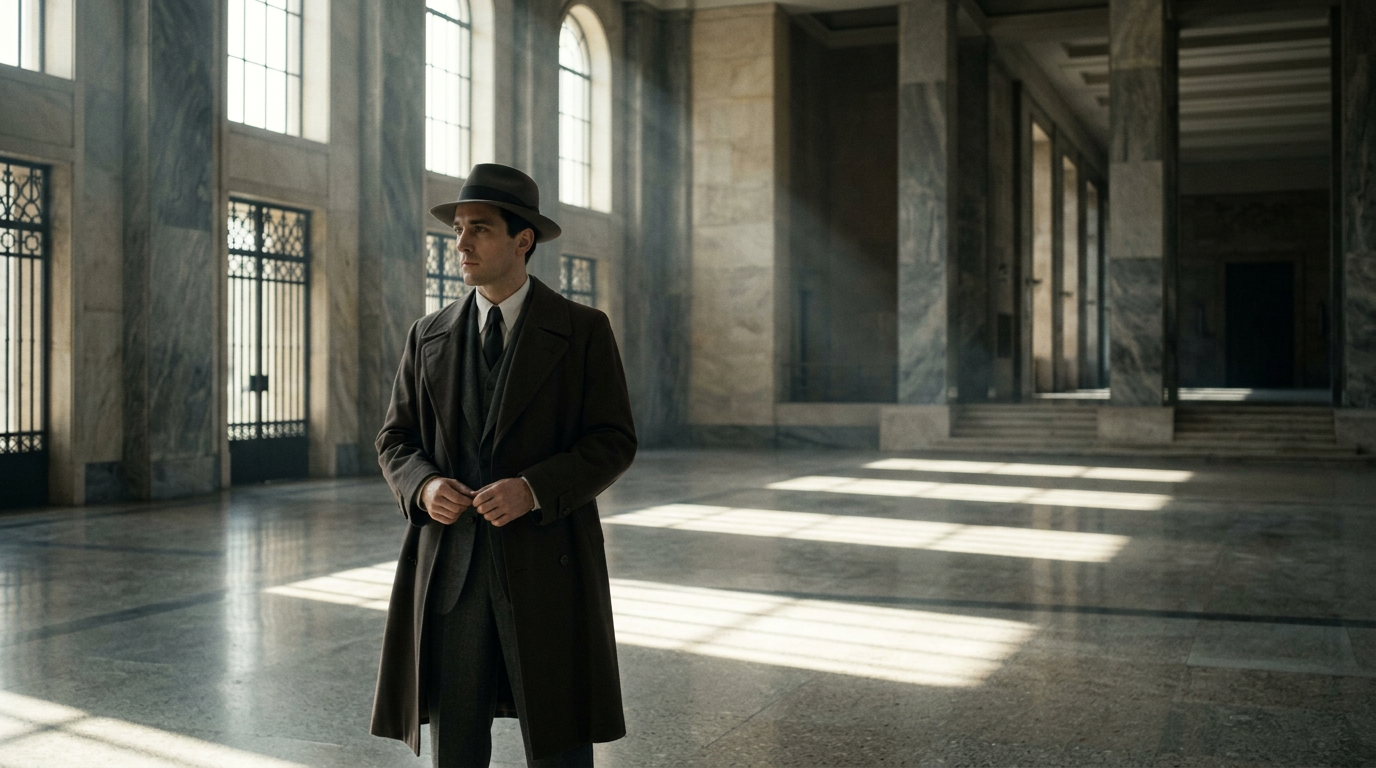
Original interpretation — not a still from the production
Bernardo Bertolucci’s chilling portrait of conformist ideology, rendered in exquisite chiaroscuro.
The Continental Verdict
Essential
Bernardo Bertolucci’s 1970 masterwork, *Il Conformista*, stands as a visually arresting and psychologically penetrating examination of fascism, presented not as a grand, external force, but as a deeply personal and internal surrender. Marcello Clerici, portrayed with chilling detachment by Jean-Louis Trintignant, is a man driven by a profound desire for normalcy and acceptance, stemming from a traumatic childhood incident. He aligns himself with Mussolini’s regime, seeking anonymity and safety within the collective, ultimately accepting a mission to assassinate his former anti-fascist professor in Paris. Bertolucci, alongside the masterful cinematography of Vittorio Storaro, crafts a world of shadows and light, opulent architecture and moral decay, where every frame is a carefully composed painting.
The film’s narrative weaves through Marcello’s past and present, revealing the psychological underpinnings of his political choices. It is less a conventional spy thriller and more a profound character study, dissecting the banality of evil and the allure of conformity. The juxtaposition of idyllic settings, such as the sun-drenched Italian countryside or Parisian boulevards, with the sinister undertones of Marcello’s mission, creates a disturbing beauty. Dominique Sanda, as Anna Quadri, the professor's wife, and Stefania Sandrelli, as Marcello’s seemingly naive fiancée Giulia, offer compelling performances that highlight the human cost of Marcello's ideological commitment. *Il Conformista* remains a stark and elegant warning, a film that observes rather than judges, inviting the viewer to contemplate the fragility of individual conviction against the tide of political expediency.
Why Watch It
The Gentleman Factor
The Continental man understands that true conviction often stands against the prevailing tide. This film offers a powerful, albeit unsettling, meditation on the seduction of conformity and the personal compromises it demands. It is a study in character, a reminder that the greatest battles are often fought within.
Look Out For
- Mid-century Italian architecture
- Art Deco interiors
- Soft, diffused light
The Locations
Rome, Paris, Colle Oppio, Sabaudia, Saint-Cloud National Park
More from the travel pages →The Cars
Lancia Aprilia, Fiat 500 Topolino
More from motoring →The Wardrobe
Gino Coppedè’s Roman architecture, Vittorio Storaro’s innovative lighting, and Gitt Magrini’s sartorial precision create an unforgettable aesthetic. Marcello’s trench coats and tailored suits perfectly embody his quest for conventionality, while Giulia’s more expressive dresses hint at her bourgeois world. Anna’s elegant Parisian ensembles speak of intellectual sophistication.
More on style →The Soundtrack
Georges Delerue’s score is subtly melancholic, enhancing the film’s dreamlike yet unsettling atmosphere without ever becoming obtrusive. It underscores the psychological tension and the narrative's tragic trajectory.
Into the music room →Watch Next
Where to Watch
Available on Criterion Collection Blu-ray and select streaming platforms.
For the Collection
Also in Continental Cinema
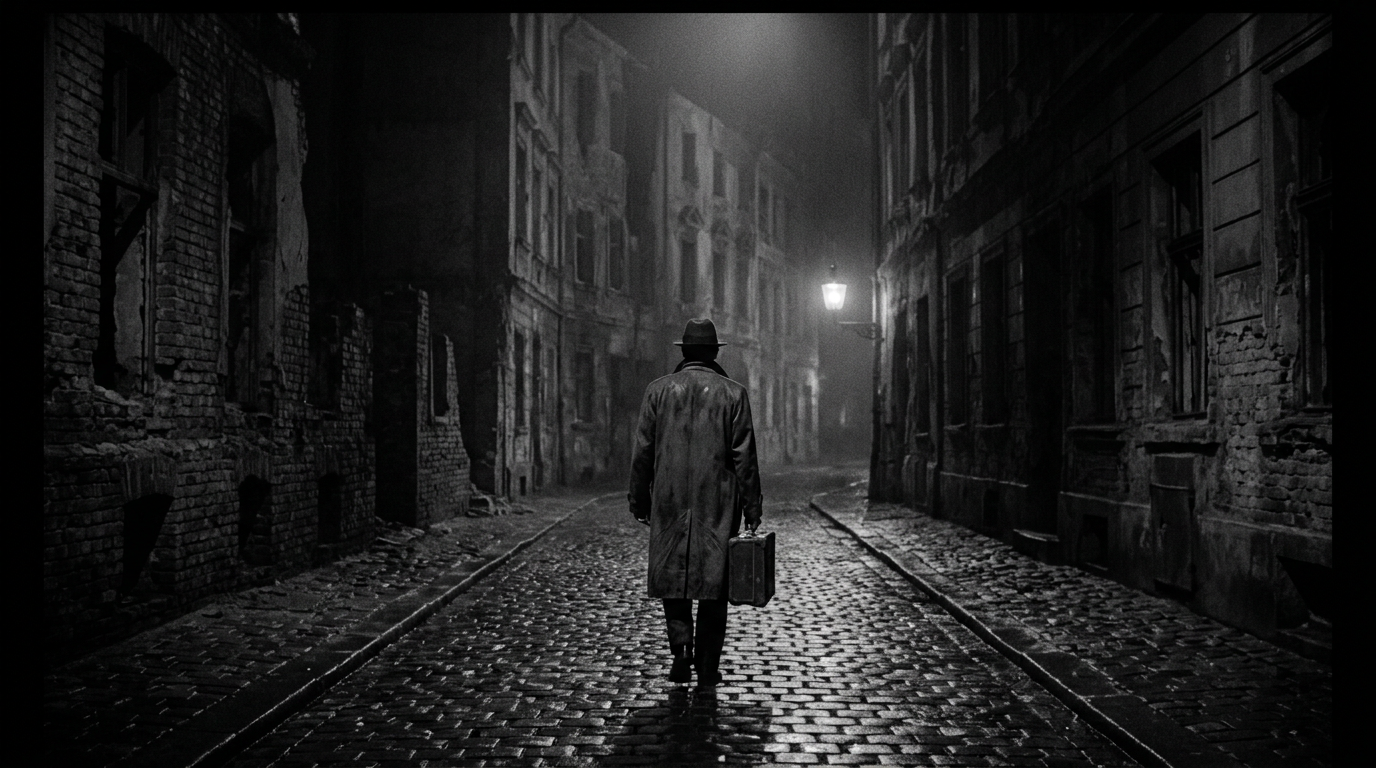
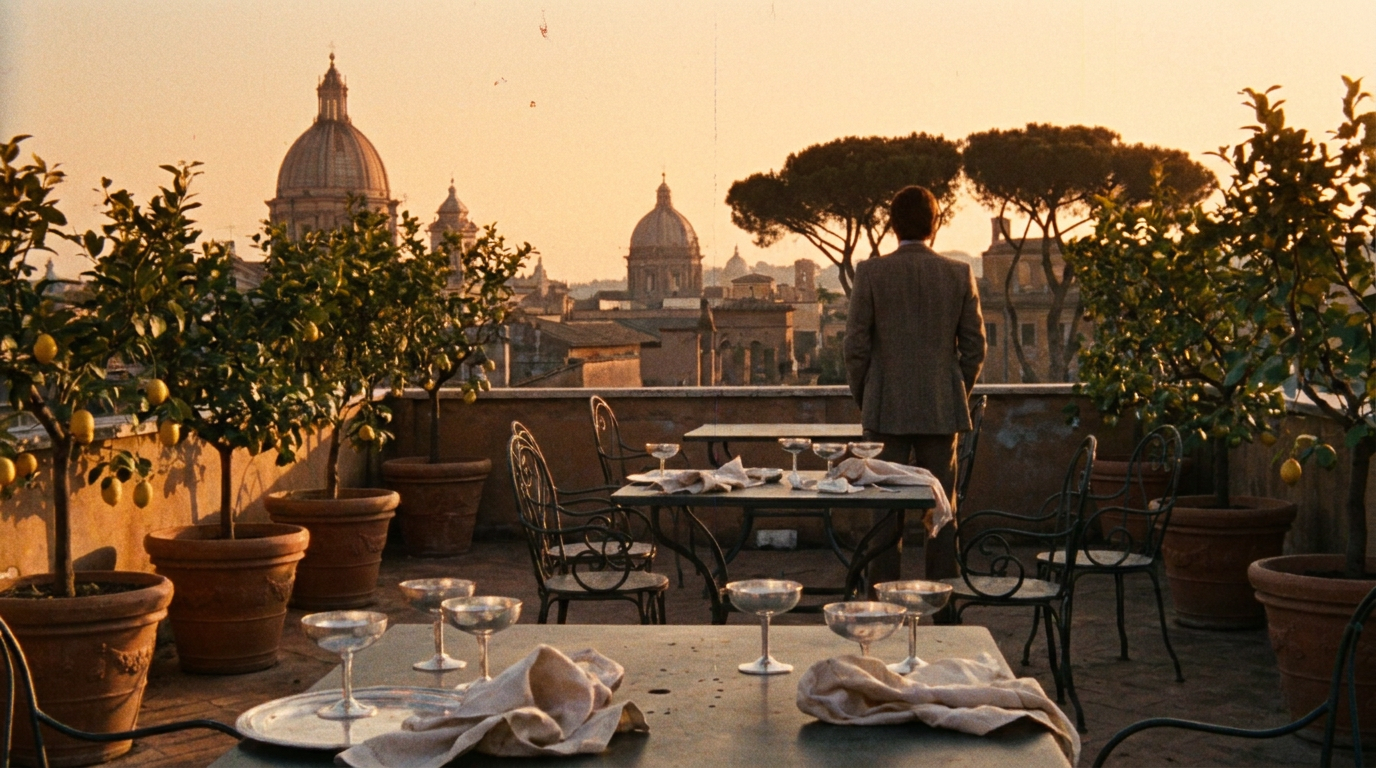
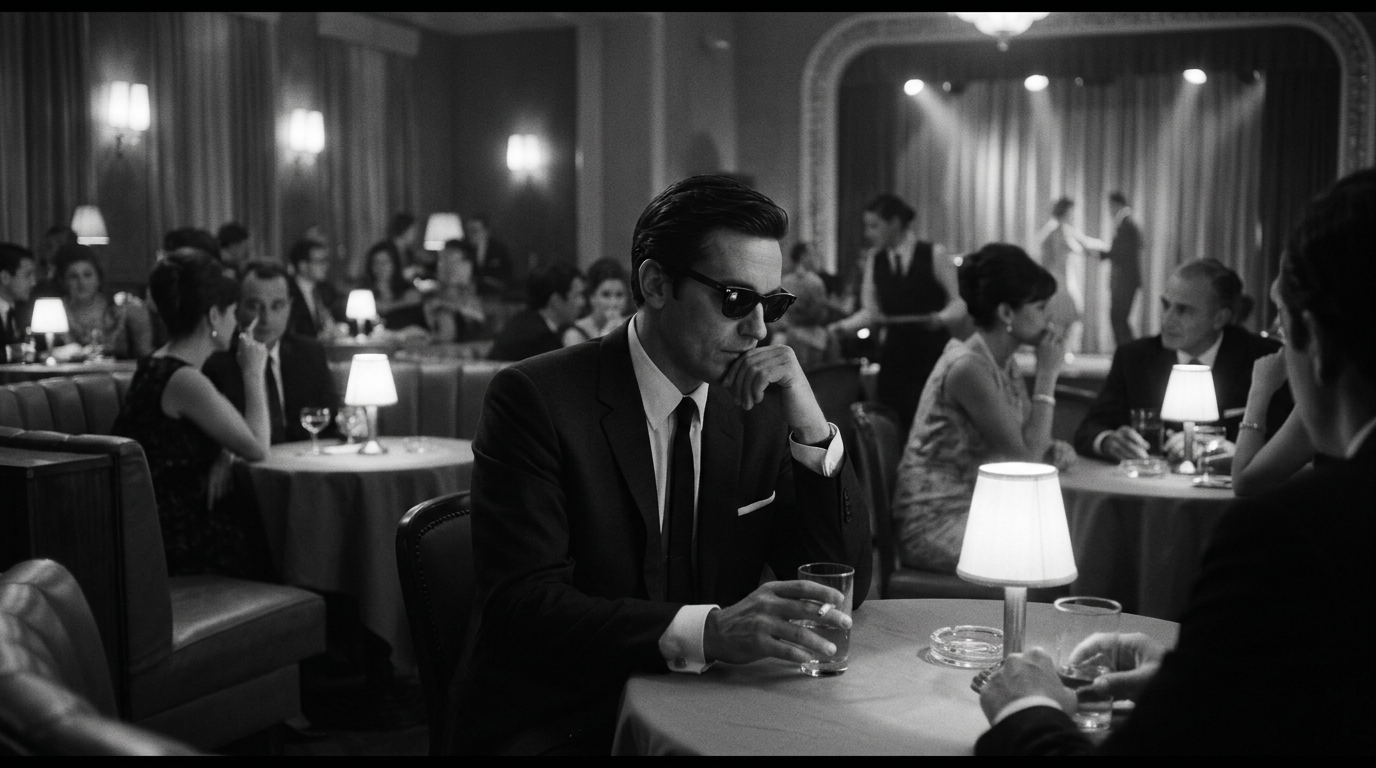
As an Amazon Associate I earn from qualifying purchases. Links cost you nothing and never influence what we recommend. Recommendations are honest and never paid for. Imagery is an original interpretation, not a still from the production.