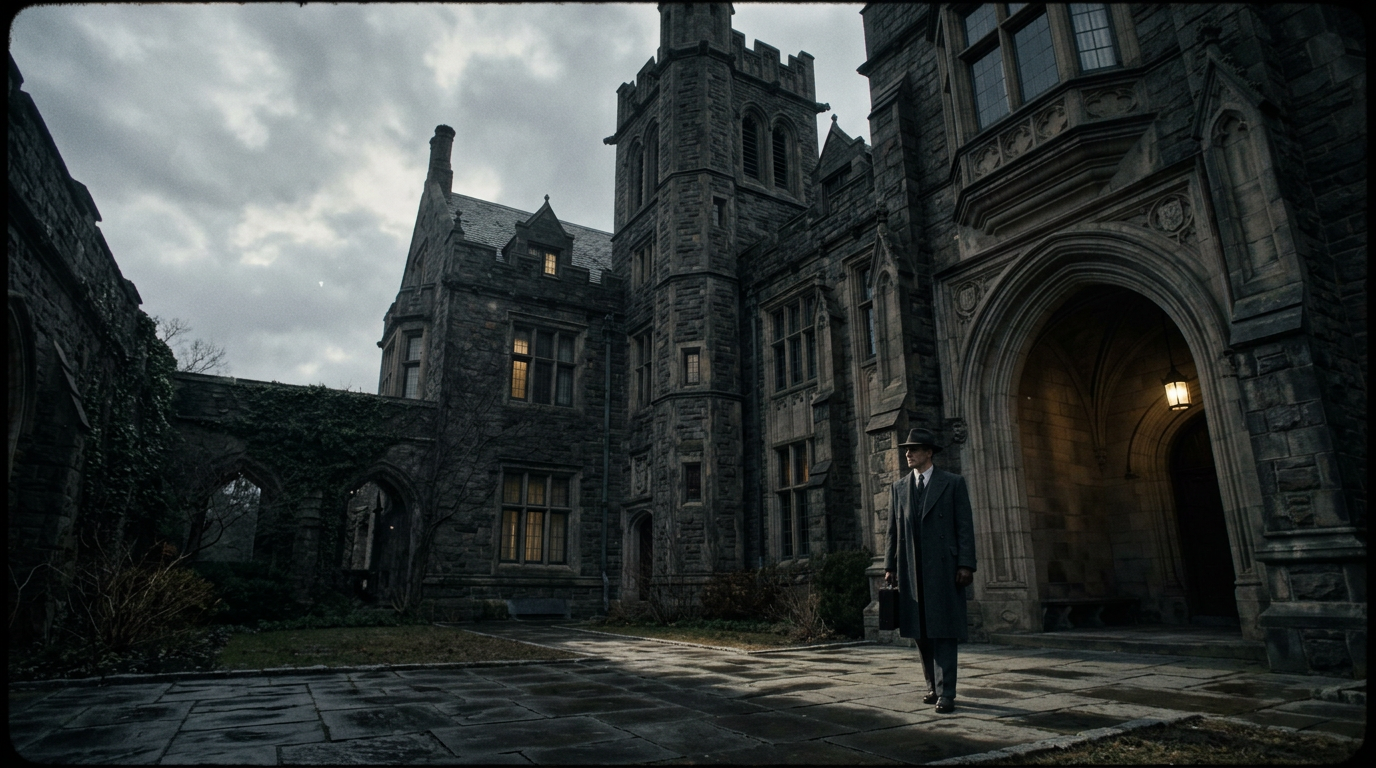
Original interpretation — not a still from the production
The rise and fall of a publishing titan, a symphonic study of power, ambition, and the enduring enigma of a singular life.
The Continental Verdict
Essential
Orson Welles’s debut, *Citizen Kane*, remains a towering achievement in cinematic storytelling. Its non-linear narrative, pioneering deep-focus cinematography, and inventive sound design coalesce to paint a complex portrait of Charles Foster Kane, a man whose life, from a humble upbringing to immense publishing power, is examined through the fractured recollections of those who knew him. Welles, who also stars, masterfully crafts a character both grandiose and profoundly solitary, a figure whose public persona as a populist champion clashes dramatically with his private struggles and ultimate isolation. The film’s audacity in structure and visual language established a new benchmark for narrative ambition in Hollywood, influencing generations of filmmakers who sought to break away from conventional forms.
Beyond its technical brilliance, *Citizen Kane* offers a profound commentary on the American pursuit of success and the often-elusive nature of happiness. Kane's accumulation of wealth and influence, his grandiose projects, and his attempts to control public opinion ultimately fail to fill the void within him, leaving a legacy overshadowed by a singular, unfulfilled desire. The film's meticulous attention to detail, from the sprawling, melancholic Xanadu to the carefully composed newspaper montages, underscores the intricate tapestry of Kane’s world, a world where personal affections are transactional and power is both a shield and a prison. It is a work that rewards repeat viewings, each time revealing new layers of its intricate psychological and societal critique.
Why Watch It
The Gentleman Factor
An education in the double-edged sword of ambition and the often-illusory nature of success. It reminds one that true contentment rarely lies in acquisition.
Look Out For
- Noir shadows
- Deep-focus cinematography
- Grand, echoing sets
The Locations
The fictional Xanadu estate (inspired by William Randolph Hearst's San Simeon), newspaper offices, San Francisco.
More from the travel pages →The Cars
Period correct luxury vehicles, often obscured by shadow or appearing briefly.
More from motoring →The Wardrobe
Period suits, grand evening wear, and elegant day dresses, reflecting the escalating wealth and social status of its characters, designed by Edward Stevenson.
More on style →The Soundtrack
Bernard Herrmann’s debut film score, a melancholic and often dissonant accompaniment that underscores Kane’s psychological decline.
Into the music room →Watch Next
Where to Watch
Available on Criterion Collection Blu-ray, HBO Max, and various digital rental platforms.
For the Collection
Also in Power & Money
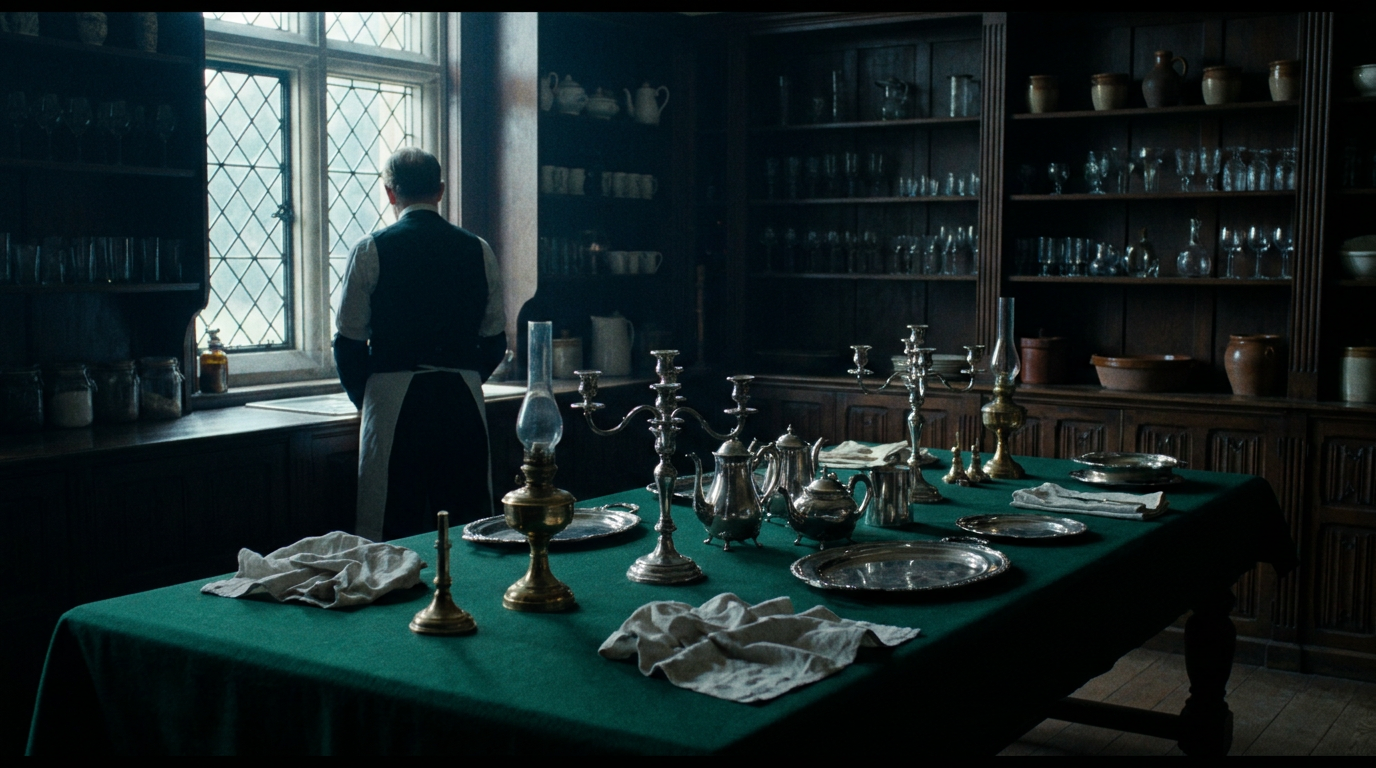
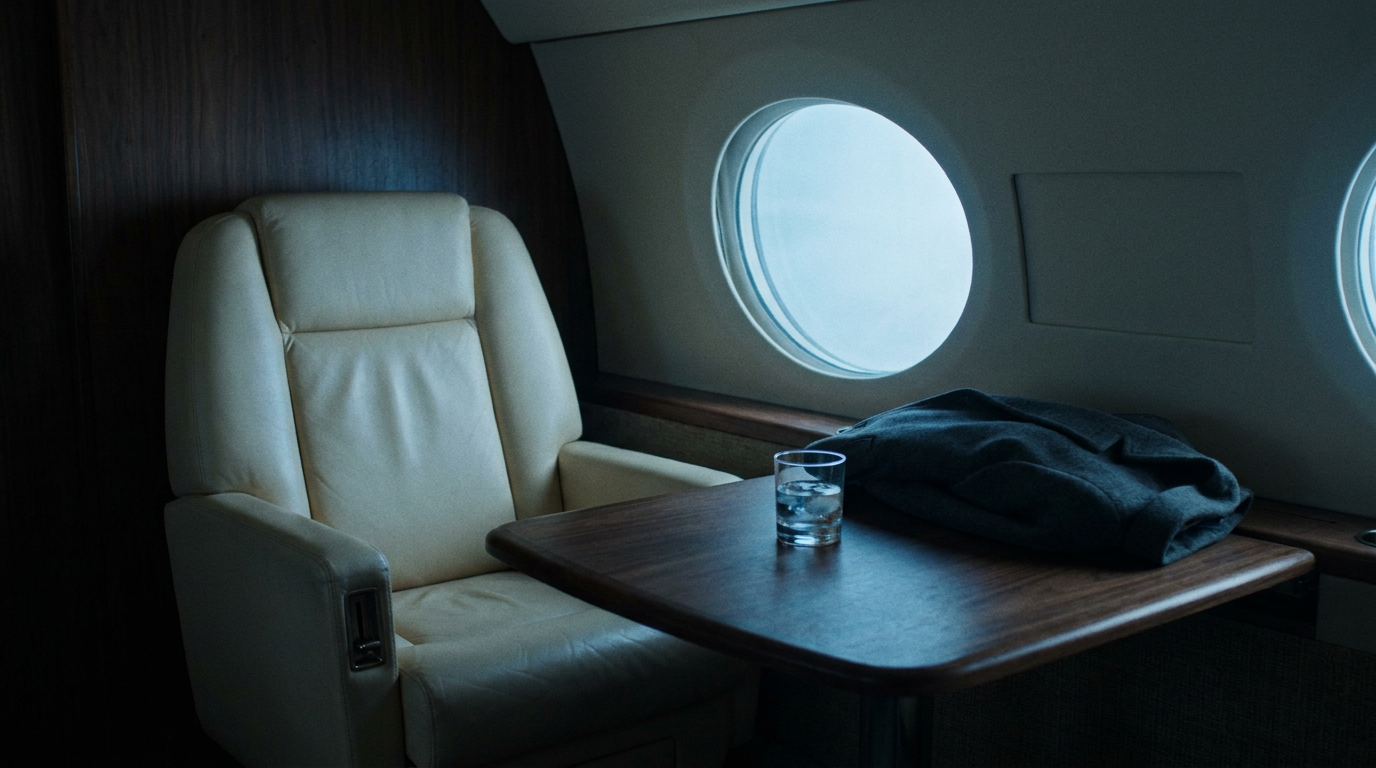
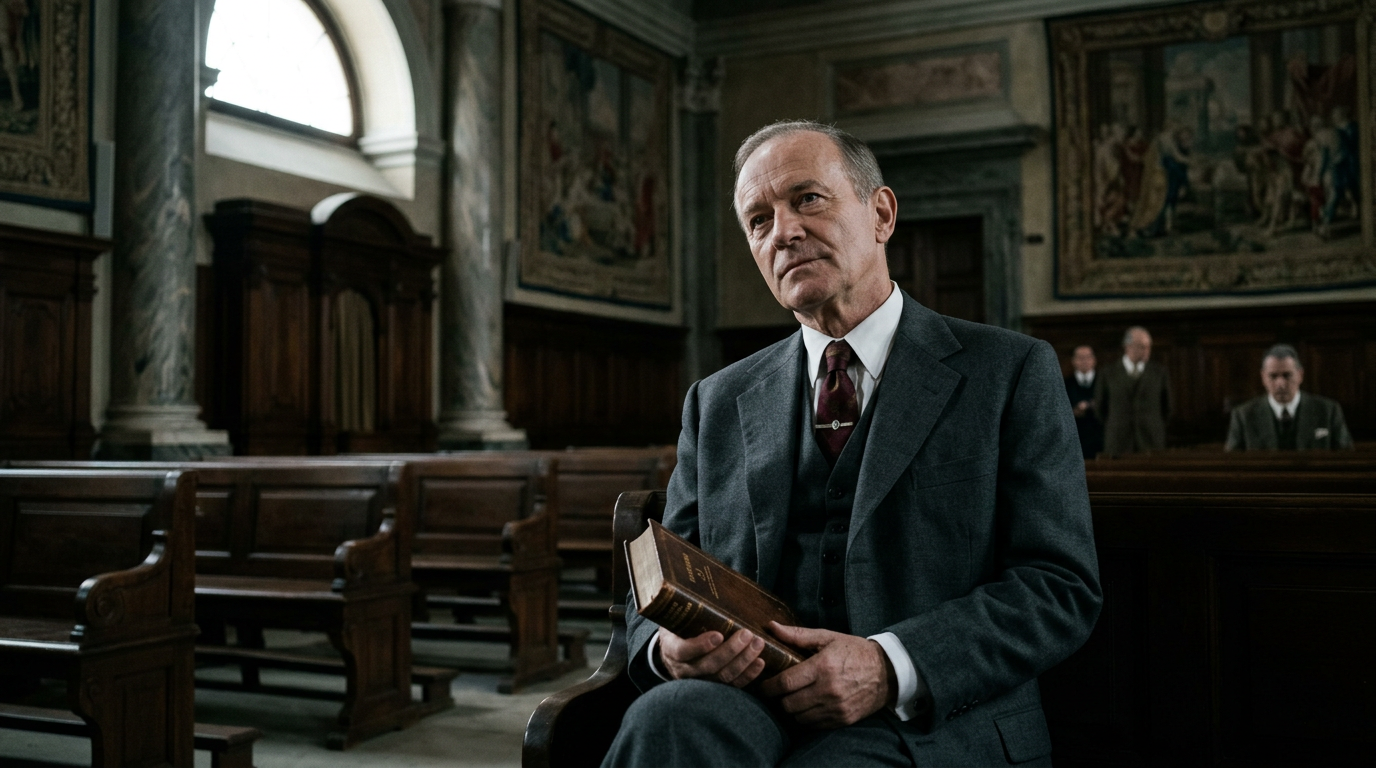
As an Amazon Associate I earn from qualifying purchases. Links cost you nothing and never influence what we recommend. Recommendations are honest and never paid for. Imagery is an original interpretation, not a still from the production.