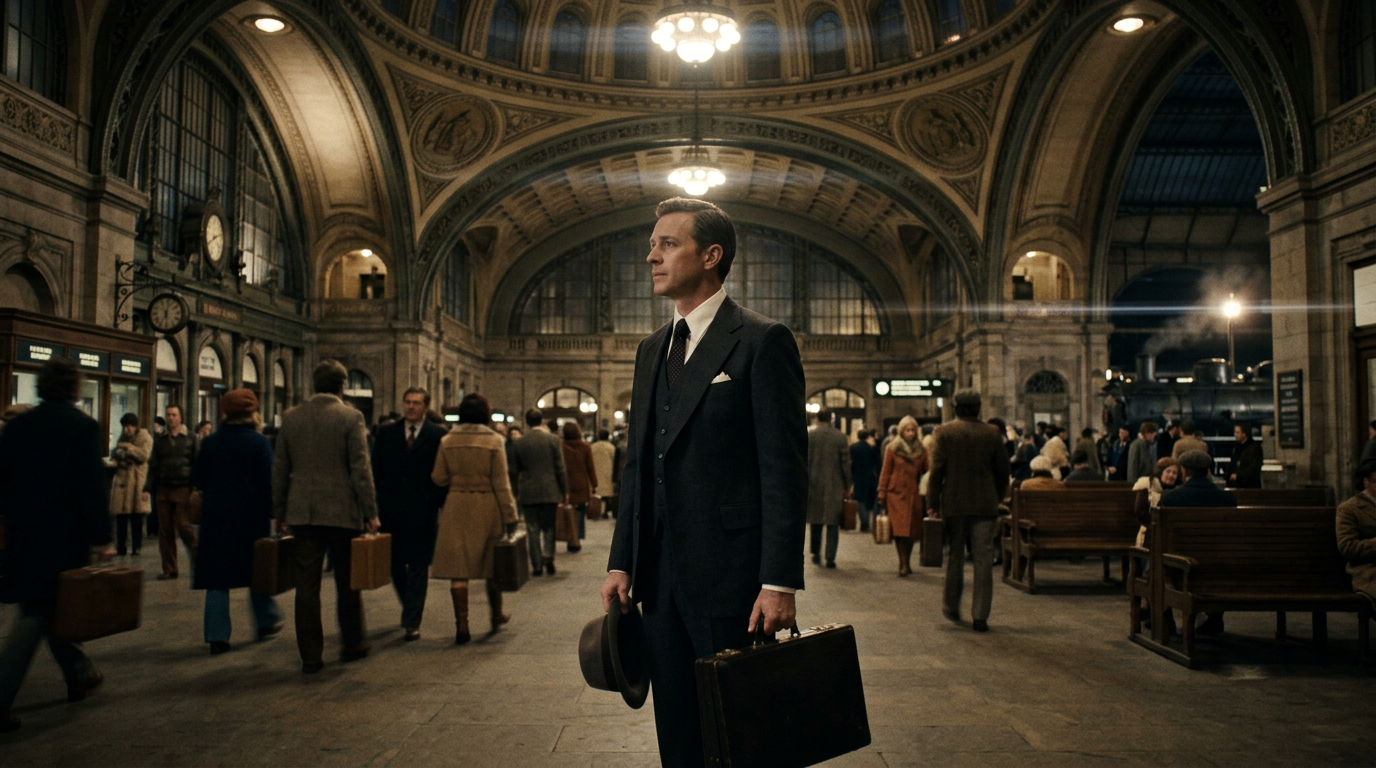
Original interpretation — not a still from the production
A former drug lord's earnest, and ultimately futile, endeavour to forsake his past for a legitimate future.
The Continental Verdict
Essential
Brian De Palma’s 1993 crime drama, 'Carlito’s Way', charts the poignant trajectory of Carlito Brigante, a Puerto Rican former drug kingpin, recently liberated from prison thanks to the machinations of his ethically compromised lawyer, David Kleinfeld. Al Pacino, in a performance of characteristic intensity and nuance, imbues Carlito with a weary resolve, a man genuinely committed to detaching himself from the entanglements that defined his earlier life. His aspiration, a simple yet unattainable idyll in the Bahamas, forms the emotional core of the narrative, a vision of quiet prosperity continually undermined by the gravitational pull of old alliances and the inherent treachery of the demimonde.
While often overshadowed by the director's other collaborations with Pacino, 'Carlito’s Way' stands as a superior examination of honour, loyalty, and the inescapable nature of a reputation forged in violence. The film is suffused with a melancholic fatalism, captured expertly by Stephen Burum’s cinematography, which bathes the 1970s New York setting in a rich, nocturnal palette. Sean Penn delivers a transformative turn as Kleinfeld, a man whose descent into addiction and deceit acts as a stark counterpoint to Carlito's desperate reach for redemption. The narrative, adapted from Edwin Torres's novels, unfolds with a gripping inevitability, culminating in a sequence of escalating tension and a conclusion that is as devastating as it is thematically resonant.
Why Watch It
The Gentleman Factor
The gentleman may observe the profound difficulty, if not impossibility, of truly divorcing oneself from a life of significant prior entanglements. It serves as a cautionary tale on the long reach of one’s reputation and the company one keeps.
Look Out For
- 1970s New York City nightlife, autumnal streetscapes, legal offices, and dance clubs.
- The chiaroscuro lighting of Stephen Burum.
- The period-specific fashion of both the underworld and the nascent disco scene.
The Locations
The film was shot predominantly in New York City, utilising real-world locations such as Grand Central Terminal and various Manhattan streets to evoke the 1970s.
More from the travel pages →The Cars
Period-appropriate American sedans and taxis are visible, reflecting the era.
More from motoring →The Wardrobe
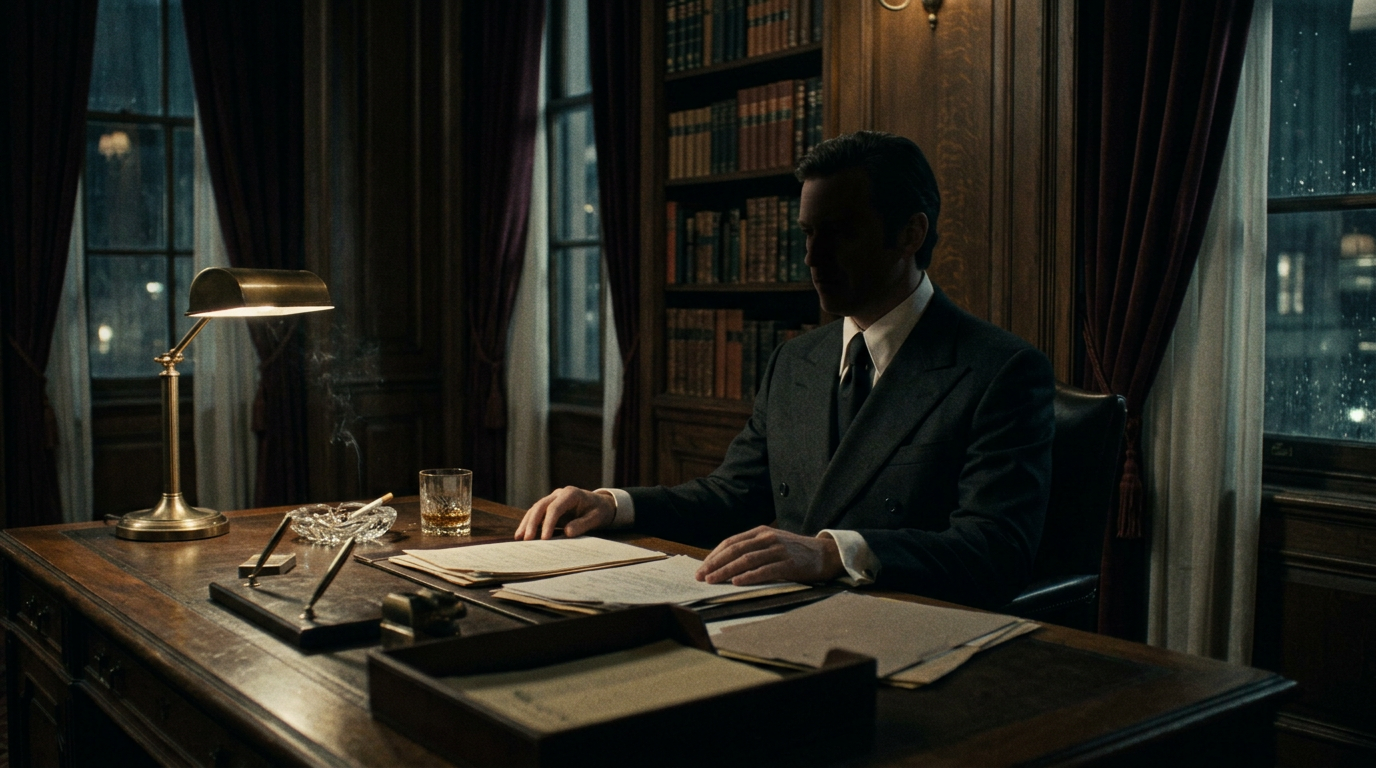
Costume designer Aude Bronson-Howard meticulously recreated the late 1970s aesthetic, particularly notable in the tailored suits worn by Carlito and Kleinfeld, and Gail’s disco-era attire.
More on style →The Soundtrack
Patrick Doyle’s score underpins the film’s melancholic tone, complemented by an eclectic selection of 1970s soul, funk, and disco tracks, featuring artists such as Joe Cocker and Frankie Valli.
Into the music room →Watch Next
Where to Watch
Available on most major streaming platforms for rental or purchase.
For the Collection
Also in The Criminal Gentleman
As an Amazon Associate I earn from qualifying purchases. Links cost you nothing and never influence what we recommend. Recommendations are honest and never paid for. Imagery is an original interpretation, not a still from the production.