The Partagás Lusitania: A Study in Power and Time
The grand Double Corona of Partagás is not a casual affair, but a deliberate commitment. It is a benchmark of Cuban cigar craft, demanding attention and rewarding it in equal measure.
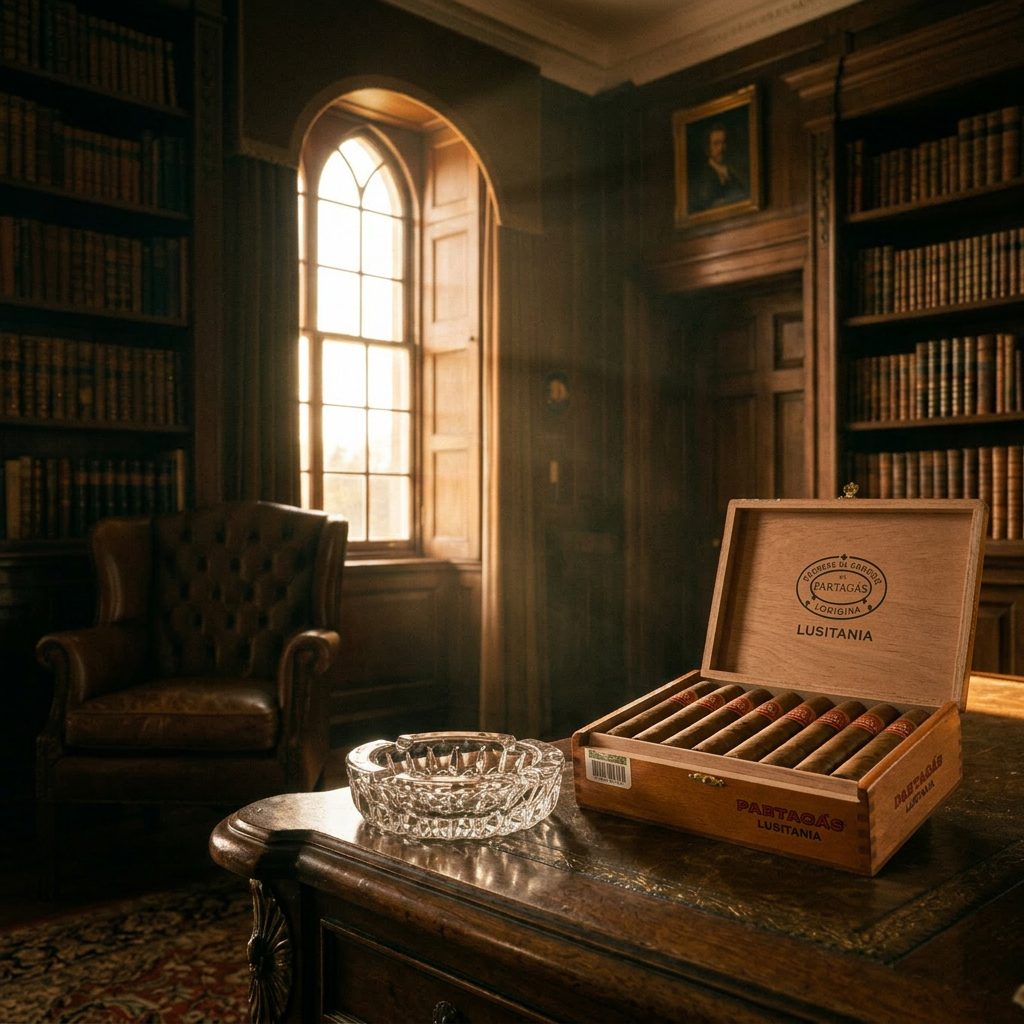
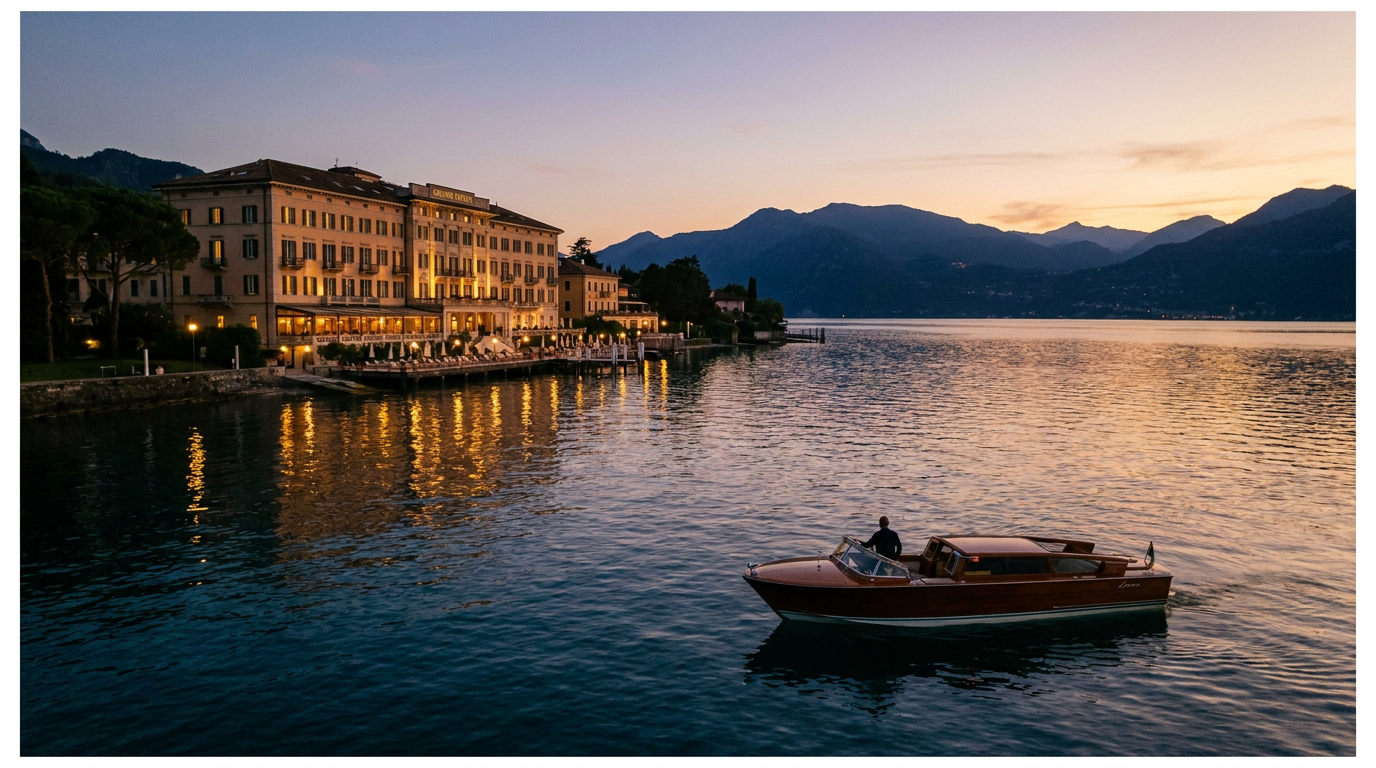
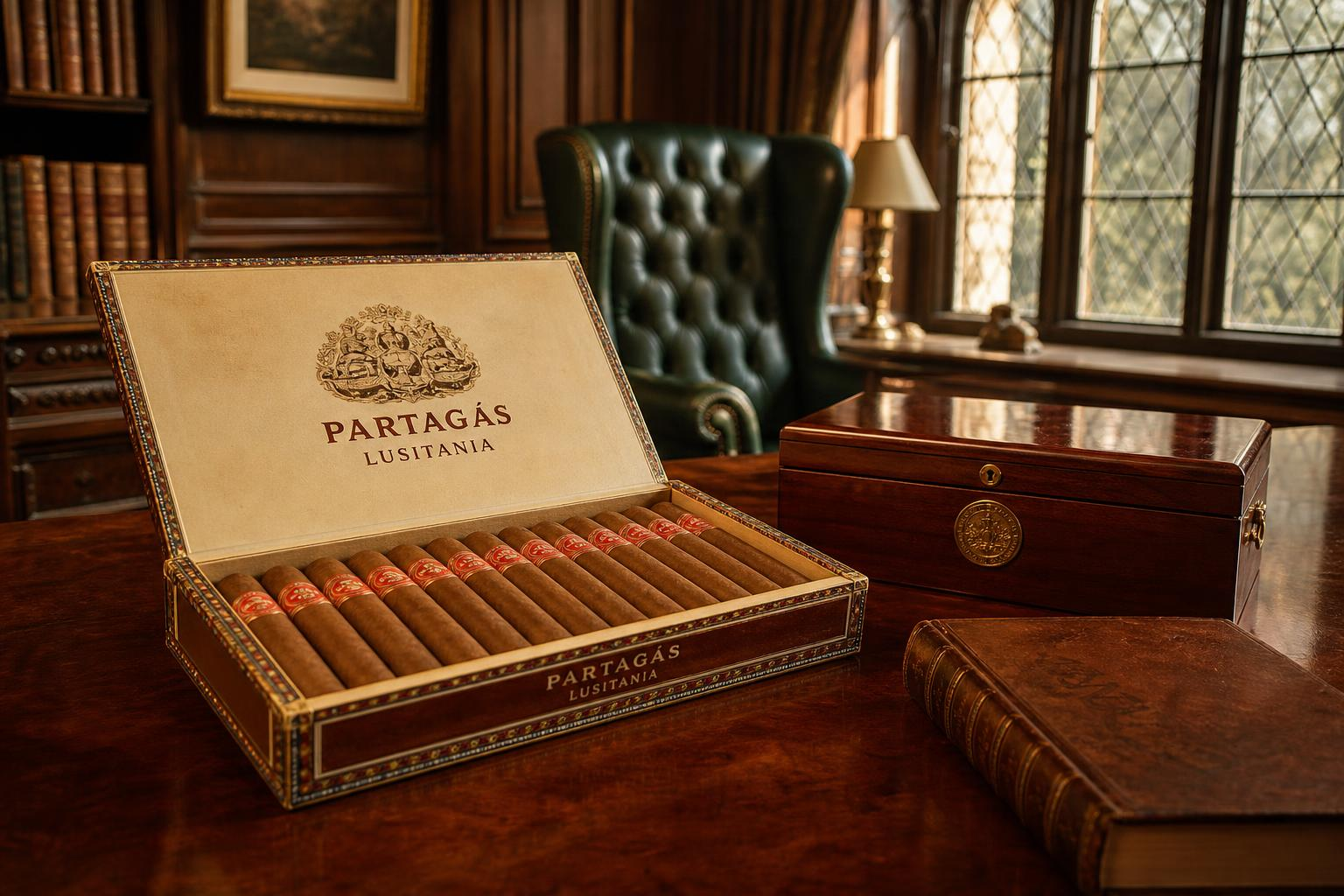
To select a Partagás Lusitania from the humidor is to make a conscious decision about the next two hours. This is not a cigar for a hurried moment between appointments; it is an appointment in itself. Its commanding presence, a formidable 49 ring gauge by 7.6 inches, speaks to a time when leisure was not a luxury but a structured part of the day. I found myself on a quiet hotel terrace overlooking a city settling into dusk, the evening air still carrying the warmth of the afternoon sun. It felt like the proper setting for such a deliberate act.
The Lusitania has long been the flagship vitola of Partagás, one of Havana’s oldest and most storied marcas, founded in 1845. The brand’s profile is famously robust, earthy, and direct, and the Lusitania is its most complete and grandiloquent expression. To hold one is to feel the weight of that history. The wrapper was a handsome, oily Colorado leaf, with the slight texture that promises a rich concentration of flavour. The pre-light draw was perfect, offering a tantalizing preview of cedar and barnyard—that uniquely Cuban scent that is the soul of good tobacco.
A Legacy Forged in Earth
The Partagás factory, the Real Fábrica de Tabacos Partagás, stands behind the old Capitol building in Havana, a landmark of the city’s cigar-making patrimony. While production has moved, the name still evokes the powerful, full-bodied blends that Don Jaime Partagás y Ravelo envisioned. These are not cigars of subtle nuance, but of declarative strength and profound depth. The Lusitania, a Prominente in the factory nomenclature, is perhaps the ultimate ambassador of this philosophy. It is a cigar that has been enjoyed by statesmen and industrialists, artists and aficionados, for decades—a constant in a world of ceaseless change. Its consistency, batch to batch, year to year, is a testament to the enduring skill of Cuba’s torcedores and the unique terroir of the Vuelta Abajo region.
The First Act: Ignition and Spice
I made a clean cut with a double-guillotine, the cap yielding with a satisfying precision. The ritual of lighting a cigar of this magnitude cannot be rushed. A gentle toasting of the foot with a soft flame, taking care not to scorch the wrapper, until the entire circumference glowed with a faint orange ember. The first draw was everything a Partagás should be: a confident blast of black pepper and toasted wood, underpinned by that signature, profound earthiness. It is a flavour that does not ask for your attention, but commands it.
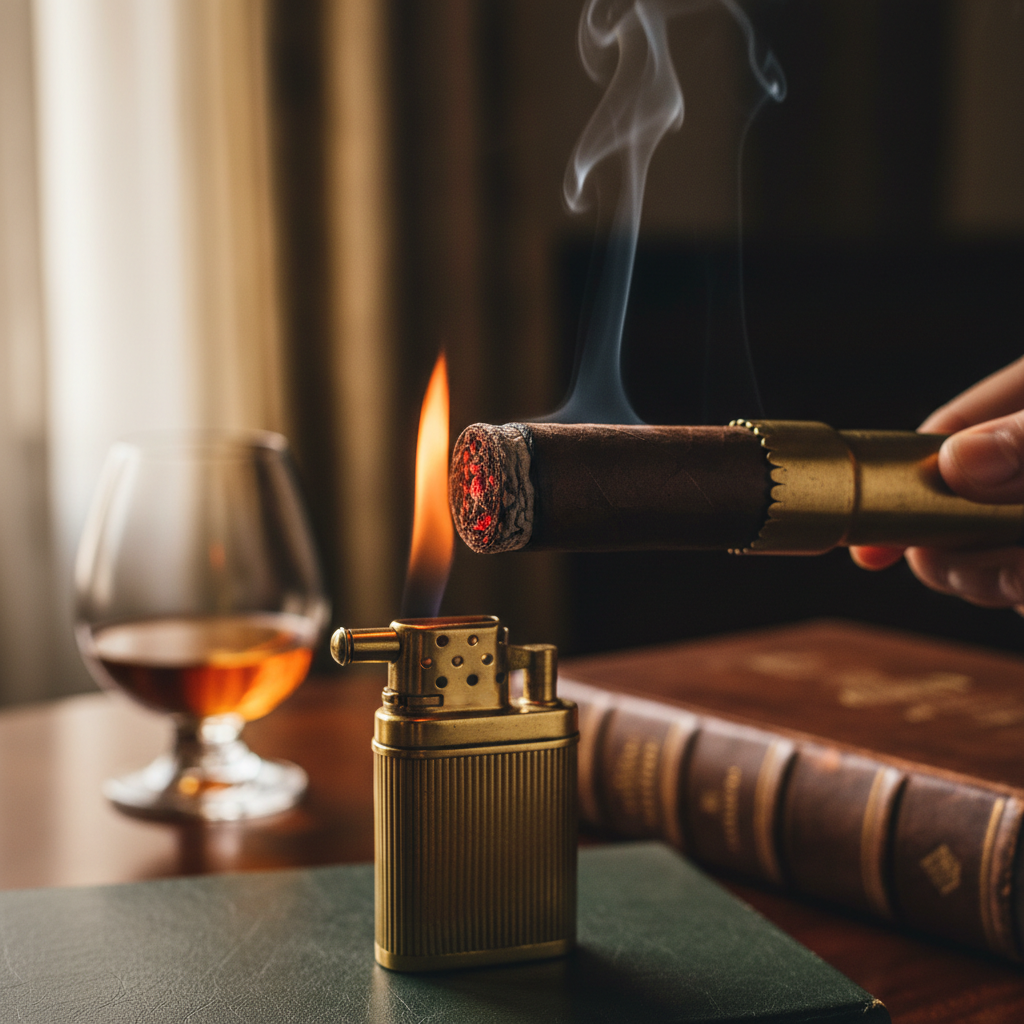
There is a potency in the initial third of a Lusitania that can be bracing, but it is never harsh. The smoke was voluminous and aromatic, filling the air with the scent of cedar and rich soil. The construction was impeccable, the draw offering just the right amount of resistance, a sign of a perfectly bunched filler. The burn began with an even, clean line, the promise of a well-made cigar fulfilling its potential.
The Second Act: A Developing Complexity
As the burn line progressed into the second third, the initial peppery spice began to recede, making way for a more complex and layered profile. This is where the Lusitania truly begins to reveal its character. The raw power of the opening act mellowed into a sophisticated composition of flavours. Notes of worn leather and dark-roast coffee emerged, with a subtle, creamy sweetness—almost a hint of molasses—softening the edges. The strength remained, a constant presence, but it was now the foundation upon which these more intricate notes were built.
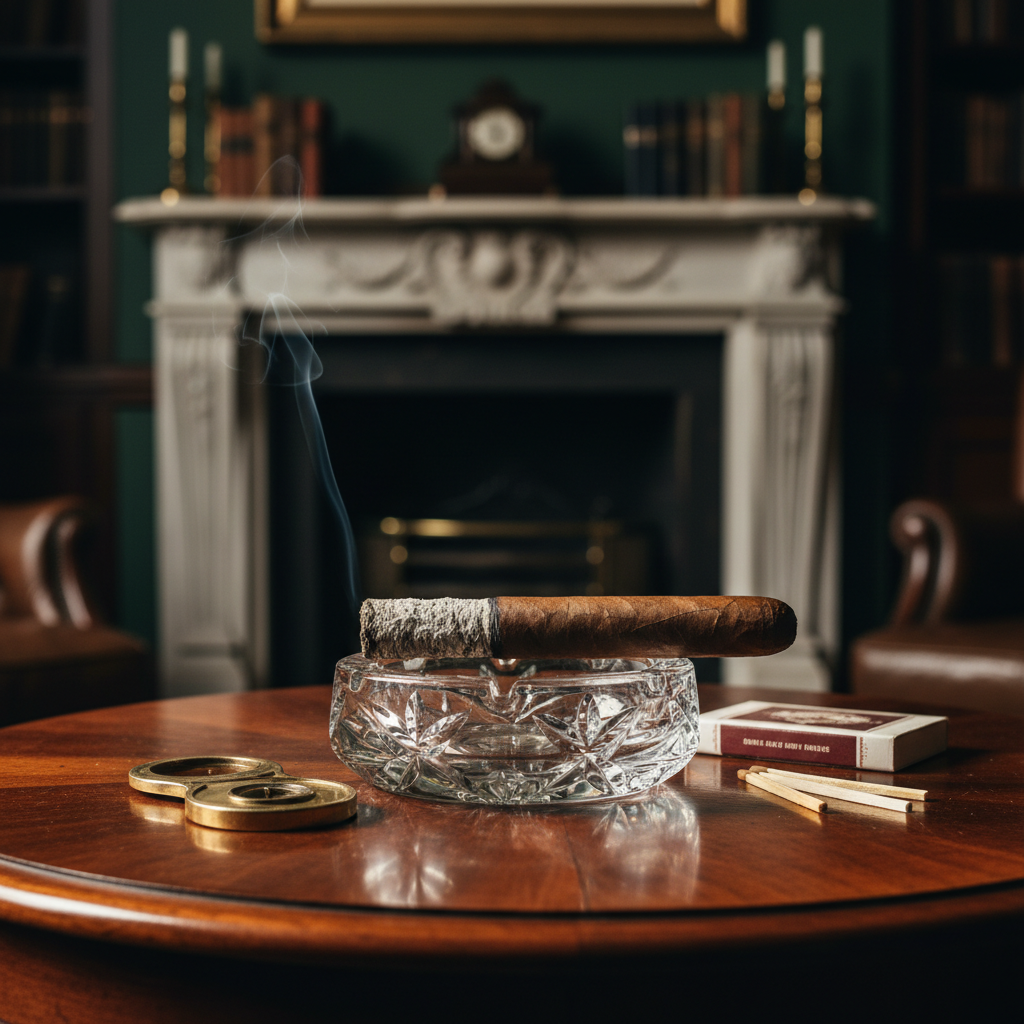
The ash, a firm, salt-and-pepper stack, held for a good inch and a half before dropping of its own accord. This is always a reassuring sign, an external indicator of the quality of the long-filler leaves and the skill of the roller who brought them together. It is in this middle section that the cigar finds its cruising altitude, a steady, flavourful, and deeply satisfying smoke. It invites contemplation, a slow and measured pace that allows one to appreciate the gradual evolution of the blend.
The Final Act: A Worthy Partner
The final third is where the Lusitania delivers its crescendo. The power returns, but it is a deeper, more resonant strength, the flavours concentrated and intense. The earthy core was now complemented by a dark chocolate bitterness and a return of spice, this time more akin to cinnamon than black pepper. It is at this point that a pairing feels not just appropriate, but necessary.
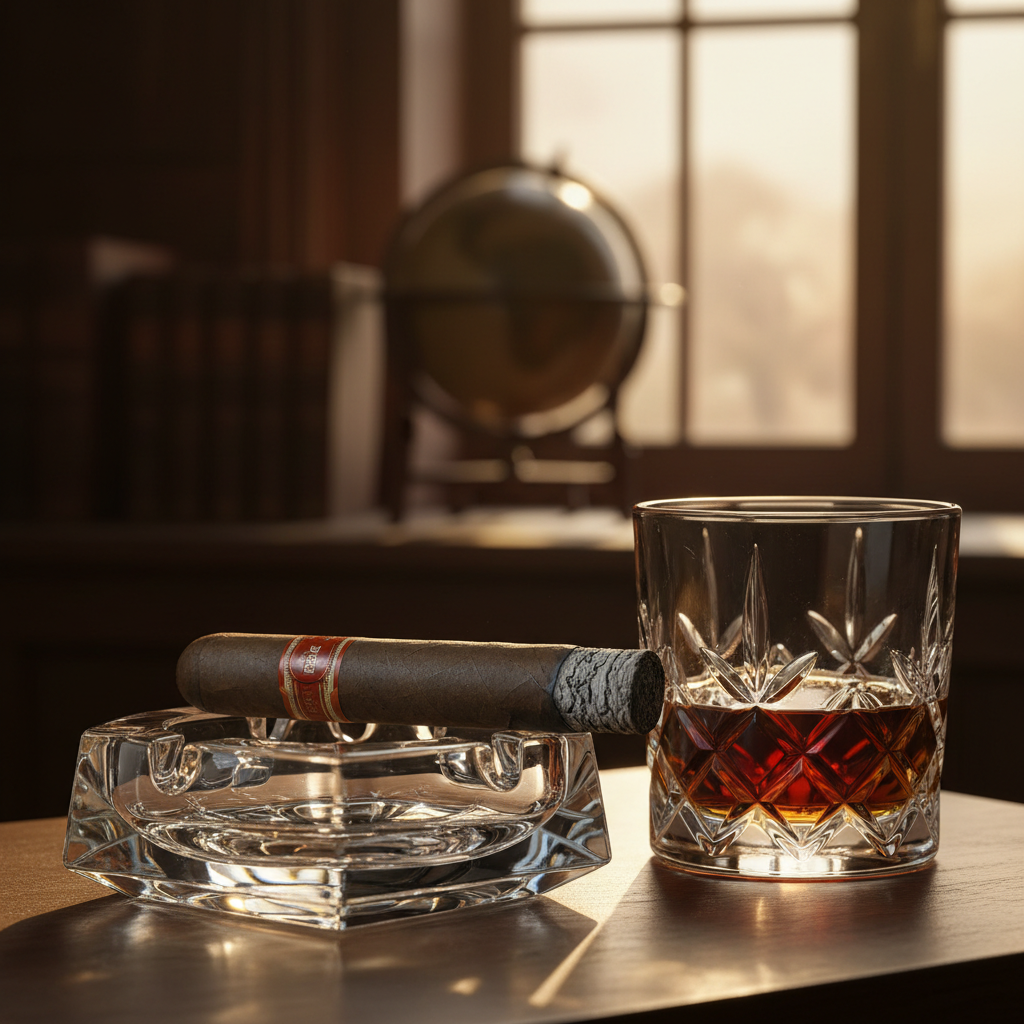
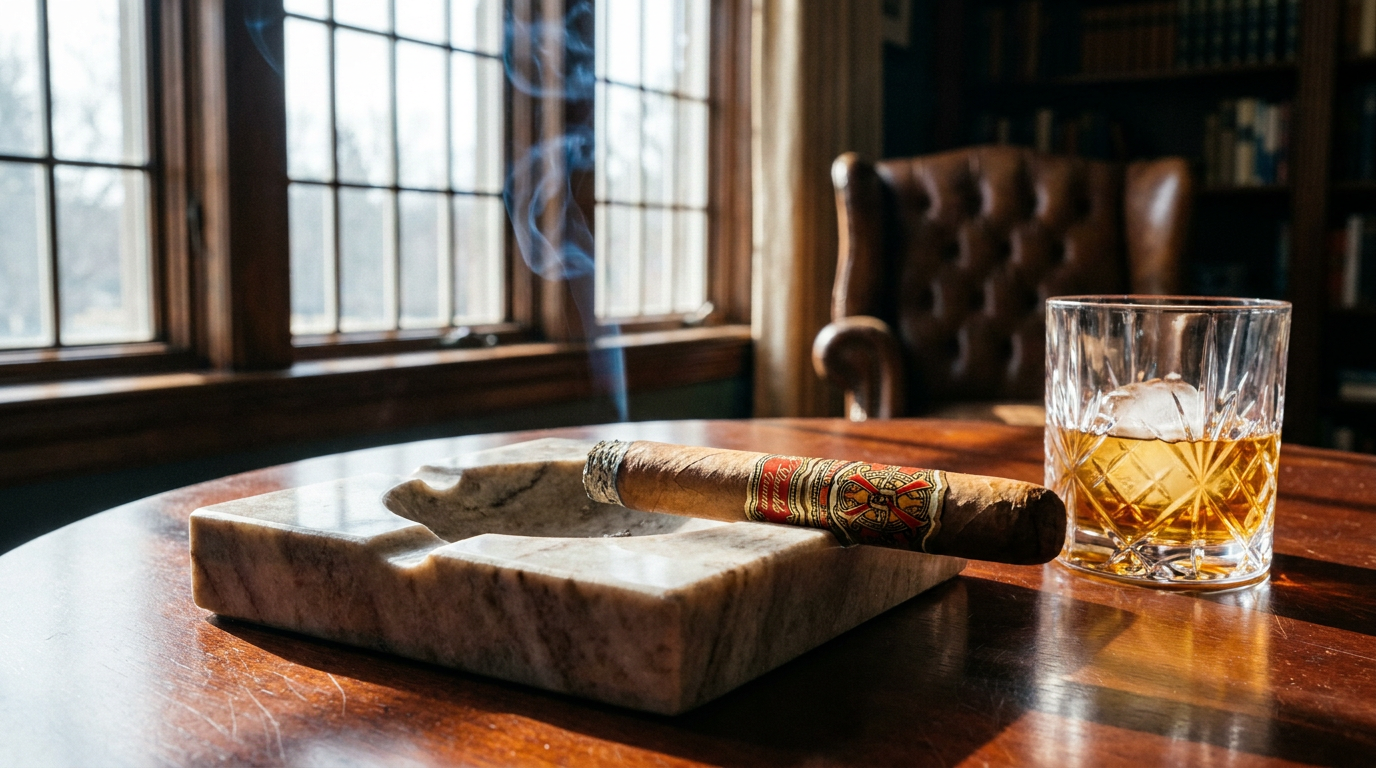
I had chosen an older Cuban rum, one with enough age and character to stand alongside the cigar without being overpowered. The rum’s notes of vanilla, caramel, and oak provided a perfect counterpoint to the cigar’s robust earthiness, each sip cleansing the palate and preparing it for the next draw. The smoke remained cool and flavourful to the very end, a testament to its magnificent construction. To finish a Lusitania is to feel a sense of accomplishment, of time well spent in the company of a true giant of the cigar world. It is, and remains, a benchmark—a study in power and time, and a pillar of the Cuban cigar tradition.