The Montecristo No. 2: A Study in Form and Flavour
The iconic Pirámide is more than a benchmark for the format; it is a pillar of the Cuban cigar tradition, a testament to the power of shape in defining a sensory experience.
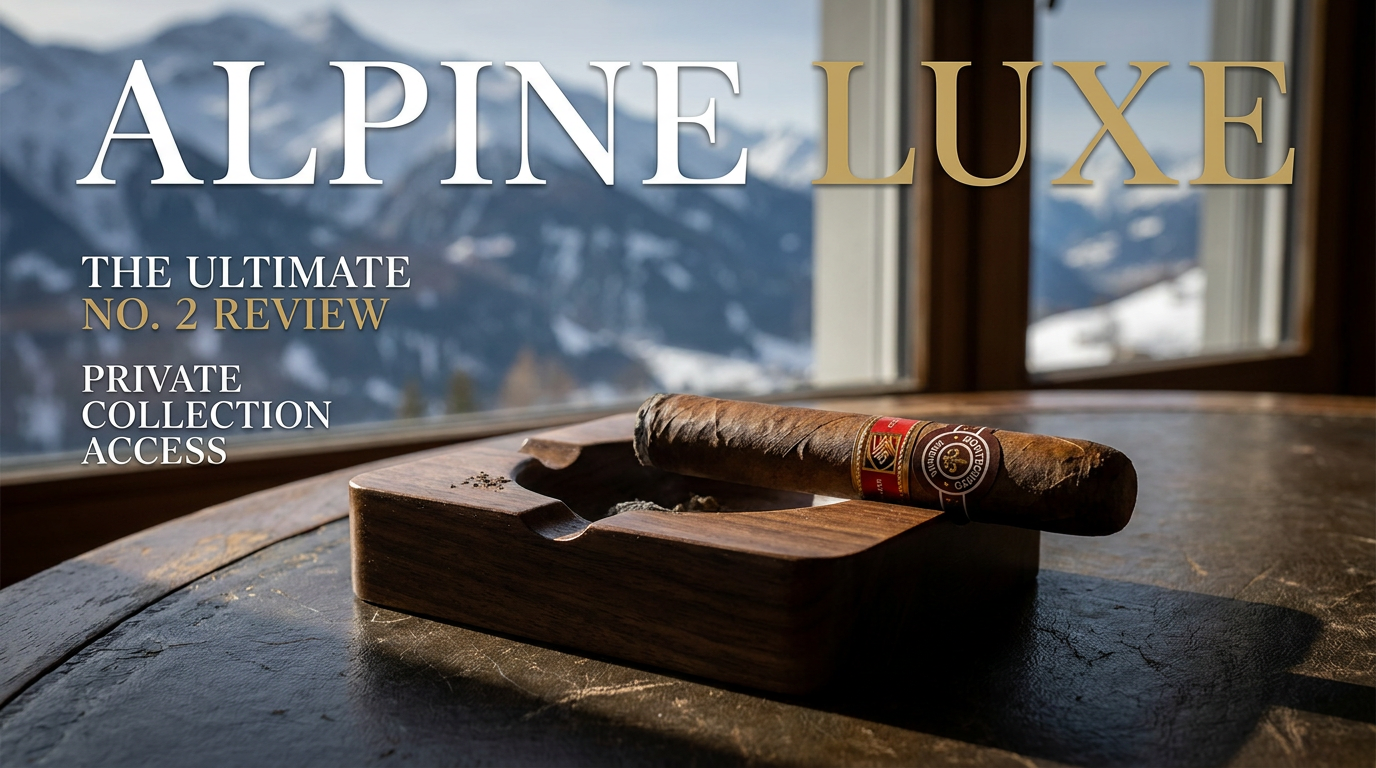
It is a rare thing for a shape to become an archetype. In the world of handmade cigars, where the cylinder is king, the tapered head of the Pirámide, or Torpedo, stands apart. And for decades, one cigar has defined that shape: the Montecristo No. 2. To understand its enduring appeal, I found myself in London last month, stepping out of the damp May evening and into the warm embrace of The Wellesley in Knightsbridge.
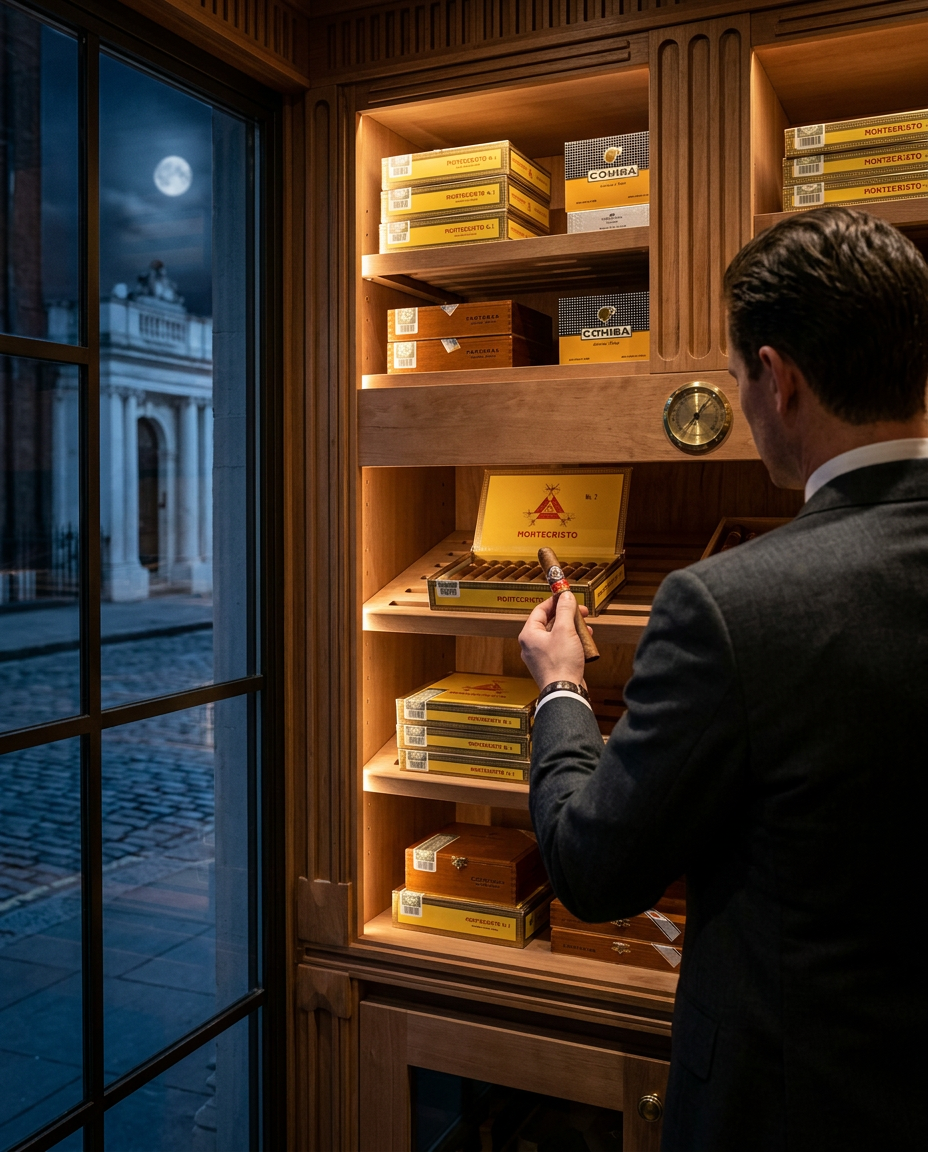
The hotel’s jewel-box Crystal Bar leads to its true sanctum for the cigar smoker: a magnificent walk-in humidor, its Spanish cedar shelves lined with a veritable library of the world’s finest puros. The air within is cool and fragrant, a complex perfume of aged tobacco, wood, and time. My eyes, however, were set on a single box, adorned with the crossed swords of the Montecristo marque. The selection of a No. 2 is less a choice than a confirmation, a return to a known quantity that still holds the capacity to surprise.
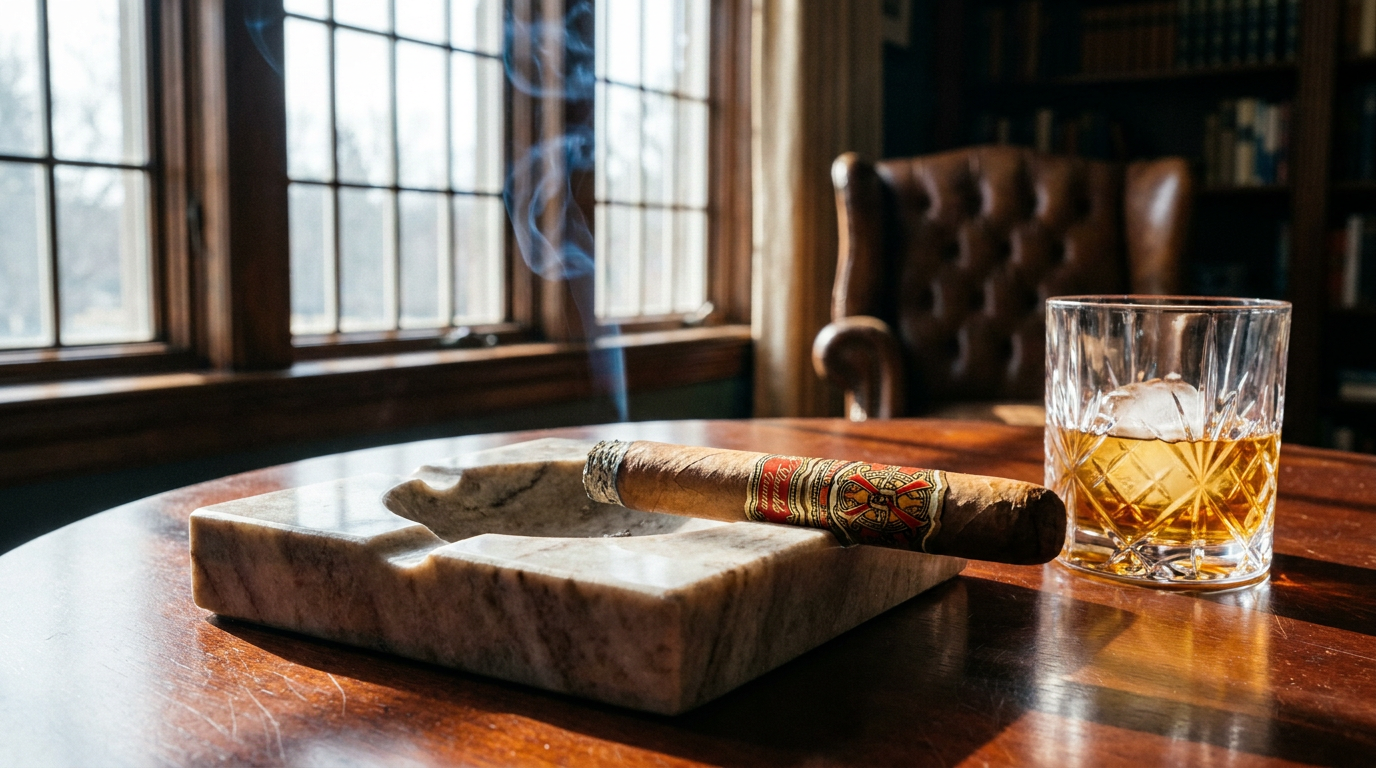
Back in the leather-lined comfort of the cigar terrace, the specimen for the evening felt perfect in the hand. The Colorado wrapper was oily and smooth, with a slight reddish tint and minimal veins. Its construction was firm, promising a good draw, and the pre-light aroma was a classic Vuelta Abajo medley of barnyard, cocoa, and a faint, earthy sweetness. Preparing the cigar is a ritual in itself. A clean cut with a sharp blade across the tapered head, just enough to allow a generous draw without unravelling the cap. The art is in anticipating the concentration of flavour that this unique shape provides.
The Opening Act
I chose a cedar spill for the lighting, a gentler alternative to the direct flame of a torch. Toasting the foot patiently, allowing the heat to coax the oils from the leaf, before the first draw. The initial puffs were a study in elegant restraint. A wave of toasted cedar, a signature of the Montecristo line, was immediately present, but it was accompanied by a subtle white pepper spice and a creamy texture that coated the palate. There was none of the brashness that can sometimes mar a young, powerful cigar.
This is the legacy of a brand born in 1935, named, as legend has it, for the Alexandre Dumas novel so beloved by the lectores who read to the factory workers. The No. 2 has been a cornerstone of the marque since its inception, a testament to a flavour profile that is both distinctive and profoundly consistent. In these first twenty minutes, the smoke was plentiful, the burn was even, and the experience was one of refined, familiar comfort. It is the cigar one recommends to a novice seeking to understand the appeal of Cuban tobacco, yet it is the same cigar the connoisseur returns to, time and again.
The Heart of the Matter
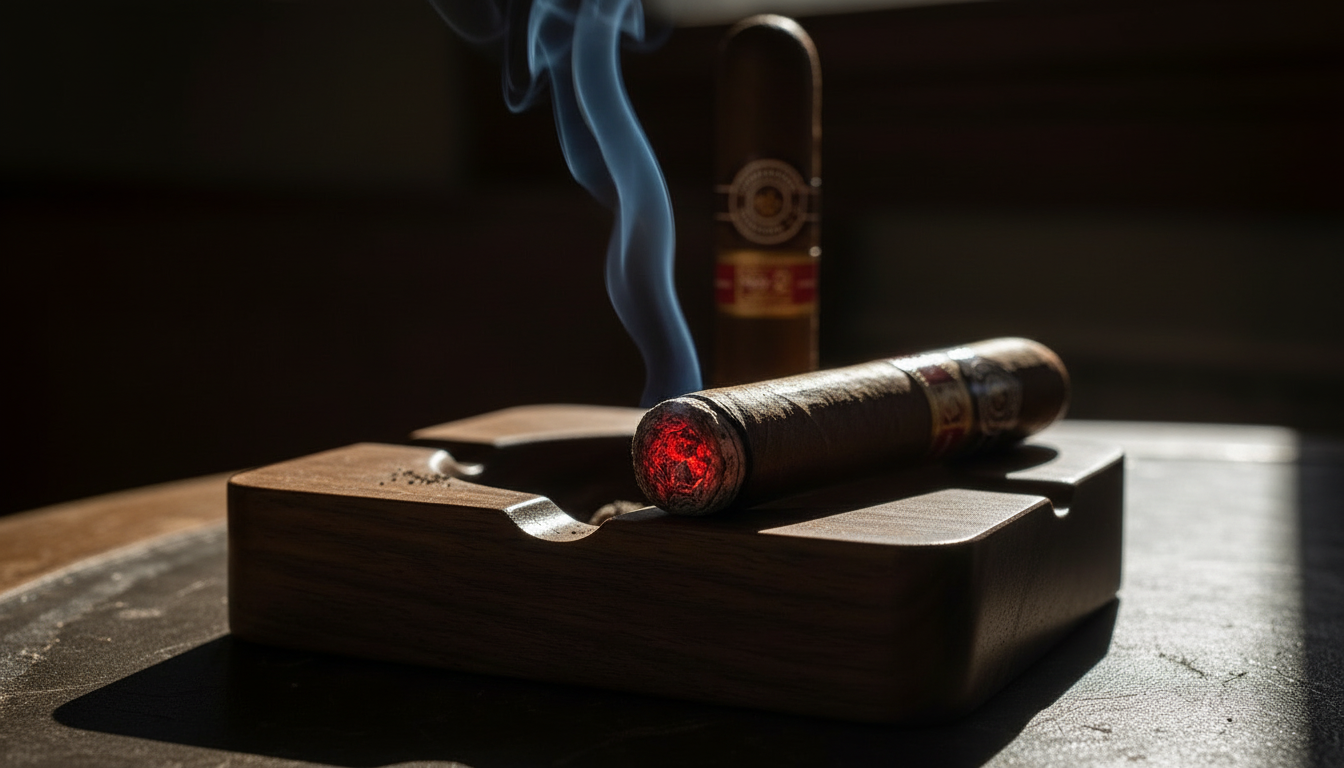
The Pirámide shape truly begins to assert its influence as the smoke progresses into its second third. The tapering of the body concentrates the smoke, focusing the flavours on the palate in a way a straight-sided Parejo cannot. The initial cedar and spice notes receded slightly, making way for a richer, more complex core. A distinct note of coffee emerged, not the sharp bitterness of espresso, but the rounded, nutty character of a medium roast. This was soon joined by a hint of dark cocoa and a developing leatheriness that gave the smoke a satisfying weight.
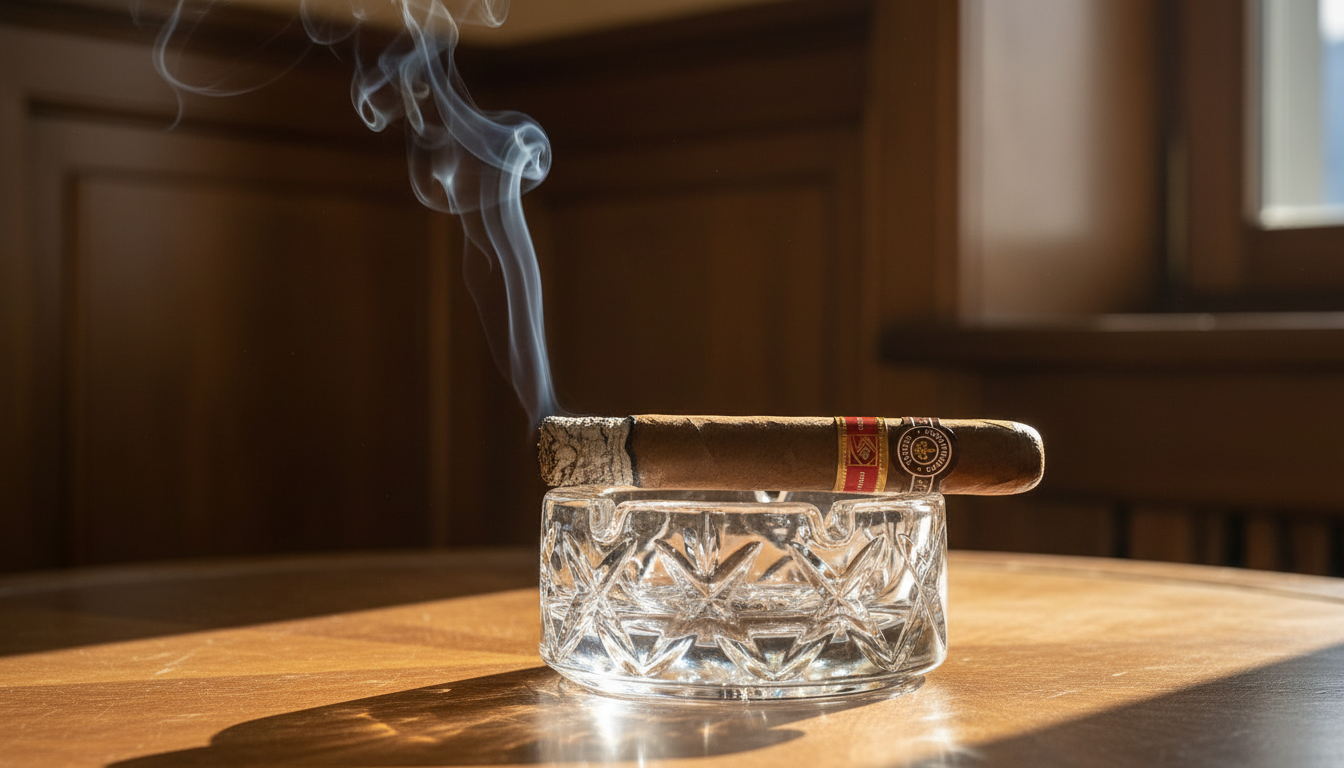
The construction, a point of pride for the torcedores who master this difficult vitola, was impeccable. The ash, a pale grey, held firm for well over an inch, a clear indicator of expertly aged, well-married tobaccos. It is this middle portion of the No. 2 that reveals its greatness. The flavours are not merely sequential; they are layered, weaving in and out, the sweetness of the cocoa playing against the savoury leather, the creamy texture holding it all together. It is a conversation, not a monologue.
A Resonant Finish
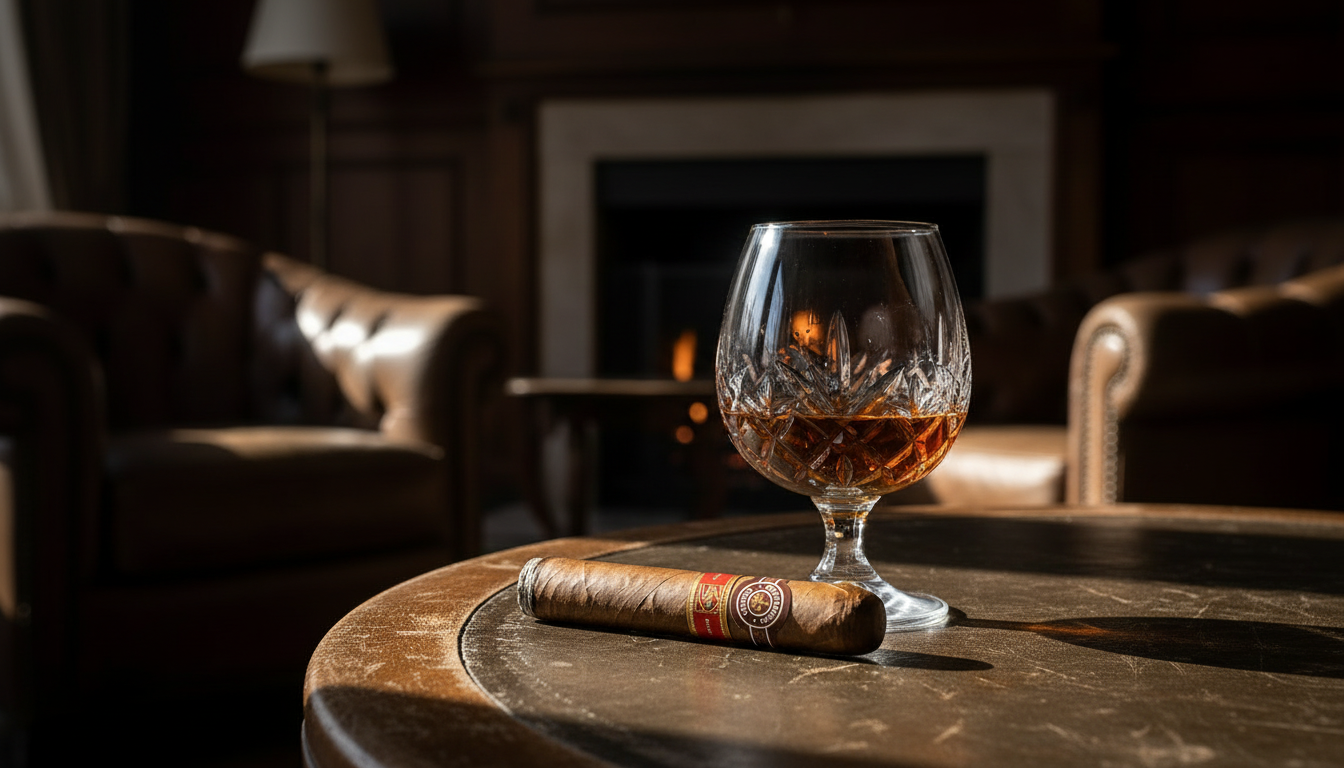
To accompany the final act, I had ordered a glass of Tesseron Lot N° 76 XO Tradition. The cognac’s notes of dried fruit and old oak provided a perfect counterpoint to the cigar’s intensifying profile. As the burn line passed the halfway mark, the strength of the No. 2 built from a steady medium to a more robust medium-full, yet it never became aggressive. The pepper returned, but it was now a deeper, black pepper spice, and the coffee notes transitioned into something closer to dark-roast espresso, with a touch of earth.
This is where the tapered head performs its final trick. Even as the smoke becomes richer and more intense, the shape prevents it from ever becoming hot or harsh. The final third was a slow, contemplative burn, each draw revealing another facet of its character. The leather note became more prominent, the sweetness subsided, and a final, earthy richness asserted itself. I smoked it down until my fingers were warm, a reluctant farewell to an old friend.
Leaving the lounge and stepping back into the London night, the lingering taste on the palate was one of profound satisfaction. The Montecristo No. 2 is not the rarest or the most expensive cigar to hail from Cuba, but it may well be the most essential. It is a masterclass in the art of blending and the functional beauty of form, a cigar that has earned its place not through marketing or hype, but through decades of unwavering, unimpeachable quality. It is, and remains, the definitive Pirámide.