El Celler de Can Roca: A Catalan Triptych
In Girona, the three Roca brothers—Joan, Josep, and Jordi—preside over a restaurant that is more than a temple of gastronomy. It is a living dialogue between memory, landscape, and the avant-garde, a lesson in how the future of food is found by looking back.
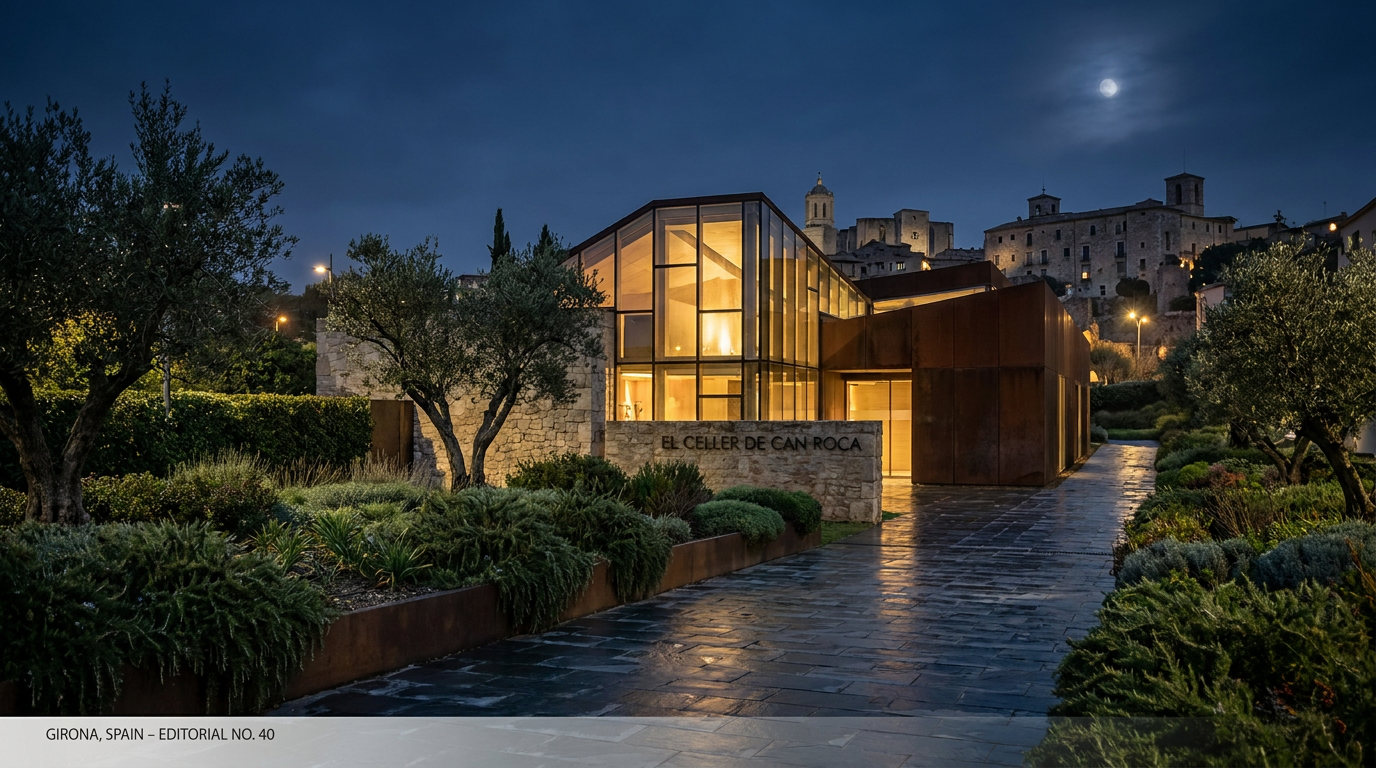
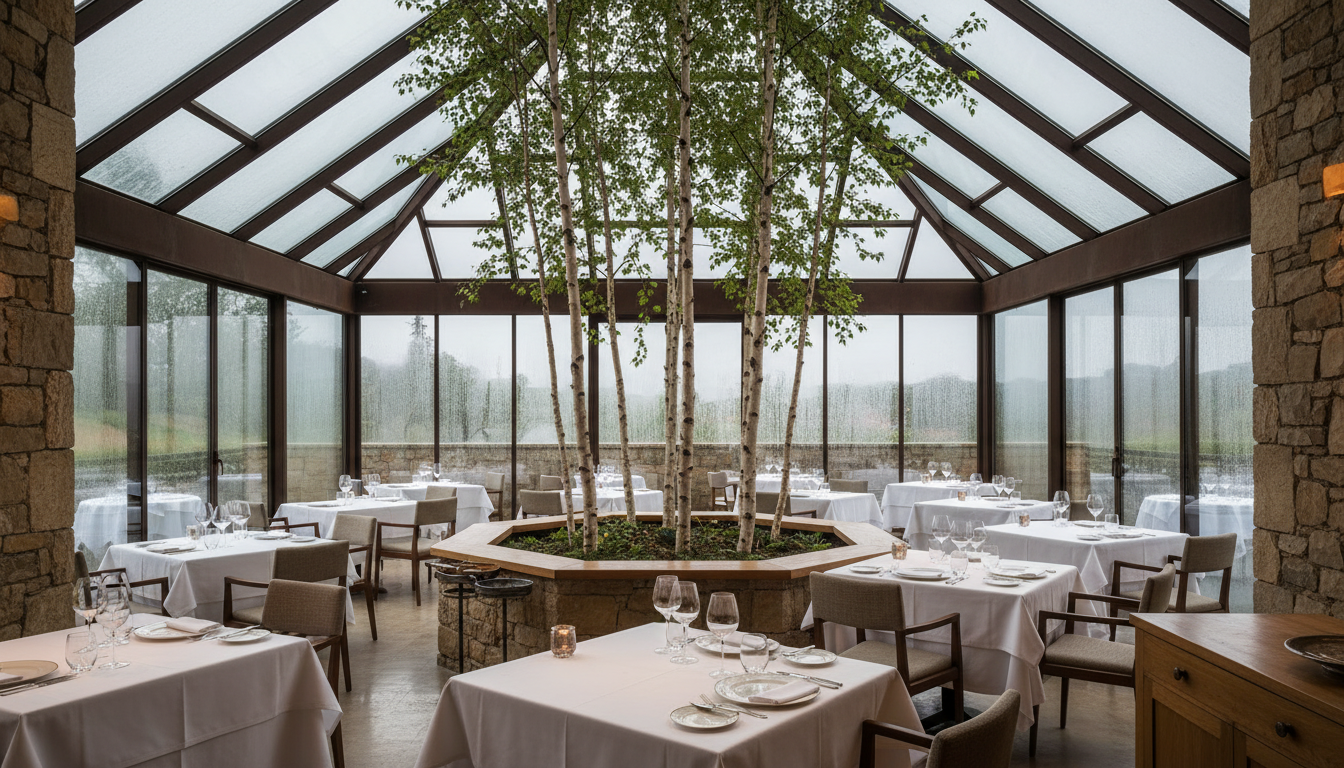
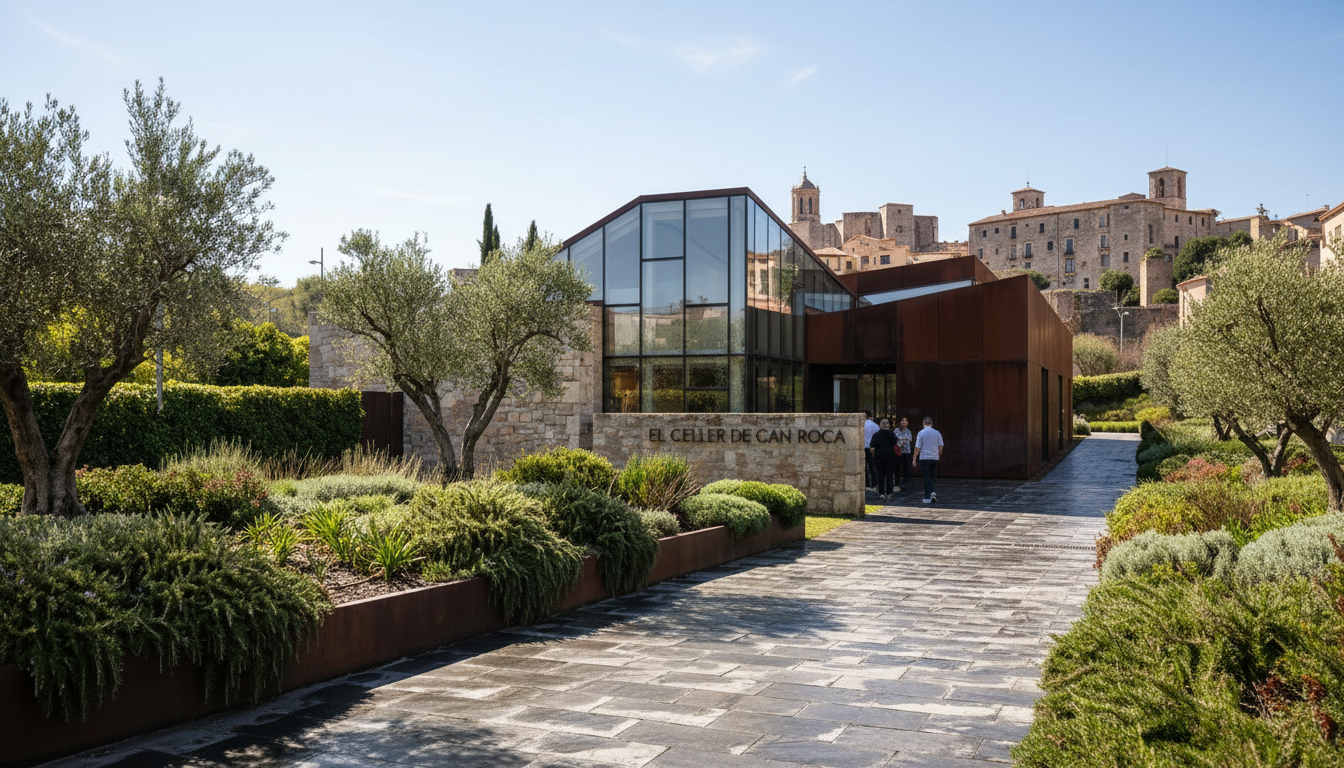
To arrive at El Celler de Can Roca on a mild evening in late May is to experience a curious sense of calm. The restaurant sits in a quiet, residential corner of Girona, its entrance unassuming, marked by a simple, clean geometry that speaks more of a contemporary gallery than a three-star culinary titan. There is no grand facade, no ceremony. One simply steps from a suburban street into another world, a tranquil, glass-walled dining room built around a small, contemplative forest of birch trees. The effect is immediate: the shoulders drop, the breath slows. The performance has begun, but its opening notes are of silence and light.
This central atrium, a triangle of nature brought indoors, is the anchor around which everything revolves. It is the physical and philosophical heart of the house, a constant reminder of the Catalan landscape that informs every plate. The restaurant is famously the work of three brothers, a triptych of talent. Joan, the chef; Josep, the sommelier; Jordi, the patissier. My visit last month was not my first, but the seamlessness of their shared vision felt more potent than ever. It is a dialogue expressed in three distinct, yet perfectly harmonised, voices.
The Savoury: A Study in Memory
Joan Roca’s cooking is an act of deep consideration. It is technically avant-garde, yet its soul is rooted in the memory of flavour. The meal begins with a journey, a small globe that opens to reveal five snacks, each a tiny, explosive homage to a place the brothers have travelled. A taste of Korea, a bite of Peru. But soon, the menu returns home to Catalonia. A dish titled ‘Green Colourology’ arrived as a study in the colour itself—a composition of green almonds, avocado, green shiso, and a distillation of fresh herbs. It was not merely an assemblage of ingredients, but a meditation on a single idea, a flavour captured in its purest form.
Later, a plate of langoustine, impossibly sweet, was served with cocoa-butter-fried langoustine legs and a velouté of their heads. The presentation was art, but the taste was primal, an intense expression of the sea. Throughout the savoury courses, the service moved with a silent, balletic precision. There is a quiet confidence here, an absence of the frantic energy that can pervade kitchens of this calibre. The focus remains on the table, on the conversation, on the food itself. It is a room designed for savouring.
The Liquid: A Cellar of Stories
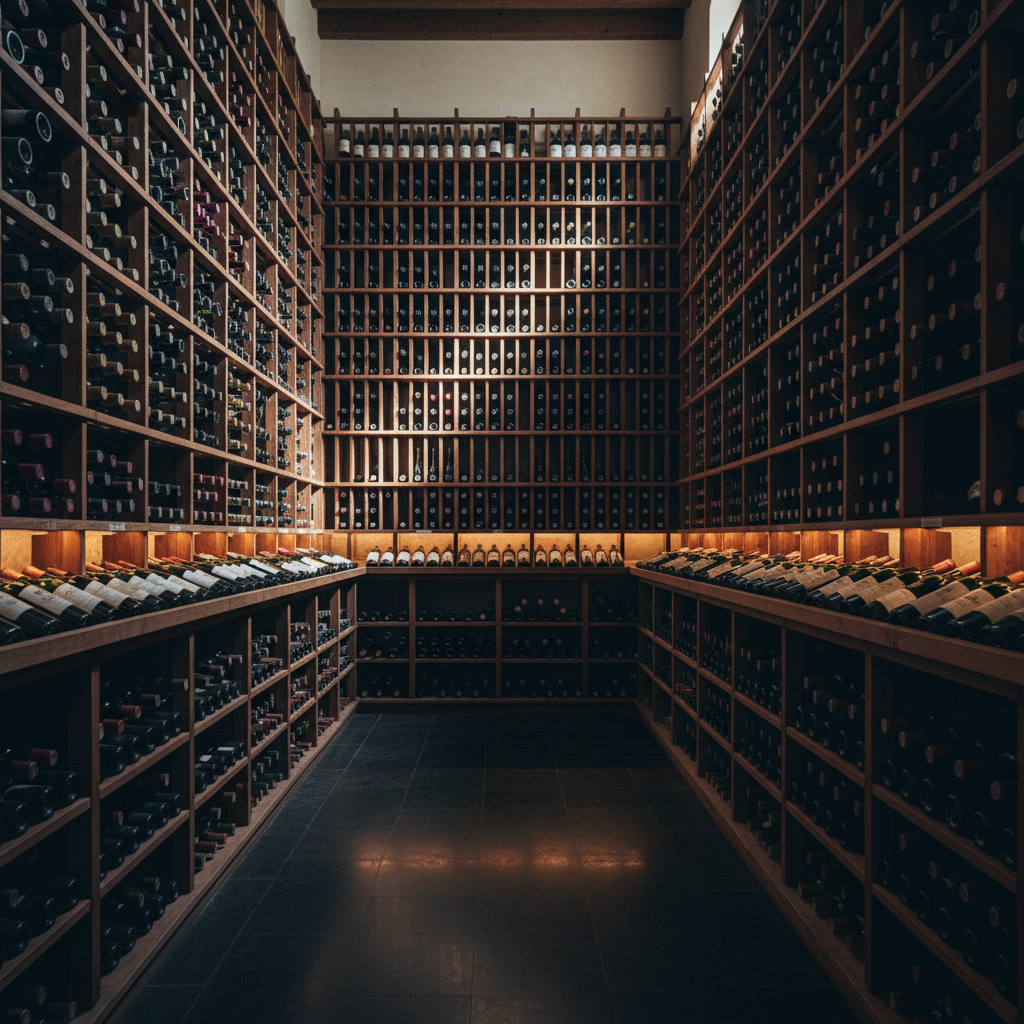
When Josep Roca approaches the table, it is not merely to pour wine. It is to continue the narrative. As the sommelier and maître d’, he is the bridge between the kitchen and the cellar, the storyteller who illuminates the work of his brothers. His domain, the cellar, is a staggering library of some 60,000 bottles, a space treated with an almost spiritual reverence. The pairings for my meal were a lesson in his art, moving beyond simple complement and into the realm of intellectual and emotional resonance.
With a dish of charcoal-grilled lamb, he poured not a powerful Spanish red, but a delicate, older Burgundy. The choice was inspired, a whisper alongside the smoke and richness of the meat, a conversation between two landscapes. He speaks of wines as if they are old friends, recounting their history, their character, their purpose. He might bring three glasses for a single course, each offering a different perspective, a different path for the palate to follow. This is not wine service; it is a curated journey through liquid history, guided by one of its most passionate custodians.
The Sweet: An Architecture of Whimsy
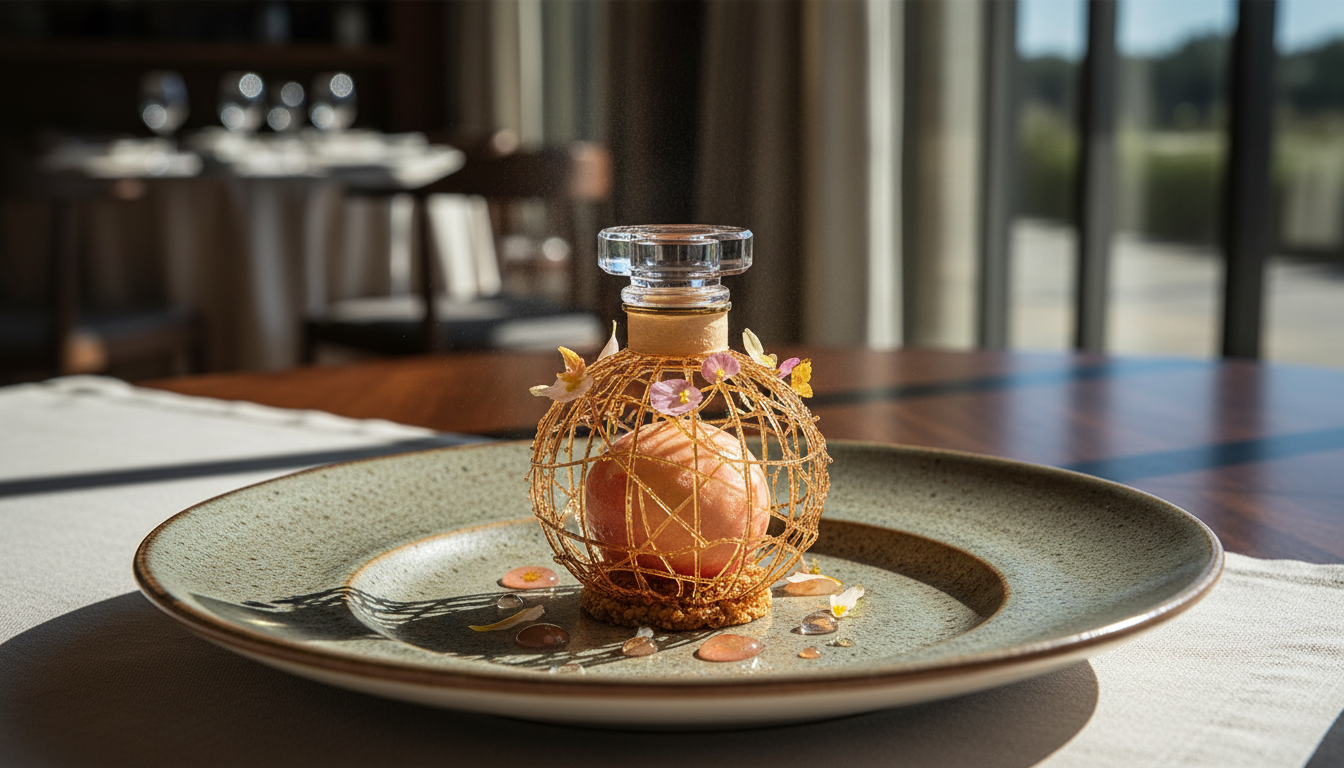
And then comes the domain of Jordi, the youngest brother, the alchemist of the sweet. If Joan’s work is memory and Josep’s is story, Jordi’s is pure, unadulterated joy. His desserts are legendary for their wit and invention, often drawing inspiration from famous perfumes or abstract concepts. My meal concluded with a creation called ‘Orange Colourology,’ a sphere of caramelised orange that, when cracked, released a cloud of orange-blossom-scented vapour and revealed a sorbet of breathtaking intensity.
It was playful, surprising, and technically brilliant—a piece of edible theatre that brought a smile to the face. It served as the perfect final act, a reminder that for all the seriousness of its craft, this is an experience meant to delight. It is the culmination of the triptych: the grounded classicism of the main courses, the narrative depth of the wine, and the final, soaring note of imaginative fantasy.
The Sum of the Parts
Leaving El Celler de Can Roca, stepping back out into the quiet Girona night, the feeling is one of profound coherence. One has not simply had a meal. One has been immersed in a family’s life’s work, a complete and unified world of taste, scent, and texture. The three brothers have created more than a restaurant; they have built an institution that redefines what a restaurant can be. It is a place of relentless innovation that never loses sight of its past, a temple to the senses that remains, at its heart, a home. It stands as a quiet, confident testament to the power of family and the enduring soul of the Catalan earth.