The Beau-Rivage Palace: A Study in Lakeside Grace
On the shore of Lac Léman, Lausanne’s grand dame continues to define Swiss hospitality, balancing its Belle Époque soul with a quietly contemporary spirit. It remains a bastion of civilized retreat.
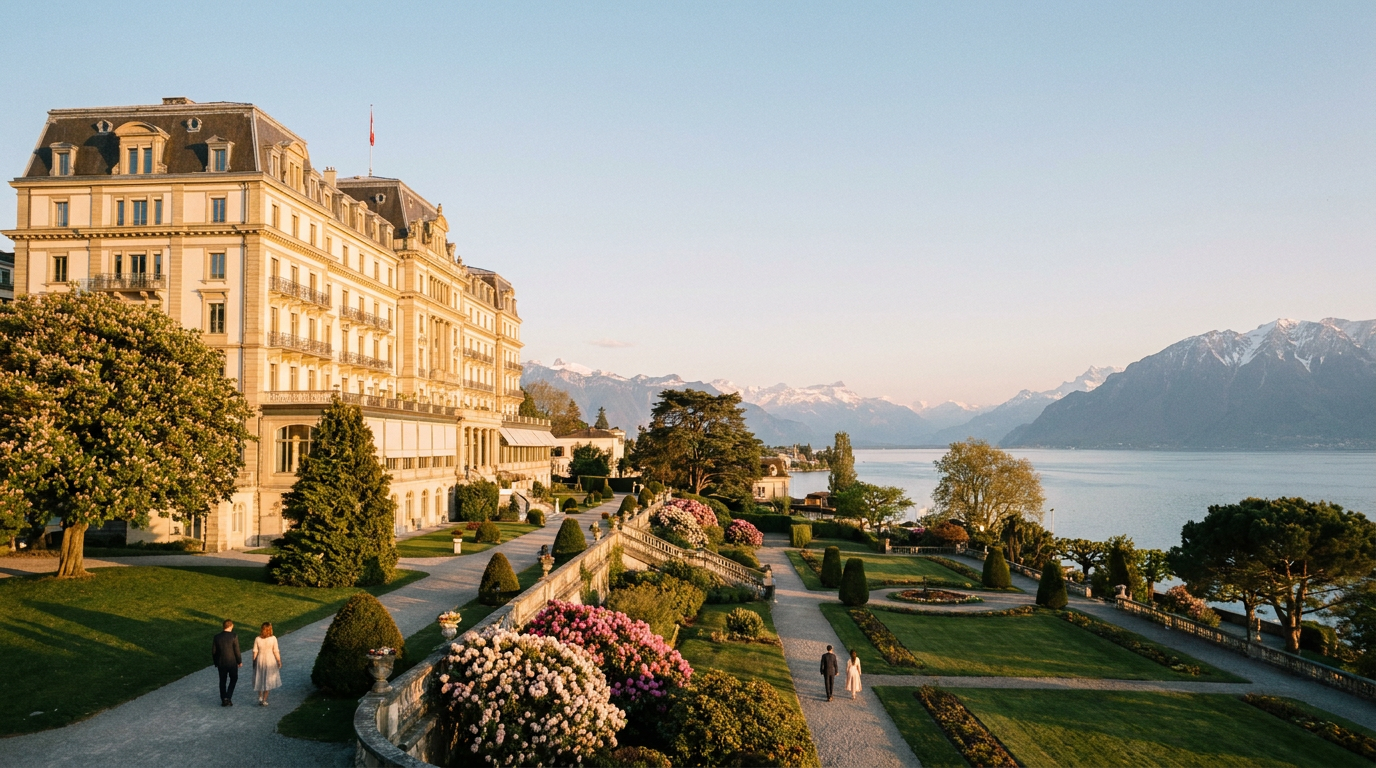
To arrive at the Beau-Rivage Palace is to complete a journey not just through space, but through layers of civic life. One descends from the bustle of Lausanne’s station, leaving the city’s commercial hum behind, dropping down through the inclines of Ouchy until the expanse of Lac Léman—Lake Geneva, to the anglophone world—opens before you. The hotel does not loom; it presides. Its twin neo-baroque buildings, linked by the glittering Art Nouveau rotunda of the Sandoz Ballroom, sit amidst four hectares of private garden, a world unto itself, facing the water and the distant French Alps. Arriving just last month, as the late spring sun cast long shadows across the lawns, the sense was less of checking in and more of taking up a temporary, tranquil residence.
A Legacy on the Lake
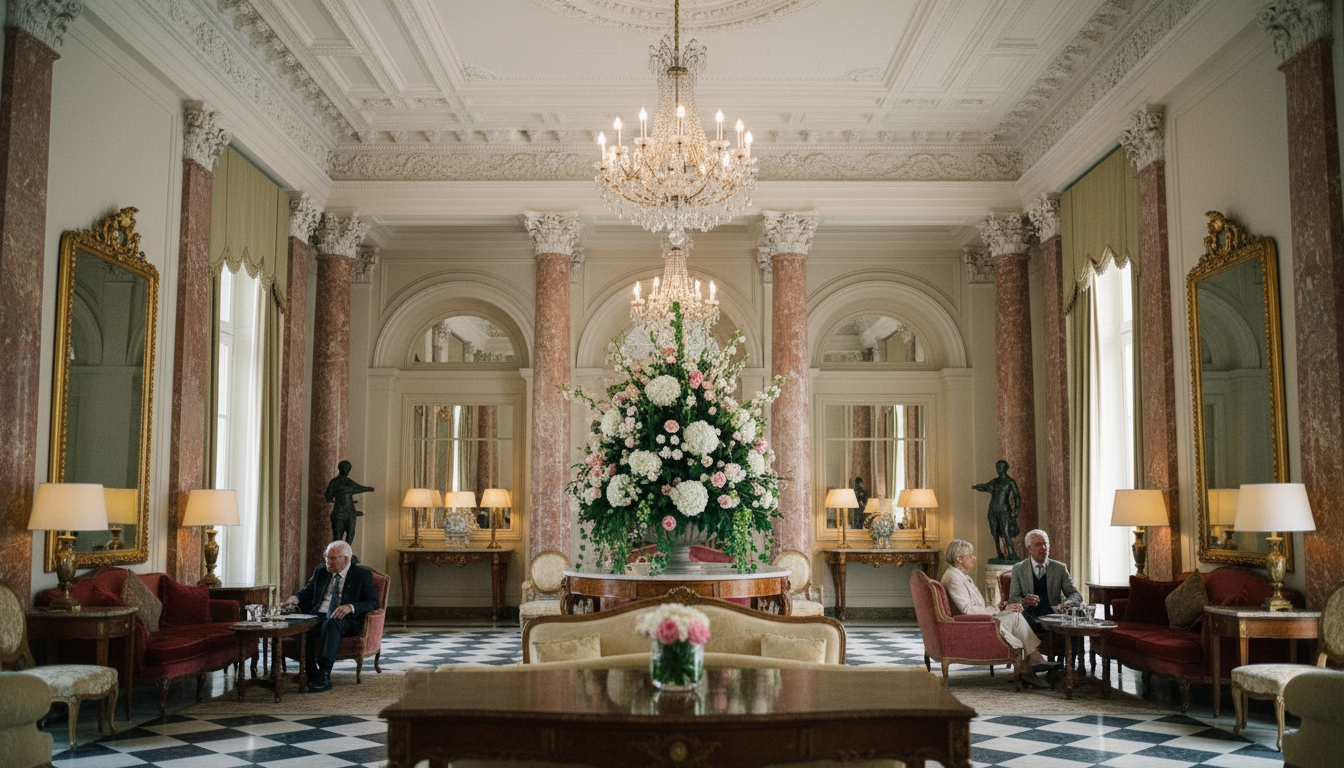
There is a palpable weight of history here, but it rests lightly. Since its opening in 1861, the Beau-Rivage has been a silent witness and an active participant in world affairs. The Treaty of Lausanne, which redrew the map of the modern Middle East, was signed within its walls in 1923. Coco Chanel, Charlie Chaplin, and Nelson Mandela have all sought refuge here. Yet the grandeur of the main hall, with its soaring ceilings, marble columns, and magnificent floral arrangements, never feels intimidating. The welcome is discreet, personal. The air is still, scented with the faintest hint of wax and roses. It is the quiet confidence of an institution that has nothing to prove. One feels the ghosts of diplomats and duchesses past, not as a haunting, but as a reassuring presence, a testament to the enduring standards of the house.
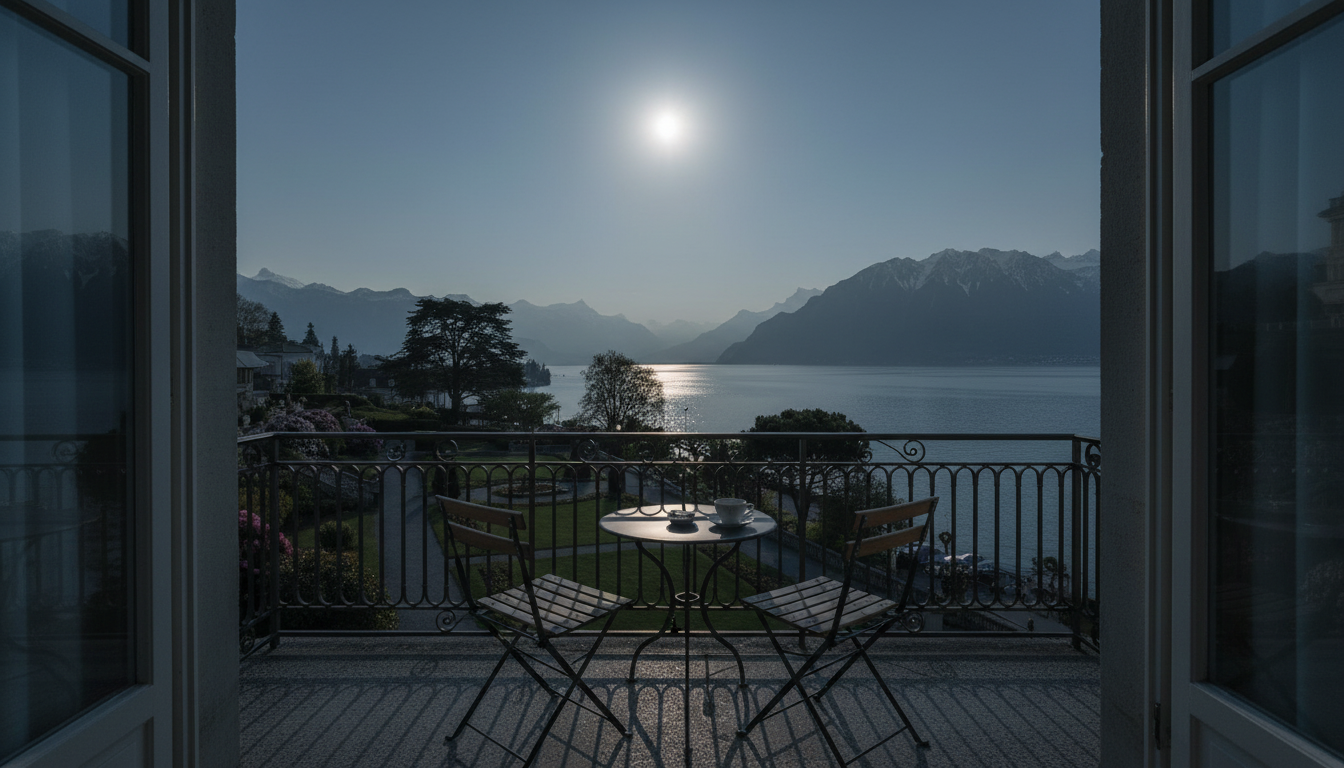
My rooms were in the Palace wing, which dates to 1908 and offers the more commanding views. To step onto the balcony in the morning is the hotel’s defining experience. The lake is a vast, shimmering sheet of silver-blue, its surface ruffled by the gentle breeze. Across the water, the Savoy Alps, with Evian-les-Bains nestled at their feet, provide a constant, monumental backdrop. The light is unique to this place, a soft, filtered luminescence that has drawn painters for centuries. The suite itself was an exercise in restraint—classic forms updated with contemporary fabrics, a colour palette of muted creams and blues that defers to the view, and a bathroom of flawless marble. It is a space designed for contemplation, for watching the paddle steamers ply their routes and the sailboats race across the water, for simply being still.
The Garden as Sanctuary
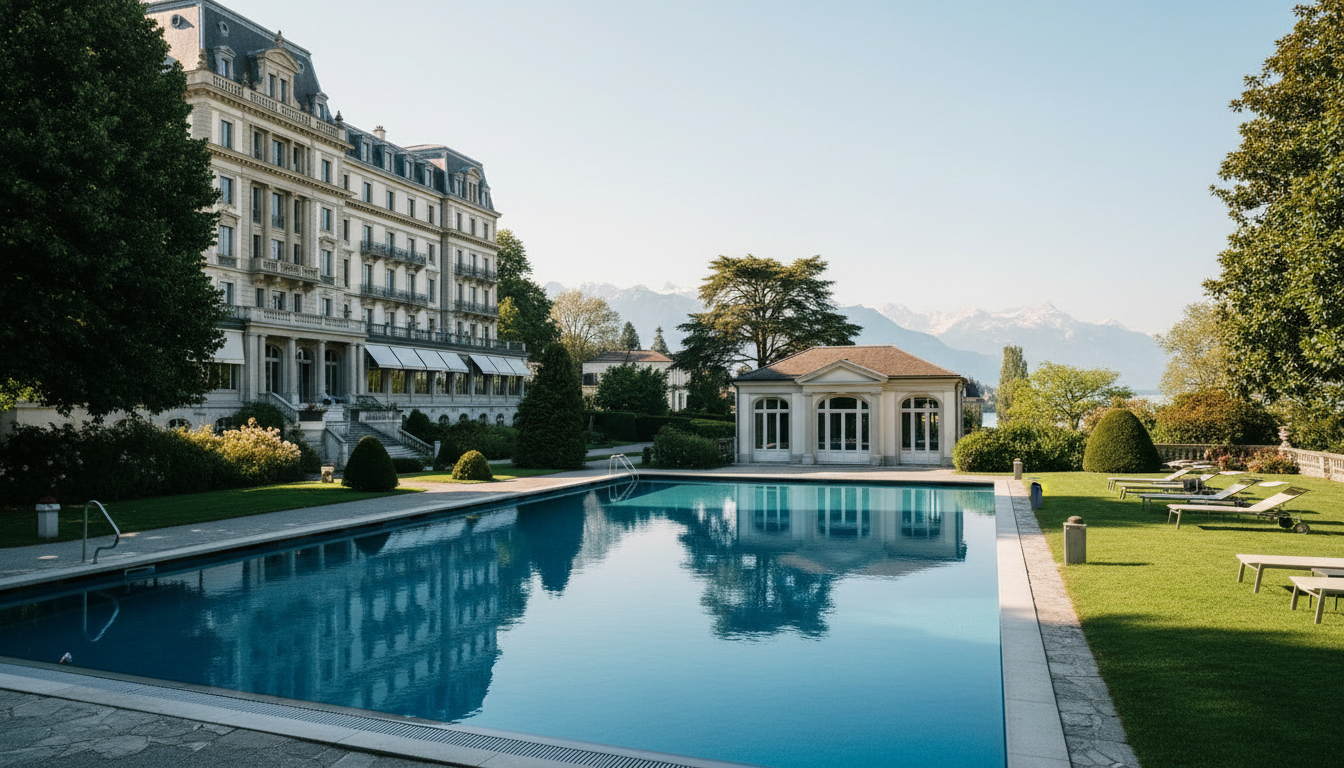
The grounds are as much a part of the experience as the building. A walk amongst the ancient cedars, the manicured rose beds, and the winding paths leading down to the lakeside promenade is a necessary ritual. The transition from the formal structure of the hotel to the relative wilderness of the shoreline is seamless. Earlier this month, the gardens were in full, riotous bloom, a fragrant counterpoint to the cool classicism of the architecture. The outdoor pool, heated to a perfect 28 degrees, is set within this green oasis, shielded from the outside world. To spend an afternoon here is to understand the hotel’s appeal as a resort. It is a place that encourages a slowing of pace, where the most pressing decision is whether to swim, to read, or to simply watch the light change over the lake.
A Taste of Place
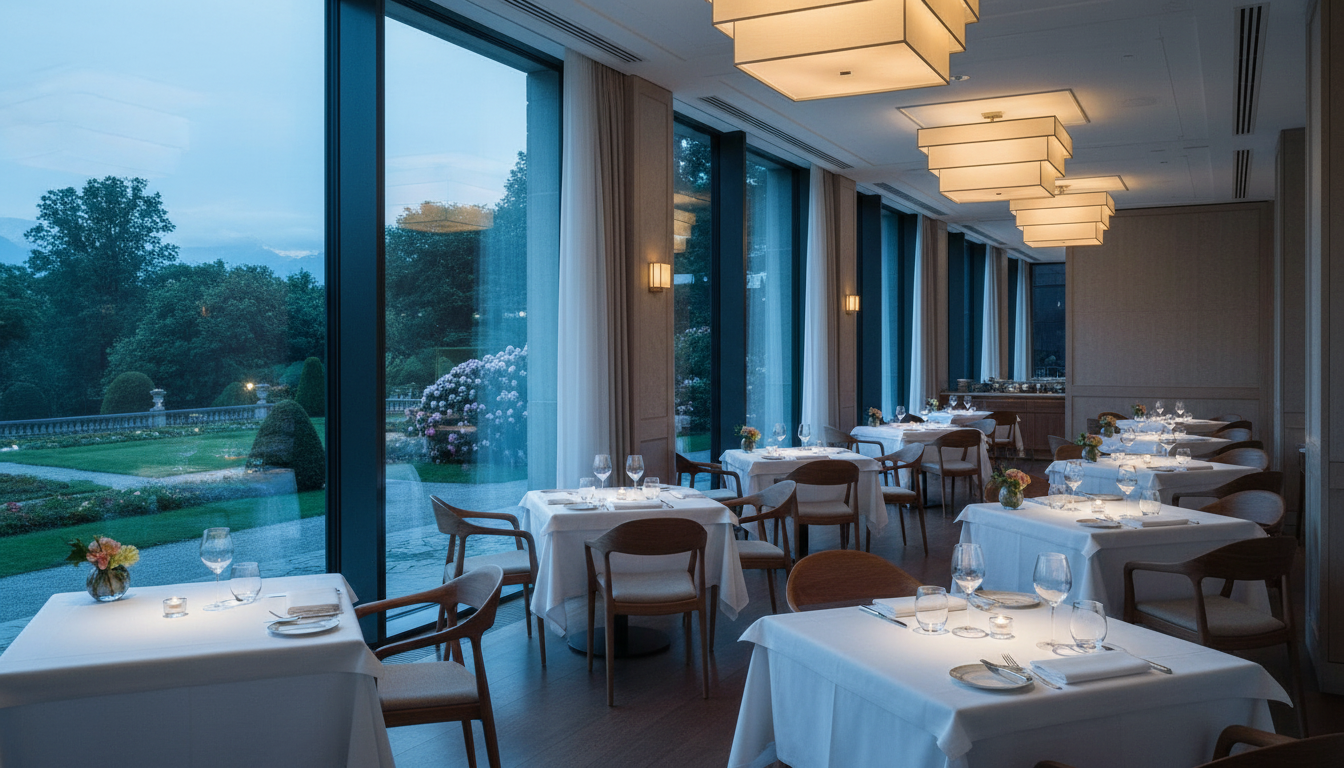
To have Anne-Sophie Pic—one of France’s most decorated chefs—oversee your flagship restaurant is a statement of intent. Her two-Michelin-starred establishment here is not a mere outpost, but a destination in its own right. The dining room is modern and serene, with views out onto the gardens and lake. The service is a ballet of quiet efficiency. The meal I enjoyed a fortnight ago was a testament to Pic’s genius for marrying unexpected flavours with profound respect for the ingredient. Her signature berlingots, delicate pasta parcels filled with a flowing Gruyère and Vacherin cheese core, were infused with a broth lightly scented with ginger and bergamot. A dish of lake-caught perch was cooked with a precision that elevated the humble fish to something sublime. It is cooking that is both intellectually stimulating and deeply satisfying, a perfect culinary reflection of the hotel itself.
Later, sitting at the handsome mahogany bar, one can reflect on what makes the Beau-Rivage Palace endure. It is more than the sum of its luxurious parts—the view, the spa, the history, the cuisine. It is a question of atmosphere. In an age of fleeting trends and manufactured experiences, it offers a connection to something more permanent: a belief in the enduring value of elegance, tranquility, and impeccable service. As the lights of Lausanne twinkled on the hill behind and the last of the daylight faded from the Alpine peaks, the feeling was one of profound, civilized calm. It is a standard, not just for hotels, but for a way of living.