The Air-Cooled Apex: Singer's Dynamics and Lightweighting Study
In the pursuit of the ultimate air-cooled Porsche 911, one California firm collaborated with legends of motorsport to create not a restoration, but a technical and philosophical masterpiece.
'''## The Obsession, Distilled
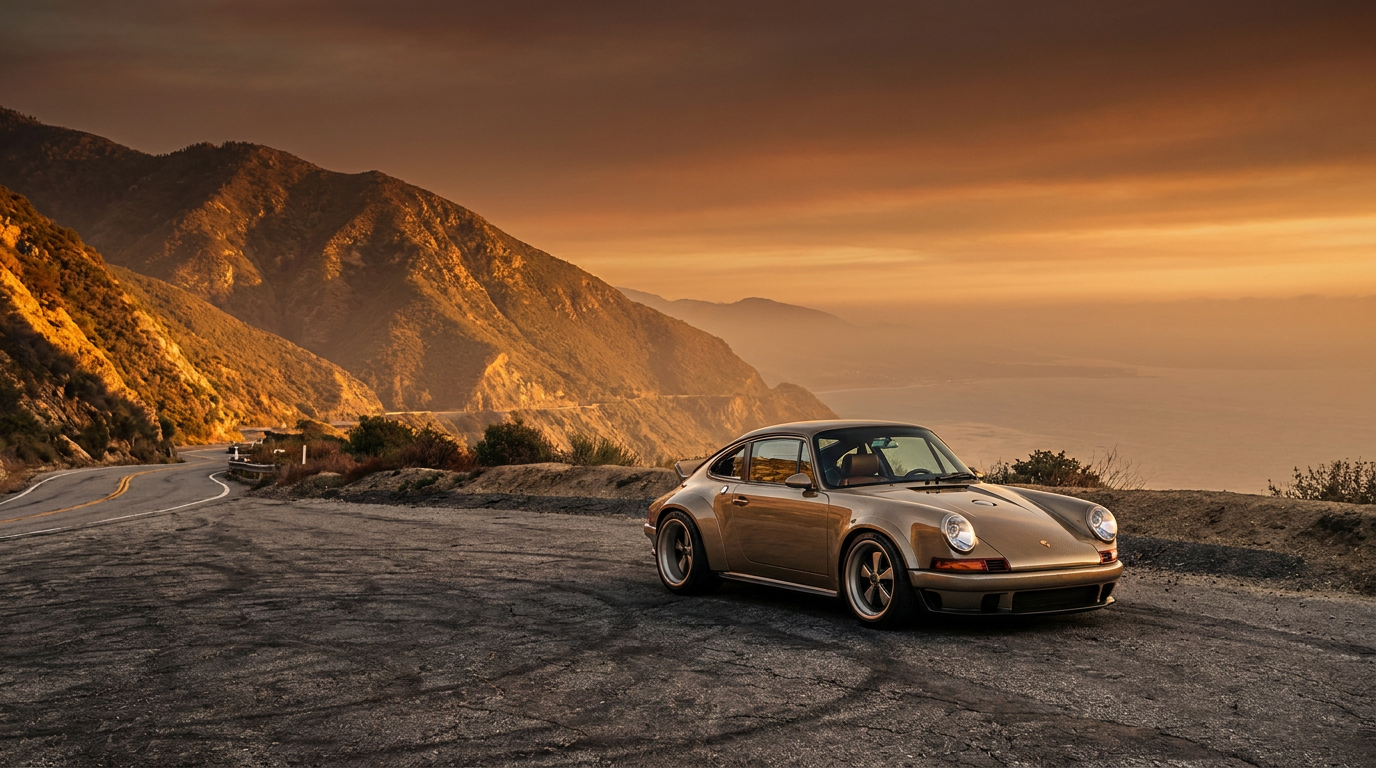
The world is not short of customized Porsche 911s. For decades, tuners and bespoke builders have taken Stuttgart's icon as a canvas, applying everything from subtle tweaks to bombastic revisions. Yet, the work of Singer Vehicle Design has always occupied a different plane of existence. It is not about restoration in the traditional sense, nor is it about mere modification. It is, in their own parlance, a "reimagining." This philosophy reached its zenith with the Dynamics and Lightweighting Study, or DLS—a project born from a client's request to explore the absolute limits of the air-cooled 964-generation chassis, with cost as a secondary concern to engineering purity.
What followed was not simply a workshop project, but a collaboration of formidable scale. To push the boundaries of engine and aerodynamic development, Singer engaged Williams Advanced Engineering, the very same entity born from the crucible of Formula One. This partnership signaled an intent far beyond the cosmetic, aiming to create a vehicle that honored its heritage while performing with a ferocity and precision that would challenge contemporary machinery. The DLS was to be the ultimate response to a single, intoxicating question: what if?
The Heart of the Matter
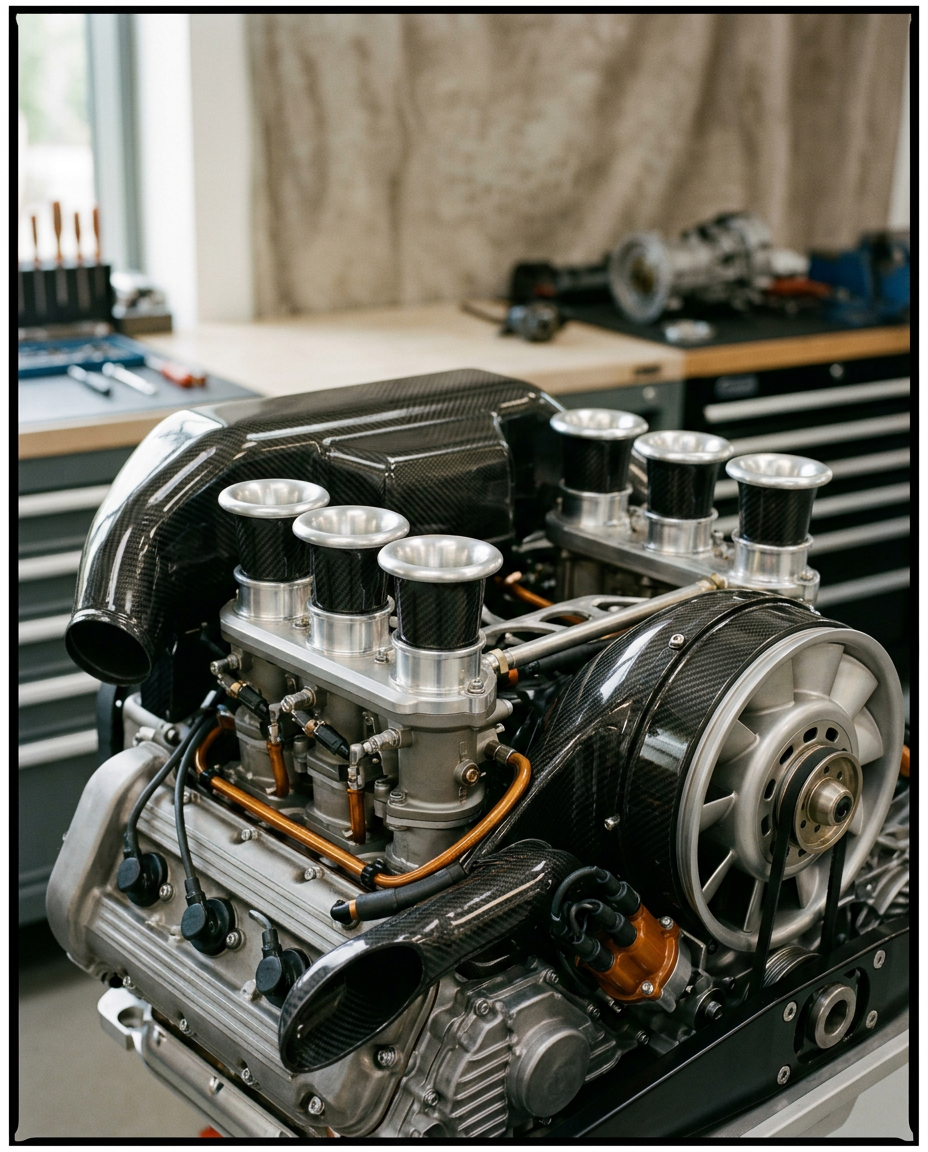
At the core of the DLS is an engine that can only be described as a mechanical masterwork. Entrusting the challenge to Williams, and with technical input from legendary Porsche engineer Hans Mezger himself, the result is a 4.0-liter, naturally aspirated, air-cooled flat-six that is as much a sculpture as it is a power plant. With four valves per cylinder, four camshafts, and a construction rich in magnesium and lightweight materials, it is an engine that breathes differently. The sonorous, iconic air-cooled rasp is present, but it builds to a crescendo that is sharper, more urgent—a full-throated cry on its way to a staggering 9,000 rpm redline.
Producing 500 horsepower, the engine is a testament to what can be achieved when modern engineering science is applied to a classic format. The intake, a stunning carbon fiber plenum with ram-air induction inlets integrated into the rear quarter windows, is designed for acoustic and performance perfection. Every component, from the bespoke throttle bodies to the Inconel and titanium exhaust system, is optimized without compromise. It is the soul of the machine, rendered with an intensity that borders on the fanatical.
A Study in Lightness
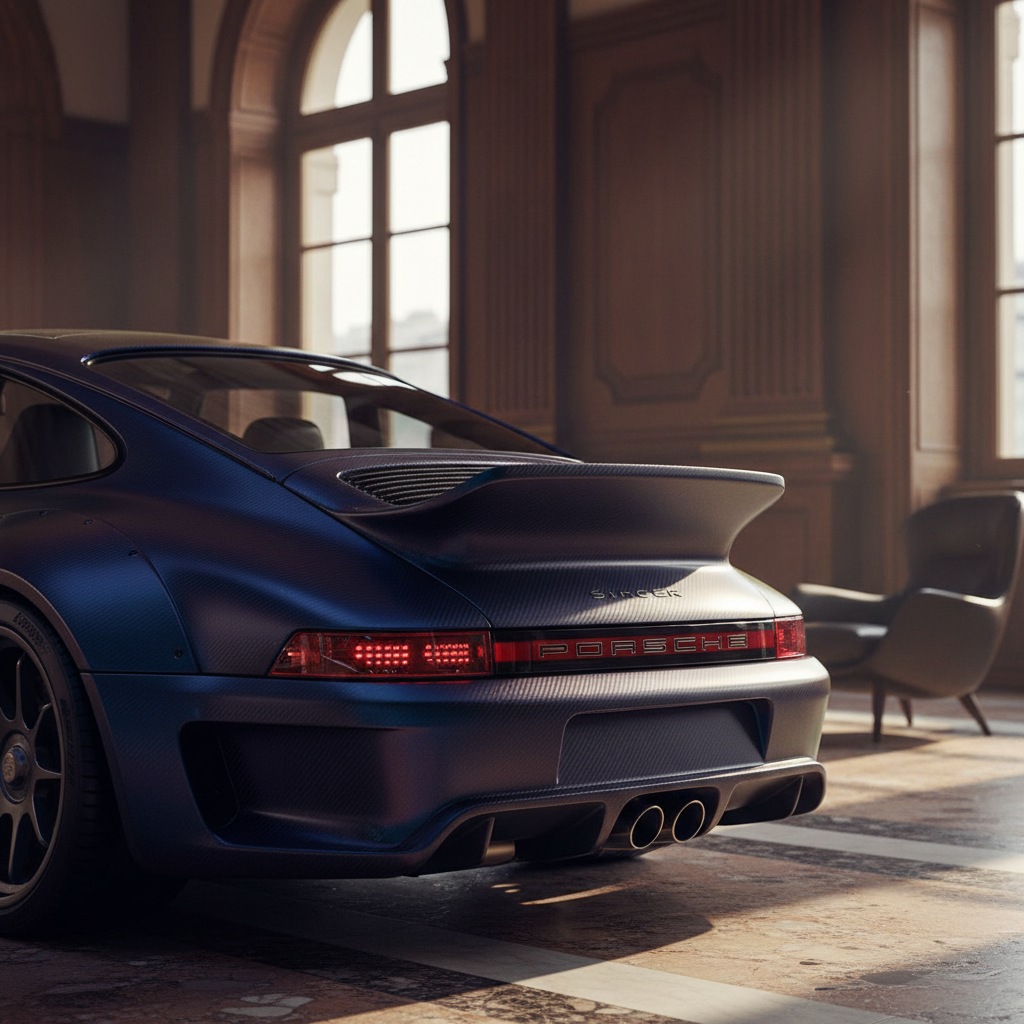
The second pillar of the DLS mandate is "Lightweighting," a pursuit undertaken with the same obsessive focus as the engine's development. The gracefully muscular bodywork, which appears as an idealized form of the 964, is rendered entirely in pre-preg carbon fiber. Each panel was subject to computational fluid dynamics (CFD) analysis by Williams, refining the aerodynamics in a way the original designers could only have dreamed of. The iconic ducktail spoiler is not merely a stylistic flourish but a functional element, optimized in concert with the front splitter and roof channel to generate genuine downforce, a rarity in a classic 911 silhouette.
This dedication to mass reduction extends to every corner of the vehicle. The 18-inch magnesium monobloc wheels, styled after the classic Fuchs design, are forged by BBS. The braking system features Brembo's top-tier carbon-ceramic discs and monobloc calipers. The transmission is a bespoke six-speed manual from Hewland, with a magnesium casing and exposed linkage, turning every gear change into a tactile event. The result of this exhaustive process is a curb weight of just 990 kilograms, creating a power-to-weight ratio that ensures the car's dynamics are nothing short of electrifying.
The Bespoke Cockpit
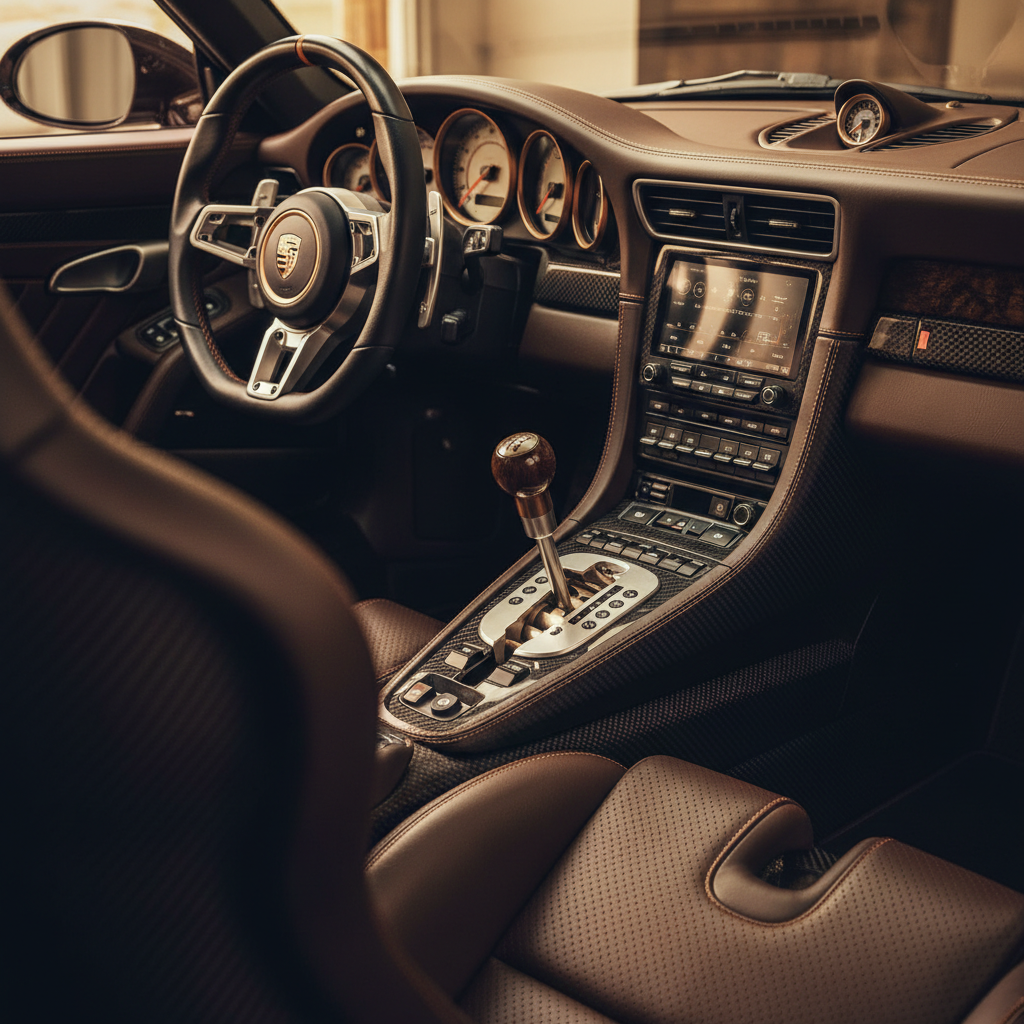
The interior of the DLS is a space of profound purpose and exquisite detail. It eschews superfluous luxury in favor of a driver-focused environment where every element is both beautiful and functional. The eye is immediately drawn to the bespoke carbon-fiber track seats from Recaro, trimmed in a rich, contrasting leather. The dashboard is a minimalist interpretation of the 911's classic five-dial layout, but the central tachometer—rendered by Singer in their signature style—is the star. Its face, reading to 11,000 rpm, is a clear statement of intent.
There is no sound deadening to speak of, no infotainment screen to distract. Instead, one finds the raw beauty of the exposed gear linkage, the satisfyingly mechanical feel of the bespoke switchgear, and a Momo carbon-fiber steering wheel designed specifically for the DLS. Every surface, from the drilled carbon and titanium pedals to the leather-wrapped roll cage, is an exercise in material honesty. It is a cabin built not for commuting, but for the singular, immersive act of driving.
The Sum of its Parts
Ultimately, a car is more than its specifications. The true achievement of the Dynamics and Lightweighting Study is the cohesive, transcendent driving experience it delivers. With chassis dynamics honed by racing driver Marino Franchitti and automotive journalist Chris Harris, the DLS is a machine of extraordinary poise and feedback. The bespoke suspension, featuring remote-adjusted dampers, provides a connection to the road that is both intimate and confidence-inspiring. It is a car that communicates every nuance of the surface below, yet remains composed and exploitable.
This is not a restomod; that term feels wholly inadequate. It is a re-engineering on a fundamental level, a rolling thesis on the art of the automobile. By assembling a team of the industry's finest minds and pursuing a singular vision without compromise, Singer created more than just the ultimate air-cooled 911. They created a new benchmark, a machine that distills the passion, history, and mechanical soul of motoring into one breathtaking, unforgettable whole.
'''