Frantzén: A Stockholm Study in Intimate Immersion
In a quiet corner of Stockholm, a multi-storey townhouse offers a lesson not just in New Nordic cuisine, but in the art of choreographed hospitality. It is a vertical journey that redefines the very notion of a restaurant.
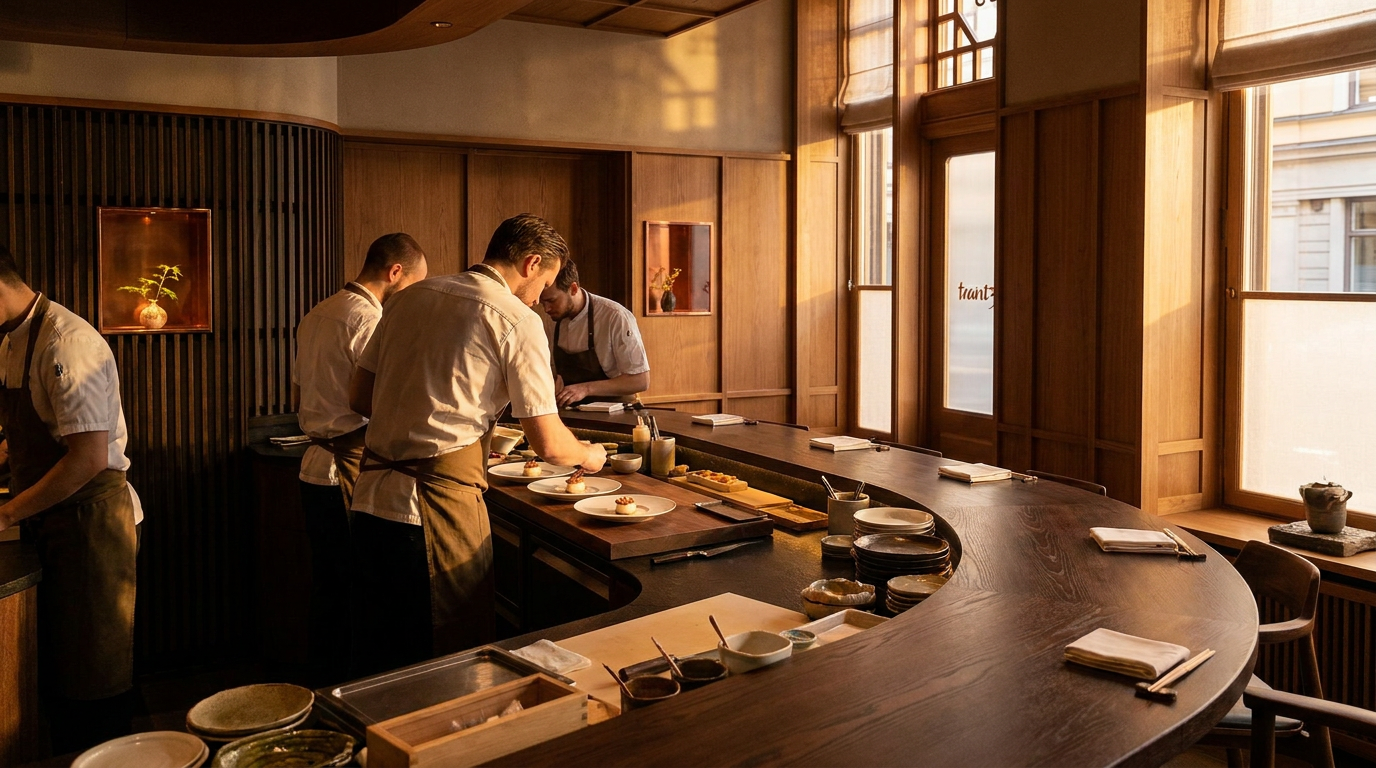
There is a certain type of theatre to dining at this level, a truth universally acknowledged. What is less common is for the restaurant itself to become the stage, the proscenium arch, and the intimate dressing room all at once. Such is the case at Frantzén, the three-starred Stockholm establishment housed within a meticulously refurbished 19th-century townhouse in the Norrmalm district. Arriving on a crisp evening just last month, the city still holding the last of the late summer light, the experience began not at a table, but with the ascent in a small, dimly lit lift.
This is dining as a narrative journey, a concept that chef Björn Frantzén has refined to an art form. The evening commences on the top floor, a beautifully appointed lounge where champagne is served alongside an intricate procession of canapés. It feels less like a restaurant and more like being welcomed into the private residence of a particularly discerning friend. The city unfolds below through the wide windows, a quiet panorama of rooftops and distant spires. Here, the menu’s key ingredients are presented in their raw, almost sculptural form—a preview of the acts to come. A magnificent scallop, a king crab leg, a plump quail. It is a moment of quiet contemplation, a study of provenance before the alchemy of the kitchen begins.
The Counter as Stage
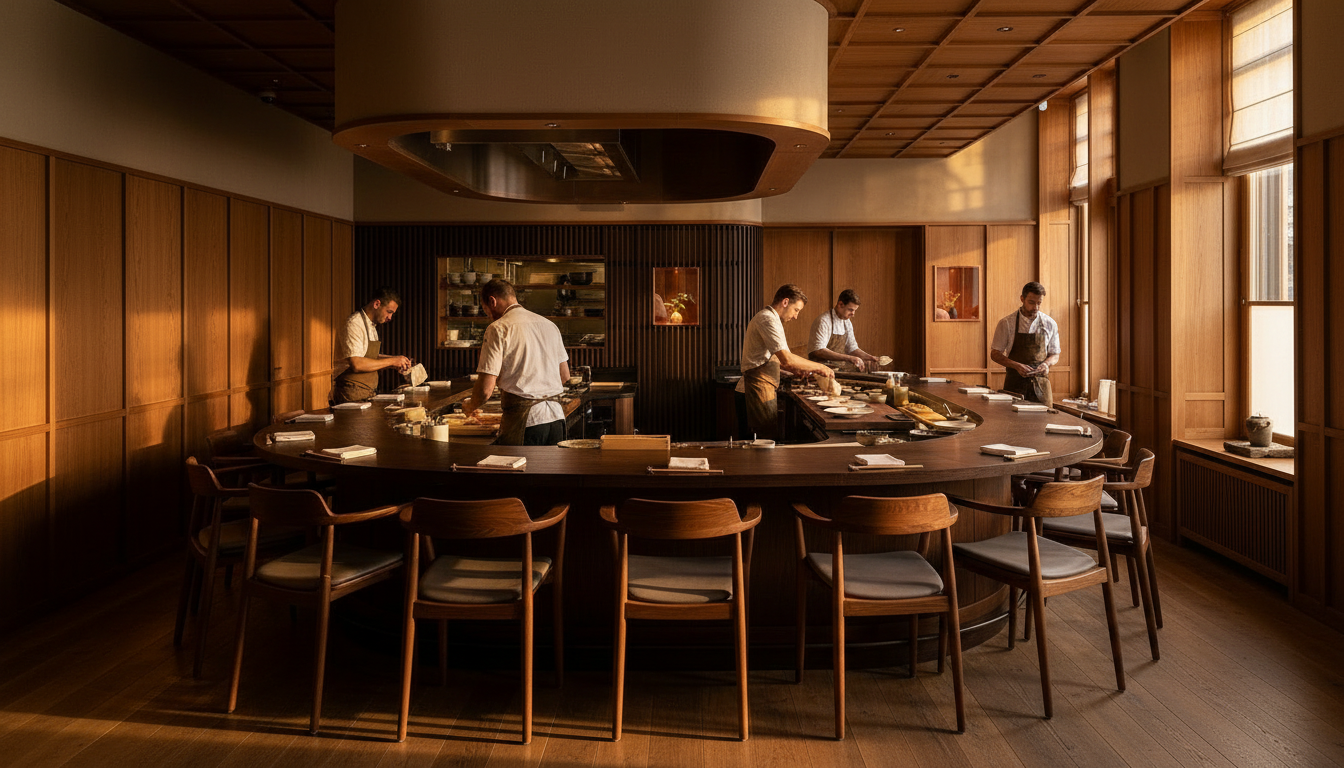
The second act descends to the main dining room, an L-shaped counter seating just twenty-three guests. This is the heart of the operation, an open kitchen where the brigade moves with a silent, balletic precision. The atmosphere is intimate, focused. Every seat is a front-row seat. From this vantage point, I watched the chefs plate a dish of king crab with fermented white asparagus and a butter sauce infused with ginger and lime leaf. The proximity to the craft is mesmerising; the hiss of the grill, the quiet instruction, the final, painstaking placement of a garnish with tweezers. It is a reminder that gastronomy at this level is as much about process as it is about the finished product.
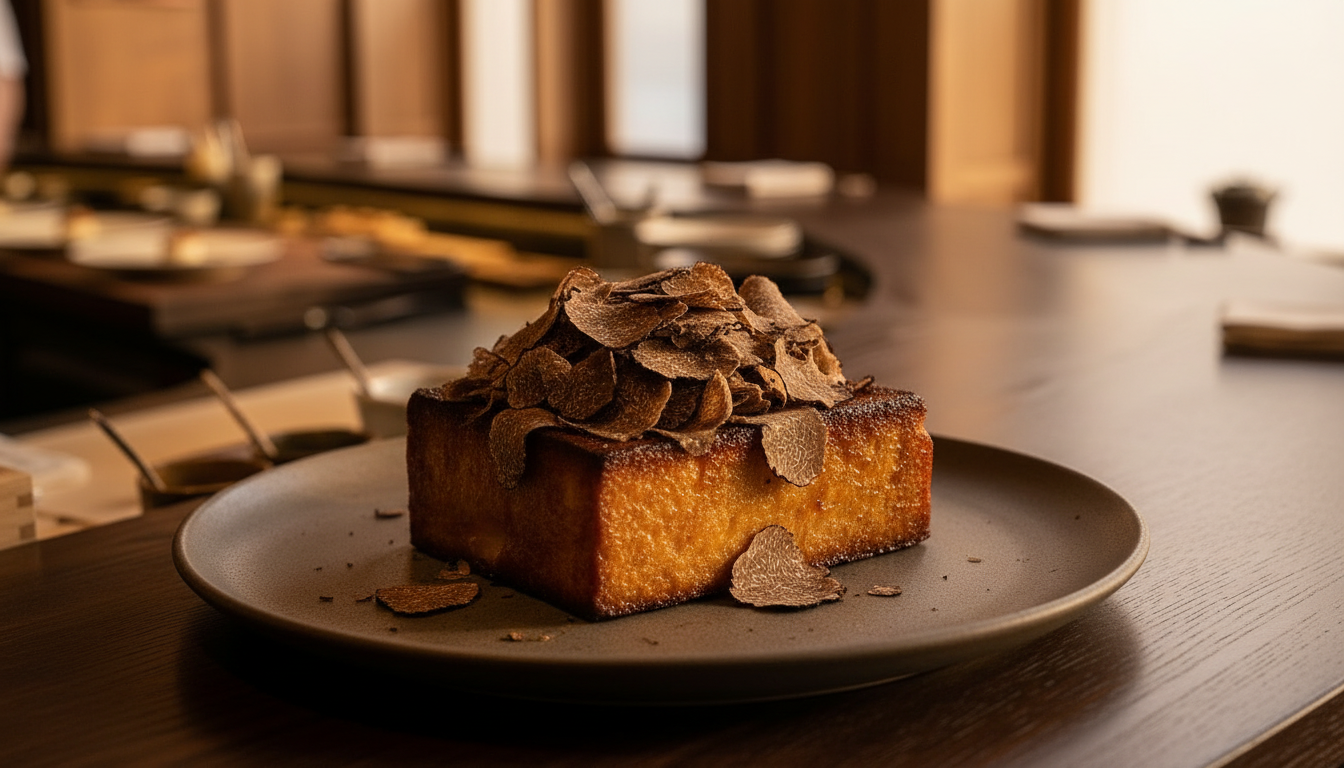
Each course is a study in contrasts, a dialogue between Nordic sensibilities and Japanese techniques. A signature dish of French toast, impossibly rich, is topped with truffle, aged cheese, and a dash of 100-year-old balsamic vinegar. It is a moment of pure, unadulterated indulgence. Then, a course of raw Norwegian lobster, sweet and saline, is paired with the sharp, clean notes of a dashi made from its own shells and clarified with egg white. The flavours are intense, yet impeccably balanced, a testament to a kitchen that understands both power and restraint.
A Vertical Descent
The main savoury courses unfold with a steady, confident rhythm. A perfect piece of quail is grilled over birch embers, its skin crisp, its flesh tender, served with a delicate arrangement of chanterelles and a sauce of fermented garlic. The sommelier, moving with an easy grace, poured a glass of Barolo that spoke to the earthy notes of the dish, a conversation between forest floor and vineyard.
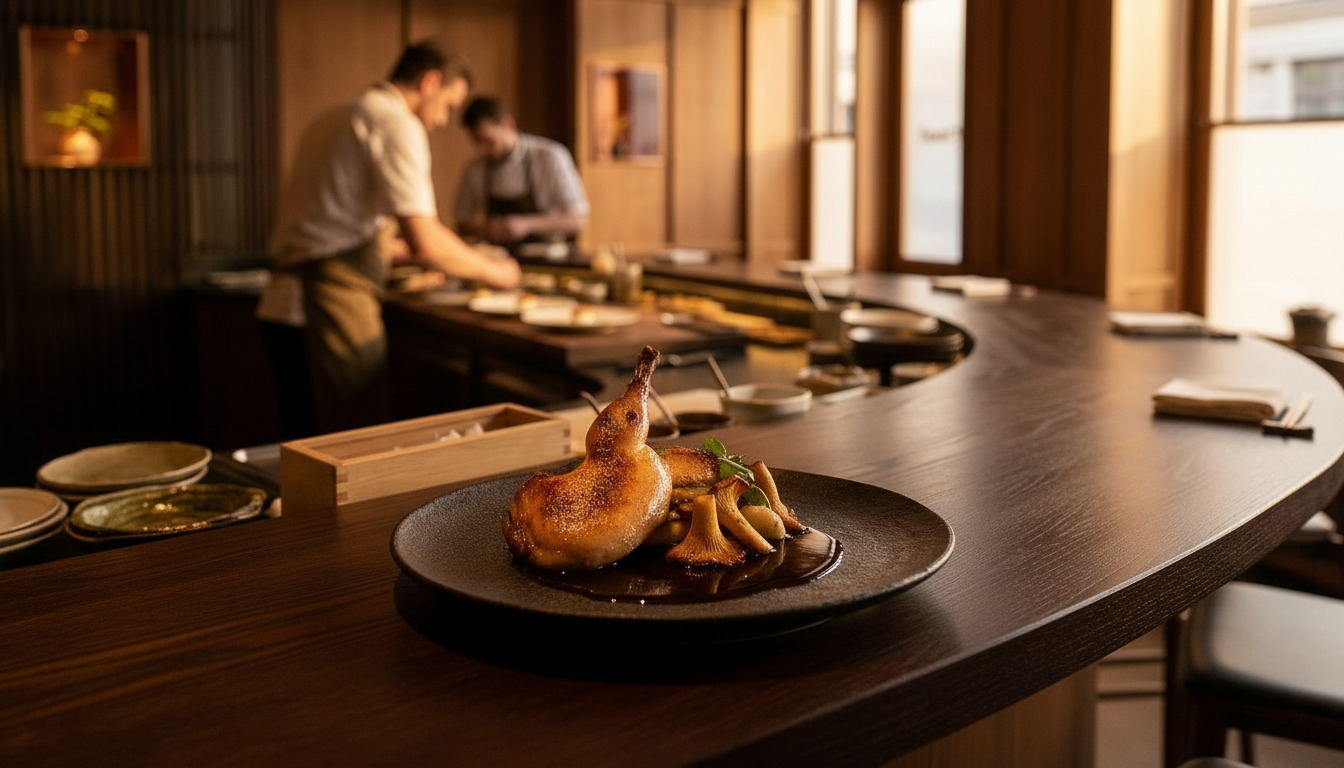
Unlike a traditional dining room, where the energy can dissipate across a wide space, the counter format focuses the attention, creating a shared, collective experience. The murmur of conversation from fellow diners, the clink of glasses, the focused intensity of the chefs—it all combines into a unique and compelling soundscape. It is a performance, but one devoid of arrogance or unnecessary pomp.
A Coda in the Salon
The final act takes place back in the salon where the evening began. The transition is seamless, a gentle return to the relaxed comfort of the lounge for dessert and coffee. The city lights now twinkle in the autumn darkness. A delicate construction of sea buckthorn and carrot arrived, a vibrant and acidic counterpoint to the richness that preceded it. This was followed by a selection of mignardises, including a masterful canelé, its dark, caramelised crust yielding to a soft, custardy interior. It is a gentle denouement, a final, quiet chord that allows for reflection on the preceding movements. Leaving the townhouse and stepping back onto the quiet Stockholm street, the feeling was not one of having merely eaten a meal, but of having participated in a tightly choreographed, immersive piece of culinary theatre. It is an experience that lingers, a testament to a vision that transcends the plate.