Ferrari Luce: The Day Ferrari Forgot What Made It Ferrari
Ferrari going electric was inevitable. Ferrari going anonymous was not. A critical look at the Luce — and the soul Ferrari risks trading away.
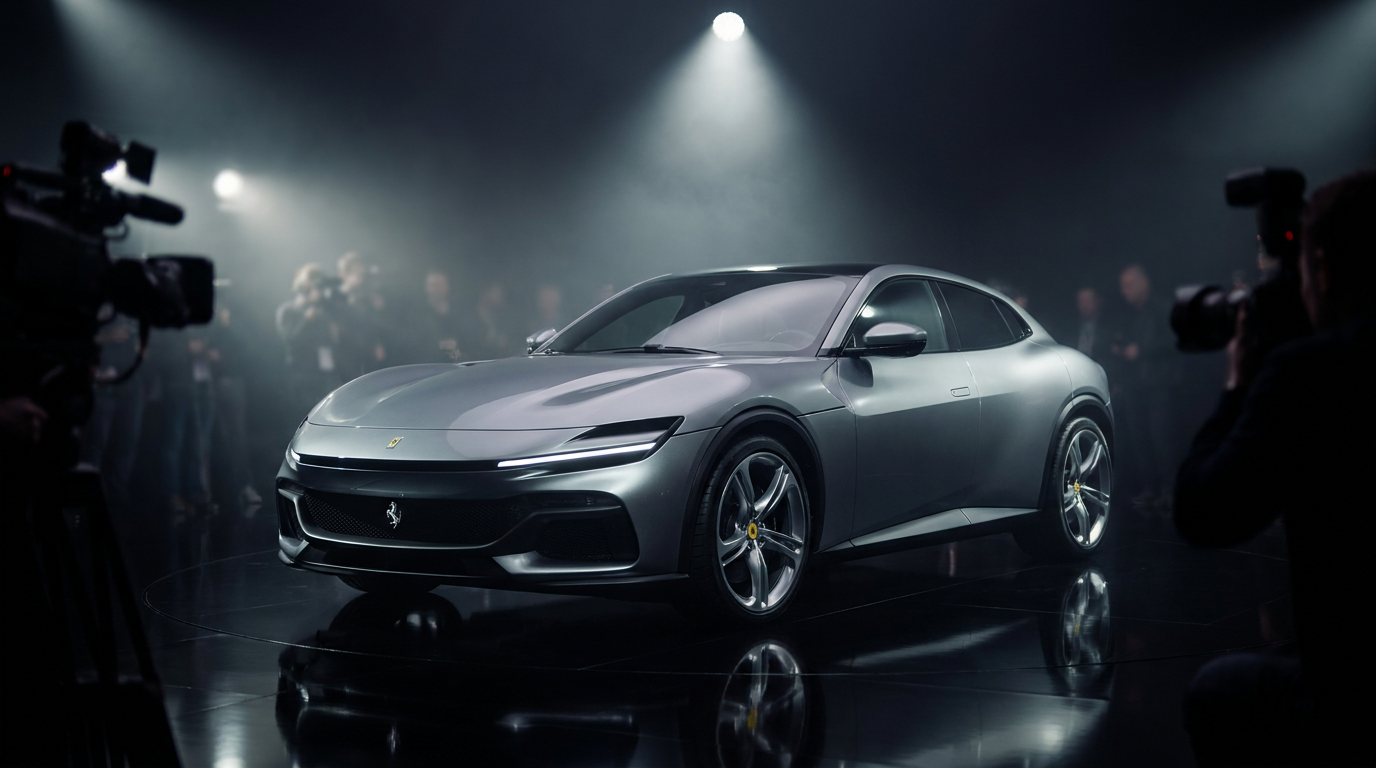
There are bad cars. There are disappointing cars. And then there are cars that represent something far more dangerous: surrender.
The Ferrari Luce is not offensive because it is electric. Ferrari going electric was inevitable long before the company admitted it publicly. The pressure from emissions regulations, shifting consumer expectations, and the broader transformation of the automotive industry made that transition unavoidable. Every serious manufacturer is adapting to a changing world. Technology evolves. Regulations tighten. Customers shift. That is not the issue.
The issue is that the Luce feels like Ferrari adapting by abandoning itself.
For nearly eighty years, Ferrari has represented emotional excess. A Ferrari was never simply transportation. It was theatre. Noise. Drama. Tension. Even their imperfections were part of the mythology. Ferraris demanded attention because they were designed around feeling first and logic second.
The Luce reverses that formula entirely.
An Identity Crisis in Sheet Metal
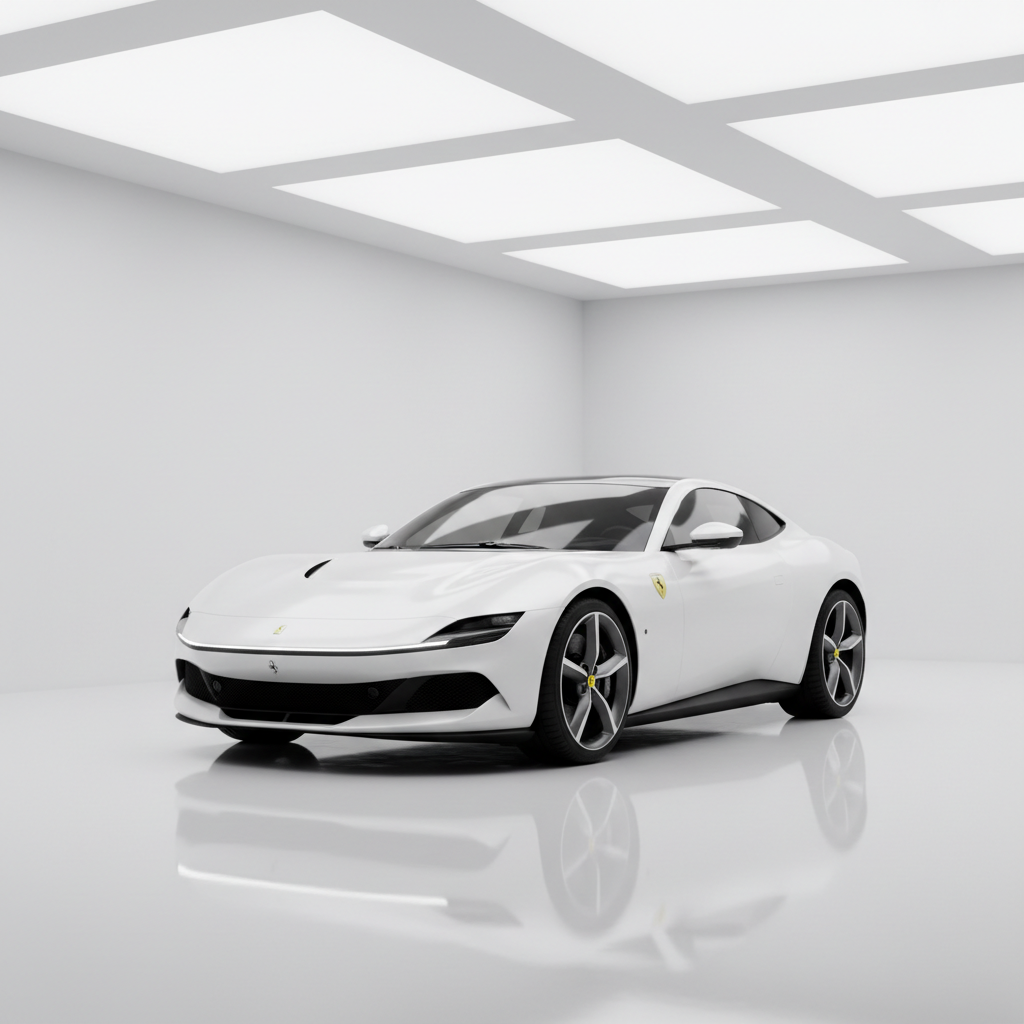
At first glance, it does not look like a Ferrari. That is not internet exaggeration or purist hysteria — it is a genuine identity crisis visible in sheet metal. Remove the badge and most people would struggle to identify its origin. The proportions resemble the now-familiar anonymous electric crossover template that has infected the automotive industry: high beltline, softened surfaces, smoothed aggression, aerodynamic compromise masquerading as sophistication.
It looks less like a Ferrari and more like a technology company's interpretation of what a premium mobility appliance should be.
And perhaps that is exactly the problem.
The influence of Silicon Valley minimalism is everywhere. The Luce feels designed by committees obsessed with user experience, sustainability reports, and frictionless interfaces. Every edge has been softened. Every emotional trigger diluted. It is a car terrified of being irrational.
But irrationality is precisely what made Ferrari special.
Nobody bought a Ferrari because it was sensible. Nobody framed posters of Ferraris on bedroom walls because they admired efficient packaging or seamless software integration. Ferrari succeeded because it created objects that felt alive — machines that communicated violence, beauty, and danger even when parked.
The Luce communicates compliance.
The Past Ferrari Is Abandoning
Ferrari appears to have mistaken modernity for sterilization. In chasing the aesthetic language of contemporary EV culture, the company risks entering a space where it has no natural advantage. If Ferrari becomes another silent luxury electric brand prioritizing interfaces over emotion, it immediately loses the one battle it could never afford to lose: distinction.
Companies like Tesla, Lucid, Porsche, Hyundai, and even Chinese EV manufacturers already dominate the electric conversation through technology, range, pricing, and software ecosystems. Ferrari cannot win by becoming a slower version of them. Ferrari's value has always lived in emotional territory no spreadsheet could quantify.
That emotional monopoly is now in danger.
The tragedy is not that Ferrari built an EV. The tragedy is that Ferrari's first true electric statement feels embarrassed to be a Ferrari at all.
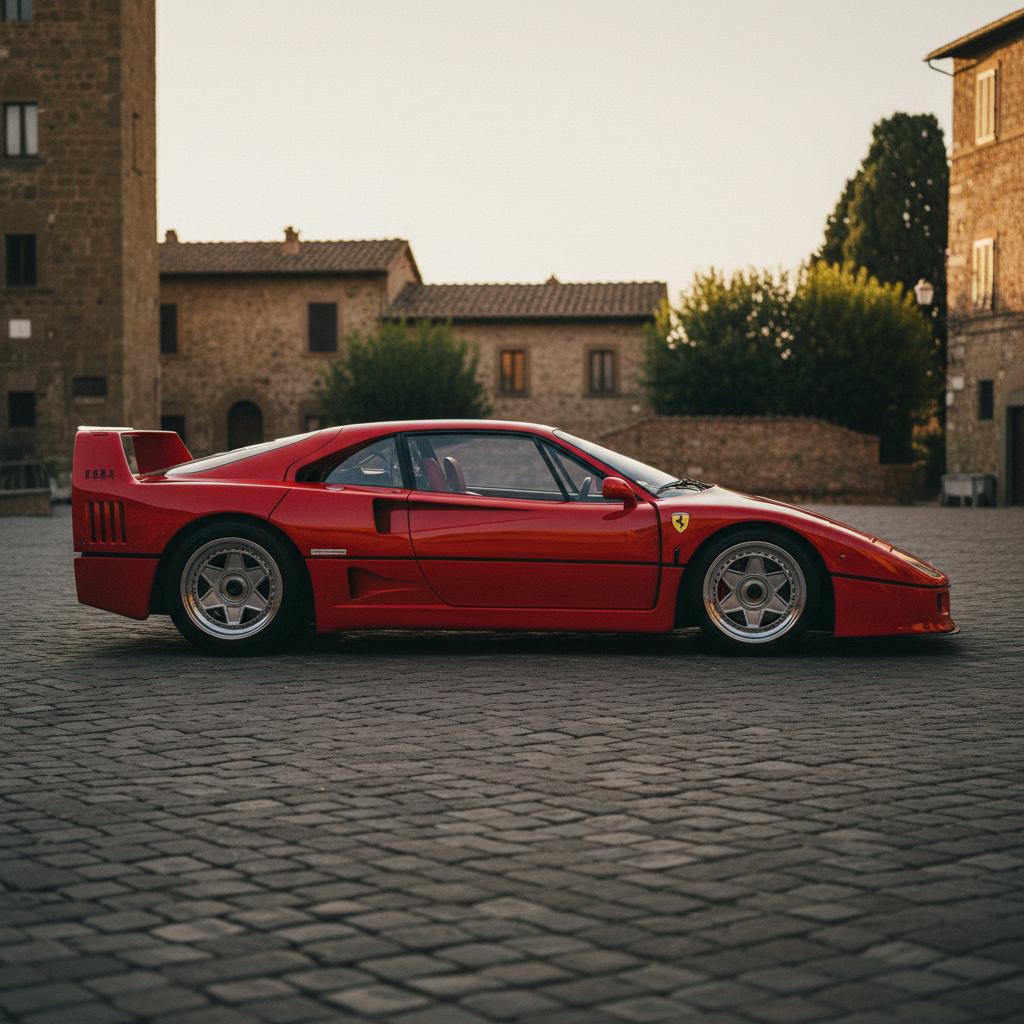
The great Ferrari road cars of history each carried a recognizable philosophy. The F40 was raw and terrifying. The Enzo was futuristic madness. The 458 was operatic. Even controversial cars like the SF90 still carried visual aggression and theatrical intent.
The Luce carries caution.
A Warning, Not a Future
Its defenders argue that Ferrari must attract younger buyers and evolve for a new generation. Perhaps. But evolution without identity is not evolution — it is erosion.
Porsche understood this lesson with the Taycan. Whatever one thinks of electric performance cars, the Taycan still behaves emotionally like a Porsche. It still possesses tension, stance, and a sense of engineering obsession tied to the brand's DNA. The Luce, by contrast, feels emotionally outsourced.
And that raises a larger question about luxury itself.
The automotive industry is entering an era where many vehicles are becoming technologically excellent but emotionally interchangeable. Screens improve. Software improves. Battery range improves. Yet personality disappears. Cars increasingly resemble consumer electronics — temporary, smooth, optimized, disposable.
Ferrari should have been the last company resisting that future.
Instead, the Luce feels like Ferrari volunteering for assimilation.
Perhaps history will be kinder to it. Perhaps younger audiences raised on minimalist technology culture will connect with it in ways traditional enthusiasts cannot. That is possible.
But today, the Luce stands less as a vision of Ferrari's future and more as a warning about what happens when legendary brands confuse relevance with imitation.
Ferrari was never supposed to follow the industry.
It was supposed to remind the industry that emotion still matters.