Claridge's: An Art Deco Bastion in Mayfair
In an ever-changing London, Claridge’s remains a fixed point of poise and Art Deco splendour. A recent stay confirms that its century-old rhythms and quietly assured service are not just preserved, but practiced with a relevance that feels entirely of the moment.
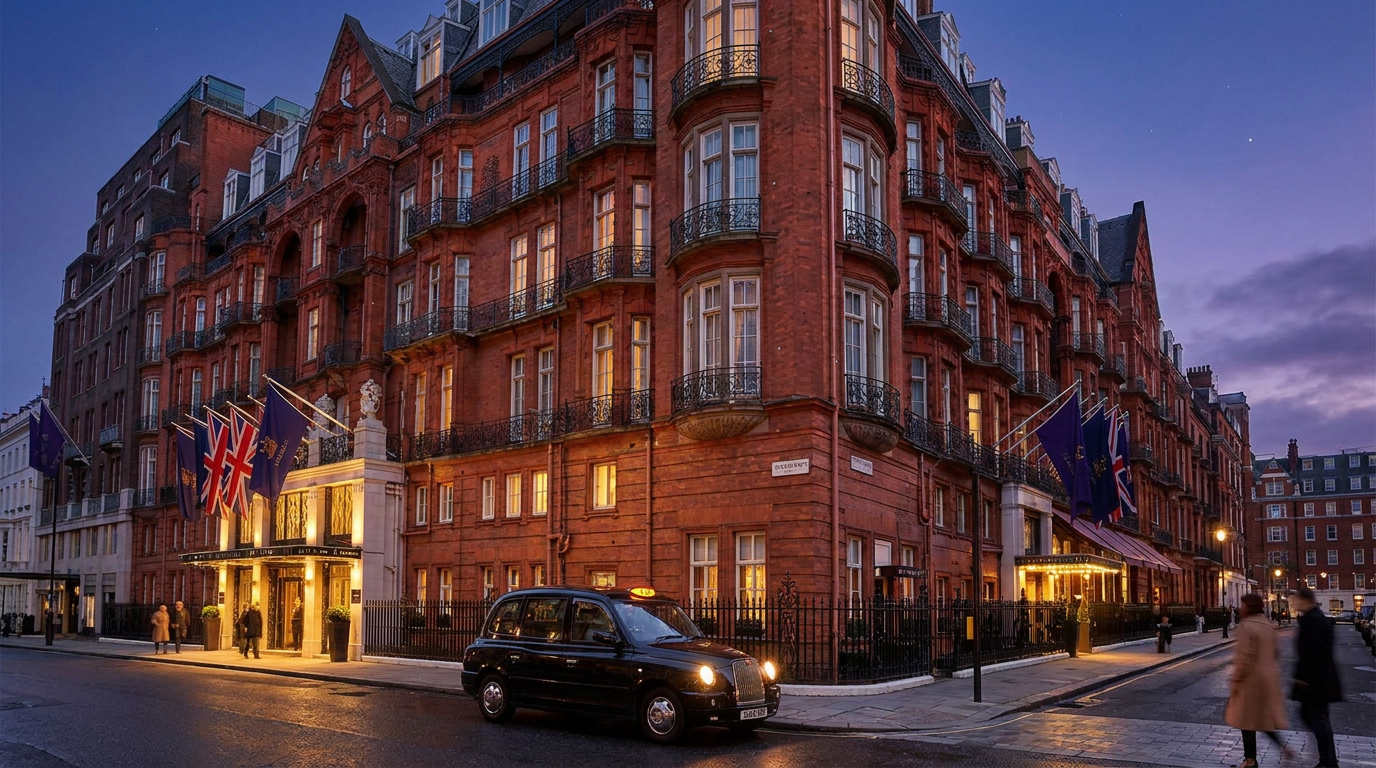
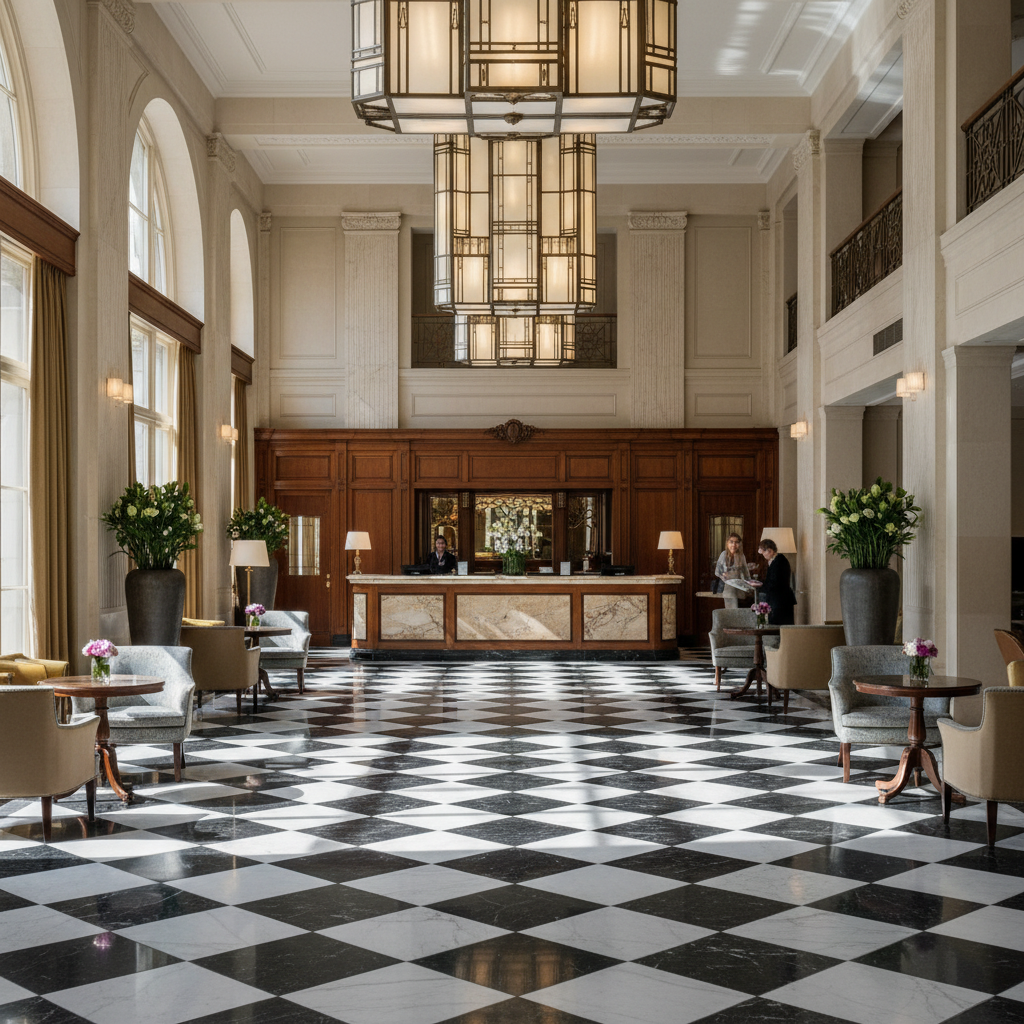
It is a rare and reassuring thing for a hotel to feel less like a destination and more like a homecoming, even on a first visit. To step from the traffic of Brook Street into the lobby of Claridge’s is to experience such a feeling. The controlled ballet of doormen, the hushed inquiries of the front desk, the immediate sense of proportion and light—it all conspires to gently recalibrate the pulse to a more civilised rhythm. My arrival last week, on a warm Tuesday afternoon in late August, was no different. The city’s summer energy dissipated at the threshold, replaced by the cool, monochrome calm of the hotel’s famous checkerboard floor.
This is, after all, a space designed for arrivals and departures, a stage set for the grand theatre of London life for over 150 years. Yet its most defining chapter is arguably the Art Deco transformation of the 1920s, a period whose spirit endures not as a museum piece, but as a living aesthetic. The clean lines, the geometric flourishes, and the Lalique glasswork feel as sharp and intentional today as they must have a century ago. It is a testament to the idea that true style does not date; it simply matures.
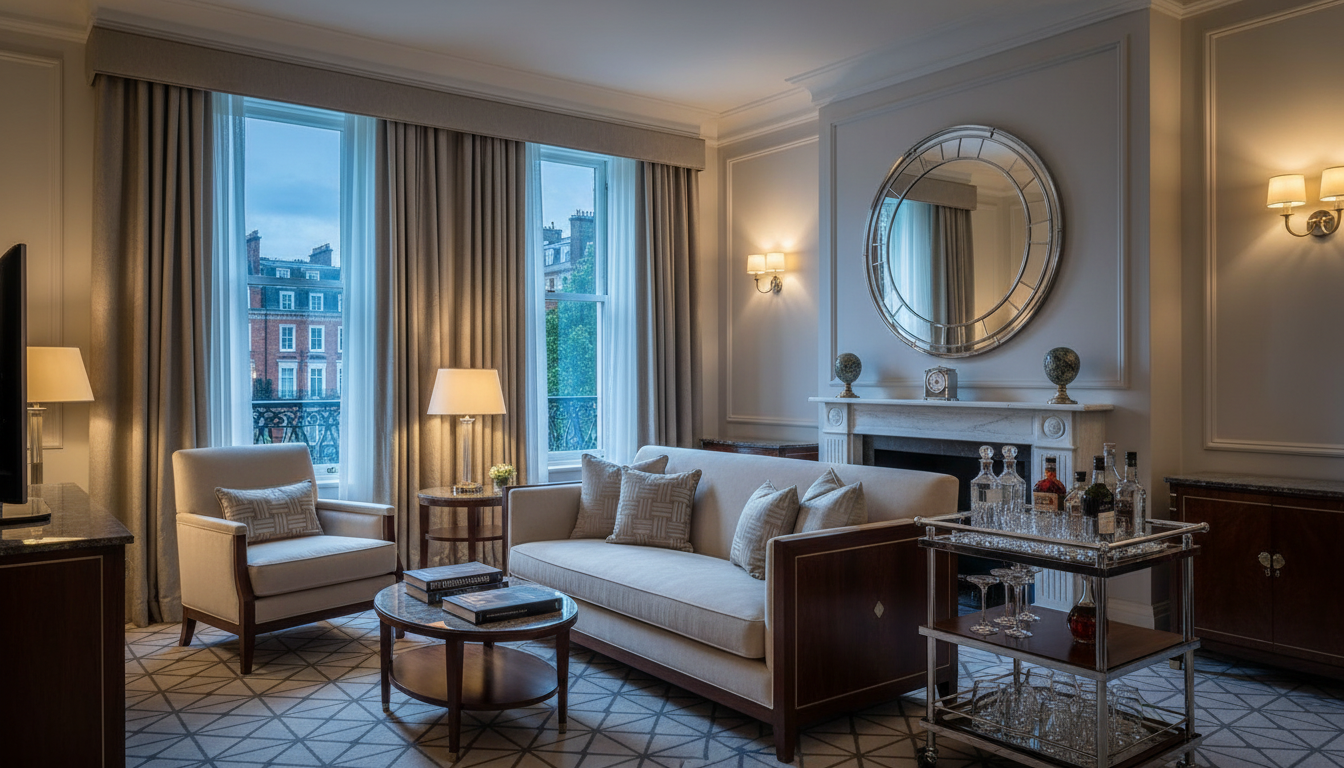
Ascending to the suites is a journey through this design lexicon. My rooms for the stay were a study in Deco restraint, decorated by the venerable interiors mind Guy Oliver. The palette was one of creams, silvers, and soft greys, punctuated by the dark gloss of bespoke furniture. It was a space that prized comfort and quietude above all. The windows looked out over the rooftops of Mayfair, a reminder of the metropolis held at a comfortable distance. In the sitting room, a collection of books felt personally chosen rather than curated for effect, and the bar was stocked not with miniatures but with full bottles of spirits and pre-mixed cocktails from the bar downstairs—a small but significant gesture of genuine hospitality.
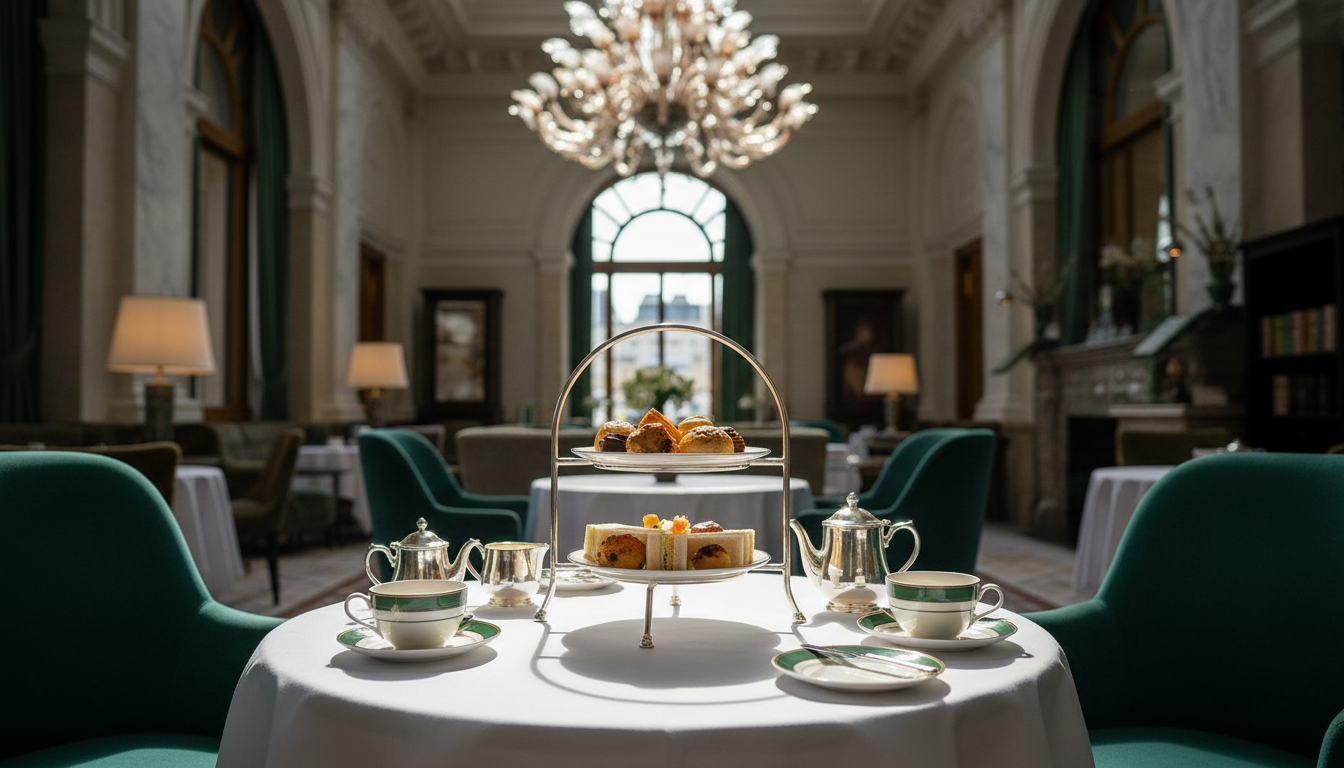
The heart of the hotel, for many, is the Foyer & Reading Room. Taking tea here is a London institution, a ritual observed with a precision that borders on the sublime. I took a table there on Wednesday afternoon. The murmur of conversation, the clink of silver on bone china, the seamless service—it is a symphony of small details. The finger sandwiches, precisely uniform; the scones, warm and yielding, presented with Marco Polo gelée and Cornish clotted cream. It is an experience that has been refined over generations, yet it never feels rote. The string quartet playing softly in the corner was not a gimmick, but an integral part of the room’s acoustic fabric.
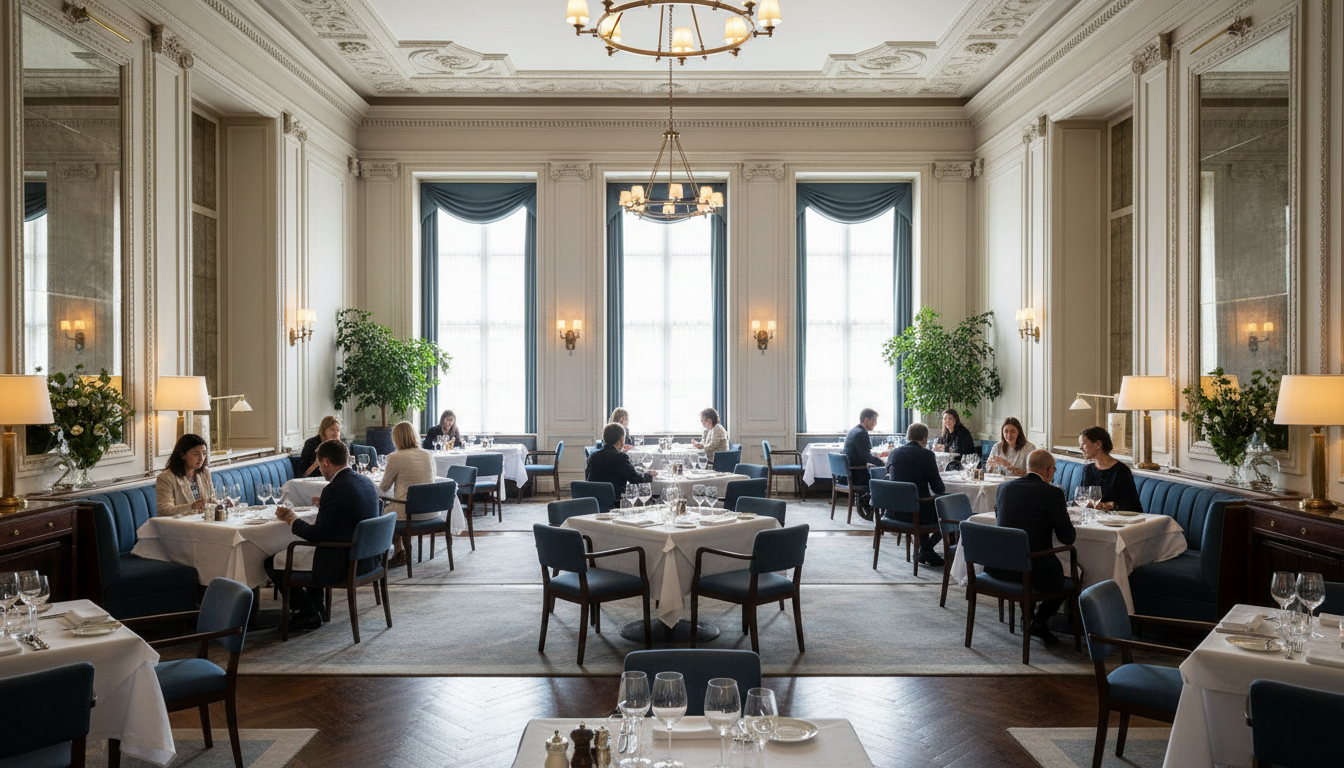
Dinner was at Claridge’s Restaurant, the latest incarnation of the hotel’s grand dining room. The space is magnificent, a high-ceilinged hall that manages to feel both grand and intimate. The menu is a confident celebration of British ingredients, handled with classical French technique. A starter of native lobster was perfectly poised, the sweetness of the flesh complemented by a subtle, citrus-inflected sauce. The main course, a saddle of lamb, was a masterclass in execution, served with a simple jus that spoke of hours of patient reduction. It is cooking that respects its ingredients, free from unnecessary adornment.
Later, a visit to The Fumoir is essential. Tucked away, this small, dark, and seductive bar is a jewel box of Lalique glass and deep velvets. It feels like a secret discovered, a place for quiet assignations and final nightcaps. The cocktails are potent, precise, and served with a theatrical flair that feels earned. A Vesper, cold and sharp, was the perfect punctuation to the day, a final taste of the hotel’s enduring glamour before retiring.
Claridge’s persists not by chasing trends, but by understanding its own immutable character. It is a place of deep comfort and profound style, where the Art Deco dream is not just remembered, but lived in, polished, and presented anew each morning. To stay here is to be reminded of a certain kind of London, a city of quiet confidence and enduring grace that, one is relieved to find, has not disappeared at all.