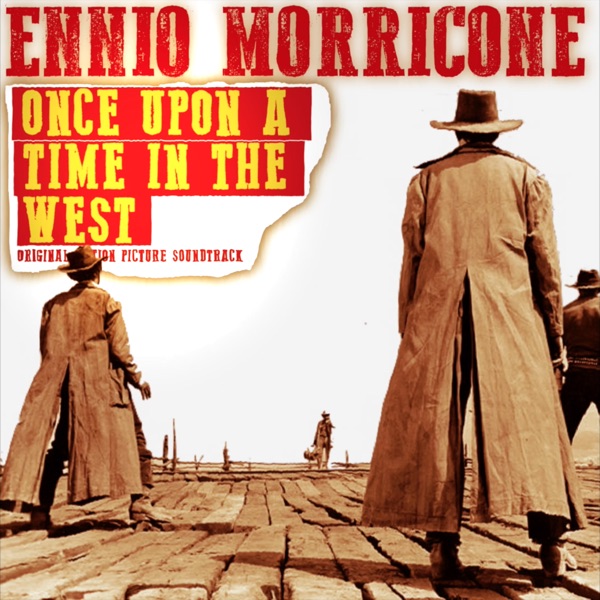
Album artwork courtesy of the label
On the turntable
Some links are Amazon affiliate links. As an Amazon Associate I earn from qualifying purchases; it never changes what appears here.
Once Upon a Time in America
Ennio Morricone · 1984
Ennio Morricone’s elegiac score for Sergio Leone’s final masterpiece, a sprawling epic of crime, love, and regret in the American underworld.
Why it matters
Ennio Morricone’s soundtrack to Sergio Leone’s 1984 film, *Once Upon a Time in America*, transcends mere accompaniment, becoming an integral character within the narrative itself. This monumental work, often cited as one of cinema’s finest scores, masterfully weaves themes of innocence lost, brutal ambition, and the melancholic passage of time. Morricone, a long-time collaborator with Leone, reached a zenith of his compositional powers here, crafting a soundscape that is both intensely personal and universally resonant, elevating the film from a gangster epic to a profound meditation on the American dream and its inevitable decay.
The score is remarkable for its emotional depth and structural complexity, utilising recurring motifs that evolve alongside the characters. The iconic pan flute of Gheorghe Zamfir imbues "Cockeye’s Song" with a haunting, childlike innocence, while Edda Dell'Orso’s ethereal vocals on "Deborah’s Theme" perfectly capture the film's romantic yearning and tragic beauty. It is a work that demands attentive listening, each track building upon the last to create a symphonic narrative that stands magnificently on its own, a testament to Morricone’s unparalleled genius and his profound understanding of human pathos.
The Continental setting
For a reflective evening, perhaps with a fine Italian grappa, recounting past glories or considering roads not taken. Ideally enjoyed within the solitude of a well-appointed study or a private screening room, allowing the score’s immense emotional weight to settle.
Start here
- 01Once Upon a Time in America
- 02Deborah’s Theme
- 03Cockeye’s Song
A pivotal work in film scoring, demonstrating Morricone’s unmatched ability to imbue narrative with profound emotional resonance.
See the full list →